


LUOYANG CAME ENERGY TECH CO., LTD


Polypropylene ID Filamentous Highway Underground Drainage Plastic Blind koto Pipe
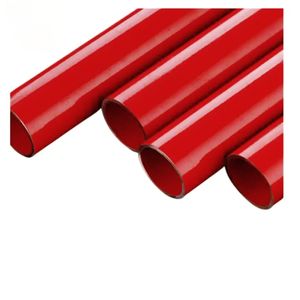
Ọja parameters
Apejuwe
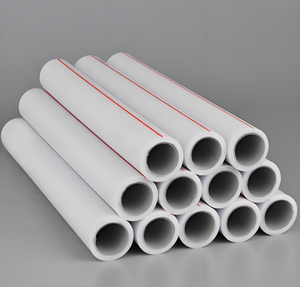
Ifihan tiPolypropylene ID Filamentous Highway Underground Drainage Plastic Blind koto Pipe
PPR paipu (ni kikun orukọ Polypropylene ID Copolymer Pipe, jẹ paipu ṣiṣu ti o ni iṣẹ giga ti a ṣe ti awọn ohun elo aise copolymer polypropylene ID didara-giga. Nitori awọn oniwe-giga otutu resistance, resistance resistance, Idaabobo ayika ati ti kii-majele ti, o jẹ lilo pupọ ni kikọ awọn eto omi gbona ati tutu, HVAC ẹrọ, gbigbe omi mimu ati gbigbe omi ile-iṣẹ, ati pe o jẹ aropo pipe fun awọn paipu irin ibile.
Characteristics and Features of Polypropylene Random Filamentous Highway Underground Drainage Plastic Blind Ditch Pipe
Iwọn otutu ti o ga ati idaabobo titẹ giga
Iwọn otutu iṣẹ igba pipẹ le de ọdọ 70 ° C, resistance otutu otutu igba diẹ si 95°C, o tayọ titẹ ti nso išẹ (wọpọ titẹ ipele PN20, PN25).
Idaabobo ayika ati ilera
Awọn ohun elo aise jẹ mimọ ati kii ṣe majele, pade awọn ajohunše omi mimu (gẹgẹ bi awọn FDA, EN ISO ati awọn iwe-ẹri miiran), ma ṣe ajọbi kokoro arun, ati rii daju aabo didara omi.
Ipata ati egboogi-iwọn
Acid ati alkali resistance, lagbara ipata kemikali resistance, dan akojọpọ odi, ko rọrun lati iwọn, lilo igba pipẹ ti ṣiṣan iduroṣinṣin.
Gbona yo asopọ, lagbara lilẹ
Gbigba imọ-ẹrọ iho yo gbona gbona, ko si eewu jijo ni asopọ, ati awọn ese be se eto dede.
Lightweight ati ki o rọrun lati òrùka
Iwọn naa jẹ nikan 1/8 ti awọn paipu irin, eyiti o rọrun fun gbigbe ati fifi sori ẹrọ, idinku awọn idiyele iṣẹ.
Igbesi aye gigun ati itọju kekere
Igbesi aye iṣẹ ti a ṣe apẹrẹ jẹ diẹ sii ju 50 odun, itọju-free, ati iye owo apapọ jẹ kekere.
Agbara-fifipamọ awọn ati ooru itoju
Awọn elekitiriki gbona jẹ kekere (nikan 1/200 ti irin pipes), eyi ti o dinku pipadanu ooru ati pe o dara fun awọn eto omi gbona.

(Polypropylene ID Filamentous Highway Underground Drainage Plastic Blind koto Pipe)
Specifications of Polypropylene Random Filamentous Highway Underground Drainage Plastic Blind Ditch Pipe
This plastic water drainage pipe takes care of water under freeways. It’s made from polypropylene random copolymer. This material is difficult. It resists chemicals located in soil. It does not rust like steel. It remains solid for a very long time. The pipe framework uses continuous arbitrary filaments. These filaments are bound with each other. This develops an extremely solid pipe wall surface. The wall is permeable. Water seeps with it conveniently. The pipeline is available in typical sizes. Outer diameters typically consist of 100mm, 150mm, 200mm, 250mm, and 300mm. Wall thickness differs. Regular densities are around 3mm to 6mm. Select density based upon depth and load. Much deeper setups need thicker walls. This pipe stands up to hefty stress. It has high ring tightness. Common scores are SN4 and SN8. SN8 takes care of better planet pressure. It won’t break down under roadway web traffic. The pipeline sustains extreme temperature levels. It carries out well from -40 ° C si +80 ° C. It deals with freeze-thaw cycles. Ọja naa jẹ iwuwo fẹẹrẹ. This makes transport much easier. Installment is faster than concrete pipes. Employees handle it safely. No special lifting gear is required. The pipeline surface area is smooth inside. Omi n ṣàn daradara. Sediment accumulation is marginal. It withstands organic growth. Origins have a hard time to permeate it. The pipeline works with basic installations. Connectors and junctions are offered. It utilizes straightforward joining approaches. Setup calls for proper bed linen material. Surround it with clean crushed rock. Eyi ṣe aabo paipu naa. It makes sure great water circulation right into it. Appropriate trench depth is essential. Constantly follow regional engineering standards.

(Polypropylene ID Filamentous Highway Underground Drainage Plastic Blind koto Pipe)
Applications of Polypropylene Random Filamentous Highway Underground Drainage Plastic Blind Ditch Pipe
Polypropylene arbitrary filamentous freeway below ground drain plastic blind ditch pipeline manages water runoff effectively. This pipeline type relocates water far from roadway bases and bordering locations. It stops flooding and soil disintegration along highways. The pipeline product withstands chemicals and decay. It will not corrosion or break down in damp dirt. That makes it last longer than steel or concrete choices.
Eto ko ni idiju. Workers lay the pipeline in trenches beside or under roadways. The arbitrary filament layout allows water seep with the wall surfaces. Dirt bits stay outside. This keeps the pipeline clear for constant drainage. No additional filter fabric is normally needed. That conserves money and time on projects.
Freeway designers select this pipe for its stamina. It births hefty tons from traffic above ground. The pipeline does not fracture under pressure. It flexes a little without breaking. That versatility assists during ground changes or freezing climate.
Various other uses exist beyond freeways. Farmers set up these pipes in fields to drain pipes excess water. They secure plants from root rot. Sports areas use them to prevent sloppy surfaces. Cities add them under parks or walkways. The pipes take care of stormwater in metropolitan locations. Itọju jẹ kekere. They rarely clog and require no unique cleaning. Prices stay sensible due to the fact that polypropylene plastic is cost effective. It’s lighter than old clay or concrete pipelines. Transportation and handling call for less labor. Home builders end up jobs faster.
Iṣakojọpọ ati Gbigbe
Da lori awọn ọja ati qty,a le ṣe iṣakojọpọ ti coiling,yipo,iṣakojọpọ lapapo,apoti tabi apoti,ati be be lo.
Gbigbe:Nipa okun,oko oju irin,nipasẹ afẹfẹ tabi bi ibeere alabara.
Ifihan ile ibi ise
Awọn iṣiro ti ile-iṣẹ Luoyang Datang Energy Tech Co., Ltd., Ltd. jẹ olupese ti Ilu Kannada ti o ṣe amọja ni awọn paipu ṣiṣu to gaju ati awọn ohun elo. Ni ipese pẹlu ipinle-ti-ti-aworan aládàáṣiṣẹ gbóògì ila ati atilẹyin nipasẹ kan egbe ti 200 awọn ọjọgbọn, ti a nse ohun sanlalu ọja laini ni ninu 150 awọn oriṣi ti awọn paipu ṣiṣu ati awọn ohun elo ti a ṣe apẹrẹ fun ipese omi ati awọn eto idominugere, gaasi gbigbe, ati pakà alapapo awọn ọna šiše. Awọn ọja akọkọ wa pẹlu Awọn paipu PVC ati Awọn Fittings, PE (HDPE) Paipu ati Fittings, PPR Pipes ati Fittings, ati PEX Floor Alapapo Pipes.
O yẹ ki o ni awọn ibeere eyikeyi nipa HDPE Pipe Fitting, jọwọ ma ṣe ṣiyemeji lati kan si wa!
Tẹli.:0086-183 3790 0677
Wechat: 0086-183 3790 0677
Whatsapp: 0086-183 3790 0677
Imeeli: sales@pipesandfittings.net
Awọn ofin sisan
T/T,L / C ni oju,Western Union & Paypal,ati be be lo.
5 FAQs of Polypropylene Random Filamentous Highway Underground Drainage Plastic Blind Ditch Pipe
Polypropylene ID Filamentous Highway Underground Drainage Plastic Blind koto Pipe: 5 FAQs
Kini paipu yii?
This pipe is for highway drainage. It moves water away from road bases. The pipe is made from polypropylene plastic. It uses a random filamentous winding method. Eleyi ṣẹda kan to lagbara, flexible tube. The design prevents soil and water damage to roads.
Why use plastic?
Plastic pipes offer advantages. Wọn koju ipata. Metal pipes rust over time. Plastic handles many chemicals in soil. It is much lighter than concrete pipes. This makes transport easier. Installation is faster too. Plastic pipes last a long time underground.
How does water get in?
The pipe itself is solid. Water enters through gaps between pipe sections. Workers lay the pipe sections end-to-end. They leave small spaces. Water seeps into the ditch. It flows through these gaps into the pipe. The pipe carries the water away.
Will rocks crush it?
Rara. The random filamentous structure is very strong. O pin titẹ ni deede. The pipe handles heavy loads from soil and traffic above. Its flexibility helps. It bends slightly under pressure without breaking. It’s designed for deep burial under highways.
How do you install it?
Dig a trench along the highway. Prepare a stable gravel base. Place the pipe sections in the trench. Leave small gaps between pipe ends for water entry. Cover the pipe with more clean gravel. This gravel acts as a filter. Backfill the trench with soil. Proper installation is key for good drainage.

(Polypropylene ID Filamentous Highway Underground Drainage Plastic Blind koto Pipe)
BERE ORO
Awọn ọja ti o jọmọ
Gbogbo Polypropylene Pipe Plastic PPR Tube Green Tubo PPR Pipe Water Pipe

Best ing High Quality Water Supply Drainage High Pressure Tubo Pvc Tube
Paipu Polypropylene Giga 20mm 25mm 32mm Ppr Pipe Pn16 Pn20 Socket Fusion Type
Agbara Agbara giga PP Polypropylene Drain Hose fun Eto Imudara Afẹfẹ
Eru Ojuse Rọ PVC Ko Ọra Braided Hose Pipe fun Agbe