LUOYANG DATANG ENERGY TECH CO.,LTD

High Kelas Industrial HDPE Pipa Aplikasi
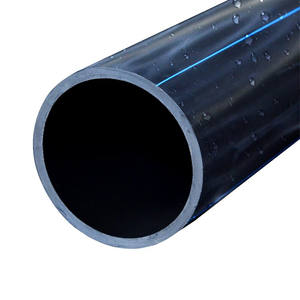
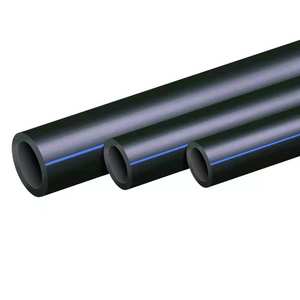
Dina sistem industri modern, milih bahan pipa anu leres penting pisan pikeun mastikeun reliabilitas, efisiensi, jeung kaamanan. Di antara rupa pilihan sadia, HDPE industrial pipes have become the preferred choice for engineers, kontraktor, and plant managers across multiple sectors. Their unique combination of corrosion resistance, impact strength, and cost-effectiveness makes them an ideal solution for transporting process water, wastewater, bahan kimia, and other fluids in industrial environments.
1.Why Industrial Users Choose HDPE Pipes?
1.1 Material Advantages
HDPE industrial pipes are known for their durability and flexibility. Unlike traditional steel or concrete pipes, HDPE pipes do not corrode or rust, even when exposed to aggressive chemicals, saline water, or industrial effluents. This property alone significantly extends their service life and reduces replacement frequency.
1.2 Economic Benefits
When considering the total life-cycle cost, HDPE industrial pipes outperform many alternatives. Their lightweight nature reduces transportation and installation costs. Moreover, their low maintenance requirements mean fewer shutdowns and long-term savings for industrial operators.
2. Performance of HDPE Pipes in Industrial Conditions
2.1 Résistansi Kimia
One of the most valuable advantages of HDPE industrial pipes is their excellent resistance to a wide range of chemicals. They are commonly used in chemical plants, mining operations, and wastewater treatment facilities because they can safely transport acids, alkali, and solvents without degrading.
2.2 Abrasion Resistance
Industrial environments often involve fluids with solid particles. HDPE industrial pipes demonstrate outstanding abrasion resistance, ensuring consistent performance in applications such as slurry transport and mining tailings.
2.3 Low Permeability and Leak-Free Transport
Thanks to their seamless welding methods (butt fusion and electrofusion), HDPE industrial pipes offer leak-free systems. This makes them safer and more reliable than mechanical joint alternatives, especially when handling hazardous liquids.
3. Design and Installation of HDPE Industrial Pipes
3.1 Fusion Welding Techniques
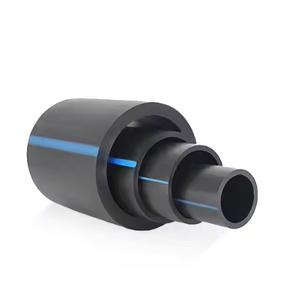
HDPE pipes are joined using fusion welding methods such as butt fusion and electrofusion. These techniques create joints that are as strong as the pipe itself, eliminating weak points and minimizing the risk of leakage.
3.2 Flexibility in Layout
Unlike rigid piping materials, HDPE industrial pipes can be bent to follow ground contours. This flexibility reduces the need for excessive fittings and enables faster, more efficient installation on industrial sites.
3.3 Support and Expansion
Proper installation requires planning for support spacing, expansion, and contraction. HDPE industrial pipes expand more than metal pipes under temperature changes, but this can be managed through effective engineering design.
4. Case Studies: ROI of HDPE Industrial Pipes
Industries that have shifted from steel or concrete piping to HDPE industrial pipes have reported reduced downtime, lower repair costs, and enhanced operational efficiency. Salaku conto, a chemical manufacturing facility that replaced corroded steel pipelines with HDPE pipes experienced a 30% reduction in maintenance costs within the first year.
Nya kitu deui, in the mining industry, HDPE industrial pipes have replaced traditional slurry transport systems, offering longer service life and minimizing unexpected failures. The result is not only cost savings but also improved safety for workers.
5. Common Misconceptions and Maintenance Guidelines
Some believe that plastic pipes cannot withstand demanding industrial environments. Sanajan kitu, real-world applications of HDPE industrial pipes have consistently proven otherwise. When properly designed and installed, they perform exceptionally well under pressure and in corrosive environments.
Maintenance is minimal but should include periodic inspections of weld joints and system pressure. With proper care, HDPE industrial pipes can operate efficiently for 50 taun atawa leuwih, making them a long-term investment.
HDPE industrial pipes are more than just an alternative to steel or concrete—they are a modern, bisa dipercaya, and sustainable piping solution for today’s industries. Their corrosion resistance, kalenturan, and cost-effectiveness make them the go-to material for industrial fluid transport. By choosing HDPE, plant operators can extend service life, reduce costs, and ensure a safer and more reliable piping network.
Panyadia
Luoyang Datang Energy Tech Co., Ltd. mangrupakeun produsén Cina ngarah specializing dina kualitas luhur pipa plastik sarta fittings. Dilengkepan garis produksi otomatis kaayaan-of-nu-seni tur dirojong ku tim ti 200 profésional, kami nawiskeun hiji garis produk éksténsif ngawengku leuwih 150 types of plastic pipes and fittings designed for water supply and drainage systems, transmisi gas, sareng sistem pemanasan lantai. Produk utama kami kalebet Pipa PVC sareng Fitting, PE (HDPE) Pipa sarta fittings, Pipa PPR sarta fittings, sareng Pipa Pemanasan Lantai PEX.
Should you have any inquiries regarding HDPE pipes and HDPE fittings, punten ulah ragu ngahubungan kami!
POST patali
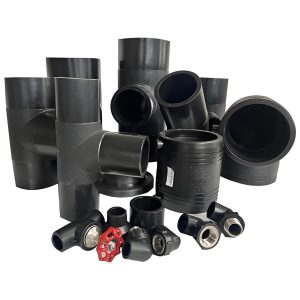
Pipa HDPE Nyiptakeun Kaajaiban Hemat Cai Pertanian?
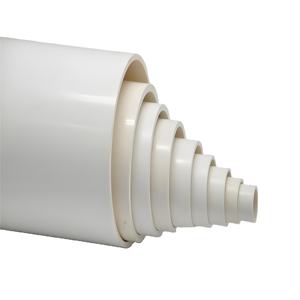
Kumaha pipa PVC janten tulang tonggong sistem drainase

PVC Underground drainase pipe: Mangpaat, Aplikasi & Pamasangan
Nyaeta Pipa Plastik Hideung Aman Pikeun Jalur Pasokan Cai

Kumaha Ngabersihan Pipa Cai Di Imah