LUOYANG NA'E HA'U 'A E MALOHI 'O E TEKINOLIA CO.,LTD


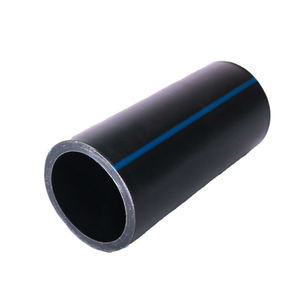
HIGH QUALITY HDPE GAS PIPE
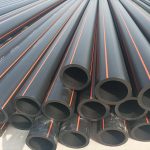
NGAAHI PALAMETA 'O E KOLOA
Fakamatala
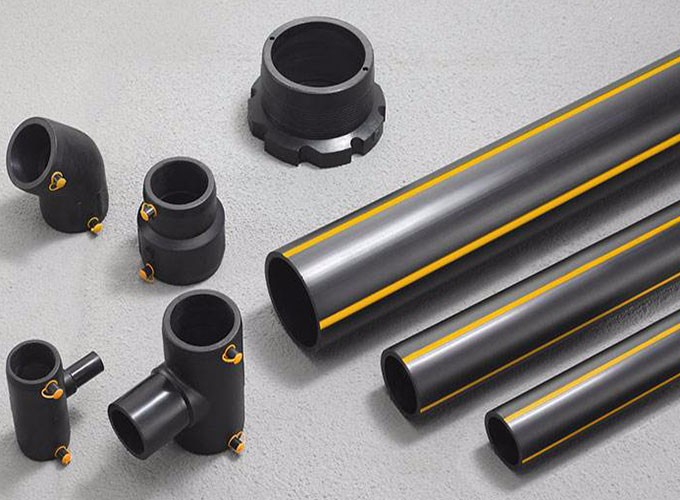
Fakafe'iloaki 'o e . HDPE Gas Pipe
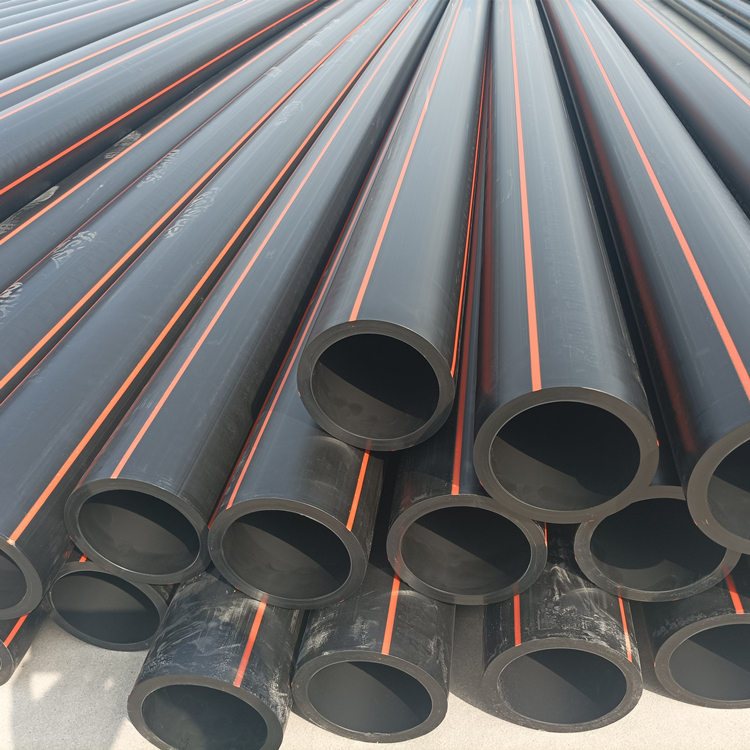
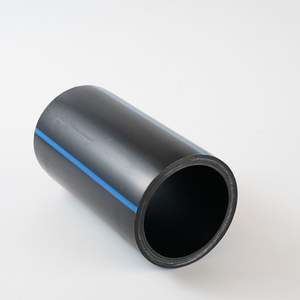
HDPE Gas Pipe is widely used in city gas transportation projects, including natural gas, liquefied petroleum gas, biogas and other gas transportation. Its excellent performance makes the gas pipe has higher safety and stability in the city gas transportation, reducing the risk of accidents.
HDPE Gas Pipe produced by our company with top quality, great selection and expert advice service. You can rest assured to buy the products with our factory. And we will offer you the best after-sale service and timely delivery.
We generally adopts TOP QUALITY raw materials from worldwide reputed factories.As we know material of excel performance is one of the qualification with produce the topping piping system.
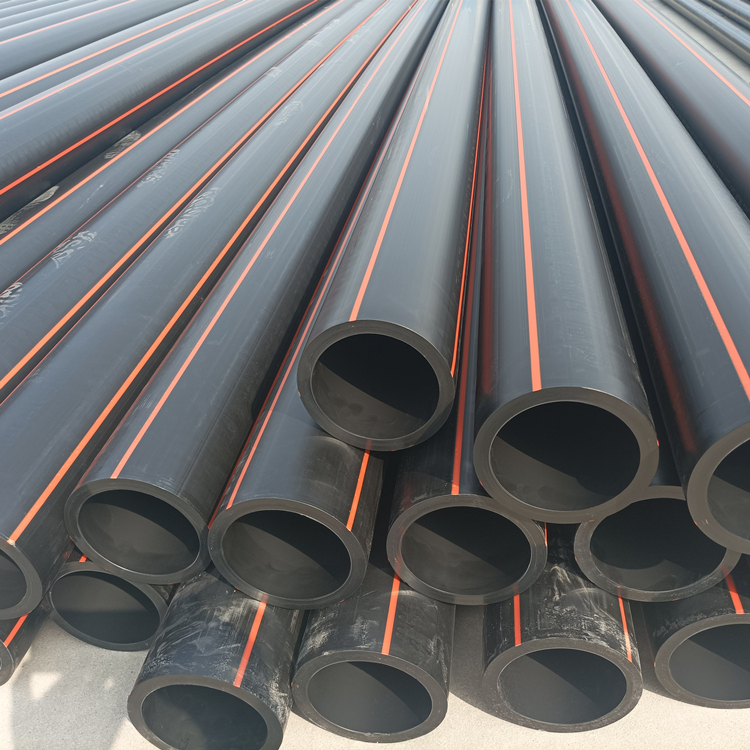
Details of HDPE Gas Pipe
Raw Materials:
1,PE80: PE80 Pipe refers to a gas pipeline fabricated from PE80-grade polyethylene material. PE80 indicates the grade of the polyethylene material, where “80” represents the pressure grade of the material, namely, the pressure strength that the material is capable of withstanding.
2,PE100: PE100 grade pipes comply with ISO 4427 and EN12201 standards, have a high molecular weight, a density greater than 0.94g/cm³, and have excellent impact resistance, aging resistance, and corrosion resistance.The pressure bearing capacity of PE 100 Pipes is 10-11.19mpa, and it has the advantages of good pressure resistance, thin pipe wall, high strength, and high safety factor.It can be used as a gas transmission pipe.
Standards: ISO 4437/ BS EN 1555
Diameter :16mm-630mm
Pressure Rating : SDR17, SDR11
Certificates: UL, WRAS, NSF, ISO, CE
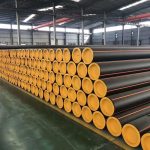
Length: 5.8 length 20ft , 11.8-12m/L 40ft
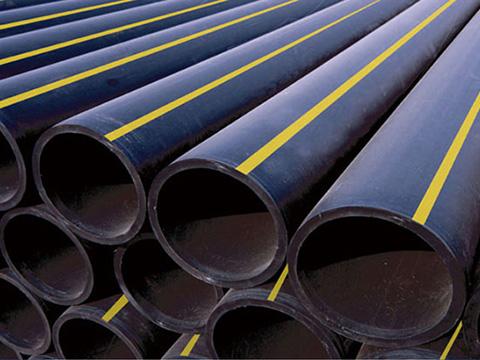
Color: Solid Yellow Orange or black with yellow stripes.
Specifations of HDPE Gas Pipe
HDPE gas pipe can be provided from 20mm to 630mm, with specific dimension as below:
| SDR Ratings | SDR11 | SDR17.6 |
| Max. Working PressureFor Natural Gas(Mpa) | 0.4 | 0.2 |
| Norminal Diameterdn (mm) | Wall Thicknesse (mm) | |
| 20 | 2.3 | 2.3 |
| 25 | 2.3 | 2.3 |
| 32 | 3.0 | 2.3 |
| 40 | 3.7 | 2.3 |
| 50 | 4.6 | 2.9 |
| 63 | 5.8 | 3.6 |
| 75 | 6.8 | 4.3 |
| 90 | 8.2 | 5.2 |
| 110 | 10.0 | 6.3 |
| 160 | 14.6 | 9.1 |
| 200 | 18.2 | 11.4 |
| 250 | 22.7 | 14.2 |
| 315 | 28.6 | 17.9 |
| 400 | 36.3 | 22.7 |
| 500 | 45.4 | 28.4 |
| 630 | 57.2 | 35.7 |
Applications of HDPE Gas Pipe
Natural Gas/ Vaporized LPG Conveyance and Distribution
HDPE gas pipes are commonly used for infrastructure systems that deliver natural gas. Because of the characteristics of HDPE pipes,They are providing a safe, reliable, and leak-free means of supplying gas to individual households for purposes like heating, cooking, and hot water generation.
Industrial Gases Distribution
HDPE gas pipes serve businesses such as restaurants, ngaahi hōtele, and industrial plants that require a steady supply of natural gas or LPG. Their flexibility and ease of installation in various terrains and environments make them ideal for urban and rural commercial installations.
Landfill & Leachate Gas Extraction and Conveyance
HDPE pipes are commonly used in LPG and propane gas distribution systems, particularly for residential, fefakatau'aki, and industrial facilities that rely on liquefied petroleum gas. They provide a safer and more cost-effective alternative to traditional metal pipes in these applications.
Bio Gas and Propane
HDPE gas pipe plays a critical role in gas distribution systems. It has versatility, durability, and cost-effectiveness make it to an ideal for a wide range of applications
Fakafonu mo e Uta
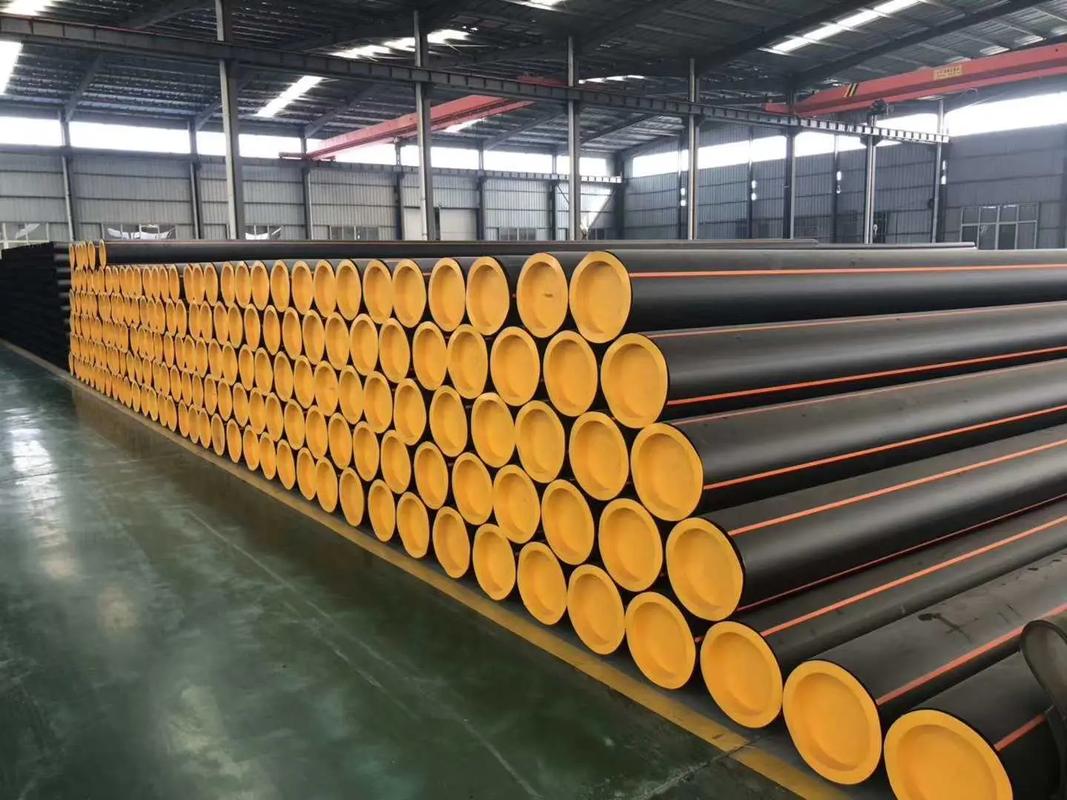
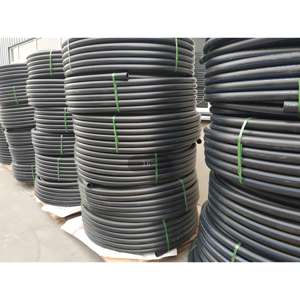
- Pipe dia. dn20-63mm can be in coils with 50/100/200/300m length
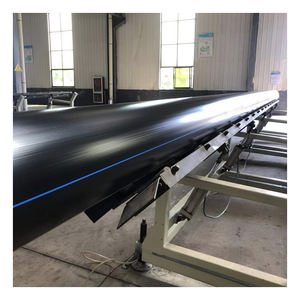
- pipe dia. dn75-630mm be in bars with 5.8m or 11.8m length
Uta:ʻI he tahí,hala lēlue,‘i he ‘ea pe ko e kole ‘a e kasitomaa.
Fakamatala ʻo e Kautaha
Na'e fokotu'u 'a e Luoyang Datang Malohi Tech Co.Ltd 'i he 2010. 2015 pea 'oku tu'u 'i he sone fakalakalaka 'o e tekinolosia ma'olunga ., Kolo Luoyang, ‘okú ne kāpui ha feitu‘u lahi ‘oku ‘i ai ‘a e ngaahi me‘angāue fakaeonopooni .. 'Oku 'oatu 'e hotau pule'anga ha 'atakai poupou ., kau ai 'a e fefononga'aki faingofua mo e ma'u 'o e ngaahi ma'u'anga tokoni mahu'inga .. Talu mei hono fokotuʻu ʻi he 2012. 2015, kuo mau tukupa ki he lelei taha 'i he ngaahi paipa mo e ngaahi me'a fakapipiki ., hokohoko atu hono fakatupu fo'ou ke feau 'a e ngaahi fie ma'u 'a e maketi.
Kapau 'oku ke fiema'u 'a e ngaahi Paipa PPR mo e ngaahi me'a fakapipiki .,Kataki 'o ongo'i tau'ataina ke fetu'utaki mai .(fakatau@paipa mo e ngaahi me'a fakapipiki.net)
Ngaahi Tu'utu'uni Totongi
T/T,L/C 'i he sio,ʻIunioni Hihifo & Paypal,mo e ngaahi me'a pehē.
FAQ of HDPE Gas Pipe
1,What does PE100 HDPE gas pipe function?
PE100 Natural Gas Pipes are used for urban gas transmission pipelines, liquefied petroleum gas (LPG) transmission pipelines, and industrial gas pipelines. .
PE 100 Pipes have excellent pressure resistance and temperature resistance, ensuring the safety and reliability of the transmission process. In addition, it also has excellent fire resistance, and it is not easy to burn and explode even if it is roasted by open flames, which further ensures the safety of gas transportation. The wall of the PE100 gas pipe is smooth and does not easily accumulate scale, which ensures the patency and cleanliness of the drainage system and effectively solves the problem of drainage pipe maintenance. This type of pipe is also widely used in other industrial fields such as the chemical industry, mining, and marine engineering. It can cope with complex and changing working conditions and environments, and ensure the stable and reliable operation of industrial systems.
2,What do the terms DR and SDR mean?
DR stands for dimension ratio, which is the average outside diameter of a PE pipe divided by its minimum wall thickness. A standard dimension ratio (SDR) is a specific DR based on an ANSI preferred number series. The use of SDRs enables manufacturers to produce pipe to a set of standardized DRs. SDRs include 9, 11, 13.5, 17, 21, 26 mo e 32.5. All SDRs are DRs, but the converse is not true.
3,How long do HDPE gas pipes last?
HDPE gas pipes have long service life and over 50 ngaahi ta'u, depending on installation conditions, maintenance, and external factors. Proper installation and environmental conditions can further extend their service life.
4,What is the installation process for HDPE gas pipes?
- Trenching or Boring: A trench is dug or horizontal directional drilling (HDD) is performed for pipe placement.
- Fusion Welding: HDPE pipes are connected through heat fusion, which creates a continuous, leak-free joint.
- Backfilling: After installation, the trench is backfilling with soil to protect the pipes from external damage.
- Connection to the Gas Supply: HDPE pipes are then connected to the gas supply network or building’s internal distribution system.
5. Are HDPE gas pipes environmentally friendly?
Sure, HDPE is an environmentally friendly material,
Recyclable: HDPE pipes are 100% toe ngaue'aki, reducing environmental impact.
Low Carbon Footprint: HDPE production and installation process requires less energy compared to other materials like metal.
Long Service Time: HDPE pipes have a long service life, which reduces the need for replacements and waste generation over time.
KOLE HA QUOTE
NGAAHI KOLOA 'OKU FETU'UTAKI
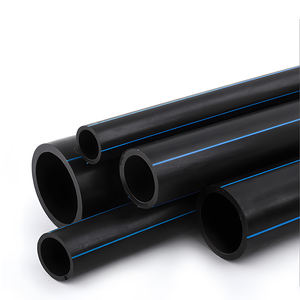
Polietileni Maʻolunga-Maʻolunga (PE) Black Pipe for Gas Line Use
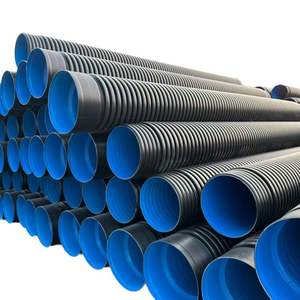
Factory Direct High Density Polyethylene Pipes Dn20-110mm PN6-16 Plastic Pe100 Hdpe Pipe for Water Supply
High-Density HDPE Pipe Durable High-Pressure Water Supply Polyethylene Tube s
HDPE 45 Tikili PE Tuliki Ma'olunga-Density Polyethylene Paipa Fakafe'unga'i Ki he Ma'u'anga Vai
355mm HDPE Pipe PE100 High Density Polyethylene Dredging Float Pipes