LUOYANG NA'E HA'U 'A E MALOHI 'O E TEKINOLIA CO.,LTD

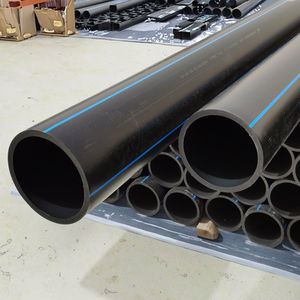
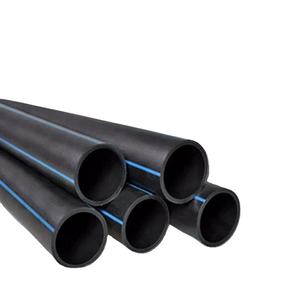
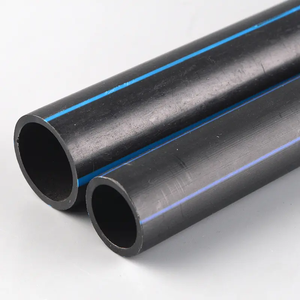
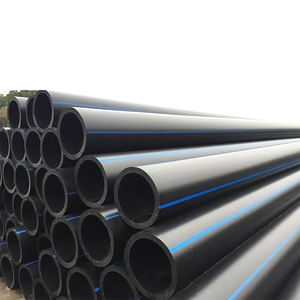
PE Kasa Paipa Ma'olunga-Ma'olunga Polyethylene Palasitiki Paipa
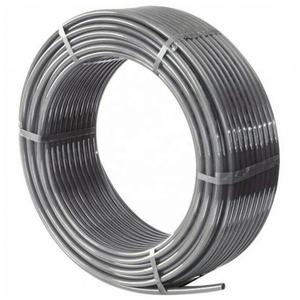
NGAAHI PALAMETA 'O E KOLOA
Fakamatala
Introduction of PE Gas Pipe High-Density Polyethylene Plastic Tubes
Paipa Polyethylene Ma'olunga 'a e Density (Paipa PE) ko ha tu'uloa mo e fe'unga thermoplastic piping fakalelei'i 'oku lahi hono faka'aonga'i 'i he ngaahi ngaue'anga ., fakakolo, ngoue, mo e ngaahi tohi kole keli .. 'Iloa 'i hono fakafepaki'i 'o e kemikale lelei 'aupito ., malohi uesia ma'olunga, mo e mo'ui 'o e ngaue loloa ., 'Oku lelei 'aupito 'a e ngaahi paipa PE ki hono fetuku 'o e vai ., ngaahi kasa, mo e ngaahi vai kehe ‘i he ngaahi tu‘unga kehekehe ‘o e mīsiní ..
Key Features of PE Gas Pipe High-Density Polyethylene Plastic Tubes
Kolosi & Fakafepaki'i 'o e kemikale
Fakafepaki'i 'a e 'ume'umea ., uno, mo e lahi taha ‘o e ngaahi kemikale ., ‘o ‘ai ai ia ke fe‘unga mo e ngaahi ‘ātakai fakatupu ‘ita ..
Ma'ama'a & Mapiko
Faingofua ke fetuku mo fokotu'u koe'uhi ko e mamafa ma'ulalo .; 'oku faka'ata 'e he fe'unu'aki 'a e piko 'o 'ikai ha ngaahi hui 'i ha ngaahi polokalama pau.
Malohi Uesia Ma'olunga
‘Oku ne matu‘uaki ‘a e ngaahi tu‘unga ‘ea kovi mo e mafasia fakaesino ., fakasi'isi'i 'a e ngaahi fakatu'utamaki 'o e motuhia.
Ngaahi Hui Tau'ataina 'o e Leak
'Oku fakatupu 'e he ngaahi hui vela-fused 'a e ngaahi fehokotaki'anga ta'e-fakalavelave, fakasi'isi'i 'a e ngaahi fakatu'utamaki 'o e leakage.
Mo'ui Ngaue Fuoloa
UV-fakafepaki'i mo e abrasion-fakamo'oni ., mo ha mo‘ui ‘oku laka hake ‘i he 100. 50 ta'u 'i he ngaahi tu'unga totonu ..
Funga 'i loto 'oku mo'ui
Fakasi'isi'i 'a e mole 'o e friction ., fakalelei'i 'a e tafe 'a e ola lelei mo e fakasi'isi'i 'o e ngaahi fakamole ki he ivi ..
Faka'atakai-Kaume'a
'Ikai kona, toe ngaue'aki, pea muimui ki he ngaahi tu'unga malu 'o e vai inu ..
Fakamole-Ola Lelei
Ma'ulalo ange 'a e fakamole ki hono fokotu'u mo hono tokanga'i 'i hono fakafehoanaki ki he ngaahi naunau tukufakaholo . (e.g., 'ukamea, sima).

(PE Kasa Paipa Ma'olunga-Ma'olunga Polyethylene Palasitiki Paipa)
Specifications of PE Gas Pipe High-Density Polyethylene Plastic Tubes
PE gas pipelines use high-density polyethylene plastic. This product is solid and lasts long. It handles underground use well. These pipelines are available in several dimensions. Typical dimensions are 20mm to 630mm in diameter. You select the size based on your gas circulation needs. Wall surface density varies also. It depends upon the pipe’s SDR score. SDR means Common Dimension Ratio. A reduced SDR number indicates a thicker wall surface. Thicker wall surfaces manage higher stress.
Pressure rankings are important. Typical scores are PN6, PN10, PN16. PN represents Stress Nominal. PN6 deals with 6 bar pressure. PN10 manages 10 pā. PN16 handles 16 pā. Always pick the best pressure ranking for your system. The pipelines are generally black. They have a yellow stripe. This red stripe reveals they carry gas. It’s a safety mark.
HDPE pipes are very adaptable. They flex conveniently around obstacles. This reduces the need for fittings. Setup is quicker. The material withstands rust completely. It doesn’t rust like metal pipes. Chemicals in the soil won’t harm it. This makes it fantastic for straight interment. No additional finish is needed. It deals with temperature levels from -20 ° C ki he . +40 ° C securely. Links usage warm blend. Joints are welded together firmly. This creates a continuous, watertight system. Leakages are very not likely with correct welding. The pipes are light. They are much lighter than old steel pipes. Handling and transport are easy. This saves time and money. The smooth inside surface area assists gas circulation efficiently. Less energy is needed to push gas with. The product is tough. It holds up against effect well during setup and usage. It does not crack quickly.

(PE Kasa Paipa Ma'olunga-Ma'olunga Polyethylene Palasitiki Paipa)
Applications of PE Gas Pipe High-Density Polyethylene Plastic Tubes
PE gas pipes are strong plastic tubes produced relocating gas safely. They are developed from high-density polyethylene. This material is difficult and adaptable. It manages pressure well. These pipes are a top option for contemporary gas distribution systems.
Gas companies use them a great deal for below ground lines. They attach primary supply lines to neighborhoods. After that they run smaller sized pipes directly to houses and buildings. This brings gas for home heating, food preparation, and hot water systems. The pipes stand up to corrosion and chemicals located in soil. This means they last a long time without breaking down.
Industrial sites require trusted gas supply too. Factories utilize huge amounts of gas for powering makers and processes. PE pipes function well below. They manage the needs of commercial areas. Their versatility permits simpler installation around complex manufacturing facility layouts.
Farmers likewise utilize these pipes. They deliver gas to barns for heating pets. Greenhouses need gas for climate control. Watering pumps sometimes work on gas. PE pipelines are a risk-free option throughout farm homes. They hold up against the outside setting and ground activity.
City framework tasks often pick PE pipelines. They are optimal for replacing old steel pipes under roads. Employees can mount them faster. This creates much less disturbance to website traffic and services. The pipes join together easily utilizing warm fusion. This develops a smooth, leak-proof link. It’s much more secure than mechanical joints.
These pipelines are very light contrasted to steel. This makes them less complicated to move and deal with on website. Their smooth inner surface maintains gas streaming effectively. This minimizes energy loss over fars away. They don’t need heavy safety finishings. This saves cash throughout installment and over the pipe’s life time. Damage from digging is much less most likely also. The material flexes a little bit rather than splitting.
Fakafonu mo e Uta
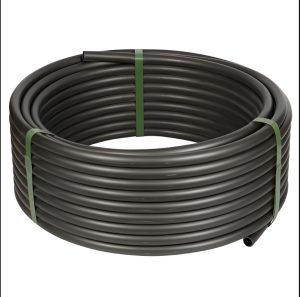
Fakafalala ki he ngaahi koloa mo e qty .,te tau lava ʻo fai ʻa e fakafonu ʻo e coiling .,takai,fakafonu 'o e fu'u 'akau,puha pe puha,mo e ngaahi me'a pehē.
Uta:ʻI he tahí,hala lēlue,‘i he ‘ea pe ko e kole ‘a e kasitomaa.
Fakamatala ʻo e Kautaha
Ko e Kautaha Tekinolosia ʻo e Malohi ʻo Luoyang Datang., Ltd. ko ha kautaha ngaohi koloa Siaina tu'ukimu'a 'oku makehe 'i he ngaahi paipa pelesitiki mo e ngaahi me'a fakapipiki 'o e tu'unga ma'olunga .. Fakanaunau'i 'aki 'a e ngaahi laine ngaohi 'otometiki 'o e tu'unga-'o e-'aati pea poupou'i 'e ha timi 'o e . 200 kau mataotao, 'oku mau 'oatu ha laine koloa lahi 'oku kau ai 'a e 'olunga 'i he . 150 fa'ahinga 'o e ngaahi paipa pelesitiki mo e ngaahi me'a fakapipiki kuo fa'u ki he ngaahi sisitemi 'o e ma'u'anga vai mo e fakatafe, fetuku kasa, mo e ngaahi sisitemi fakamafana 'o e faliki .. Ko 'etau ngaahi koloa tefito 'oku kau ai 'a e PVC Paipa mo e ngaahi me'a fakapipiki ., PE (HDPE) Ngaahi Paipa mo e Ngaahi Me'a Fakapipiki, Ngaahi Paipa mo e Ngaahi Me'a Fakapipiki PPR, mo e ngaahi Paipa Fakamafana 'o e Fola PEX.
'Oku totonu ke 'iai ha'o fehu'i fekau'aki mo e HDPE Pipe Fitting ., kataki 'oua 'e toumoua ke fetu'utaki mai .!
Tel.:0086-183 3790 0677
Wechat: 0086-183 3790 0677
Whatsapp: 0086-183 3790 0677
'Imeili: fakatau@paipa mo e ngaahi me'a fakapipiki.net
Ngaahi Tu'utu'uni Totongi
T/T,L/C 'i he sio,ʻIunioni Hihifo & Paypal,mo e ngaahi me'a pehē.
5 FAQs of PE Gas Pipe High-Density Polyethylene Plastic Tubes
Ko e ngaahi . 5 common questions about PE Gas Pipe High-Density Polyethylene Plastic Tubes:
What makes PE plastic safe for gas pipes?
PE plastic is specially made for gas. It resists corrosion completely. Metal pipes rust over time. PE pipes don’t rust. They handle gas pressure safely. They meet strict international safety standards. This ensures reliable gas transport.
How long do PE gas pipes last?
PE gas pipes last much longer than metal pipes. They easily serve for over 50 ngaahi ta'u. Maama 'o e La'a, soil chemicals, and weather don’t damage them easily. Their material doesn’t break down fast. This means fewer replacements and lower long-term costs.
Can PE gas pipes handle cold or hot temperatures?
ʻIo, PE pipes perform well in extreme temperatures. They stay flexible in very cold weather. They don’t become brittle and crack. They also handle heat well within normal operating ranges. Temperature changes affect them less than metal.
Are PE gas pipes hard to install?
ʻIkai, PE pipes are easier to install than metal pipes. They are much lighter. Workers can move and position them easier. They come in long coils. This means fewer joints are needed underground. Special fittings join sections securely. Installation time is often shorter.
Do PE pipes need special maintenance?
PE pipes need very little maintenance. They resist corrosion and chemical damage naturally. There’s no need for regular checks for rust or leaks caused by decay. Their smooth inside surface also helps. It keeps gas flowing well without buildup. This reduces blockages.

(PE Kasa Paipa Ma'olunga-Ma'olunga Polyethylene Palasitiki Paipa)
KOLE HA QUOTE
NGAAHI KOLOA 'OKU FETU'UTAKI
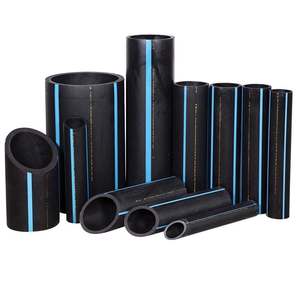
High Quality PN16 PE Water & Irrigation Supply Pipe 20-110mm Black Polyethylene Plastic Tube
Professional UPVC Water Pipe Polyvinyl Chloride Drainage Head Water Irrigation Pipes
Factory PN 10 Hdpe Pipe 3 Inch Hdpe Corrugated Pipe
Free Sample PN16 PN20 Water Pressure Drip Irrigation Plastic PP Compression All Types HDPE Pipe Fittings
PAIPA 'O E VAI HDPE 'O E TU'UNGA MA'OLUNGA