Ua haere mai o LUOYANG NO TE PUHI TECH CO.,LTD

PPR pipe vs 304 Te fetia,Eaha te parururaa?
In the context of the upgrading of global health awareness in 2025, the quality of household drinking water has become the core issue of consumer concern. Studies show that 60 percent of water pollution comes from harmful substances such as heavy metals and plasticizers released by aging or poor quality pipes. This paper deeply compares 304 stainless steel pipe and PPR Drinking Water Pipeline two mainstream materials, to help you scientifically choose healthy drinking water pipes.
Part 1, 304 Stainless Steel Water Pipe: High-End Durable Chō'ē
1.1 Core features
Material composition: Food grade 304 te fetia (āmui 18% chromium, 8% nikele), through the ISO 2037 international certification .
Cte pato'iraa i te orrosion: Experiments show that in the water quality with pH value of 6-8.5, the 30-year corrosion rate is lower than 0.03mm/ year .
1.2 Advantages and Limitations
Advantages:
0 plasticizer release, in line with WHO “Drinking Water sanitation standards” ;
Te patoiraa i te anuvera teitei (-20℃~400℃), suitable for floor heating, water heater and other scenes;
Service life up to 50 matahitis, low maintenance cost .
Limitations:
High initial cost (i 3 times that of a PPR tube);
Installation requires professional welding equipment, DIY is difficult .
Ha'iti, PPR: economic and practical mainstream choice
2.1 Material analysis
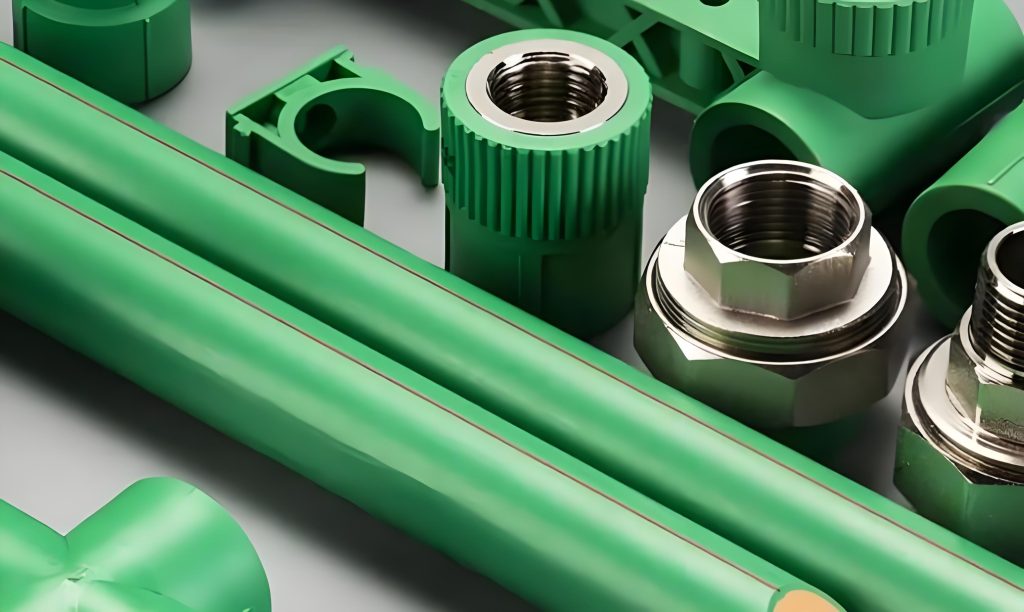
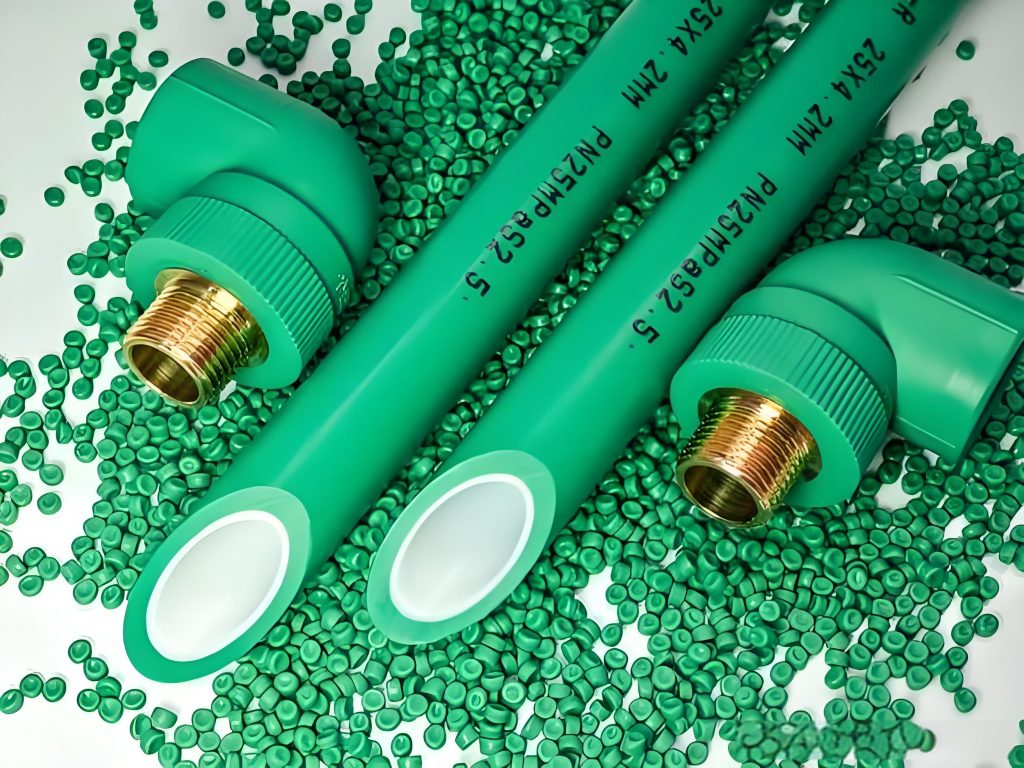
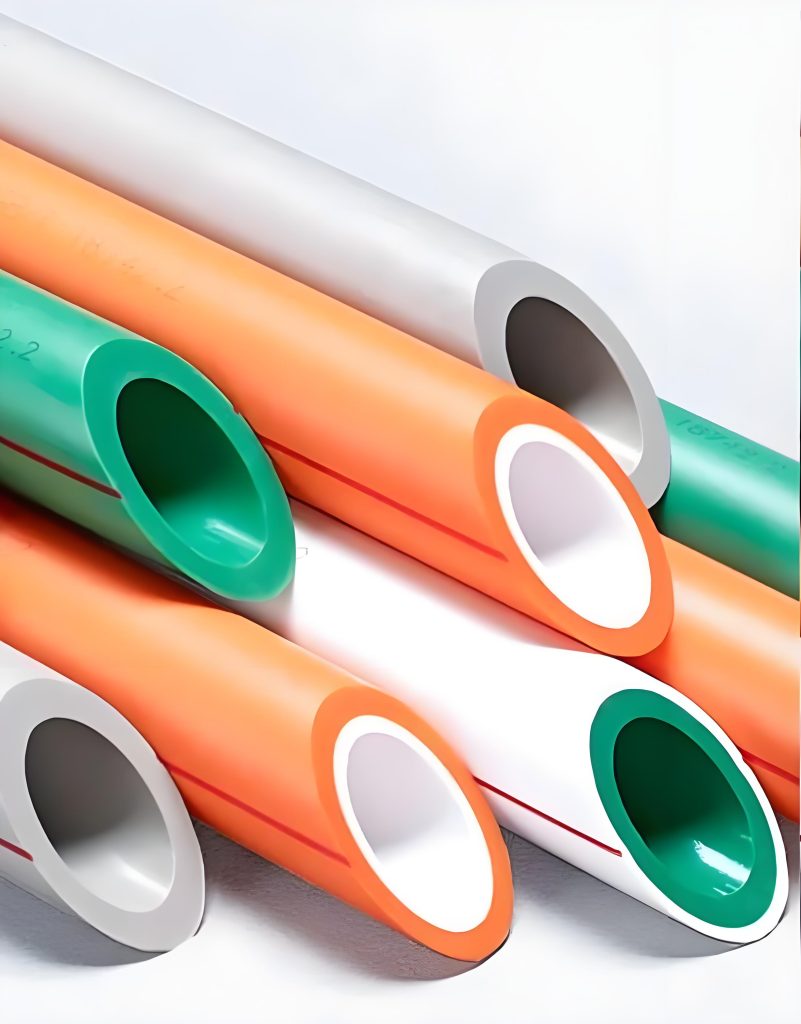
aungredient: Random copolymer polypropylene (PPR), passed GB/T 18742.2 national standard ;
Pressure resistance: The pressure bearing capacity at normal temperature can reach 2.0MPa to meet the demand of family water supply .
2.2 Advantages and Disadvantages
Advantages:
Pōpō riro, suitable for families on a limited budget;
Light weight, easy to bend, easy to install;
Smooth inner wall, not easy to scale .
Disadvantages:
Long-term use may release trace amounts of plasticizers (especially in high temperature water);
Weak UV resistance, easy aging when exposed outdoors .
Three, experimental data comparison: 304 stainless steel VS PPR
3.1 Bacterial growth rate test
| Ngā tohu | 304 Stainless Steel Water Pipe | PPR Water Pipe |
| 30-day colony total (CFU/mL) | ≤50 | 120-300 |
| Amount of heavy metal precipitation (μg/L) | Not detected | Lead ≤1.5 |
3.2 Service life and maintenance cost
304 Stainless Steel Pipe: More than 50 years of life, no need to replace regularly;
PPR Pipe no te horo'araa i te pape: 15-20 years need to check the aging of the connection, the replacement cost is about $300/time .
Part 2, How To Ci raro Tōna Best Material TEccording To Tōna Demand?
Family scene recommendation
Infant family/high-end housing: 304 stainless steel is preferred to avoid the risk of heavy metals;
Ordinary families/short-term use: PPR plumbing pipe is more cost-effective, but need to avoid being used in hot water pipes .
Adaptation for Commercial Scenarios
Hotels and hospitals: 304 stainless steel must be used to meet high hygiene standards;
Office building, school: PPR pipeline suitable for room temperature drinking water system .
Part 3,Installation and Maintenance Guide
1,Professional Installation Points
304 Stainless Steel Pipe:
Use argon arc welding process to ensure that there is no leakage in the interface;
24 hours pressure test (≥1.5 times working pressure) after installation.
PPR :
The temperature of hot melt connection should be controlled at 260±5℃ to avoid over-melting or virtual welding;
Reserve access port when concealed installation.
2,Suggestions for Routine Maintenance
Use an endoscope to inspect the inner wall of the pipe (especially the PPR pipe) every year;
Avoid flushing the pipes with strong acid/alkaline cleaners .
Part 4,Questions & Answers
Q1: Which kind of material is more suitable for the old residential area reconstruction?
TE: Recommended 304 te fetia, strong pressure resistance and can adapt to complex water quality .
Q2: Does PPR water pipe really release harmful substances?
TE: In line with the national standard PPR pipe safety standards, but to avoid being used for > 60℃ hot water long-term transportation .
Taata hoo
Te mau haamaramaramaraa no ni'a i te mau haamaramaramaraa a Luoyang., Ltd. te hoê taata hamani tao'a tinito rahi roa'e o tei matau i te mau hu'ahu'a hu'ahu'a maitai roa e te mau tao'a. Ua ineine te reira e te mau reni hamaniraa tauihaa apî roa a'e e te turuhia ra e te hoê pŭpŭ 200 te feia toro'a, te horoa nei matou i te hoê reni tao'a rahi e hau atu i te 150 types of plastic pipes and fittings designed for water supply and drainage systems, Te haaparareraa mǎhu, e te mau faanahoraa no te faahanahana i te tahua. I roto i ta tatou mau tao'a rahi, te vai ra Te mau pipe e te mau tao'a PVC, PE (HDPE) Te mau paipa e te mau tao'a, PPR Pipes me nga taputapu, e te mau paipa no te faahanahana i te tahua PEX.
E uiuiraa anei ta outou no ni'a i to tatou Te mau pipe e te mau tauihaa PPR oraora maitai, Eiaha e feaa faahou i te farerei ia matou!
Tel.:0086-183 3790 0677
Wechat: 0086-183 3790 0677
Whatsapp: 0086-183 3790 0677
Imera: mau hooraa@mau hooraa
TE MAU POSTS
Te mau faaohiparaa apî o te mau PVC pipes i roto i te faanahoraa no te pape
What Kind Of Pipe For Underground Water Supply
Eaha te mea maitai a'e?Nga paipa HDPE me nga paipa PE.
Eaha te huru o te paipa pape hu'ahu'a