LUOYANG DATANG ENERGY TECH CO.,LTD

PE, PVC and PPR Pipes in Drainage and Sewage Systems (DWV)
In the plumbing system of modern buildings, the Drain, Waste, Vent system (DWV) is the core link to ensure the functionality and hygiene safety of the building. As experts in pipe production, we know that the performance differences of pipes made of different materials directly affect the lifespan and maintenance costs of the project. This article will provide an in-depth analysis of the unique advantages and applicable scenarios of PE pipes (polyethylene), PVC pipes (polyvinyl chloride), and PPR pipes (random copolymer polypropylene) in DWV systems to help you precisely match project requirements.
What Is a PVC DWV System?
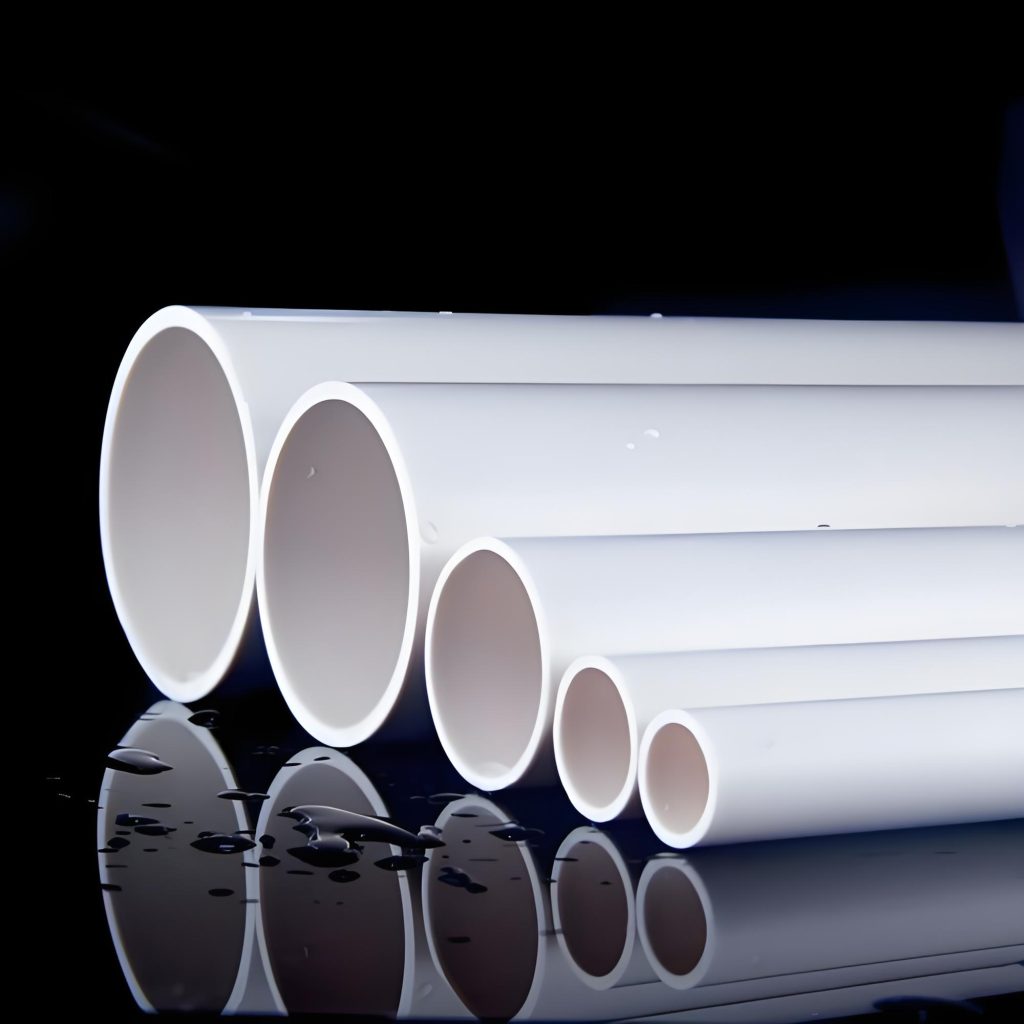
A PVC DWV system refers to a drainage, waste, and vent piping system made primarily from polyvinyl chloride (PVC) pipes. It is designed to remove wastewater from buildings while allowing proper air circulation inside the plumbing network.
In residential, commercial, and industrial buildings, PVC DWV pipes are commonly used for drain lines, waste discharge, and ventilation connections because of their lightweight structure, corrosion resistance, and easy installation.
Unlike pressurized water supply pipes, PVC DWV pipes are mainly designed for gravity-flow drainage applications. The pipe size, slope, connection method, and installation environment all affect the overall performance of the system.
PVC pipes: The first choice for lightweight and high cost performance
PVC pipes have long dominated the DWV system market due to their lightweight, low cost, and chemical resistance. Its rigid structure effectively resists soil pressure and is suitable for underground drainage pipe installation.
Core advantages:
- 1. Excellent acid and alkali resistance: Can withstand corrosive substances such as grease and cleaning agents in domestic sewage for a long time.
- 2. Easy to install: The glue bonding process is used, the connection is fast and the labor cost is low.
- 3. Low flow resistance: The inner wall is smooth, reducing the risk of dirt deposition and the probability of clogging.
Applications:
- – Vertical drainage main pipes in residential buildings
- – Underground sewage pipe network for commercial buildings
- – Branch exhaust lines of the ventilation duct system
Construction tips: Avoid exposure to ultraviolet environments (buried or protected), and the working temperature is recommended to be controlled between -5 ° C and 60 ° C.
Additionally, adhering to standard DWV pipe installation standards, such as maintaining a proper slope of 1/4 inch per foot for horizontal pipes, is essential to ensure optimal gravity flow and prevent future blockages.
Why PVC Pipes Are Commonly Used in DWV Systems
PVC pipes are widely selected for DWV systems because they provide a combination of durability, chemical resistance, smooth internal surfaces, and economical installation.
For residential and commercial drainage applications, PVC DWV pipes provide reliable wastewater transportation without corrosion problems commonly found in metal drainage systems.
Their lightweight design also reduces installation difficulty and helps lower overall construction costs.
PVC DWV vs Schedule 40: Understanding the Structural Differences
When searching for the exact pvc dwv definition, it is crucial to distinguish it from standard Schedule 40 PVC pipes. While both are made from polyvinyl chloride, they serve entirely different purposes. Schedule 40 pipes are designed with thicker walls to withstand high internal water pressure in supply systems. In contrast, PVC DWV pipes feature thinner walls and specialized fittings with wider, smoother interiors. This specific structural design prevents clogs and allows for the unpressurized, gravity-fed flow of wastewater and proper air ventilation. Using Schedule 40 for drainage is unnecessary and costly, while using DWV pipes for pressurized water supply can lead to catastrophic failures.
PE pipes: A flexible and impact-resistant buried solution
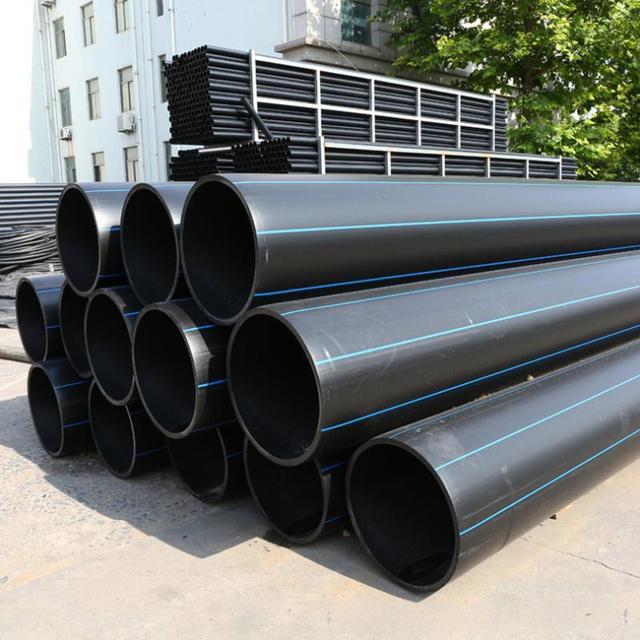
High-density polyethylene (HDPE) pipes are known for their exceptional flexibility, freeze crack resistance, and wear resistance, making them particularly suitable for DWV projects in complex terrain and cold regions.
Core advantages:
- 1. Excellent impact resistance: It can withstand ground settlement and vehicle pressure, reducing the risk of pipeline rupture.
- 2. Zero leakage in hot-melt connection: Seamless connection is achieved through an electric fusion welding machine, eliminating leakage at the interface.
- 3. Long life design: up to 50 years or more in the absence of direct ultraviolet radiation.
Application scenarios:
- – Underground main sewage network in industrial parks
- – Connecting pipes for septic tanks in cold regions
- – Flexible drainage systems for buildings in seismic zones
Construction tips: Special hot-melt equipment is required, and the construction team must hold PE pipe welding certification.
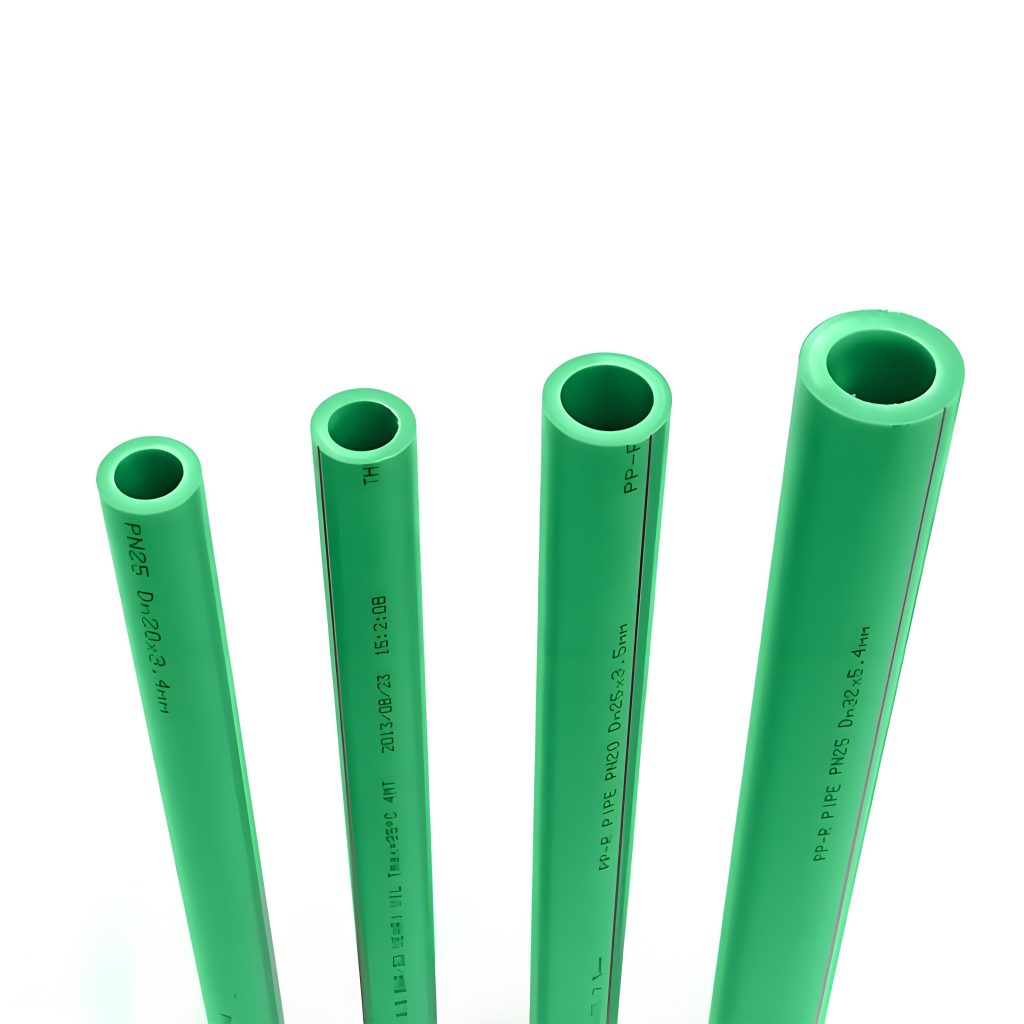
PPR pipes: Green materials that can withstand high temperatures
While PPR pipes are more often used in water supply systems, their heat-resistant, non-toxic and environmentally friendly properties make them stand out in special DWV scenarios.
Core advantages:
- 1. High temperature stability: Can withstand 95 ° C high temperature wastewater (such as laboratory and kitchen drainage) for a long time.
- 2. Ecological safety: Compliant with food-grade standards, suitable for sensitive places such as hospitals and food factories.
- 3. Low coefficient of thermal expansion: reduces pipe deformation caused by temperature differences.
Application scenarios:
- – Hospital high-temperature disinfection wastewater discharge system
- Oily wastewater pipelines in food processing plants
- – Condensate drainage pipes for solar water heaters
Construction tips: Use hot-melt socket connection and precisely control the heating time to avoid tube wall deformation.
PVC DWV Pipe vs PE and PPR Pipes in Drainage Applications
A PVC DWV pipe is mainly designed for standard drainage applications, while PE and PPR pipes serve different project requirements.
PVC is commonly selected for cost-effective drainage networks. PE provides higher flexibility and impact resistance for buried or complex ground conditions. PPR performs better in high-temperature wastewater applications.
The right choice depends on temperature, installation conditions, chemical exposure, and project requirements.
The performance comparison table of the three major pipes
| Indicators | PVC pipes | PE pipe | PPR pipe |
| Temperature range | – 5 ℃ ~ 60 ℃ | – 30 ℃ ~ 60 ℃ | – 20 ℃ ~ 95 ℃ |
| Connection method | Adhesive connection | Hot melt welding | Hot-melt socket |
| Impact resistance | Medium | Extremely High | Medium |
| Typical cost (yuan/m) | 15-30 | 25-50 | 20-40 |
| Best applicable scenarios | Regular drainage | Buried/High cold areas | High-temperature wastewater discharge |
Selection Decision Guide
1. Budget priority items: Choose PVC pipes to reduce initial investment.
2. Geological complex areas: The flexibility of PE pipes can withstand foundation deformation.
3. High-temperature discharge requirements: PPR pipes are essential for the medical/food industry.
Need Expert Advice on Your DWV System?
Whether you require cost-effective PVC DWV pipes, flexible PE solutions for complex terrains, or high-temperature PPR pipes, our engineering team is ready to help. Contact us today for a free project consultation and competitive pricing!
Supplier
Luoyang Datang Energy Tech Co., Ltd. is a leading Chinese manufacturer specializing in high-quality plastic pipes and fittings. Equipped with state-of-the-art automated production lines and supported by a team of 200 professionals, we offer an extensive product line comprising over 150 types of plastic pipes and fittings designed for water supply and drainage systems, gas transmission, and floor heating systems. Our main products include PVC Pipes and Fittings, PE (HDPE) Pipes and Fittings, PPR Pipes and Fittings, and PEX Floor Heating Pipes.
Should you have any inquiries regardingPVC Pipe & PE Pipe in DWV system, please do not hesitate to contact us!
- Tel.:0086-183 3790 0677
- Wechat: 0086-183 3790 0677
- Whatsapp: 0086-183 3790 0677
- Email: sales@pipesandfittings.net
RELATED POSTS
Why PPR pipes and fittings become the ideal choice for indoor water supply in the Middle East, Africa and Southeast Asia hot areas?
What Are The 5 Types Of Pipes?
How Long Water Supply Pipe Stick Out From The Wall

What Is a 2 Way Breeching Inlet Valve and Why Is It Important for Fire Fighting Systems?

High Pressure PVC Pipes vs HDPE Pipes: Choosing the Right Pressure Pipe for Water Supply Systems