LUOYANG CAME ENERGY TECH CO., LTD

Awọn paipu PPR ile-iṣẹ Ni Media Kemikali ati Gbigbe Omi Ilana
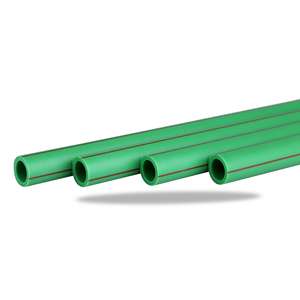
Ni awọn oju iṣẹlẹ ile-iṣẹ, Awọn paipu PPR are an economical choice for many cooling water and process water delivery systems due to advantages such as corrosion resistance, irorun ti fifi sori, and low thermal conductivity. This article provides engineering selection and risk control recommendations in terms of material properties, chemical compatibility assessment, typical applications, design and maintenance points.
1. Material properties and Applicable Boundaries
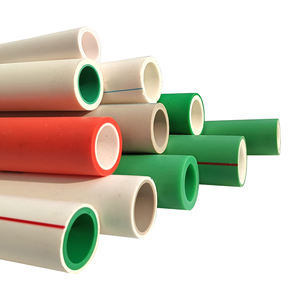
PPR (polypropylene copolymer) is chemically inert, has good corrosion resistance and low thermal conductivity, and is suitable for transporting aqueous media and weak acid and weak base solutions. It has the advantages of a smooth inner wall, less scaling, reliable heat fusion connection, and easy factory prefabrication and on-site assembly. Sibẹsibẹ, PPR is sensitive to certain organic solvents, strong oxidants and aromatic hydrocarbons and cannot be directly used for transporting media that have adverse reactions with the material.
2. Chemical compatibility assessment process
Compatibility assessment must be conducted before considering PPR for industrial liquids: clearly define medium composition, concentration, temperature and long-term contact time; Consult a chemical compatibility table or commission a laboratory to conduct immersion aging tests (mechanical properties, hardness and appearance changes); For media in question, alternative materials (such as PVDF, PP-HM or metal) or additional lining treatment should be used.
3. Typical Operating conditions and application Scenarios
Cooling water circulation: Normal-temperature or low-temperature cooling water circuits, PPR is widely used due to its low cost and anti-scaling properties.
Process water and rinse water: Potable water grade or industrial water delivery is required, with emphasis on hygiene and scouring resistance.
Piping for non-corrosive chemicals: May be considered in scenarios where low concentrations of chemicals have been confirmed for compatibility.
HVAC low-temperature circuits and cooling tower bypasses (note UV and outdoor protection).
4. Key points for design and selection
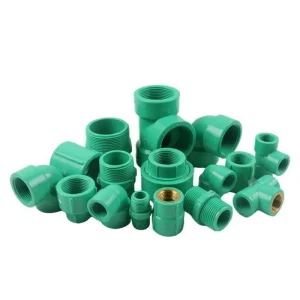
Select the corresponding PN/SDR class according to the maximum operating temperature and design pressure; For thermal conditions, leave expansion compensation, appropriate support and hanger spacing, and fixing methods; Select matching PPR fittings and valves to avoid the risk of leakage caused by direct friction between different materials. For conditions that require high-temperature resistance or prolonged exposure, prefer a higher grade of PPR or consider metal/engineering plastic alternatives.
5. Ikole, Pressure Testing and Maintenance
On-site construction should follow the hot melt operation specifications and conduct pressure holding tests, and keep records for quality traceability. Inspection files should be established during the operation period, with a focus on monitoring temperature, pressure fluctuations and changes in medium composition. For systems that are prone to degradation or contain solvents, shorten maintenance intervals and prepare contingency plans for leaks.
6. Risk Control and Compliance Recommendations
Unverified PPR applications should be absolutely avoided in cases involving toxic, organic solvents or strong oxidizing media. Material compatibility reports, third-party testing, or small sample scenario tests should be completed in advance of the project to ensure long-term operational safety and compliance.
If you have specific operating parameters (medium composition, otutu, titẹ), I can help you with the initial compatibility screening and provide suggestions for PPR and alternative material selection to reduce engineering risks and save costs.
Olupese
Awọn iṣiro ti ile-iṣẹ Luoyang Datang Energy Tech Co., Ltd., Ltd. jẹ olupese ti Ilu Kannada ti o ṣe amọja ni awọn paipu ṣiṣu to gaju ati awọn ohun elo. Ni ipese pẹlu ipinle-ti-ti-aworan aládàáṣiṣẹ gbóògì ila ati atilẹyin nipasẹ kan egbe ti 200 awọn ọjọgbọn, ti a nse ohun sanlalu ọja laini ni ninu 150 types of plastic pipes and fittings designed for water supply and drainage systems, gaasi gbigbe, ati pakà alapapo awọn ọna šiše. Awọn ọja akọkọ wa pẹlu Awọn paipu PVC ati Awọn Fittings, PE (HDPE) Paipu ati Fittings, PPR Pipes ati Fittings, ati PEX Floor Alapapo Pipes.
Ti o ba ni awọn ibeere eyikeyi nipa awọn paipu PPR,Awọn falifu idẹ ati awọn ohun elo idẹ, jọwọ ma ṣe ṣiyemeji lati kan si wa!
Tẹli.:0086-183 3790 0677
Wechat: 0086-183 3790 0677
Whatsapp: 0086-183 3790 0677
Imeeli: sales@pipesandfittings.net
Awọn ifiweranṣẹ ti o jọmọ
Polypropylene ID Copolymer PPR Pipes:Ile-Dimu Omi Ipese System
Maṣe padanu aye nla lati kọ ẹkọ nipa awọn paipu PE ati jẹ ki awọn paipu PE pade eto opo gigun ti gaasi rẹ.

Bii o ṣe le Yan Atẹgun Erogba Irin Hydraulic Ball Valve fun Awọn Eto Iṣakoso Sisan Iṣelọpọ
Idena Ipata Pipeline Ile-iṣẹ: Pipe Itọsọna fun Omi Systems
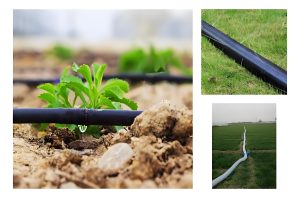
PE Pipe Vs PVC Pipe ni Irigeson Agricultural: Ifiwera Analysis