


LUOYANG CAME ENERGY TECH CO., LTD

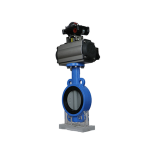
Pneumatic Actuated Wafer Labalaba àtọwọdá | 304 Irin ti ko njepata | Irin Lile Igbẹhin | DN50-DN1200


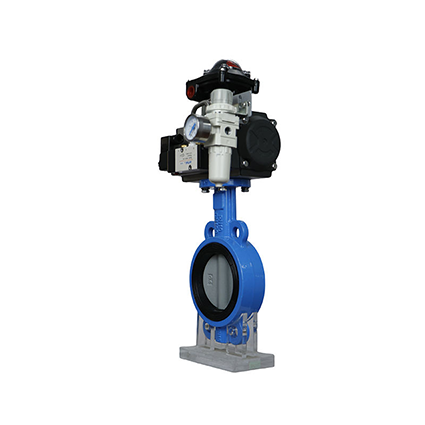
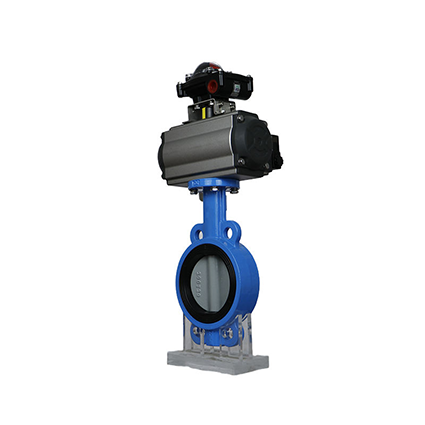
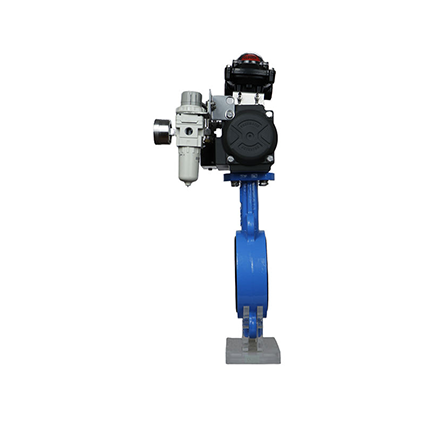



Ọja parameters
Apejuwe
ọja Akopọ
AwọnPneumatic Actuated Wafer Labalaba àtọwọdá is a high-performance flow control valve designed for reliable on/off and modulating service in demanding industrial piping systems. Manufactured with a 304 stainless steel disc and a rugged metal hard seal construction, this valve provides exceptional durability, ipata resistance, and bubble-tight shut-off across a wide range of media including water, afefe, gaasi, epo, steam, ati awọn kemikali. The wafer-type body with compact design installs easily between flanges, requiring minimal space and reducing installation costs. Equipped with a high-performance pneumatic actuator, this valve delivers fast response, precise control, and reliable operation in automated systems. Available in sizes from DN50 to DN1200 (2″ si 48″) with a wide temperature range from -40°C to +600°C, this valve is suitable for a broad spectrum of applications including chemical processing, epo & gaasi, agbara iran, omi itọju, ati HVAC awọn ọna šiše. It is the trusted choice for engineers and plant operators worldwide.
Pneumatic Actuated Wafer Labalaba àtọwọdá
Imọ ni pato
| Paramita | Sipesifikesonu |
|---|---|
| Orukọ ọja | Pneumatic Actuated Wafer Labalaba àtọwọdá |
| Àtọwọdá Iru | Wafer Butterfly Valve |
| Ohun elo Disiki | 304 Irin ti ko njepata / 316 / 316L / Aluminum Bronze (iyan) |
| Ohun elo ara | Irin ductile / Cast Steel / Irin ti ko njepata / Duplex Steel (iyan) |
| Stem Material | Irin ti ko njepata 420 / 316 / 316L |
| Seat / Liner Material | Irin Lile Igbẹhin / EPDM / NBR / PTFE / Viton (iyan) |
| Iwọn Iwọn | DN50 – DN1200 (2″ si 48″) |
| Titẹ Rating | PN10 / PN16 / PN25 / Kilasi 150 / Kilasi 300 |
| Temperature Range | -40°C to +600°C (Depends on Seat Material) |
Pneumatic Actuated Wafer Labalaba àtọwọdá
Key Awọn ẹya ara ẹrọ
- 304 Stainless Steel Disc – Superior Corrosion Resistance
- Metal Hard Seal – High Temperature & Wear Resistant
- Pneumatic Actuator – Fast Response & Reliable Control
- Wafer Type Design – Compact & Space-Saving
- Wide Temperature Range – -40°C to +600°C
- Multiple Material Options – Customizable
- ISO 5211 Mounting – Standard Actuator Interface
Ilana Ṣiṣẹ
The pneumatic actuated butterfly valve operates through a simple yet reliable mechanism:
- 1. Actuator Operation: Compressed air is supplied to the pneumatic actuator. For double-acting actuators, air enters one side to open the valve and the other side to close it. For spring-return actuators, the valve is opened or closed by air pressure and returns to the fail-safe position when air supply is lost.
- 2. Valve Operation: The actuator drives the stem, which rotates the disc 90° from fully closed to fully open. The disc provides bi-directional sealing against the seat.
- 3. Control Options: The valve can be controlled by a solenoid valve (on/off control) or a positioner (modulating control with 4-20mA or 0-10V signal).
Pneumatic Actuated Wafer Labalaba àtọwọdá
Awọn ohun elo
- Chemical Processing
- Epo & Gaasi Pipelines
- Power Generation
- Omi & Itoju Omi Idọti
- HVAC & District Heating
Iṣakojọpọ ati Gbigbe
Iṣakojọpọ da lori iru ọja ati opoiye. Options include wooden crates or carton boxes with proper protection for actuator and valve body. Sowo le ti wa ni idayatọ nipasẹ okun, oko oju irin, afefe, tabi gẹgẹbi ibeere alabara.
Pneumatic Actuated Wafer Labalaba àtọwọdá
Ifihan ile ibi ise
Awọn iṣiro ti ile-iṣẹ Luoyang Datang Energy Tech Co., Ltd., Ltd is a professional industrial valve supplier, dedicated to providing reliable flow control solutions for chemical, epo & gaasi, agbara iran, omi itọju, HVAC, ati ise fifi ọpa awọn ọna šiše agbaye. Gbogbo awọn ọja ti wa ni ti ṣelọpọ si okeere awọn ajohunše pẹlu CE ati ISO 9001 awọn iwe-ẹri. Pẹlu lori 10 ọdun ti ni iriri, a igbalode apo ti 80,000 m², ati 200+ ọjọgbọn abáni, a sin onibara ni 10+ awọn orilẹ-ede pẹlu didara awọn ọja, ifigagbaga ifowoleri, ati ifijiṣẹ ti o gbẹkẹle.
Awọn ofin sisan
T/T, L / C ni oju, Western Union, PayPal, Apple Pay, Google Pay, Kaddi kirediti, ati be be lo.
Pneumatic Actuated Wafer Labalaba àtọwọdá
FAQs
Q1: What is the difference between pneumatic and electric actuators?
A: Pneumatic actuators are driven by compressed air, offering fast response, high thrust, and excellent explosion-proof capabilities; they are suitable for hazardous areas and frequent operation. Electric actuators are powered by electricity, offering higher precision and eliminating the need for an air supply; they are suitable for locations lacking compressed air systems. The choice depends on on-site air supply conditions and control precision requirements.
Q2: What is the difference between metal-to-metal (hard) sealing and soft sealing?
A: Metal-to-metal sealing utilizes metal-on-metal contact, capable of withstanding temperatures up to 600°C; it is wear- and corrosion-resistant, making it suitable for high-temperature steam, hot oil, ati abrasive media. Soft sealing (EPDM/PTFE/Viton) provides bubble-tight sealing but has a limited temperature range (typically ≤200°C). The choice depends on the medium’s temperature, titẹ, and corrosiveness.
Q3: Do pneumatic actuators support explosion-proof requirements?
A: Bẹẹni. Pneumatic actuators do not generate electrical sparks and are inherently explosion-proof. When paired with explosion-proof solenoid valves and positioners, the entire valve assembly meets explosion-proof zone requirements (Exd/Exia), making it suitable for hazardous environments such as petrochemical plants.
Q4: How is automated control achieved with pneumatic butterfly valves?
A: Pneumatic butterfly valves achieve on/off control via solenoid valves and modulating control via positioners (using 4-20mA or 0-10V signals). The system consists of an air preparation unit (filter-regulator + lubricator), a solenoid valve or positioner, and a pneumatic actuator, allowing for seamless integration into DCS, PLC, and SCADA systems.
Q5: What is the difference between wafer-style and lug-style butterfly valves?
A: Wafer-style butterfly valves are installed between two flanges using through-bolts; they are compact, fẹẹrẹfẹ, ati iye owo-doko. Lug-style butterfly valves feature threaded lugs on both sides, allowing them to be bolted individually to flanges; this supports single-sided isolation, enabling the removal of downstream piping without draining the system. The choice depends on installation space and maintenance requirements.
Pneumatic Actuated Wafer Labalaba àtọwọdá
BERE ORO
Awọn ọja ti o jọmọ

Idẹ Aifọwọyi leefofo àtọwọdá BSP O tẹle DN15-DN50 | Omi Ipele Iṣakoso àtọwọdá
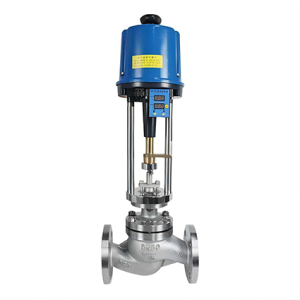
Electric Nya otutu Iṣakoso àtọwọdá | Ara-ṣiṣẹ Electric otutu Regulating àtọwọdá | DN25-DN300 | -20°C si 450°C
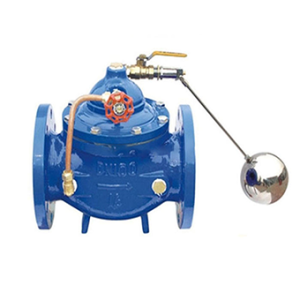
Irin Alagbara Irin Hydraulic Foat Valve DN50-DN200 Laifọwọyi Ipele Iṣakoso Ipele Omi Omi
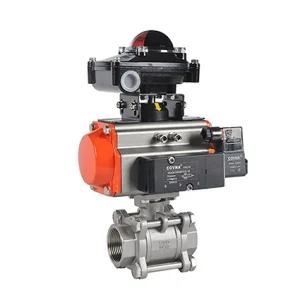
3-Nkan 1000 WOG Alagbara Irin Pneumatic Ball àtọwọdá | 2-Ọna | 1/4″-4″ | CE / RoHS Ifọwọsi
