LUOYANG DATANG ENERGY TECH CO.,LTD

Global Pipeline Demand Outlook 2026: Infrastructure, Oil & Gas, and Energy Transition Driving High-Performance Pipe Materials
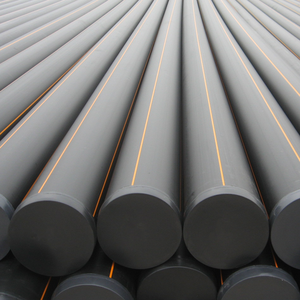
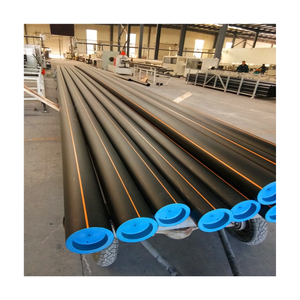
As global energy systems evolve and infrastructure investment accelerates, the pipeline industry is entering a new phase of structural demand growth. From long-distance oil and gas transmission to urban heating networks and hydrogen-ready systems, pipeline applications are becoming more complex and performance-driven.
In 2026, three major forces are shaping the industry:
- Stable demand from oil & gas and infrastructure sectors
- Rising efficiency requirements under energy transition policies
- Increasing adoption of high-performance materials and smart systems
This article provides a deep technical and market-oriented analysis of these trends.
2026 Oil and Gas Pipeline Construction Demand Outlook
The global oil and gas pipeline construction market is expected to remain an important driver of steel pipe demand in 2026.
Although energy transition is accelerating, traditional oil and gas infrastructure continues to require large-scale pipeline networks for transportation, storage, and distribution.
New pipeline construction projects are mainly focused on:
- Long-distance crude oil and natural gas transmission
- LNG infrastructure expansion
- Regional energy security projects
- Pipeline replacement and modernization
Steel remains the dominant material for high-pressure transmission pipelines because of its strength, durability, and ability to withstand demanding operating conditions.

Aerial view of long-distance oil and gas transmission pipeline winding through mountain terrain with valve stations, representing global energy infrastructure construction in 2026
1. Stable Demand from Infrastructure and Energy Sectors
1.1 Long-Distance Oil & Gas Pipelines: Reliability is Critical
Oil and gas transmission pipelines remain one of the largest consumers of industrial pipes globally. These systems operate under extreme conditions:
| Parameter | Typical Requirement |
|---|---|
| Pressure | Up to 15 MPa or higher |
| Temperature | -40°C to 120°C |
| Corrosion Resistance | High (CO₂, H₂S environments) |
| Service Life | 30–50 years |
Key technical challenges include:
- Stress corrosion cracking (SCC)
- Hydrogen-induced cracking (HIC)
- Internal erosion from multiphase flow
To address these issues, advanced materials are increasingly adopted:
- High-grade steels (API 5L X70/X80/X100)
- Corrosion-resistant alloys (CRA)
- Internal coatings (epoxy, polyethylene)
1.2 Steel Pipe Demand in Oil and Gas Pipeline Construction
Steel pipes continue to represent a major material category in oil and gas pipeline construction.
Large transmission projects require high-strength steel grades to handle:
- High internal pressure
- Extreme temperature changes
- Long-distance transportation requirements
Commonly used materials include:
| Steel Grade | Application |
|---|---|
| API 5L X52/X60 | Regional transmission pipelines |
| API 5L X65/X70 | High-pressure long-distance pipelines |
| X80/X100 | Advanced large-scale projects |
The demand for high-performance steel pipes is closely linked to global energy infrastructure investment and pipeline modernization programs.
1.3 Urban Gas and District Heating Networks
Urbanization continues to drive demand for:
- Natural gas distribution pipelines
- District heating systems
- Underground utility networks
These applications require:
- Leak-proof performance
- Ease of installation
- Long-term durability
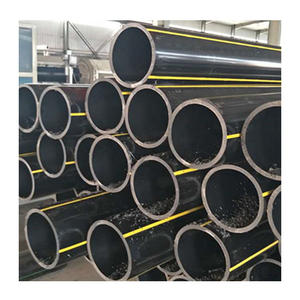
High-density polyethylene (HDPE) and pre-insulated steel pipes are widely used due to:
- Excellent corrosion resistance
- Flexibility for trenchless installation
- Low lifecycle cost
1.4 Industrial Pipeline Systems
In industries such as petrochemical, metallurgy, and power generation:
- Pipelines transport steam, chemicals, and process fluids
- Require high temperature resistance and chemical stability
Typical materials include:
- Stainless steel (304/316L)
- Alloy steel (P11, P22)
- Composite pipes (FRP)
2. Energy Transition Driving Efficiency and Innovation
2.1 Hydrogen and Low-Carbon Pipeline Systems
With the rise of hydrogen energy, pipelines must adapt to new challenges:
| Challenge | Impact |
|---|---|
| Hydrogen embrittlement | Weakens steel structure |
| Leakage risk | Smaller molecule size |
| Material compatibility | Requires special alloys |
Solutions include:
- Hydrogen-compatible steel grades
- Polymer-lined pipes
- Fiber-reinforced composite pipes
2.2 Compressor and Pipeline System Optimization
Pipeline efficiency is increasingly linked to compressor systems and digital monitoring.
Industry events such as oil & gas technology forums highlight:
- AI-based flow optimization
- Smart sensors for leak detection
- Predictive maintenance systems
These technologies help:
- Reduce energy consumption
- Improve operational safety
- Extend pipeline lifespan
2.3 Carbon Capture and Storage (CCS) Pipelines
CCS infrastructure is becoming a new growth segment.
CO₂ pipelines require:
- Resistance to corrosive carbonic acid
- High-pressure design (supercritical CO₂)
- Strict safety standards
Materials used:
- Carbon steel with internal coatings
- Corrosion-resistant alloys
3. Material Innovation Trends in Pipeline Industry
3.1 Shift Toward High-Performance Materials
Compared with traditional materials, modern pipeline systems increasingly adopt:
| Material | Advantages |
|---|---|
| HDPE | Flexible, corrosion-resistant |
| FRP (Fiberglass Reinforced Plastic) | Lightweight, long lifespan |
| Stainless Steel | High strength, corrosion resistance |
| Composite Pipes | Multi-layer performance |

Comparison sample display of high-performance pipeline materials including carbon steel, 3PE coated steel, HDPE, and stainless steel for industrial selection
3.2 Lifecycle Cost Optimization
Instead of focusing only on initial cost, buyers now consider:
- Maintenance cost
- Energy efficiency
- Replacement cycles
This shift favors:
- Durable materials
- Smart monitoring systems
- Modular pipeline design
3.3 Pipeline Construction Trends in 2026
In 2026, pipeline construction will focus not only on expansion but also on improving efficiency, safety, and lifecycle performance.
Major trends include:
- Replacement of aging pipeline networks
- Adoption of corrosion-resistant materials
- Digital monitoring of pipeline operation
- Integration of low-carbon energy systems
Material selection will increasingly depend on total lifecycle cost rather than initial purchase price.
4 Future Outlook
The pipeline industry will continue evolving toward:
- Smart pipelines (IoT-enabled)
- Low-carbon materials
- Hydrogen-ready infrastructure
- Digital twins and predictive analytics
Regions with strong growth potential:
- Middle East (energy infrastructure expansion)
- Africa (urban gas + electrification)
- Southeast Asia (industrialization)
The global pipeline industry is no longer just about transportation—it is about efficiency, sustainability, and resilience.
With stable demand from traditional sectors and new opportunities from energy transition, companies that invest in:
- Advanced materials
- Smart systems
- Energy-efficient solutions
will gain a significant competitive advantage in the global market.

Smart pipeline valve station with IoT wireless sensors and digital monitoring screen showing hydrogen-ready infrastructure and flow optimization technology
Need Reliable Pipeline Material Solutions?
Choosing the right pipe material is essential for long-term pipeline performance.
Luoyang Datang Energy Tech Co.Ltd is a leading Chinese manufacturer specializing in high-quality plastic pipes and fittings. Equipped with state-of-the-art automated production lines and supported by a team of 200 professionals, we offer an extensive product line comprising over 150 types of plastic pipes and fittings designed for water supply and drainage systems, gas transmission, and floor heating systems. Our main products include PVC Pipes and Fittings, PE (HDPE) Pipes and Fittings, PPR Pipes and Fittings, and PEX Floor Heating Pipes.
Our team supports customers with material selection, product specifications, and customized pipeline solutions for different projects. Contact us for professional pipeline solutions.
RELATED POSTS

Advantages and Applications of PPR pipes and Fittings in Home Decoration
HDPE Pipe Sizes and Dimensions Guide: Diameter, SDR, Pressure Rating and Selection Tips

PPR Pipe vs 304 Stainless Steel,Which is Safety?
Choosing the Right HDPE Pipe Fittings for Pressure Pipeline Systems
Why PPR Pipes and Fittings are the Ultimate Choice for Modern Water Supply Systems?