LUOYANG VINO ENERGÍA TECH CO., LTD

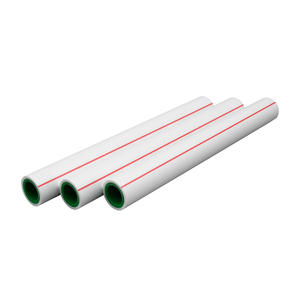
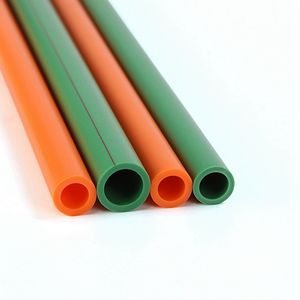
Polypropylene PPR Pipe HDPE PP Pipe Hot Cold Water Pipe
PARÁMETROS DEL PRODUCTO
Descripción
Introducción dePolypropylene PPR Pipe HDPE PP Pipe Hot Cold Water Pipe
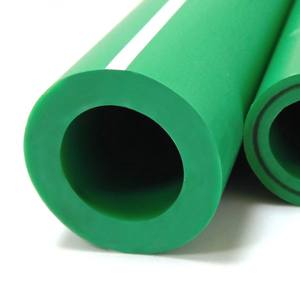
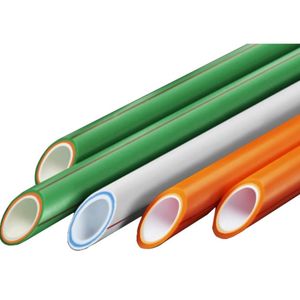
tubo de ppr (nombre completo Tubería de copolímero aleatorio de polipropileno, Es un tubo de plástico de alto rendimiento fabricado con materias primas de polipropileno copolímero aleatorio de alta calidad.. Debido a su alta resistencia a la temperatura, resistencia a la presión, protección del medio ambiente y no toxicidad, Es ampliamente utilizado en la construcción de sistemas de agua fría y caliente., ingeniería climatización, Transporte de agua potable y transmisión de fluidos industriales., y es un sustituto ideal de los tradicionales tubos metálicos..
Characteristics and Features of Polypropylene PPR Pipe HDPE PP Pipe Hot Cold Water Pipe
Resistencia a altas temperaturas y altas presiones
La temperatura de trabajo a largo plazo puede alcanzar los 70°C., Resistencia a altas temperaturas a corto plazo hasta 95°C., excelente rendimiento de soporte de presión (nivel de presión común PN20, PN25).
Protección del medio ambiente y salud
Las materias primas son puras y no tóxicas., cumplir con los estándares de agua potable (como la FDA, EN ISO y otras certificaciones), no criar bacterias, y garantizar la seguridad de la calidad del agua..
Corrosión y antical
Resistencia a ácidos y álcalis, fuerte resistencia a la corrosión química, pared interior lisa, no es fácil de escalar, uso a largo plazo de flujo estable.
Conexión termofusible, sellado fuerte
Adopción de tecnología de encaje termofusible, no hay riesgo de fugas en la conexión, Y la estructura integrada mejora la confiabilidad del sistema..
Ligero y fácil de construir
El peso es solo 1/8 del de los tubos metálicos, lo cual es conveniente para el transporte y la instalación, reduciendo los costos laborales.
Larga vida y bajo mantenimiento
La vida útil diseñada es más que 50 años, sin mantenimiento, y el costo total es bajo.
Ahorro de energía y preservación del calor.
La conductividad térmica es baja. (solo 1/200 de tubos metálicos), que reduce la pérdida de calor y es adecuado para sistemas de agua caliente.
(Polypropylene PPR Pipe HDPE PP Pipe Hot Cold Water Pipe)
Specifications of Polypropylene PPR Pipe HDPE PP Pipe Hot Cold Water Pipe
Here’s the product content about polypropylene pipes:
Polypropylene pipes are common for water systems. PPR pipes handle hot and cold water well. They manage high temperatures smoothly. Boiling water won’t damage them. PPR pipes resist scale buildup inside. This keeps water flow consistent over time. They are strong against chemicals too. These pipes last a very long time. Installation is straightforward with heat fusion. This creates leak-proof joints. The pipe and fitting melt together. The connection becomes as strong as the pipe itself.
HDPE pipes are another polypropylene type. They are very tough and flexible. HDPE handles high pressure reliably. These pipes resist cracks and impacts. They work underground or above ground. HDPE is good for cold water supply. It also suits irrigation systems. HDPE pipes join using butt fusion or electrofusion. Both methods ensure solid seals. HDPE won’t rot or corrode.
General PP pipes are versatile. They work for many water applications. PP pipes are lightweight and easy to handle. They are simple to cut and install. These pipes resist corrosion completely. Rust is never a problem. They handle both hot and cold water. PP pipes are affordable. They offer good value. Common sizes are DN20, DN25, DN32, DN40, DN50, DN63, DN75, DN90, DN110. Pressure ratings include PN10, PN16, PN20, PN25. Temperature range is typically -20°C to 95°C. The pipes are smooth inside. This reduces friction loss. Water pressure stays higher. Flow rates are better. They are environmentally friendly. Recycling is possible. Maintenance needs are low.

(Polypropylene PPR Pipe HDPE PP Pipe Hot Cold Water Pipe)
Applications of Polypropylene PPR Pipe HDPE PP Pipe Hot Cold Water Pipe
Polypropylene pipes, especially PPR and HDPE types, are essential for modern plumbing and industrial systems. These pipes reliably move hot and cold water. They offer significant advantages over traditional metal pipes. PPR pipes are perfect for hot and cold water supply inside buildings. They handle high temperatures well. Hot water won’t damage them. Cold water flows smoothly too. These pipes resist corrosion completely. Rust and scale buildup inside are non-issues. This keeps water clean and safe. You avoid contamination risks. Water quality stays high for drinking.
HDPE pipes are tough and flexible. They are great for main water lines underground. They handle pressure changes easily. You don’t worry about cracks or breaks. Their flexibility helps them absorb ground movement. They are also excellent for transporting chemicals. Many industrial fluids won’t harm them. Factories use them for process lines. They are safe for carrying acids and alkalis. Farms use them for irrigation systems. They last many years under the sun. They resist UV damage well.
Both PPR and HDPE pipes install quickly. Workers fuse them together using heat. This creates seamless, leak-proof joints. You get a continuous, strong pipeline. Installation is simpler than threading metal pipes. You save time and labor costs. These pipes are very light. Moving and handling them is easy. They cut cleanly with simple tools. Their smooth inner surface reduces friction. Water flows faster with less pump power needed. You save energy costs over time. They are also very quiet. Water moving through them makes little noise.
These pipes are incredibly durable. They last decades without problems. You avoid frequent replacements. They withstand freezing conditions better than metal. Freezing water is less likely to burst them. Maintenance needs are minimal. You rarely need repairs. This reliability makes them cost-effective long-term. They are trusted worldwide for water systems. Builders and engineers choose them for new projects. They work well for home plumbing and large factories. They perform reliably even underground.
Embalaje y envío
Depende de los productos y la cantidad.,Podríamos hacer el embalaje de bobinado.,rollos,embalaje del paquete,cajones o cajas,etc..
Envío:Por mar,ferrocarril,Por vía aérea o a petición del cliente..
Perfil de la empresa
Luoyang Datang Energy Tech Co., Limitado. es un fabricante chino líder que se especializa en tuberías y accesorios de plástico de alta calidad.. Equipado con líneas de producción automatizadas de última generación y respaldado por un equipo de 200 profesionales, Ofrecemos una extensa línea de productos que comprende más de 150 tipos de tuberías y accesorios de plástico diseñados para sistemas de suministro de agua y drenaje, transmisión de gas, y sistemas de calefacción por suelo radiante. Nuestros principales productos incluyen tuberías y accesorios de PVC., educación física (PEAD) Tuberías y accesorios, Tuberías y accesorios de PPR, y tuberías de calefacción por suelo radiante PEX.
Si tiene alguna pregunta sobre la instalación de tuberías de HDPE, por favor no dude en contactarnos!
Telf.:0086-183 3790 0677
chatear: 0086-183 3790 0677
Whatsapp: 0086-183 3790 0677
Correo electrónico: ventas@pipesandfittings.net
Condiciones de pago
T/T,L/C a la vista,Western Union & PayPal,etc..
5 FAQs of Polypropylene PPR Pipe HDPE PP Pipe Hot Cold Water Pipe
¿Para qué se utilizan las tuberías de PPR??
PPR pipes carry hot and cold water in homes and buildings. They work for drinking water systems and heating setups. These pipes are common in bathrooms and kitchens.
Why pick PPR pipes over metal pipes?
PPR pipes don’t rust or corrode like metal. Metal pipes get mineral buildup inside. PPR stays smooth inside for years. This keeps water flowing well. PPR is also lighter and easier to install.
¿Pueden las tuberías de PPR soportar agua caliente??
Sí. PPR pipes handle water up to 95°C. They won’t melt or warp at normal heating temperatures. They’re safe for hot water lines from boilers or solar heaters.
How are PPR pipes connected?
Use heat fusion. Heat the pipe end and the fitting. Empujarlos juntos. The melted plastic bonds as it cools. This makes a solid, leak-free joint. No glue or threads are needed.
What’s the difference between PPR and HDPE pipes?
PPR is for indoor plumbing and heating systems. HDPE is tougher. HDPE handles outdoor and buried uses like main water lines. PPR resists heat better. HDPE bends more easily for long underground runs.

(Polypropylene PPR Pipe HDPE PP Pipe Hot Cold Water Pipe)
SOLICITAR COTIZACIÓN
PRODUCTOS RELACIONADOS
PP Homo Polymer/Random Copolymer Polypropylene/HDPE/LDPE/LLDPE/ABS/PET/PE100
Factory Customization Irrigation Agricultural Water Pipe Roll Hdpe Pipe
Customized PP Flame Retardant Corrugated Pipe Electrical Plastic Flexible Conduit
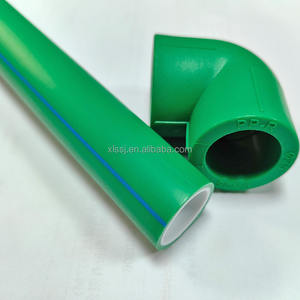
PPR Pipe Polypropylene Plumbing Plastic PPR Tubes for Hot Cold Water
Tubo verde PPR del tubo 20-160m m del polipropileno del estruendo GB del agua púrpura directa ISO