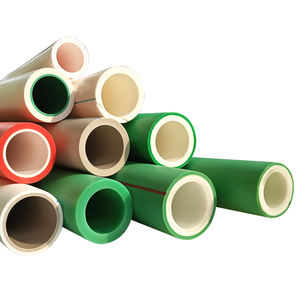
LUOYANG CAME ENERGY TECH CO., LTD

Chitoliro cha Polypropylene PPR Chitoliro cha HDPE PP Chitoliro Chotentha cha Madzi Ozizira
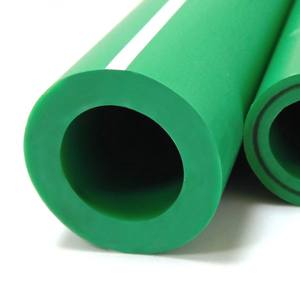
PRODUCT PARAMETERS
Kufotokozera
Chiyambi chaChitoliro cha Polypropylene PPR Chitoliro cha HDPE PP Chitoliro Chotentha cha Madzi Ozizira
Mtengo wa PPR (dzina lonse la Polypropylene Random Copolymer Pipe, ndi chitoliro cha pulasitiki chapamwamba kwambiri chopangidwa ndi zida zapamwamba zachisawawa za copolymer polypropylene. Chifukwa cha kukana kwake kutentha kwambiri, kukana kuthamanga, chitetezo cha chilengedwe komanso kusakhala kawopsedwe, amagwiritsidwa ntchito kwambiri pomanga machitidwe a madzi otentha ndi ozizira, HVAC engineering, zoyendera madzi akumwa ndi kufala kwa madzimadzi a m'mafakitale, ndipo ndi yabwino m'malo miyambo zitsulo mapaipi.
Characteristics and Features of Polypropylene PPR Pipe HDPE PP Pipe Hot Cold Water Pipe
Kutentha kwakukulu ndi kukana kuthamanga kwapamwamba
Kutentha kwa nthawi yayitali kumatha kufika 70 ° C, kukana kutentha kwanthawi yayitali mpaka 95 ° C, ntchito yabwino yonyamula kuthamanga (wamba kuthamanga mlingo PN20, PN25).
Chitetezo cha chilengedwe ndi thanzi
Zopangira ndizoyera komanso zopanda poizoni, kukumana ndi miyezo ya madzi akumwa (monga FDA, EN ISO ndi ziphaso zina), musabereke mabakiteriya, ndikuwonetsetsa chitetezo cha madzi abwino.
Kuwonongeka ndi anti-scaling
Acid ndi alkali kukana, amphamvu mankhwala dzimbiri kukana, khoma lamkati losalala, sikophweka kukulitsa, kugwiritsa ntchito nthawi yayitali kokhazikika.
Hot Sungunulani kugwirizana, kusindikiza mwamphamvu
Kutengera ukadaulo wa hot melt socket, palibe chiopsezo cha kutayikira pa kugwirizana, ndipo mawonekedwe ophatikizika amawongolera kudalirika kwadongosolo.
Zopepuka komanso zosavuta kupanga
Kulemera kwake kokha 1/8 wa zitsulo mapaipi, yomwe ndi yabwino mayendedwe ndi kukhazikitsa, kuchepetsa ndalama zogwirira ntchito.
Moyo wautali ndi kusamalira kochepa
Moyo wautumiki wopangidwa ndi woposa 50 zaka, wopanda kukonza, ndipo mtengo wake wonse ndi wotsika.
Kupulumutsa mphamvu ndi kuteteza kutentha
The matenthedwe madutsidwe ndi otsika (kokha 1/200 za zitsulo mapaipi), zomwe zimachepetsa kutentha kwa kutentha ndipo ndizoyenera machitidwe a madzi otentha.
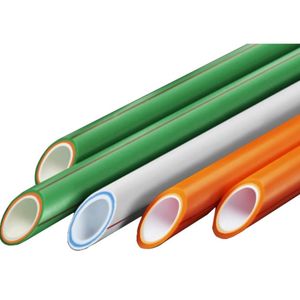
(Chitoliro cha Polypropylene PPR Chitoliro cha HDPE PP Chitoliro Chotentha cha Madzi Ozizira)
Specifications of Polypropylene PPR Pipe HDPE PP Pipe Hot Cold Water Pipe
Here’s the product content about polypropylene pipes:
Polypropylene pipes are common for water systems. PPR pipes handle hot and cold water well. They manage high temperatures smoothly. Boiling water won’t damage them. PPR pipes resist scale buildup inside. This keeps water flow consistent over time. They are strong against chemicals too. Mipope iyi imakhala nthawi yayitali kwambiri. Installation is straightforward with heat fusion. Izi zimapanga malo osagwirizana ndi kutuluka. The pipe and fitting melt together. The connection becomes as strong as the pipe itself.
HDPE pipes are another polypropylene type. They are very tough and flexible. HDPE handles high pressure reliably. These pipes resist cracks and impacts. They work underground or above ground. HDPE is good for cold water supply. It also suits irrigation systems. HDPE pipes join using butt fusion or electrofusion. Both methods ensure solid seals. HDPE won’t rot or corrode.
General PP pipes are versatile. They work for many water applications. PP pipes are lightweight and easy to handle. They are simple to cut and install. These pipes resist corrosion completely. Rust is never a problem. They handle both hot and cold water. PP pipes are affordable. They offer good value. Common sizes are DN20, DN25, DN32, Chithunzi cha DN40, Chithunzi cha DN50, DN63, DN75, DN90, Chithunzi cha DN110. Kupanikizika kumaphatikizapo PN10, PN16, PN20, PN25. Temperature range is typically -20°C to 95°C. Mipope ndi yosalala mkati. Izi zimachepetsa kukangana. Water pressure stays higher. Flow rates are better. They are environmentally friendly. Recycling is possible. Zosowa zosamalira ndizochepa.

(Chitoliro cha Polypropylene PPR Chitoliro cha HDPE PP Chitoliro Chotentha cha Madzi Ozizira)
Applications of Polypropylene PPR Pipe HDPE PP Pipe Hot Cold Water Pipe
Polypropylene pipes, especially PPR and HDPE types, are essential for modern plumbing and industrial systems. These pipes reliably move hot and cold water. They offer significant advantages over traditional metal pipes. PPR pipes are perfect for hot and cold water supply inside buildings. Amatha kutentha kwambiri. Madzi otentha sangawawononge. Cold water flows smoothly too. These pipes resist corrosion completely. Rust and scale buildup inside are non-issues. Izi zimapangitsa kuti madzi azikhala aukhondo komanso otetezeka. You avoid contamination risks. Water quality stays high for drinking.
HDPE pipes are tough and flexible. They are great for main water lines underground. They handle pressure changes easily. You don’t worry about cracks or breaks. Their flexibility helps them absorb ground movement. They are also excellent for transporting chemicals. Many industrial fluids won’t harm them. Factories use them for process lines. They are safe for carrying acids and alkalis. Mafamu amawagwiritsa ntchito ngati ulimi wothirira. They last many years under the sun. They resist UV damage well.
Both PPR and HDPE pipes install quickly. Workers fuse them together using heat. Izi zimapangitsa kuti zikhale zosavuta, maulumikizidwe osadukiza. You get a continuous, strong pipeline. Installation is simpler than threading metal pipes. You save time and labor costs. Mipope iyi ndi yopepuka kwambiri. Kuwasuntha ndi kuwagwira ndikosavuta. They cut cleanly with simple tools. Malo awo osalala amkati amachepetsa kukangana. Water flows faster with less pump power needed. You save energy costs over time. They are also very quiet. Water moving through them makes little noise.
These pipes are incredibly durable. They last decades without problems. You avoid frequent replacements. They withstand freezing conditions better than metal. Freezing water is less likely to burst them. Zosowa zosamalira ndizochepa. You rarely need repairs. This reliability makes them cost-effective long-term. They are trusted worldwide for water systems. Builders and engineers choose them for new projects. They work well for home plumbing and large factories. They perform reliably even underground.
Kulongedza ndi Kutumiza
Zimatengera malonda ndi qty,tikhoza kupanga coiling,mipukutu,kulongedza katundu,mabokosi kapena mabokosi,ndi zina.
Kutumiza:Panyanja,njanji,ndi ndege kapena ngati pempho la kasitomala.
Mbiri Yakampani
Malingaliro a kampani Luoyang Datang Energy Tech Co., Ltd. ndi otsogola ku China wopanga okhazikika mu mapaipi apamwamba apulasitiki ndi zowotchera. Zokhala ndi mizere yopangira makina apamwamba kwambiri komanso yothandizidwa ndi gulu la 200 akatswiri, timapereka mzere wochulukira wazogulitsa womwe uli ndi over 150 mitundu ya mapaipi apulasitiki ndi zopangira zopangira madzi ndi ngalande, kufalitsa gasi, ndi machitidwe otenthetsera pansi. Zogulitsa zathu zazikulu zikuphatikiza mapaipi a PVC ndi Zopangira, PE (Zithunzi za HDPE) Mapaipi ndi Zopangira, Mapaipi a PPR ndi Zopangira, ndi PEX Floor Heating mapaipi.
Ngati muli ndi mafunso okhudza HDPE Pipe Fitting, chonde musazengereze kulumikizana nafe!
Tel.:0086-183 3790 0677
Wechat: 0086-183 3790 0677
Whatsapp: 0086-183 3790 0677
Imelo: [email protected]
Malipiro Terms
T/T,L / C pakuwona,Western Union & Paypal,ndi zina.
5 FAQs of Polypropylene PPR Pipe HDPE PP Pipe Hot Cold Water Pipe
Kodi mapaipi a PPR amagwiritsidwa ntchito chiyani?
PPR pipes carry hot and cold water in homes and buildings. They work for drinking water systems and heating setups. These pipes are common in bathrooms and kitchens.
Chifukwa chiyani musankhe mapaipi a PPR pa mapaipi achitsulo?
PPR pipes don’t rust or corrode like metal. Metal pipes get mineral buildup inside. PPR stays smooth inside for years. This keeps water flowing well. PPR is also lighter and easier to install.
Kodi mapaipi a PPR angagwire madzi otentha?
Inde. PPR pipes handle water up to 95°C. They won’t melt or warp at normal heating temperatures. They’re safe for hot water lines from boilers or solar heaters.
How are PPR pipes connected?
Gwiritsani ntchito kutentha fusion. Kutenthetsa chitoliro kumapeto ndi koyenera. Kankhani pamodzi. The melted plastic bonds as it cools. Izi zimapangitsa olimba, cholumikizira chopanda kutayikira. No glue or threads are needed.
What’s the difference between PPR and HDPE pipes?
PPR is for indoor plumbing and heating systems. HDPE is tougher. HDPE handles outdoor and buried uses like main water lines. PPR resists heat better. HDPE bends more easily for long underground runs.

(Chitoliro cha Polypropylene PPR Chitoliro cha HDPE PP Chitoliro Chotentha cha Madzi Ozizira)
PEMBANI MFUNDO
ZOKHUDZANA NAZO
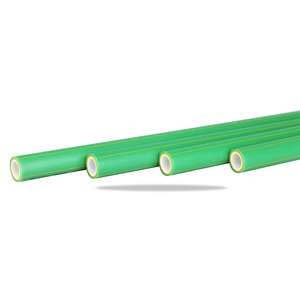
Polypropylene Electrofusion Coupler Electro Fusion PPR Fittings
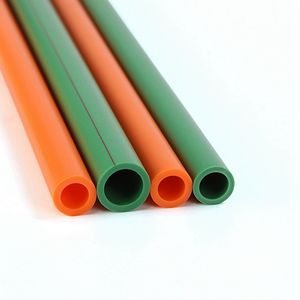
Polypropylene Random Copolymer PPR for Hot Cold Water Pipe Virgin/Zinthu Zobwezerezedwanso
Chitoliro chonse cha Diameter Kutentha Kusamva Polypropylene PPR Pulasitiki Pipe Yopereka Madzi
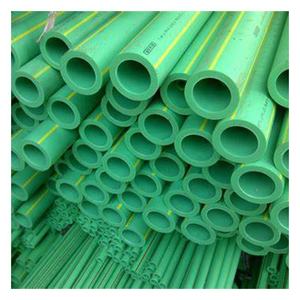
4M Pp Polypropylene Random Copolymer Cse16 Iso Makulidwe 16-110mm Mapaipi Otentha a Madzi Ozizira a PPR
Whole Polypropylene Pipe Plastic PPR Tube Green Tubo PPR Pipe Water Pipe