LUOYANG TLA ENERGY TECH CO.,LTD

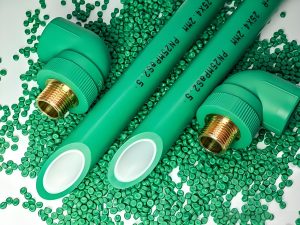
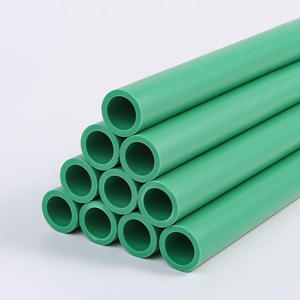
Polypropylene PPR Pipe HDPE PP Pipe e chesang ea metsi a batang
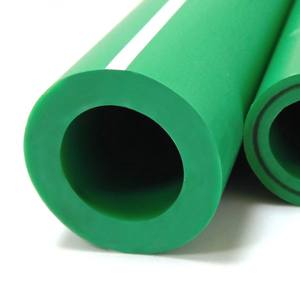
LITLHAKISO TSA LITŠOANTŠISO
Tlhaloso
Selelekela saPolypropylene PPR Pipe HDPE PP Pipe e chesang ea metsi a batang
Pipe ea PPR (lebitso le feletseng Polypropylene Random Copolymer Pipe, ke phala ea polasetiki e sebetsang hantle e entsoeng ka lisebelisoa tse tala tsa boleng bo holimo tsa copolymer polypropylene. Ka lebaka la ho hanyetsa mocheso o phahameng, khatello ea maikutlo, tšireletso ea tikoloho le ho se chefo, e sebelisoa haholo ho aha mekhoa ea metsi a chesang le a batang, Boenjiniere ba HVAC, lipalangoang tsa metsi a nooang le phetiso ea mokelikeli oa indasteri, hape ke sebaka se loketseng bakeng sa lipeipi tsa tšepe tsa setso.
Characteristics and Features of Polypropylene PPR Pipe HDPE PP Pipe Hot Cold Water Pipe
Mocheso o phahameng le ho hanyetsa khatello e phahameng
Mocheso oa nako e telele oa ho sebetsa o ka fihla ho 70°C, khanyetso ea mocheso o phahameng oa nakoana ho 95°C, ts'ebetso e ntle ea ho jara khatello (boemo ba khatello e tloaelehileng PN20, PN25).
Tšireletso ea tikoloho le bophelo bo botle
Lisebelisoa tse tala li hloekile ebile ha li na chefo, kopana le litekanyetso tsa metsi a nooang (joalo ka FDA, EN ISO le litifikeiti tse ling), u se ke ua tsoala libaktheria, le ho netefatsa polokeho ea boleng ba metsi.
Corrosion le anti-scaling
Ho hanyetsa acid le alkali, khanyetso e matla ea ho senya lik'hemik'hale, lerako le boreledi la ka hare, ha ho bonolo ho sekala, tšebeliso ea nako e telele ea phallo e tsitsitseng.
Khokahano ea ho qhibiliha e chesang, tiiso e matla
Ho amohela theknoloji ea hot melt socket, ha ho na kotsi ea ho lutla ha ho amana, 'me mohaho o kopantsoeng o ntlafatsa botšepehi ba tsamaiso.
E bobebe ebile e bonolo ho e etsa
Boima ke bona feela 1/8 ea lipeipi tsa tšepe, e loketseng ho palangoa le ho kenya, ho fokotsa litšenyehelo tsa basebetsi.
Bophelo bo bolelele le tlhokomelo e tlase
Bophelo ba tšebeletso bo hlophisitsoeng bo feta 50 lilemo, e hlokang tlhokomelo, 'me litšenyehelo ka kakaretso li tlase.
Ho boloka matla le ho boloka mocheso
Thermal conductivity e tlaase (feela 1/200 ea lipeipi tsa tšepe), e fokotsang tahlehelo ea mocheso 'me e loketse mekhoa ea metsi a chesang.
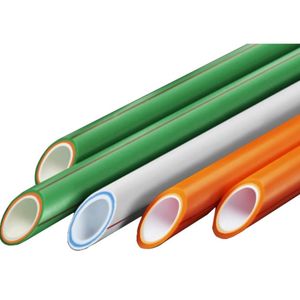
(Polypropylene PPR Pipe HDPE PP Pipe e chesang ea metsi a batang)
Specifications of Polypropylene PPR Pipe HDPE PP Pipe Hot Cold Water Pipe
Here’s the product content about polypropylene pipes:
Polypropylene pipes are common for water systems. PPR pipes handle hot and cold water well. They manage high temperatures smoothly. Boiling water won’t damage them. PPR pipes resist scale buildup inside. This keeps water flow consistent over time. They are strong against chemicals too. These pipes last a very long time. Installation is straightforward with heat fusion. This creates leak-proof joints. The pipe and fitting melt together. The connection becomes as strong as the pipe itself.
HDPE pipes are another polypropylene type. They are very tough and flexible. HDPE handles high pressure reliably. These pipes resist cracks and impacts. They work underground or above ground. HDPE is good for cold water supply. It also suits irrigation systems. HDPE pipes join using butt fusion or electrofusion. Both methods ensure solid seals. HDPE won’t rot or corrode.
General PP pipes are versatile. They work for many water applications. PP pipes are lightweight and easy to handle. They are simple to cut and install. Liphaephe tsena li hana ho bola ka ho feletseng. Rust is never a problem. They handle both hot and cold water. PP pipes are affordable. They offer good value. Common sizes are DN20, DN25, DN32, DN40, DN50, DN63, DN75, DN90, DN110. Pressure ratings include PN10, PN16, PN20, PN25. Temperature range is typically -20°C to 95°C. Liphaephe li boreleli ka hare. Sena se fokotsa tahlehelo ea likhohlano. Water pressure stays higher. Flow rates are better. They are environmentally friendly. Recycling is possible. Litlhoko tsa tlhokomelo li tlase.

(Polypropylene PPR Pipe HDPE PP Pipe e chesang ea metsi a batang)
Applications of Polypropylene PPR Pipe HDPE PP Pipe Hot Cold Water Pipe
Polypropylene pipes, especially PPR and HDPE types, are essential for modern plumbing and industrial systems. These pipes reliably move hot and cold water. They offer significant advantages over traditional metal pipes. PPR pipes are perfect for hot and cold water supply inside buildings. They handle high temperatures well. Hot water won’t damage them. Cold water flows smoothly too. Liphaephe tsena li hana ho bola ka ho feletseng. Rust and scale buildup inside are non-issues. This keeps water clean and safe. You avoid contamination risks. Water quality stays high for drinking.
HDPE pipes are tough and flexible. They are great for main water lines underground. They handle pressure changes easily. You don’t worry about cracks or breaks. Their flexibility helps them absorb ground movement. They are also excellent for transporting chemicals. Many industrial fluids won’t harm them. Factories use them for process lines. They are safe for carrying acids and alkalis. Mapolasi a li sebelisa bakeng sa mekhoa ea ho nosetsa. They last many years under the sun. They resist UV damage well.
Both PPR and HDPE pipes install quickly. Workers fuse them together using heat. Sena se etsa seamless, manonyeletso a sa dutleng. You get a continuous, strong pipeline. Installation is simpler than threading metal pipes. You save time and labor costs. These pipes are very light. Moving and handling them is easy. They cut cleanly with simple tools. Sebaka sa tsona se ka hare se boreleli se fokotsa khohlano. Water flows faster with less pump power needed. You save energy costs over time. They are also very quiet. Water moving through them makes little noise.
These pipes are incredibly durable. They last decades without problems. You avoid frequent replacements. They withstand freezing conditions better than metal. Freezing water is less likely to burst them. Litlhoko tsa tlhokomelo li fokola. You rarely need repairs. This reliability makes them cost-effective long-term. They are trusted worldwide for water systems. Builders and engineers choose them for new projects. They work well for home plumbing and large factories. They perform reliably even underground.
Ho paka le ho Romela
E itšetlehile ka lihlahisoa le qty,re ne re ka etsa pack of coiling,meqolo,ho phuthela ka bongata,makese kapa mabokose,etc.
Thomello:Ka leoatleng,seporo,ka moea kapa joalo ka kopo ea moreki.
Boemo ba Khoebo
Luoyang Datang Energy Tech Co., Ltd. ke moetsi ea ka sehloohong oa Machaena ea sebetsanang le liphaephe tsa polasetiki tsa boleng bo holimo le li-fittings. Ho hlomelloa ka mela ea tlhahiso ea morao-rao e ikemetseng le e tšehetsoeng ke sehlopha sa 200 litsebi, re fana ka lethathamo le pharaletseng la lihlahisoa tse kenyelletsang ho feta 150 mefuta ea lipeipi tsa polasetiki le lisebelisoa tse etselitsoeng ho fana ka metsi le tsamaiso ea ho ntša metsi, phetiso ea khase, le mekhoa ea ho futhumatsa fatše. Lihlahisoa tsa rona tsa mantlha li kenyelletsa liphaephe le li-Fittings tsa PVC, PE (HDPE) Liphaephe le Lisebelisoa, PPR Liphaephe le Fittings, le PEX Floor Heating Pipes.
Na u na le lipotso mabapi le HDPE Pipe Fitting, ka kopo o seke oa qeaqea ho iteanya le rona!
Mohala:0086-183 3790 0677
Wechat: 0086-183 3790 0677
Whatsapp: 0086-183 3790 0677
Email: sales@pipesandfittings.net
Melao ea Tefo
T/T,L/C ka pono,phetiso ea chelete e bitsoang western union & Paypal,etc.
5 FAQs of Polypropylene PPR Pipe HDPE PP Pipe Hot Cold Water Pipe
Lipeipi tsa PPR li sebelisetsoa eng?
PPR pipes carry hot and cold water in homes and buildings. They work for drinking water systems and heating setups. These pipes are common in bathrooms and kitchens.
Why pick PPR pipes over metal pipes?
PPR pipes don’t rust or corrode like metal. Metal pipes get mineral buildup inside. PPR stays smooth inside for years. This keeps water flowing well. PPR is also lighter and easier to install.
Can PPR pipes handle hot water?
Ee. PPR pipes handle water up to 95°C. They won’t melt or warp at normal heating temperatures. They’re safe for hot water lines from boilers or solar heaters.
How are PPR pipes connected?
Use heat fusion. Heat the pipe end and the fitting. Li sututse hammoho. The melted plastic bonds as it cools. This makes a solid, leak-free joint. No glue or threads are needed.
What’s the difference between PPR and HDPE pipes?
PPR is for indoor plumbing and heating systems. HDPE is tougher. HDPE handles outdoor and buried uses like main water lines. PPR resists heat better. HDPE bends more easily for long underground runs.

(Polypropylene PPR Pipe HDPE PP Pipe e chesang ea metsi a batang)
KOPO KHOPO
LIHLAHISO TSE HLAHANG
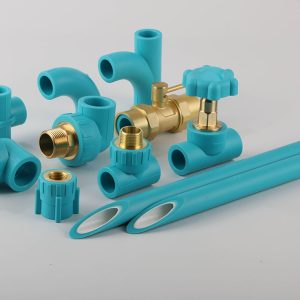
Moetsi oa Machaena OEM/ODM PPR Liphaephe le Fittings
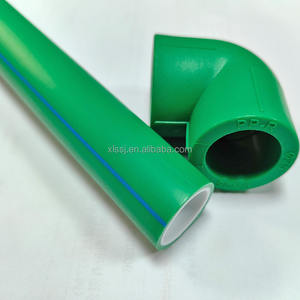
Factory Free Sample OEM Color Plastic Polypropylene Ppr Pipe
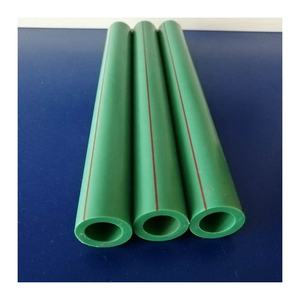
Lipeipi tse tšoarellang tsa 4m PPR tsa phepelo ea metsi a batang a boholo ba 16-110mm High Pressure Plastic Tubes
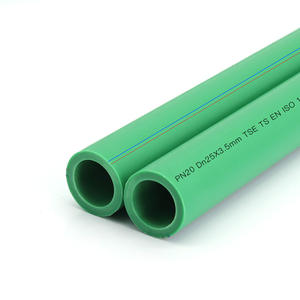
Cheap Polypropylene Tube Plastic Hose Pp Transparent Pipe
100% Lisebelisoa tsa Raw Plumbing DIN Plastic Tube PPR Pipe ea Metsi