LUOYANG CAME ENERGY TECH CO.,LTD

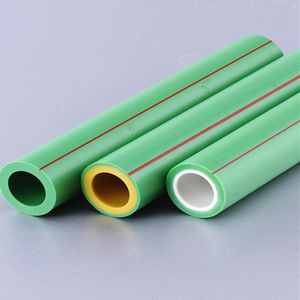
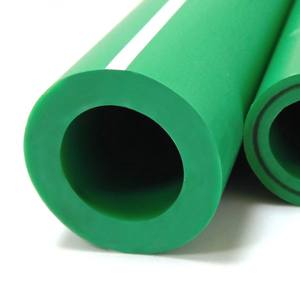
Polypropylene PPR Pipe HDPE PP Pipe Hot Cold Water Pipe
PARAMETAIREAN PRODUCT
Tuairisgeul
Ro-ràdh dePolypropylene PPR Pipe HDPE PP Pipe Hot Cold Water Pipe
PPR pìoba (làn ainm Polypropylene Random Copolymer Pipe, na phìob plastaig àrd-choileanadh air a dhèanamh de stuthan amh polypropylene copolymer air thuaiream àrd-inbhe. Air sgàth an aghaidh teòthachd àrd, strì an aghaidh cuideam, dìon na h-àrainneachd agus neo-puinnseanachd, tha e air a chleachdadh gu farsaing ann a bhith a’ togail siostaman uisge teth is fuar, HVAC innleadaireachd, còmhdhail uisge òil agus sgaoileadh lionn gnìomhachais, agus tha e na dheagh àite an àite pìoban meatailt traidiseanta.
Characteristics and Features of Polypropylene PPR Pipe HDPE PP Pipe Hot Cold Water Pipe
Teòthachd àrd agus strì an aghaidh cuideam àrd
Faodaidh teòthachd obrach fad-ùine ruighinn 70 ° C, strì an aghaidh teòthachd àrd geàrr-ùine gu 95 ° C, coileanadh cuideam sàr-mhath (ìre cuideam cumanta PN20, PN25).
Dìon na h-àrainneachd agus slàinte
Tha na stuthan amh fìor-ghlan agus neo-phuinnseanta, coinneachadh ri ìrean uisge òil (leithid FDA, EN ISO agus teisteanasan eile), na bi a 'briodachadh bacteria, agus dèanamh cinnteach à sàbhailteachd càileachd uisge.
Crìonadh agus an-aghaidh sgèileadh
Frith-aghaidh searbhag agus alcalan, làidir an aghaidh creimeadh ceimigeach, balla a-staigh rèidh, chan eil e furasta a sgèile, cleachdadh fad-ùine de shruth seasmhach.
Ceangal leaghaidh teth, seulachadh làidir
Gabhail ri teicneòlas socaid leaghaidh teth, chan eil cunnart ann gun tèid aoidionachd aig a’ cheangal, agus tha an structar amalaichte a' leasachadh earbsachd an t-siostaim.
Cuideam aotrom agus furasta a thogail
Tha an cuideam a-mhàin 1/8 de sin de phìoban meatailt, a tha goireasach airson còmhdhail agus stàladh, lùghdachadh cosgaisean saothair.
Beatha fhada agus glè bheag de chumail suas
Tha beatha seirbheis dealbhaichte nas motha na 50 bliadhnaichean, saor bho chumail suas, agus tha a’ chosgais iomlan ìosal.
Sàbhaladh lùth agus gleidheadh teas
Tha an giùlan teirmeach ìosal (a-mhàin 1/200 de phìoban meatailt), a lughdaicheas call teas agus a tha freagarrach airson siostaman uisge teth.
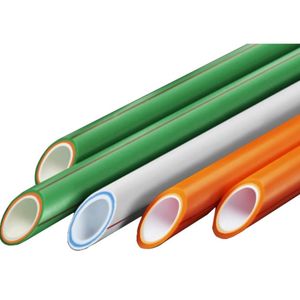
(Polypropylene PPR Pipe HDPE PP Pipe Hot Cold Water Pipe)
Specifications of Polypropylene PPR Pipe HDPE PP Pipe Hot Cold Water Pipe
Here’s the product content about polypropylene pipes:
Polypropylene pipes are common for water systems. PPR pipes handle hot and cold water well. They manage high temperatures smoothly. Boiling water won’t damage them. PPR pipes resist scale buildup inside. This keeps water flow consistent over time. They are strong against chemicals too. These pipes last a very long time. Installation is straightforward with heat fusion. This creates leak-proof joints. The pipe and fitting melt together. The connection becomes as strong as the pipe itself.
HDPE pipes are another polypropylene type. They are very tough and flexible. HDPE handles high pressure reliably. These pipes resist cracks and impacts. They work underground or above ground. HDPE is good for cold water supply. It also suits irrigation systems. HDPE pipes join using butt fusion or electrofusion. Both methods ensure solid seals. HDPE won’t rot or corrode.
General PP pipes are versatile. They work for many water applications. PP pipes are lightweight and easy to handle. They are simple to cut and install. These pipes resist corrosion completely. Rust is never a problem. They handle both hot and cold water. PP pipes are affordable. They offer good value. Common sizes are DN20, DN25, DN32, DN40, DN50, DN63, DN75, DN90, DN110. Pressure ratings include PN10, PN16, PN20, PN25. Temperature range is typically -20°C to 95°C. The pipes are smooth inside. This reduces friction loss. Water pressure stays higher. Flow rates are better. They are environmentally friendly. Recycling is possible. Maintenance needs are low.

(Polypropylene PPR Pipe HDPE PP Pipe Hot Cold Water Pipe)
Applications of Polypropylene PPR Pipe HDPE PP Pipe Hot Cold Water Pipe
Polypropylene pipes, especially PPR and HDPE types, are essential for modern plumbing and industrial systems. These pipes reliably move hot and cold water. They offer significant advantages over traditional metal pipes. PPR pipes are perfect for hot and cold water supply inside buildings. They handle high temperatures well. Hot water won’t damage them. Cold water flows smoothly too. These pipes resist corrosion completely. Rust and scale buildup inside are non-issues. This keeps water clean and safe. You avoid contamination risks. Water quality stays high for drinking.
HDPE pipes are tough and flexible. They are great for main water lines underground. They handle pressure changes easily. You don’t worry about cracks or breaks. Their flexibility helps them absorb ground movement. They are also excellent for transporting chemicals. Many industrial fluids won’t harm them. Factories use them for process lines. They are safe for carrying acids and alkalis. Farms use them for irrigation systems. They last many years under the sun. They resist UV damage well.
Both PPR and HDPE pipes install quickly. Workers fuse them together using heat. This creates seamless, leak-proof joints. You get a continuous, strong pipeline. Installation is simpler than threading metal pipes. You save time and labor costs. These pipes are very light. Moving and handling them is easy. They cut cleanly with simple tools. Their smooth inner surface reduces friction. Water flows faster with less pump power needed. You save energy costs over time. They are also very quiet. Water moving through them makes little noise.
These pipes are incredibly durable. They last decades without problems. You avoid frequent replacements. They withstand freezing conditions better than metal. Freezing water is less likely to burst them. Maintenance needs are minimal. You rarely need repairs. This reliability makes them cost-effective long-term. They are trusted worldwide for water systems. Builders and engineers choose them for new projects. They work well for home plumbing and large factories. They perform reliably even underground.
Pacadh agus Gluasad
Tha e an urra ri toraidhean agus qty,b’ urrainn dhuinn am pacadh coiling a dhèanamh,rolagan,pacadh stuic,cliathran no bogsaichean,etc.
Luingearachd:Ri muir,rathad-iarainn,le adhair no mar iarrtas neach-ceannach.
Pròifil companaidh
Fiosrachadh mun chompanaidh Luoyang Datang Energy Tech Co., Earr. na phrìomh neach-saothrachaidh Sìneach a tha gu sònraichte a’ cleachdadh pìoban plastaig agus criathran àrd-inbhe. Uidheamaichte le loidhnichean toraidh fèin-ghluasadach ùr-nodha agus le taic bho sgioba de 200 proifeiseantaich, bidh sinn a’ tabhann loidhne toraidh farsaing anns a bheil còrr air 150 seòrsaichean de phìoban plastaig agus innealan air an dealbhadh airson solar uisge agus siostaman drèanaidh, tar-chuir gas, agus siostaman teasachaidh làr. Tha na prìomh thoraidhean againn a’ toirt a-steach Pìoban agus Innealan PVC, PE (HDPE) Pìoban agus uidheamachadh, Pìoban agus uidheam PPR, agus pìoban teasachaidh làr PEX.
Ma tha ceist sam bith agad a thaobh Uidheamachadh Pìoba HDPE, na bi leisg fios a chuir thugainn!
Fòn.:0086-183 3790 0677
Wechat: 0086-183 3790 0677
Whatsapp: 0086-183 3790 0677
Post-d: sales@pipesandfittings.net
Teirmean pàighidh
T/T,L/C aig an t-sealladh,Aonadh an Iar & Paypal,etc.
5 FAQs of Polypropylene PPR Pipe HDPE PP Pipe Hot Cold Water Pipe
What are PPR pipes used for?
PPR pipes carry hot and cold water in homes and buildings. They work for drinking water systems and heating setups. These pipes are common in bathrooms and kitchens.
Why pick PPR pipes over metal pipes?
PPR pipes don’t rust or corrode like metal. Metal pipes get mineral buildup inside. PPR stays smooth inside for years. This keeps water flowing well. PPR is also lighter and easier to install.
An urrainn dha pìoban PPR uisge teth a làimhseachadh?
Tha. PPR pipes handle water up to 95°C. They won’t melt or warp at normal heating temperatures. They’re safe for hot water lines from boilers or solar heaters.
How are PPR pipes connected?
Cleachd fusion teas. Heat the pipe end and the fitting. Push them together. The melted plastic bonds as it cools. Tha seo a 'dèanamh cruaidh, leak-free joint. No glue or threads are needed.
What’s the difference between PPR and HDPE pipes?
PPR is for indoor plumbing and heating systems. HDPE is tougher. HDPE handles outdoor and buried uses like main water lines. PPR resists heat better. HDPE bends more easily for long underground runs.

(Polypropylene PPR Pipe HDPE PP Pipe Hot Cold Water Pipe)
IARRANN SGEULACHDAN
NAIGHEACHDAN FIRINNEACH
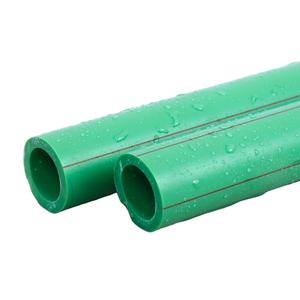
Factory Durable Green PN12.5/16/20/25/32 Full Size Pure-Plastic PPR Tube
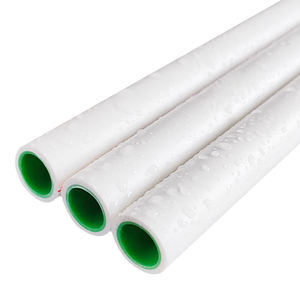
3mm Diameter High Quality PP Tube Polypropylene Plastic Pipe Hollow Pipe Transparent Tube
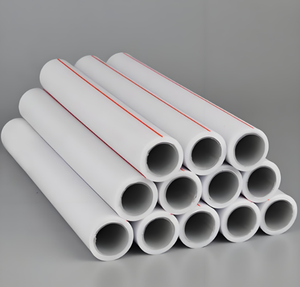
Plastic PPH IPS Best Crew Pipe
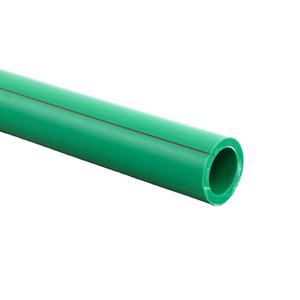
PPR Pipes s Full Size 20-160mm PN20 Green Customized Plastic Tubes
NEW Promotional Various Durable Using Extrusion Composite Ppr Pipes