


Abubuwan da aka bayar na LUOYANG CAME ENERGY TECH CO., LTD


Wanne Bututun Brass kuke Bukata? Faɗakarwa, Matsi, Nono ko Haɗin Kai
Kayan aikin bututun ƙarfe zo a yawancin hanyoyin haɗin gwiwa, kuma zaɓin da ya dace ya dogara da ƙasa da bayyanar da ya dace fiye da yadda ake buƙatar haɗa bututu ko bututu. Idan kuna samo asali kayan aikin famfo na tagulla don wani aiki, kila kana tambayar kanka: ya kamata in yi amfani da flared kayan aiki, matsawa kayan aiki, a nono tagulla, ko a hada guda biyu? Kowannensu yana magance matsalar haɗi daban. Wannan jagorar ya rushe tsarin zaɓi daga mahallin mai siye-don haka za ku iya dacewa da dacewa da aikin, ba akasin haka ba.
A Kallo: Wace Haɗin Kai Kuke Bukata?
Kafin kallon samfuran ɗaya, yana taimakawa wajen fahimtar abin da aka tsara kowane dacewa don yin.
| Nau'in Daidaitawa | Babban Hanyar Haɗin Kai | Aiki na yau da kullun | Aikace-aikace gama gari |
| Brass Flare Fitting | Flared tube connection | Connects flared tubing | Fluid and tubing systems |
| Brass Compression Fitting | Compression ferrule | Connects tubing without tube threading | Plumbing and tubing |
| Brass Nipple | Male thread | Connects female-threaded components | Plumbing and piping |
| Brass Coupling | Threaded connection | Joins two pipe sections | Pipe systems |
| Adaftar Brass | Threaded or mixed connection | Connects different connection types | Equipment and piping |
| Push-to-Connect Fitting | Push-fit connection | Quick tube connection | Plumbing and repair |

Abubuwan Bututun Brass
What Are Flared Pipe Fittings?
Flared pipe fittings use a mechanically formed flare at the end of a tube to create the sealing surface. Instead of relying on pipe threads at the tube end, the tubing itself is shaped to mate with the fitting.
A typical brass flare fitting consists of a fitting body and a nut. The end of the tube is flared, positioned against the fitting’s conical sealing surface, and secured by tightening the nut.
This creates a mechanical connection without requiring threads to be cut directly into the tubing.
How Does a Brass Flare Fitting Work?
The basic installation process is relatively straightforward:
- Cut the tube cleanly.
- Place the appropriate nut onto the tube.
- Form the flare at the tube end using the correct tool.
- Position the flared tube against the fitting.
- Tighten the nut to secure the connection.
The quality of the flare is important. An improperly formed flare may result in leakage or damage to the fitting.
For this reason, the tube material, flare angle, fitting specification, and installation procedure should always be checked before assembly.
When Should You Use Flared Pipe Fittings?
Flared connections can be useful when a mechanical tube connection is required and the system is designed for flare fittings.
They may be considered for:
- Tubing systems
- Fluid lines
- Refrigeration-related applications where specified
- Hydraulic-related tubing applications where compatible
- Systems that require a serviceable mechanical connection
The key point is compatibility. A flare fitting should not be selected simply because it is made of brass. The tube and fitting must be designed to work together.
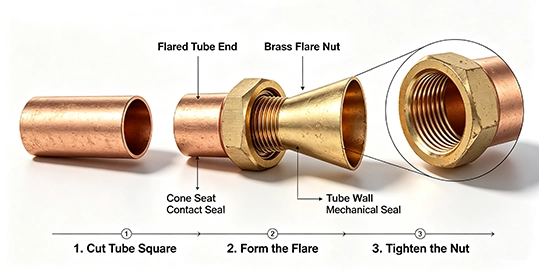
a Brass Flare Fitting Work
What Are Brass Compression Pipe Fittings?
Brass compression fittings use a nut, a ferrule (or sleeve), and a fitting body to create a seal around a tube. When you tighten the nut, it compresses the ferrule onto the tube, forming a tight mechanical seal. These are among the most common kayan aikin famfo na tagulla for connecting copper, tagulla, or plastic tubing.
How Does a Brass Compression Fitting Work?
| Component | Aiki |
|---|---|
| Jiki | Connects to the piping system |
| Ferrule | Creates the compression seal |
| Nut | Compresses the ferrule |
| Tube | Carries the medium |
The beauty of matsawa kayan aiki is their simplicity. You don’t need to flare the tube or thread the pipe. Just cut the tube cleanly, slide on the nut and ferrule, insert the tube into the body, and tighten. The ferrule deforms slightly to grip the tube and seal against the body.
Where Are Brass Compression Fittings Commonly Used?
Brass compression fittings are widely considered when a practical tube connection is needed without directly threading the tube.
Typical applications may include:
- Tsarin famfo
- Layukan ruwa
- Copper or compatible tubing
- HVAC-related tubing
- Maintenance and repair work
- Haɗin kayan aiki
For each application, the fitting’s pressure rating, yanayin zafi, tube material, and size should be checked.
A compression fitting is not automatically suitable for every pipe or tube. Proper matching is essential.

Brass Compression Fittings Used in Equipment connections
Brass Nipple Plumbing: What Is a Brass Nipple Used For?
A brass nipple is a short piece of pipe with male threads on both ends. In plumbing and industrial piping, it is used to connect two female-threaded components—like a valve and a fitting, or two sections of pipe. The term “brass nipple plumbing” often refers to this simple but essential connector.
What Is a Brass Nipple?
Common forms include hex nipple (with a hexagonal section for wrenching), close nipple (fully threaded, very short), reducing nipple (different thread sizes on each end), kuma male × male nipple. Each serves a specific purpose in extending, adapting, or connecting threaded piping.
When Should You Choose a Brass Nipple?
| Connection Requirement | Suitable Fitting |
|---|---|
| Connect two female-threaded ports | Brass nipple |
| Extend a threaded connection | Brass nipple |
| Connect a fitting to a valve | Brass nipple / adaftan |
| Change connection size | Reducing nipple |
Brass nipples are also commonly used when connecting threaded brass fittings ku bawuloli or other flow-control components. This makes them a natural bridge between your piping and valve assemblies.
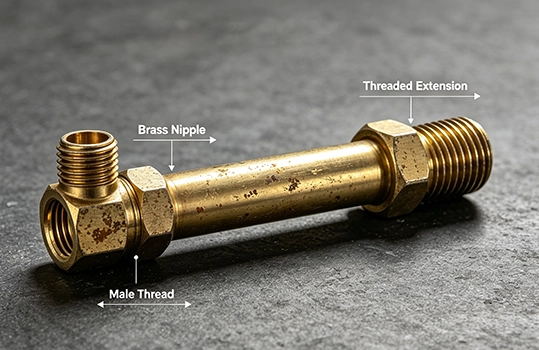
Brass Nipple Extend a threaded connection
What Is a Brass Coupling?
A brass coupling is a short sleeve with female threads on both ends (or sometimes one end female and one end male). Its primary job is to join two pipes or tubes in a straight line. In a brass pipe fitting system, couplings are the go-to solution for extending a run or repairing a damaged section.
What Does a Brass Coupling Do?
Think of it as a connector that holds two threaded pipe ends together. It doesn’t change direction, reduce size, or adapt threads—it simply joins. That simplicity is why brass pipe couplings are so common in plumbing and industrial piping.
Brass Coupling vs Brass Nipple
| Siffar | Brass Nipple | Brass Coupling |
|---|---|---|
| Typical thread | Male | Female |
| Main function | Connect female-threaded ports | Join male-threaded pipes/fittings |
| Siffar | Short threaded pipe | Short sleeve |
| Aikace-aikace na yau da kullun | Extension/adaptation | Straight pipe connection |
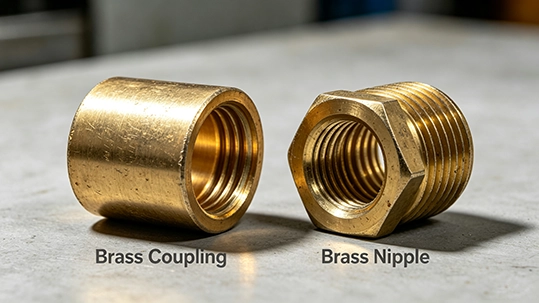
Brass Coupling vs Brass Nipple
Flared vs Compression vs Threaded Brass Fittings
This is the comparison that matters most when you’re selecting tagulla bututu kayan aiki. Each connection method has its place, and the wrong choice can lead to leaks, callbacks, ko project delays.
| Siffar | Faɗakarwa | Matsi | Zare |
|---|---|---|---|
| Main connection | Flared tube | Ferrule compression | Zaren |
| Tube preparation | Flare required | Usually tube cut/prepared | Threaded component required |
| Shigarwa | Matsakaici | Relatively simple | Simple when threads match |
| Disassembly | Possible | Possible | Sauƙi |
| Common use | Tubing systems | Plumbing/tubing | Piping/fittings |
| Key consideration | Correct flare | Proper ferrule compression | Dacewar zaren |
Before you choose, always check connection standard, tube material, matsa lamba, zafin jiki, kuma application requirements. A fitting that works perfectly for low-pressure water may not be suitable for high-pressure gas or refrigeration lines.
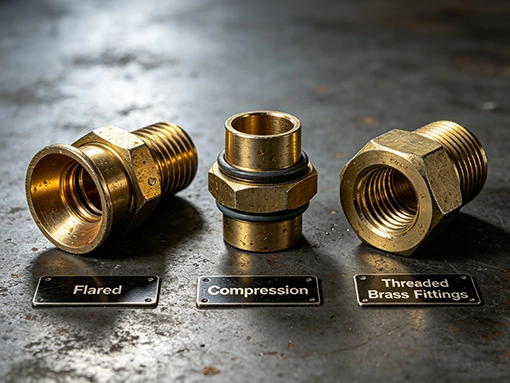
Flared vs Compression vs Threaded Brass Fittings
Brass Fittings vs SharkBite: What Is the Difference?
SharkBite is a well-known brand of push-to-connect fittings. They are not a replacement for all kayan aikin tagulla—they are a different connection method. Understanding the difference helps you specify the right product for each job.
Lura: SharkBite is a registered trademark of its respective owner. Muna bayarwacompatible-style push-to-connect solutions, not branded SharkBite products.
| Siffar | Traditional Brass Fittings | Push-to-Connect / SharkBite |
|---|---|---|
| Hanyar haɗi | Zare / matsawa / flare | Tura-zuwa-haɗa |
| Shigarwa | Depends on fitting type | Designed for quick installation |
| Kayan aiki | Depends on connection | Often fewer installation tools |
| Disassembly | Depends on fitting | Designed for removal |
| Thread matching | Required for threaded types | Not the primary connection method |
| Application requirements | Depends on fitting | Must follow product specifications |
When Might a Traditional Brass Fitting Be Preferred?
If you’re working with an existing threaded system, need a specific thread standard, are replacing a fitting, or have particular pressure/temperature requirements, a traditional brass fitting is often the right call. Industrial and plumbing specifications sometimes mandate threaded ko compression connections.
When Might Push-to-Connect Be Considered?
Push-to-connect fittings shine in fast installation, repair work, kuma hard-to-reach spaces. They are also useful when the system is specifically designed for push-fit connections. Just remember: they must be used according to the manufacturer’s specifications for matsa lamba, zafin jiki, kuma tube type.
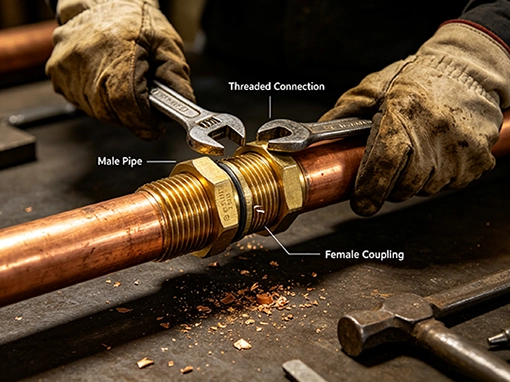
Connecting threaded pipes
Kayan aikin famfo na Brass: Which Connection Is Suitable for Common Applications?
Here’s a practical application table to help you match the fitting to the situation.
| Plumbing Situation | Fitting Type to Consider |
|---|---|
| Connecting threaded pipes | Brass nipple / hada guda biyu |
| Joining tubing | Compression fitting |
| Connecting flared tubing | Flare fitting |
| Extending a threaded line | Brass nipple |
| Joining two threaded pipe sections | Brass coupling |
| Quick tube connection | Push-to-connect fitting |
Yadda Ake Zaban Bututun Tagulla Da Ya dace
Use these six factors to narrow down your options. They are the same questions an experienced buyer asks before placing an order.
1. Pipe or Tube Type
Copper, tagulla, filastik, bakin karfe, or other compatible tubing. The material affects the hanyar haɗi kuma fitting compatibility.
2. Nau'in Haɗi
Faɗakarwa, matsawa, threaded, ko push-to-connect. This is your starting point.
3. Adadin Zaren
NPT, BSP, ko metric. If you need a deeper explanation, ga jagoranmu NPT vs BSP Threads: Wanne Zare Ya Kamata Ka Zaba Don Kayan Aikin Brass?
4. Girman
Nominal size, actual dimensions, kuma thread size must all match. For a full breakdown, karanta An Bayyana Girman Matsalolin Bututun Brass: Zaren, Girma da Jagoran Zaɓi.
5. Pressure and Temperature
Confirmworking pressure, maximum allowable pressure, operating temperature, da kumamedium being carried.
6. Material and Application
Ruwa, iska, gas, mai, HVAC fluids, ko industrial fluids. Each has its own requirements.
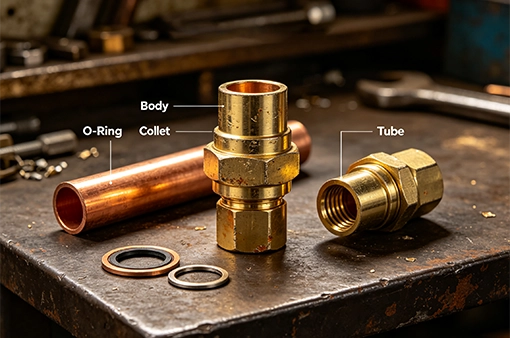
Push-to-connect fitting
What Should Buyers Check Before Ordering Brass Pipe Fittings?
Before you send an inquiry or place a PO, make sure you have these details ready. It speeds up quoting and reduces the risk of receiving the wrong part.
- Fitting type
- Girman
- Daidaitaccen zaren
- Male/female configuration
- Hanyar haɗi
- Matsayin kayan abu
- Ƙimar matsi
- Yanayin zafin jiki
- Ƙarshen saman
- Applicable standard
- Quantity
- Marufi
- Custom requirements
Why Brass Is Commonly Used for Pipe and Plumbing Fittings
From a buyer’s perspective, tagulla offers a practical combination of juriya lalata, injina, ƙarfin inji, kuma threading performance. It is compatible with many plumbing systems and can be machined into precise threads and shapes. That said, the actual suitability still depends on the medium, operating conditions, kuma m matsayin. Always confirm the brass grade meets your project’s requirements.
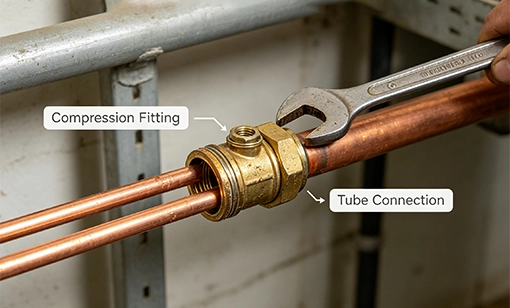
Compression fitting in Joining tubing
Choose the Right Brass Pipe Fitting for Your Project
The right brass fitting starts with the connection rather than the product name. If you need to connect flared tubing, look at brass flare fittings. For compatible tubing that requires a compression connection, brass compression pipe fittings may be suitable. When working with threaded plumbing components, brass nipples and couplings provide different male and female connection configurations. For projects considering push-to-connect technology, products such as SharkBite can be evaluated based on tube compatibility, installation requirements, and system specifications.
Before placing an order, confirm the fitting type, girman, zaren misali, hanyar haɗi, abu, matsa lamba rating, yanayin zafi, da aikace-aikace. If you already have a fitting drawing, specification sheet, sample, or purchase list, providing these details can make product confirmation much faster.
Request a Quote
Tell Abubuwan da aka bayar na Luoyang Datang Energy Tech Co., Ltd., Ltd your required fitting type, girman, zaren, abu, yawa, da aikace-aikace, and our team can help confirm the appropriate brass pipe fitting configuration for your project.
RUBUTUN DA AKE GABATARWA

Yadda Ake Tsabtace Bututun Ruwa A Gida
Binciko Bututun PPR: Abubuwan Maɓalli, Aikace-aikace, da Amfani

Bukatu akai-akai a cikin abubuwan more rayuwa da masana'antar makamashi: ci gaba mai dorewa a cikin babban amintaccen kasuwar bututu

Brass Hose Fitting vs Brass Pipe Fitting: Menene Bambancin?
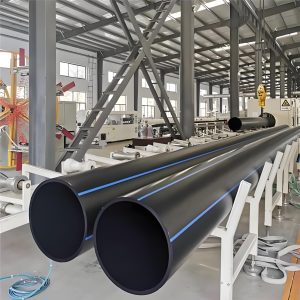
Binciken Haƙiƙa na Tabbatar da Ingancin Bututun PE & Tsawaita Rayuwar Hidima
