Abubuwan da aka bayar na LUOYANG CAME ENERGY TECH CO., LTD


Wane Irin Bututu Don Samar da Ruwan Karkashin Kasa
Kyautar Boye: Zaɓan Bututun da Ba Za Su Bar ƙasa ba

(Wane Irin Bututu Don Samar da Ruwan Karkashin Kasa)
Don haka, kuna buƙatar ruwa yana gudana a dogara ga gidan ku, rumbun ku, watakila waccan sabon filin yadi. An tona rami, an kafa shirin. But what goes in that ditch? Zaɓan bututun da ya dace don ɓoyewa bai kusan kashe kuɗi ba. Yana da game da zabar zakara da ke yaƙi da ƙura, duwatsu, ruwa matsa lamba, da lokacin kanta, duk yayin da yake a ɓoye. Samun shi ba daidai ba, kuma kuna fuskantar leakas, karya, da matsalar tono mai laka. Sami shi daidai, kuma ka manta shi ma yana can tsawon shekaru. Bada damar bincika manyan ƴan takara.
Filastik Powerhouses: PVC da HDPE
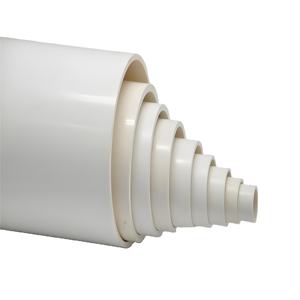
Bututun filastik sun mamaye aikin karkashin kasa saboda babban dalili. Suna da wuya, tsayayya rot da deterioration, kuma yawanci saita ku baya ƙasa da madadin ƙarfe. PVC, wancan farar bututun roba da kuke gani kusan ko'ina, zaɓi ne mai ƙarfi. Yana magance matsi da kyau, yana hawa dacewa tare da manne mai ƙarfi, kuma yana da shekaru a karkashin kasa. Ka tuna, hasken rana yana raunana shi. Kula da shi binne, kuma ya wadata. Yi amfani da Jadawalin 40 ga layukan ruwa na gida da yawa. Ana buƙatar wani abu mai sassauƙa sosai kuma mai tsananin tauri don ƙalubalen hanyoyi ko ƙasa mara tsayayye? High-Density Polyethylene (HDPE) watakila ya zama gwarzonku. Yi la'akari da shi azaman akwati na bututun filastik. Ana iya samun shi a cikin dogon coils, yana buƙatar haɗuwa na musamman zafi-fusion, kuma yayi watsi da daskarewa fiye da yawancin. Yana da ban sha'awa na dogon lokaci ko inda ƙasa ta sake komawa kaɗan.
Gargajiya na Copper
Bututun tagulla shine tsohon-makarantar bututun don wani abu. Yana da abin dogara, yana sarrafa dumi da kyau, kuma yana tsayayya da haɓakar ƙwayoyin cuta a ciki. Plumbers sun san shi gaba daya. Kuna ganin shi yawanci a cikin gidaje. Amfani da shi a ƙasa? Za ka iya, yet you should secure it. Tagulla mara kyau da aka binne a cikin datti na iya lalacewa da sauri. Ci gaba da rufe shi damtse cikin rigar roba mai kariya da aka yi don jana'izar kai tsaye. Wannan hannun riga yana kwaikwayi garkuwa da sinadarai na ƙasa. Copper yana mayar da ku fiye da filastik. Hakanan yana buƙatar ƙwararrun siyarwar ko kayan aikin latsa don haɗin gwiwa. Zabi ne mai ƙima, yawanci ana amfani dashi don gudu na ƙarshe a cikin gidan ku bayan babban layin filastik.
Mai Gasa Mai Sauƙi: PEX
PEX tubes is almost everywhere inside modern-day homes. Yana daidaitawa, daskare mai jurewa, kuma yana hawa da sauri. Za a iya binne shi? Tabbas, duk da haka tare da kama. You must never ever hide bare PEX straight. Sunshine yana lalata shi. Magungunan ƙasa na iya yin tasiri a cikin lokaci. Maganin yana da sauki: Guda shi cikin hannun rigar hanyar aminci. Wannan hannun riga yana kiyaye PEX kuma yana sauƙaƙa maye gurbin gaba idan an buƙata. PEX yana da ban mamaki don reshe babban layi zuwa zubar ko yayyafawa ta atomatik. Kawai tuna wannan hannun riga!
Yin Zabin Smart

(Wane Irin Bututu Don Samar da Ruwan Karkashin Kasa)
Don haka, wanda bututu ya lashe? Ya dogara. Don layin ruwa na farko da ke ciyar da kadarorin ku na zama ko na kasuwanci, PVC shine mafi kyawun ma'auni na farashi, kauri, da saukakawa. Da ake buƙatar ƙarfi mai ƙarfi ko daidaitawa? Yi la'akari da HDPE. Haɗa famfo na waje ko rumfa? PEX a cikin magudanar ruwa yana sauri da inganci. Nace akan jan karfe? Kawai kunsa shi daidai. Yi la'akari da dattinku kuma. Yana da dutse? Acid? Sandy? Wannan na iya rinjayar tsawon rayuwa. Yi la'akari da matsalolin ruwa da tsarin ku ke buƙata. Daidaita matsayin matsi na bututun. Matsalolin zurfafan shigarwa. Ana buƙatar jera bututun bututu a ƙasan layin sanyi don hana daskarewa. Kwancin da ya dace tare da yashi yana kare su daga duwatsu masu kaifi. Gishiri mai kyau yana da mahimmanci. Zaɓin dama a ƙarƙashin bututun ƙasa ba almubazzaranci ba ne. Yana da game da zaɓar dokin aiki na shiru wanda ke bayarwa, kowace rana, lokaci bayan lokaci, gaibu ko da yake yana da mahimmanci. Sami wannan zabi daidai. Kai na gaba, guje wa yadi da ambaliya ko busasshiyar famfo gaba daya, tabbas zai gode.
Digging Deeper: The Installation Details That Actually Matter
So you’ve picked your pipe. PVC, HDPE, jan karfe, or PEX in conduit. Good choice. But here’s where a lot of folks mess up—they focus on the pipe itself and forget everything else around it. The ditch isn’t just a hole in the ground. It’s a hostile environment that’ll test your pipe from the moment you drop it in.
Bedding: Your Pipe’s First Line of Defense
You wouldn’t sleep on a bed of rocks, dama? Neither should your pipe. That trench bottom needs a proper bed. Sand is the gold standard. It’s cheap, compresses well, and won’t scratch or puncture your pipe. Some guys use pea gravel. Some use screened soil. The rule is simple: no sharp rocks, no chunks of concrete, no debris. Give your pipe a soft place to rest. Then cover it with the same stuff before you backfill. That bedding layer cushions the pipe against ground movement and prevents those tiny stress fractures that turn into big leaks a decade later.
Depth: Below the Frost Line, No Exceptions
This one isn’t debatable. Water freezes. Ruwan daskarewa yana faɗaɗa. Expanding water breaks pipes. Check your local frost line depth. It varies by region—could be 12 inches in the South, 48 inches or more up North. Your pipe needs to sit below that line. Not on it, not above it. Below it. If you can’t dig that deep for some reason, you’ve got two options: insulate the pipe heavily or let it trickle constantly during freezing weather. Neither option is cheaper than just digging deeper the first time.

Frost line depth diagram showing water pipe properly buried below frost line versus freeze risk above
Trenching: Wide Enough to Work, Not a Foot More
Some folks dig trenches like they’re searching for buried treasure. Fadi, messy, overkill. A trench for a single water line only needs to be about 6-8 inches wide—just enough to drop the pipe in and bed it properly. Why does this matter? Narrow trenches disrupt less soil. They’re easier to backfill. They compact better. And they save your back. Use a trenching shovel or a walk-behind trencher if you’ve got one. Keep the walls straight and the bottom flat. Uneven bottoms create stress points on the pipe over time.
Ciki baya: Don’t Rush This Part
You got the pipe in, you tested the pressure, everything holds. Great. Now the temptation is to just shovel all that dirt back in and call it a day. Don’t. Backfill in layers. Six inches at a time, compact as you go. Use water to settle the soil if you’re in a hurry—flood the trench and let everything sink into place. But do it in stages. If you just dump and stomp, you’ll end up with voids that settle later. That settling can pull on your fittings, stress your joints, and create problems you can’t see until they’re already expensive.
Valves and Access Points: Plan for the Inevitable
Here’s a hard truth about underground pipes: at some point, you’ll need to work on them. Maybe a fitting fails. Maybe you want to add a branch. Maybe you just need to shut off the water without digging up your entire yard. Put a shut-off valve in an accessible spot—a valve box with a lid at ground level. Mark it on your property map. And if you’re running a long line, throw in a couple of cleanouts or tee access points. Future you will be grateful. Present you just has to spend an extra twenty bucks.
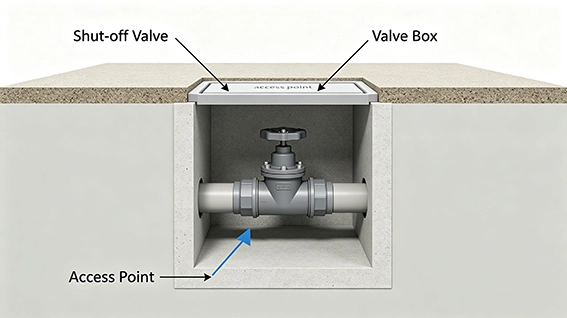
Underground valve box installation with shut-off valve accessible at ground level
Marking: Because You’ll Forget Where You Buried It
You think you’ll remember exactly where that trench is. You won’t. A year from now, when you’re planning a new fence or a patio, you’ll have that moment of panic: “Is my water line right there?” Take photos before you backfill. Measure distances from permanent landmarks—the corner of the house, the big oak tree, the property line. Draw a simple map. Stick it in your garage or utility room. And consider laying a detectable warning tape a few inches above the pipe. That way, if you’re digging and hit a bright orange ribbon before you hit the pipe, you know to stop.
The Bottom Line on Underground Water Lines
Look, choosing the right pipe is half the battle. But installing it right? That’s the other half, and it’s the half that determines whether your water line lasts 50 years or 5. Bed it properly. Bury it deep enough. Backfill carefully. Mark where you put it. Follow these practices, and your underground water supply will do what it’s supposed to do—deliver clean water, on demand, for decades. No callbacks. No surprises. Just quiet, reliable service from a system you installed once and forgot about.
Ready to Bury Your Water Line the Right Way?
You’ve read the guide. You know the options. Now it’s time to stop reading and start doing. Whether you’re a homeowner running water to a new garage, a farmer laying irrigation lines, or a contractor installing a main supply for a development, the right pipe—installed the right way—makes all the difference.
Here’s what Abubuwan da aka bayar na Luoyang Datang Energy Tech Co., Ltd., Ltd can do for you:
- ✅Supply top-quality underground water pipes – PVC, HDPE, PEX, and copper, all certified and built to last
- ✅Offer expert technical support – Not sure which pipe fits your soil, yanayi, or pressure needs? We’ll help you figure it out
- ✅Provide custom lengths and packaging – Cut to your specs, packed for transport, and shipped on time
- ✅Deliver anywhere – By sea, rail, iska, or truck, we get your pipes where they need to go
Stop guessing. Start building.
Got a project in mind? Need a quote? Just want to talk through your options with someone who actually knows underground pipes? Drop us a line. We reply within 24 hours. No pressure, just straight talk and good advice.
Your underground water supply deserves more than a guess. It deserves the right pipe, installed right, backed by people who know what they’re talking about. Get in touch—we’ve got your back.
RUBUTUN DA AKE GABATARWA

Cikakken Jagora ga bututun PVC da kayan aiki don Tsarin Samar da Ruwa
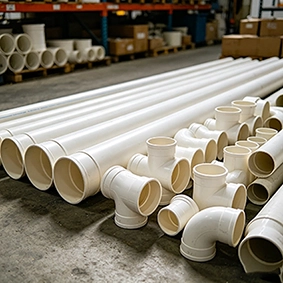
Bututun UPVC masu inganci don aikin famfo: PVC-U Maganin Bututun Matsi don Tsarin Ruwa
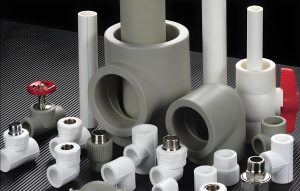
Bututun PPR masu inganci:Tsaro & Kare Muhalli
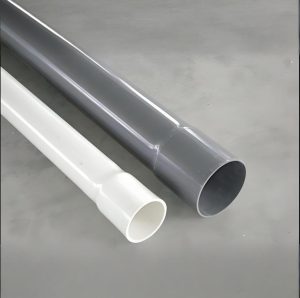
Wani nau'in bututun PVC da za'a yi amfani da shi don Tsarin Magudanar Ruwan Ruwa?
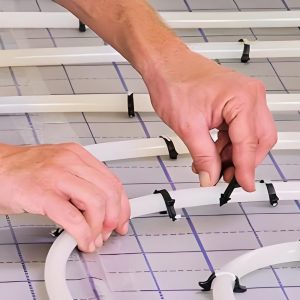
Wani nau'in Bututun da ake amfani da shi don aikin famfo?