LUOYANG NA'E HA'U 'A E MALOHI 'O E TEKINOLIA CO.,LTD

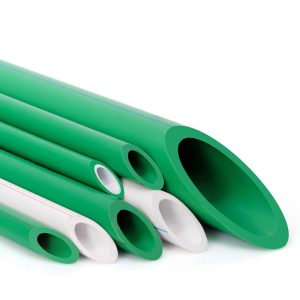
Ko e Ha E Fa'ahinga Paipa Ki He Ma'u'anga Vai 'i Lalofonua
Pale Fufū: Ko hono To’o ‘o e Ngaahi Paipa ‘E ‘Ikai Ke Tu’u ‘i Lalo ‘i he Kelekele

(Ko e Ha E Fa'ahinga Paipa Ki He Ma'u'anga Vai 'i Lalofonua)
Ko ia ai, 'oku ke fiema'u 'a e vai 'oku lele falala'anga ki ho 'api ., ho fale tauhi'anga koloa ., mahalo ko e fale tukuʻanga ʻo e lotoʻā foʻou ko iá. Kuo keli 'a e luo ., kuo fokotu'u 'a e palani .. But what goes in that ditch? Ko hono fili ‘o e paipa totonu ki he fufū ‘oku ‘ikai meimei ko ha fakamole .. ‘Oku fekau’aki ia mo hono fili ha champ ‘oku tau’i ‘a e efu ., maka, 'omi 'o e vai, mo e taimi tonu ., kotoa lolotonga 'oku nofo fakapulipuli .. Ma'u hala ia ., pea 'oku ke fehangahangai mo e ngaahi leakage ., malolo, mo ha keli palopalema pelepela .. Maʻu totonu ia ., pea ngalo ‘iate koe ‘oku ‘i ai foki ia ‘i he ngaahi ta’u .. Faka’ata ke fakatotolo’i ‘a e kau fe’auhi ‘i ‘olunga.
Ngaahi Fale Mafai Palasitiki: PVC mo e HDPE
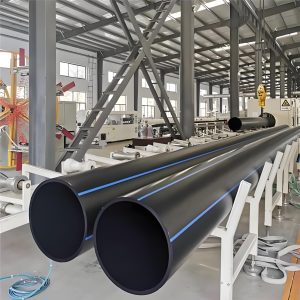
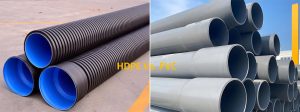
‘Oku pule‘i ‘e he ngaahi paipa pelesitikí ‘a e ngāue ‘i lalofonuá ‘i ha ‘uhinga lahi .. ‘Oku nau fefeka ., tekeʻi ʻa e pala mo e kovi ., pea 'oku angamaheni 'aki hono fokotu'u koe ki mui 'o si'isi'i ange 'i he ngaahi founga kehe 'o e ukamea .. PVC, ko e paipa pelesitiki hinehina ko ia 'oku ke sio ki ai 'i he meimei feitu'u kotoa pe ., ko ha fili fefeka .. 'Oku ne fehangahangai lelei mo e 'omi 'o e 'omi ., mounts faingofua mo e kuluu solvent, pea ‘oku tolonga ‘i he ngaahi kuonga ‘i lalofonua .. Tauhi 'i ho'o fakakaukau ., ‘oku fakavaivai‘i ia ‘e he maama ‘o e la‘aá. Tauhi ia ke tanu ., pea ʻoku lakalakaimonū .. Ngāue‘aki ‘a e Tepile . 40 mo e ngaahi laine vai lahi 'i 'api .. Fiema'u ha me'a 'oku fu'u fe'unga mo fu'u fefeka ki he ngaahi hala pole pe kelekele ta'e-tu'uma'u .? Polietileni Maʻolunga-Maʻolunga (HDPE) mahalo ko ho'o to'a. Fakakaukau ki ai ko e koniteina 'o e ngaahi paipa pelesitiki .. 'E lava ke ma'u ia 'i he ngaahi coil loloa ., 'oku fie ma'u 'a e vela-fusion makehe 'o e kau ., pea ta'etoka'i 'a e 'aisi 'oku lelei ange ia 'i he tokolahi taha .. ‘Oku fakaofo ia ki he ngaahi taimi loloa pe ko e feitu’u ‘oku ki’i relocates ai ‘a e kelekele ..
Ko e Tukufakaholo ʻo e Kopa .
Ko e paipa kopa ko e fave 'o e ako motu'a ki ha me'a .. ‘Oku falala’anga ., pule'i lelei 'a e mafana, pea ‘okú ne taliteke‘i ‘a e tupu ‘a e pekitilia ‘i lotó .. ‘Oku ‘ilo‘i kakato ia ‘e he kau palama .. ‘Okú ke sio ki ai ‘i he anga-mahení ‘i loto ‘i he ngaahi falé .. Ko hono ngāue‘aki ia ‘i lalo ‘i he kelekelé .? Te ke lava, yet you should secure it. Ko e kopa ‘ata‘atā ‘oku tanu ‘i he ‘ulí ‘e lava ke ne maumau‘i vave fakaofo .. 'Ufi'ufi ma'u pe ia 'i he sleeving pelesitiki malu'i na'e ngaohi ki he me'afaka'eiki fakahangatonu .. Ko e nima ko ‘ení ‘okú ne fa‘ifa‘itaki ki he pale mei he kemikale ‘o e kelekelé .. Ko e kopa 'oku ne fakafoki koe 'o lahi ange 'i he pelesitiki .. 'Oku fie ma'u 'e he soldering taukei pe lomi'i 'a e ngaahi me'a ki he ngaahi hui .. Ko e fili premium ia ., 'oku angamaheni 'aki hono faka'aonga'i ki he lele fakamuimuitaha ki ho fale hili 'a e laine pelesitiki lahi ..
Ko e Fe'auhi Fe'unu'aki .: PEX
PEX tubes is almost everywhere inside modern-day homes. ‘Oku fe’unga ., 'aisi-taliteke'i, pea mounts vave .. Te ke lava ʻo tanu ia .? Ko ia hono kotoa, ka mo ha maʻu .. You must never ever hide bare PEX straight. ‘Oku maumau‘i ia ‘e he la‘aá .. ‘E lava ke uesia ia ‘e he ngaahi kemikale ‘i he kelekelé ‘i he faai mai ‘a e taimí .. Ko e solova'anga 'oku faingofua .: lele ia 'i loto 'i ha nima 'o e hala malu .. Ko e nima ko 'eni 'oku ne le'ohi 'a e PEX pea 'oku ne 'ai ke faingofua ange 'a e fetongi 'i he kaha'u kapau 'oku fie ma'u .. 'Oku fakaofo 'a e PEX ki he branching 'o ha laine lahi ki he ngaahi fale pe sprinkler 'otometiki .. Manatuʻi pē ʻa e nima ko iá .!
Ko hono Fai ʻo e Fili ʻAtamaí .

(Ko e Ha E Fa'ahinga Paipa Ki He Ma'u'anga Vai 'i Lalofonua)
Ko ia ai, ko e paipa fe 'oku ikuna? 'Oku makatu'unga ia .. Mo e laine vai tefito 'oku ne fafanga ho'o koloa nofo'anga pe fakakomesiale ., Ko e PVC 'oku angamaheni 'aki 'a e palanisi lelei taha 'o e totongi ., fefeka, mo e fakafiemālié .. Fiema'u 'a e malohi lahi pe fe'unga .? Fakakaukau ki he HDPE .. Ko hono fakafehokotaki ha faucet 'i tu'a pe ko ha fale .? PEX 'i loto conduit 'aukai mo lelei .. Fakamamafaʻi ʻa e kopa .? Takai'i totonu pe ia .. Fakakaukau ki ho'o 'uli foki .. 'Oku makamaka? 'Esiti? Sandy? ‘E lava ke tākiekina ‘e he me‘á ni ‘a e lōloa ‘o e mo‘uí .. Fakakaukau ki he mafasia vai 'oku fie ma'u 'e ho'o sisitemi .. Fakafehoanaki ‘a e fakahokohoko ‘o e mīsini ‘o e paipa .. Ngaahi me'a loloto 'o e vahevahe .. 'Oku fie ma'u ke lisi 'a e ngaahi paipa 'i lalo 'i he laine 'o e 'uha momoko ke ta'ofi 'a e 'aisi .. Ko e ngaahi mohenga fe‘ungamālie ‘oku ‘i ai ‘a e ‘one‘oné ‘okú ne malu‘i kinautolu mei he ngaahi maka māsila .. Ko ha ‘a‘ake lelei ‘aupito ‘oku mahu‘inga .. Ko hono fili ‘o e paipa totonu ‘i lalo ‘i he kelekele ‘oku ‘ikai ko ha me’a faka’ofo’ofa .. ‘Oku fekau’aki ia mo hono fili ‘o e hoosi ngaue fakalongolongo ‘oku ne ‘omai ., 'aho ki he 'aho, taimi ki he taimi, unseen neongo ia 'oku mahu'inga. Maʻu ʻa e fili totonu ko ʻení .. Ko ho'o self 'i he kaha'u ., faka‘ehi‘ehi mei ha loto‘ā ‘oku tāfea pe ko ha paipa ‘oku mātu‘aki mōmoa ., 'e pau 'e fakafeta'i.
Digging Deeper: The Installation Details That Actually Matter
So you’ve picked your pipe. PVC, HDPE, kopa, or PEX in conduit. Good choice. But here’s where a lot of folks mess up—they focus on the pipe itself and forget everything else around it. The ditch isn’t just a hole in the ground. It’s a hostile environment that’ll test your pipe from the moment you drop it in.
Bedding: Your Pipe’s First Line of Defense
You wouldn’t sleep on a bed of rocks, tonu? Neither should your pipe. That trench bottom needs a proper bed. Sand is the gold standard. It’s cheap, compresses well, and won’t scratch or puncture your pipe. Some guys use pea gravel. Some use screened soil. The rule is simple: no sharp rocks, no chunks of concrete, no debris. Give your pipe a soft place to rest. Then cover it with the same stuff before you backfill. That bedding layer cushions the pipe against ground movement and prevents those tiny stress fractures that turn into big leaks a decade later.
Depth: Below the Frost Line, No Exceptions
This one isn’t debatable. Water freezes. Frozen water expands. Expanding water breaks pipes. Check your local frost line depth. It varies by region—could be 12 inches in the South, 48 inches or more up North. Your pipe needs to sit below that line. Not on it, not above it. Below it. If you can’t dig that deep for some reason, you’ve got two options: insulate the pipe heavily or let it trickle constantly during freezing weather. Neither option is cheaper than just digging deeper the first time.

Frost line depth diagram showing water pipe properly buried below frost line versus freeze risk above
Trenching: Wide Enough to Work, Not a Foot More
Some folks dig trenches like they’re searching for buried treasure. Wide, messy, overkill. A trench for a single water line only needs to be about 6-8 inches wide—just enough to drop the pipe in and bed it properly. Why does this matter? Narrow trenches disrupt less soil. They’re easier to backfill. They compact better. And they save your back. Use a trenching shovel or a walk-behind trencher if you’ve got one. Keep the walls straight and the bottom flat. Uneven bottoms create stress points on the pipe over time.
Backfilling: Don’t Rush This Part
You got the pipe in, you tested the pressure, everything holds. Great. Now the temptation is to just shovel all that dirt back in and call it a day. Don’t. Backfill in layers. Six inches at a time, compact as you go. Use water to settle the soil if you’re in a hurry—flood the trench and let everything sink into place. But do it in stages. If you just dump and stomp, you’ll end up with voids that settle later. That settling can pull on your fittings, stress your joints, and create problems you can’t see until they’re already expensive.
Valves and Access Points: Plan for the Inevitable
Here’s a hard truth about underground pipes: at some point, you’ll need to work on them. Maybe a fitting fails. Maybe you want to add a branch. Maybe you just need to shut off the water without digging up your entire yard. Put a shut-off valve in an accessible spot—a valve box with a lid at ground level. Mark it on your property map. And if you’re running a long line, throw in a couple of cleanouts or tee access points. Future you will be grateful. Present you just has to spend an extra twenty bucks.
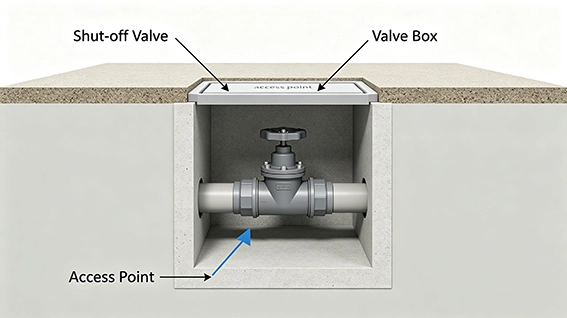
Underground valve box installation with shut-off valve accessible at ground level
Marking: Because You’ll Forget Where You Buried It
You think you’ll remember exactly where that trench is. You won’t. A year from now, when you’re planning a new fence or a patio, you’ll have that moment of panic: “Is my water line right there?” Take photos before you backfill. Measure distances from permanent landmarks—the corner of the house, the big oak tree, the property line. Draw a simple map. Stick it in your garage or utility room. And consider laying a detectable warning tape a few inches above the pipe. That way, if you’re digging and hit a bright orange ribbon before you hit the pipe, you know to stop.
The Bottom Line on Underground Water Lines
Look, choosing the right pipe is half the battle. But installing it right? That’s the other half, and it’s the half that determines whether your water line lasts 50 years or 5. Bed it properly. Bury it deep enough. Backfill carefully. Mark where you put it. Follow these practices, and your underground water supply will do what it’s supposed to do—deliver clean water, on demand, for decades. No callbacks. No surprises. Just quiet, reliable service from a system you installed once and forgot about.
Ready to Bury Your Water Line the Right Way?
You’ve read the guide. You know the options. Now it’s time to stop reading and start doing. Whether you’re a homeowner running water to a new garage, a farmer laying irrigation lines, or a contractor installing a main supply for a development, the right pipe—installed the right way—makes all the difference.
Here’s what Ko e Kautaha Tekinolosia ʻo e Malohi ʻo Luoyang Datang., Ltd can do for you:
- ✅Supply top-quality underground water pipes – PVC, HDPE, PEX, and copper, all certified and built to last
- ✅Offer expert technical support – Not sure which pipe fits your soil, climate, or pressure needs? We’ll help you figure it out
- ✅Provide custom lengths and packaging – Cut to your specs, packed for transport, and shipped on time
- ✅Deliver anywhere – By sea, rail, 'ea, or truck, we get your pipes where they need to go
Stop guessing. Start building.
Got a project in mind? Need a quote? Just want to talk through your options with someone who actually knows underground pipes? Drop us a line. We reply within 24 hours. No pressure, just straight talk and good advice.
Your underground water supply deserves more than a guess. It deserves the right pipe, installed right, backed by people who know what they’re talking about. Get in touch—we’ve got your back.
NGAAHI POSI FETU'UTAKI
Do.I.Fiema'u Ke Ngaue'aki 'a e Paipa Dope O. Laine Ma'u'anga Vai Heater
Ngaahi Fakapipiki Palasa ʻi he 2026: Fakatupu fo'ou 'o e naunau, Ngaahi 'ulungaanga 'oku 'ikai ha taki, mo e Ngaahi Faingamalie Fakamamani Lahi .
Fakatotolo 'aonga 'o e fakapapau'i 'a e tu'unga lelei 'o e paipa PE . & Fakaloloa 'o e Mo'ui 'a e Ngaue

Ko e ngaahi me'a mahu'inga 'o e PPR ki he sisitemi palama .
Ko e Ha E Paipa Lelei Taha Ke Ngaueaki Ki he Vai Lalofonua .?