


Abubuwan da aka bayar na LUOYANG CAME ENERGY TECH CO., LTD

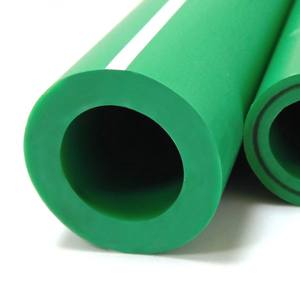
Polypropylene PPR Pipe HDPE PP Pipe Hot Cold Water Pipe
KYAUTA KYAUTA
Bayani
Gabatarwa naPolypropylene PPR Pipe HDPE PP Pipe Hot Cold Water Pipe
Farashin PPR (cikakken suna Polypropylene Random Copolymer Pipe, bututun filastik ne mai inganci wanda aka yi da kayan albarkatun ɗanyen copolymer polypropylene mai inganci. Saboda tsananin zafinsa, juriya matsi, kare muhalli da rashin guba, ana amfani dashi sosai wajen gina tsarin ruwan zafi da sanyi, Injiniya HVAC, sufurin ruwan sha da watsa ruwan masana'antu, kuma shine manufa madadin bututun ƙarfe na gargajiya.
Characteristics and Features of Polypropylene PPR Pipe HDPE PP Pipe Hot Cold Water Pipe
Babban zafin jiki da juriya mai girma
Yanayin aiki na dogon lokaci zai iya kaiwa 70 ° C, dogon lokaci high zafin jiki juriya zuwa 95 ° C, kyakkyawan aiki mai ɗaukar nauyi (matakin matsa lamba na kowa PN20, PN25).
Kariyar muhalli da lafiya
Kayan albarkatun kasa suna da tsabta kuma ba masu guba ba, cika ka'idojin ruwan sha (kamar FDA, EN ISO da sauran takaddun shaida), kar a haifar da kwayoyin cuta, da kuma tabbatar da amincin ingancin ruwa.
Lalata da anti-scaling
Acid da alkali juriya, karfi da lalata juriya, bangon ciki santsi, ba sauki ga sikelin, dogon lokacin amfani da barga kwarara.
Haɗin narke mai zafi, karfi sealing
Ɗauki fasahar soket mai zafi, babu haɗarin yabo a haɗin, kuma tsarin haɗin gwiwar yana inganta tsarin dogara.
Mai nauyi da sauƙin ginawa
Nauyin shine kawai 1/8 na na bututun ƙarfe, wanda ya dace don sufuri da shigarwa, rage farashin aiki.
Dogon rayuwa da ƙarancin kulawa
Rayuwar sabis ɗin da aka tsara ya fi 50 shekaru, rashin kulawa, kuma gabaɗaya farashin yana da ƙasa.
Ajiye makamashi da adana zafi
Thermal watsin ne low (kawai 1/200 na karfe bututu), wanda ke rage asarar zafi kuma ya dace da tsarin ruwan zafi.
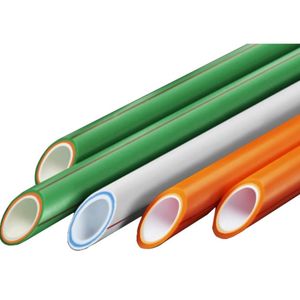
(Polypropylene PPR Pipe HDPE PP Pipe Hot Cold Water Pipe)
Specifications of Polypropylene PPR Pipe HDPE PP Pipe Hot Cold Water Pipe
Here’s the product content about polypropylene pipes:
Polypropylene pipes are common for water systems. PPR pipes handle hot and cold water well. They manage high temperatures smoothly. Boiling water won’t damage them. PPR pipes resist scale buildup inside. This keeps water flow consistent over time. They are strong against chemicals too. These pipes last a very long time. Installation is straightforward with heat fusion. This creates leak-proof joints. The pipe and fitting melt together. The connection becomes as strong as the pipe itself.
HDPE pipes are another polypropylene type. They are very tough and flexible. HDPE handles high pressure reliably. These pipes resist cracks and impacts. They work underground or above ground. HDPE is good for cold water supply. It also suits irrigation systems. HDPE pipes join using butt fusion or electrofusion. Both methods ensure solid seals. HDPE won’t rot or corrode.
General PP pipes are versatile. They work for many water applications. PP pipes are lightweight and easy to handle. They are simple to cut and install. These pipes resist corrosion completely. Rust is never a problem. They handle both hot and cold water. PP pipes are affordable. They offer good value. Common sizes are DN20, DN25, DN32, DN40, DN50, DN63, DN75, DN90, DN110. Pressure ratings include PN10, PN16, PN20, PN25. Temperature range is typically -20°C to 95°C. The pipes are smooth inside. This reduces friction loss. Water pressure stays higher. Flow rates are better. They are environmentally friendly. Recycling is possible. Maintenance needs are low.

(Polypropylene PPR Pipe HDPE PP Pipe Hot Cold Water Pipe)
Applications of Polypropylene PPR Pipe HDPE PP Pipe Hot Cold Water Pipe
Polypropylene pipes, especially PPR and HDPE types, are essential for modern plumbing and industrial systems. These pipes reliably move hot and cold water. They offer significant advantages over traditional metal pipes. PPR pipes are perfect for hot and cold water supply inside buildings. They handle high temperatures well. Hot water won’t damage them. Cold water flows smoothly too. These pipes resist corrosion completely. Rust and scale buildup inside are non-issues. This keeps water clean and safe. You avoid contamination risks. Water quality stays high for drinking.
HDPE pipes are tough and flexible. They are great for main water lines underground. They handle pressure changes easily. You don’t worry about cracks or breaks. Their flexibility helps them absorb ground movement. They are also excellent for transporting chemicals. Many industrial fluids won’t harm them. Factories use them for process lines. They are safe for carrying acids and alkalis. Farms use them for irrigation systems. They last many years under the sun. They resist UV damage well.
Both PPR and HDPE pipes install quickly. Workers fuse them together using heat. This creates seamless, leak-proof joints. You get a continuous, strong pipeline. Installation is simpler than threading metal pipes. You save time and labor costs. These pipes are very light. Moving and handling them is easy. They cut cleanly with simple tools. Their smooth inner surface reduces friction. Water flows faster with less pump power needed. You save energy costs over time. They are also very quiet. Water moving through them makes little noise.
These pipes are incredibly durable. They last decades without problems. You avoid frequent replacements. They withstand freezing conditions better than metal. Freezing water is less likely to burst them. Maintenance needs are minimal. You rarely need repairs. This reliability makes them cost-effective long-term. They are trusted worldwide for water systems. Builders and engineers choose them for new projects. They work well for home plumbing and large factories. They perform reliably even underground.
Shiryawa da jigilar kaya
Ya dogara da samfuran da qty,za mu iya yin marufi na nadi,nadi,daure shiryawa,akwatuna ko kwalaye,da dai sauransu.
Jirgin ruwa:Ta teku,layin dogo,ta iska ko a matsayin bukatar abokin ciniki.
Bayanin Kamfanin
Abubuwan da aka bayar na Luoyang Datang Energy Tech Co., Ltd., Ltd. babban kwararre ne na kasar Sin wanda ya kware wajen samar da bututun filastik da kayan aiki masu inganci. An sanye shi da layukan samarwa masu sarrafa kansa na zamani da goyan bayan ƙungiyar 200 kwararru, Muna ba da layin samfur mai faɗi wanda ya ƙunshi sama 150 nau'ikan bututun filastik da kayan aikin da aka tsara don samar da ruwa da tsarin magudanar ruwa, iskar gas, da tsarin dumama ƙasa. Babban samfuranmu sun haɗa da bututun PVC da kayan aiki, PE (HDPE) Bututu da Kayan aiki, PPR bututu da kayan aiki, da PEX Floor Heating Pipes.
Idan kuna da wasu tambayoyi game da HDPE Pipe Fitting, don Allah kar a yi shakka a tuntube mu!
Tel.:0086-183 3790 0677
Wechat: 0086-183 3790 0677
Whatsapp: 0086-183 3790 0677
Imel: sales@pipesandfittings.net
Sharuɗɗan Biyan kuɗi
T/T,L/C a gani,Western Union & Paypal,da dai sauransu.
5 FAQs of Polypropylene PPR Pipe HDPE PP Pipe Hot Cold Water Pipe
What are PPR pipes used for?
PPR pipes carry hot and cold water in homes and buildings. They work for drinking water systems and heating setups. These pipes are common in bathrooms and kitchens.
Why pick PPR pipes over metal pipes?
PPR pipes don’t rust or corrode like metal. Metal pipes get mineral buildup inside. PPR stays smooth inside for years. This keeps water flowing well. PPR is also lighter and easier to install.
Can PPR pipes handle hot water?
Ee. PPR pipes handle water up to 95°C. They won’t melt or warp at normal heating temperatures. They’re safe for hot water lines from boilers or solar heaters.
How are PPR pipes connected?
Use heat fusion. Heat the pipe end and the fitting. Push them together. The melted plastic bonds as it cools. This makes a solid, leak-free joint. No glue or threads are needed.
What’s the difference between PPR and HDPE pipes?
PPR is for indoor plumbing and heating systems. HDPE is tougher. HDPE handles outdoor and buried uses like main water lines. PPR resists heat better. HDPE bends more easily for long underground runs.

(Polypropylene PPR Pipe HDPE PP Pipe Hot Cold Water Pipe)
NEMI TSOKACI
KAYAN DA AKA SAMU

New Product Supply Standard PN10 Plastic Tubes Green Pph Pipes for Water
Black Pex Pipe PEX-a Pipe DN16 Coil Water Plastic Pex Pipe For Plumbing
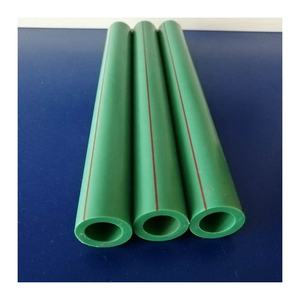
High Quality PN16 PPR Pipe Durable Plastic Water Tube for High Pressure Household
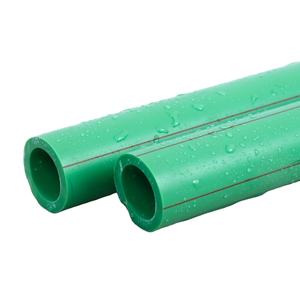
Whole Polypropylene Pipe Plastic Tube Green PN25 20mm PPR Water Pipe
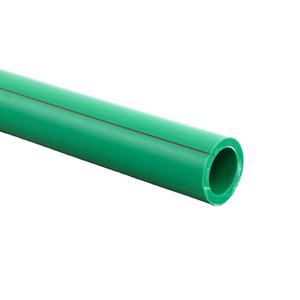
PPR Bututu s Cikakken Girman 20-160mm PN20 Green Customan Filastik Tubes