LUOYANG COME ENERGY TECH CO.,LTD

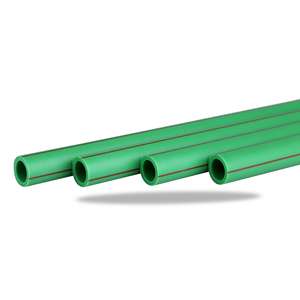
Polypropylene PPR Pipe HDPE PP Pipe Hot Cold Water Pipe
NA PALAPALA HUA
wehewehe
Hoʻolauna oPolypropylene PPR Pipe HDPE PP Pipe Hot Cold Water Pipe
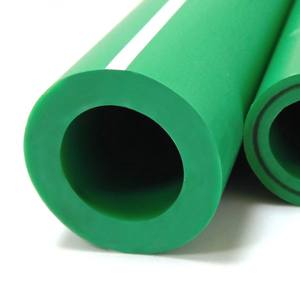
PPR paipu (inoa piha Polypropylene Random Copolymer Pipe, he paipu plastik hana kiʻekiʻe i hana ʻia me nā mea kiʻekiʻe kiʻekiʻe random copolymer polypropylene maka. Ma muli o kona pale wela kiʻekiʻe, pale paʻi, palekana kaiapuni a me ka make ole, hoʻohana nui ʻia i ke kūkulu ʻana i nā ʻōnaehana wai wela a me ke anuanu, ʻenehana HVAC, ka lawe ʻana i ka wai inu a me ka lawe ʻana i ka wai ʻoihana, a he pani kūpono no nā paipu metala kahiko.
Characteristics and Features of Polypropylene PPR Pipe HDPE PP Pipe Hot Cold Water Pipe
ʻO ka wela kiʻekiʻe a me ke kūpaʻa kiʻekiʻe
Hiki i ka mahana hana lōʻihi ke hiki i 70°C, ʻO ka pale wela kiʻekiʻe no ka wā pōkole i 95 ° C, ʻoi aku ka maikaʻi o ka hoʻokō ʻana i ke kaomi (pae kaomi maʻamau PN20, PN25).
Ka palekana a me ke olakino
Maʻemaʻe a ʻaʻohe mea ʻawaʻawa nā mea maka, e hoʻokō i nā kūlana wai inu (e like me FDA, EN ISO a me nā palapala hōʻoia ʻē aʻe), mai hoʻohua bacteria, a e hōʻoia i ka palekana o ka maikaʻi o ka wai.
ʻO ka ʻino a me ka anti-scaling
ʻAkika a me ka alkali pale, ikaika i ka ʻino kino, paia loko pahee, ʻaʻole maʻalahi e hoʻonui, hoʻohana lōʻihi i ke kahe kūpaʻa.
Huina hehee wela, sila ikaika
Ke hoʻohana nei i ka ʻenehana hoʻoheheʻe wela, ʻaʻohe pilikia o ka leakage ma ka pilina, a hoʻomaikaʻi ka ʻōnaehana hoʻohui i ka hilinaʻi o ka ʻōnaehana.
Māmā a maʻalahi ke kūkulu
ʻO ke kaumaha wale nō 1/8 o na paipu metala, kahi kūpono no ka lawe ʻana a me ka hoʻokomo ʻana, e hoemi ana i na koina hana.
Ke ola lōʻihi a me ka mālama haʻahaʻa
ʻOi aku ka ola lawelawe i hoʻolālā ʻia ma mua o 50 makahiki, mālama ʻole, a he haʻahaʻa ke kumukūʻai holoʻokoʻa.
Mālama i ka ikehu a me ka mālama wela
He haʻahaʻa ka conductivity thermal (wale nō 1/200 o na paipu metala), ka mea e hoemi ana i ka wela a kupono no ka wai wela.
(Polypropylene PPR Pipe HDPE PP Pipe Hot Cold Water Pipe)
Specifications of Polypropylene PPR Pipe HDPE PP Pipe Hot Cold Water Pipe
Here’s the product content about polypropylene pipes:
Polypropylene pipes are common for water systems. PPR pipes handle hot and cold water well. They manage high temperatures smoothly. Boiling water won’t damage them. PPR pipes resist scale buildup inside. This keeps water flow consistent over time. They are strong against chemicals too. These pipes last a very long time. Installation is straightforward with heat fusion. This creates leak-proof joints. The pipe and fitting melt together. The connection becomes as strong as the pipe itself.
HDPE pipes are another polypropylene type. They are very tough and flexible. HDPE handles high pressure reliably. These pipes resist cracks and impacts. They work underground or above ground. HDPE is good for cold water supply. It also suits irrigation systems. HDPE pipes join using butt fusion or electrofusion. Both methods ensure solid seals. HDPE won’t rot or corrode.
General PP pipes are versatile. They work for many water applications. PP pipes are lightweight and easy to handle. They are simple to cut and install. These pipes resist corrosion completely. Rust is never a problem. They handle both hot and cold water. PP pipes are affordable. They offer good value. Common sizes are DN20, DN25, DN32, DN40, DN50, DN63, DN75, DN90, DN110. Pressure ratings include PN10, PN16, PN20, PN25. Temperature range is typically -20°C to 95°C. The pipes are smooth inside. Hoʻemi kēia i ka poho friction. Water pressure stays higher. Flow rates are better. They are environmentally friendly. Recycling is possible. Maintenance needs are low.

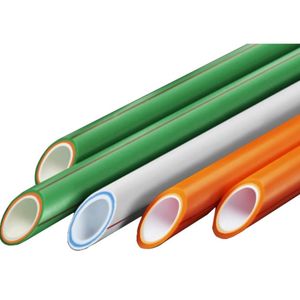
(Polypropylene PPR Pipe HDPE PP Pipe Hot Cold Water Pipe)
Applications of Polypropylene PPR Pipe HDPE PP Pipe Hot Cold Water Pipe
Polypropylene pipes, especially PPR and HDPE types, are essential for modern plumbing and industrial systems. These pipes reliably move hot and cold water. They offer significant advantages over traditional metal pipes. PPR pipes are perfect for hot and cold water supply inside buildings. They handle high temperatures well. Hot water won’t damage them. Cold water flows smoothly too. These pipes resist corrosion completely. Rust and scale buildup inside are non-issues. This keeps water clean and safe. You avoid contamination risks. Water quality stays high for drinking.
HDPE pipes are tough and flexible. They are great for main water lines underground. They handle pressure changes easily. You don’t worry about cracks or breaks. Their flexibility helps them absorb ground movement. They are also excellent for transporting chemicals. Many industrial fluids won’t harm them. Factories use them for process lines. They are safe for carrying acids and alkalis. Farms use them for irrigation systems. They last many years under the sun. They resist UV damage well.
Both PPR and HDPE pipes install quickly. Workers fuse them together using heat. This creates seamless, leak-proof joints. You get a continuous, strong pipeline. Installation is simpler than threading metal pipes. You save time and labor costs. These pipes are very light. Moving and handling them is easy. They cut cleanly with simple tools. Their smooth inner surface reduces friction. Water flows faster with less pump power needed. You save energy costs over time. They are also very quiet. Water moving through them makes little noise.
These pipes are incredibly durable. They last decades without problems. You avoid frequent replacements. They withstand freezing conditions better than metal. Freezing water is less likely to burst them. Maintenance needs are minimal. You rarely need repairs. This reliability makes them cost-effective long-term. They are trusted worldwide for water systems. Builders and engineers choose them for new projects. They work well for home plumbing and large factories. They perform reliably even underground.
Hoʻopili a hoʻouna
Pili i nā huahana a me ka helu,hiki iā mākou ke hana i ka hoʻopili ʻana o ka wili,nā ʻōwili,pūʻolo pūʻolo,pahu a pahu paha,etc.
Hoʻouna:Ma ke kai,alahao,ma ka lewa a i ʻole e like me ke noi a ka mea kūʻai aku.
ʻIkepili Hui
ʻO Luoyang Datang Energy Tech Co., Ltd. ʻO ia ka mea hana Kina alakaʻi kūikawā i nā paipu plastik kiʻekiʻe a me nā mea pono. Hoʻolako ʻia me nā laina hana ʻenehana hou a kākoʻo ʻia e kahi hui o 200 ʻoihana, hāʻawi mākou i kahi laina huahana nui e pili ana ma luna 150 nā ʻano paipu plastik a me nā mea pono i hoʻolālā ʻia no ka hoʻolako ʻana i ka wai a me nā ʻōnaehana wai, lawe kinoea, a me nā ʻōnaehana hoʻomehana papahele. ʻO kā mākou huahana nui nā PVC Pipes a me nā mea pono, PE (HDPE) Paipu a me na lako, PPR Paipu a me na lako, a me na paipu wela o ka papahele PEX.
Inā he nīnau kāu e pili ana i ka HDPE Pipe Fitting, mai hoʻokaʻulua e hoʻokaʻaʻike mai iā mākou!
Tel.:0086-183 3790 0677
Wechat: 0086-183 3790 0677
Whatsapp: 0086-183 3790 0677
leka uila: sales@pipesandfittings.net
Kūkākūkā uku
T/T,L/C ma ka ʻike,Hui Komohana & Paypal,etc.
5 FAQs of Polypropylene PPR Pipe HDPE PP Pipe Hot Cold Water Pipe
What are PPR pipes used for?
PPR pipes carry hot and cold water in homes and buildings. They work for drinking water systems and heating setups. These pipes are common in bathrooms and kitchens.
Why pick PPR pipes over metal pipes?
PPR pipes don’t rust or corrode like metal. Metal pipes get mineral buildup inside. PPR stays smooth inside for years. This keeps water flowing well. PPR is also lighter and easier to install.
Can PPR pipes handle hot water?
ʻAe. PPR pipes handle water up to 95°C. They won’t melt or warp at normal heating temperatures. They’re safe for hot water lines from boilers or solar heaters.
How are PPR pipes connected?
Use heat fusion. Heat the pipe end and the fitting. Push them together. The melted plastic bonds as it cools. This makes a solid, leak-free joint. No glue or threads are needed.
What’s the difference between PPR and HDPE pipes?
PPR is for indoor plumbing and heating systems. HDPE is tougher. HDPE handles outdoor and buried uses like main water lines. PPR resists heat better. HDPE bends more easily for long underground runs.

(Polypropylene PPR Pipe HDPE PP Pipe Hot Cold Water Pipe)
NOI I KA PALAPALA
NA HUAKAI PILI
Color Customized PPR Plastic Pipes for Plumbing, Hot Cold Water Pipes
s’ Plastic Coated Composite Steel Fire Water Supply Pipe Certified
Professional PPH Water Pipe D20-D40 High Pressure ISO Certified Plastic Water Pipe
20mm-160mm Pn16 Pn20 Ppr Pipes Fitting Thermofusion Pipes PPR PPR Paipu Wai
PP Waterproof Flexible Cable Conduit Polypropylene Corrugated Conduit Electrical