LUOYANG CAME ENERGY TECH CO., LTD

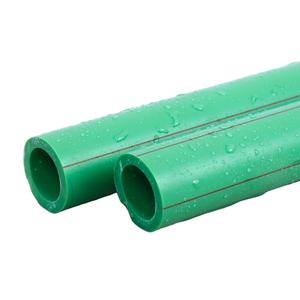
Polypropylene PPR Pipe HDPE PP Pipe Hot Cold Water Pipe
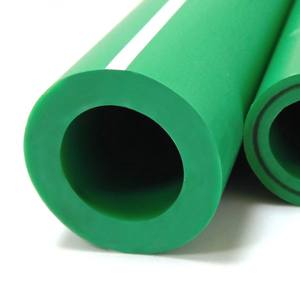
PRODUCT PRAMETERS
Kev piav qhia
Taw qhia ntawmPolypropylene PPR Pipe HDPE PP Pipe Hot Cold Water Pipe
PPR cev (Lub npe tag nrho Polypropylene Random Copolymer Pipe, yog cov yeeb nkab yas ua tau zoo ua los ntawm cov khoom zoo random copolymer polypropylene raw khoom. Vim nws kub tsis kam, siab tsis kam, kev tiv thaiv ib puag ncig thiab tsis muaj tshuaj lom, nws yog dav siv hauv kev tsim cov dej kub thiab dej txias, HVAC engineering, kev thauj mus los ntawm cov dej haus thiab cov kua dej hauv kev lag luam, thiab yog ib qho zoo tagnrho hloov rau cov kav hlau ib txwm siv.
Characteristics and Features of Polypropylene PPR Pipe HDPE PP Pipe Hot Cold Water Pipe
Kub kub thiab kub siab kuj
Lub sijhawm ua haujlwm kub tuaj yeem ncav cuag 70 ° C, Lub sij hawm luv luv siab kub tsis kam mus rau 95 ° C, zoo heev siab bearing kev ua tau zoo (Hom siab PN20, PIB 25).
Kev tiv thaiv ib puag ncig thiab kev noj qab haus huv
Cov khoom siv raw yog ntshiab thiab tsis muaj tshuaj lom, ua tau raws li cov qauv dej haus (xws li FDA, EN ISO thiab lwm yam ntawv pov thawj), tsis txhob yug cov kab mob, thiab xyuas kom muaj kev nyab xeeb ntawm cov dej zoo.
Corrosion thiab anti-scaling
Acid thiab alkali tsis kam, muaj zog tshuaj corrosion kuj, du sab hauv phab ntsa, tsis yooj yim rau scale, kev siv lub sij hawm ntev ntawm kev ruaj khov.
Kub melt kev twb kev txuas, muaj zog sealing
Txais cov tshuab kub yaj lub qhov (socket) technology, tsis muaj kev pheej hmoo ntawm kev xau ntawm kev sib txuas, thiab cov qauv kev sib xyaw ua ke txhim kho kev ntseeg tau.
Lub teeb thiab yooj yim tsim
Qhov hnyav xwb 1/8 ntawm cov kav hlau, uas yooj yim rau kev thauj mus los thiab kev teeb tsa, txo nqi zog.
Lub neej ntev thiab kev saib xyuas qis
Lub neej kev pab tsim yog ntau tshaj 50 xyoo, tsis muaj kev saib xyuas, thiab tus nqi tag nrho yog tsawg.
Kev txuag hluav taws xob thiab txuag hluav taws xob
Lub thermal conductivity yog tsawg (nkaus xwb 1/200 ntawm cov kav hlau), uas txo cov cua sov poob thiab tsim nyog rau cov dej kub.
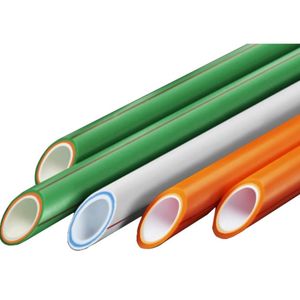
(Polypropylene PPR Pipe HDPE PP Pipe Hot Cold Water Pipe)
Specifications of Polypropylene PPR Pipe HDPE PP Pipe Hot Cold Water Pipe
Here’s the product content about polypropylene pipes:
Polypropylene pipes are common for water systems. PPR pipes handle hot and cold water well. They manage high temperatures smoothly. Boiling water won’t damage them. PPR pipes resist scale buildup inside. This keeps water flow consistent over time. They are strong against chemicals too. These pipes last a very long time. Installation is straightforward with heat fusion. This creates leak-proof joints. The pipe and fitting melt together. The connection becomes as strong as the pipe itself.
HDPE pipes are another polypropylene type. They are very tough and flexible. HDPE handles high pressure reliably. These pipes resist cracks and impacts. They work underground or above ground. HDPE is good for cold water supply. It also suits irrigation systems. HDPE pipes join using butt fusion or electrofusion. Both methods ensure solid seals. HDPE won’t rot or corrode.
General PP pipes are versatile. They work for many water applications. PP pipes are lightweight and easy to handle. They are simple to cut and install. These pipes resist corrosion completely. Rust is never a problem. They handle both hot and cold water. PP pipes are affordable. They offer good value. Common sizes are DN20, DN25, DN32, DN40, DN50, DN63, DN75, DN90, DN110. Pressure ratings include PN10, PIB 16, PN20, PIB 25. Temperature range is typically -20°C to 95°C. The pipes are smooth inside. This reduces friction loss. Water pressure stays higher. Flow rates are better. They are environmentally friendly. Recycling is possible. Maintenance needs are low.

(Polypropylene PPR Pipe HDPE PP Pipe Hot Cold Water Pipe)
Applications of Polypropylene PPR Pipe HDPE PP Pipe Hot Cold Water Pipe
Polypropylene pipes, especially PPR and HDPE types, are essential for modern plumbing and industrial systems. These pipes reliably move hot and cold water. They offer significant advantages over traditional metal pipes. PPR pipes are perfect for hot and cold water supply inside buildings. They handle high temperatures well. Hot water won’t damage them. Cold water flows smoothly too. These pipes resist corrosion completely. Rust and scale buildup inside are non-issues. This keeps water clean and safe. You avoid contamination risks. Water quality stays high for drinking.
HDPE pipes are tough and flexible. They are great for main water lines underground. They handle pressure changes easily. You don’t worry about cracks or breaks. Their flexibility helps them absorb ground movement. They are also excellent for transporting chemicals. Many industrial fluids won’t harm them. Factories use them for process lines. They are safe for carrying acids and alkalis. Farms use them for irrigation systems. They last many years under the sun. They resist UV damage well.
Both PPR and HDPE pipes install quickly. Workers fuse them together using heat. This creates seamless, leak-proof joints. You get a continuous, strong pipeline. Installation is simpler than threading metal pipes. You save time and labor costs. These pipes are very light. Moving and handling them is easy. They cut cleanly with simple tools. Their smooth inner surface reduces friction. Water flows faster with less pump power needed. You save energy costs over time. They are also very quiet. Water moving through them makes little noise.
These pipes are incredibly durable. They last decades without problems. You avoid frequent replacements. They withstand freezing conditions better than metal. Freezing water is less likely to burst them. Maintenance needs are minimal. You rarely need repairs. This reliability makes them cost-effective long-term. They are trusted worldwide for water systems. Builders and engineers choose them for new projects. They work well for home plumbing and large factories. They perform reliably even underground.
Packing thiab Shipping
Nyob ntawm cov khoom thiab qty,peb tuaj yeem ua qhov ntim ntawm coiling,yob,pob khoom,thawv los yog thawv,lwm.
Kev xa khoom:Los ntawm hiav txwv,txoj kev tsheb ciav hlau,los ntawm huab cua los yog raws li cov neeg siv khoom thov.
Tuam txhab Profile
Luoyang Datang Energy Tech Co., Ltd., Ltd. yog cov chaw tsim khoom hauv Suav teb tshwj xeeb hauv cov kav dej yas zoo thiab fittings. Nruab nrog lub xeev-of-the-art automated ntau lawm kab thiab txhawb nqa los ntawm ib pab neeg ntawm 200 cov kws tshaj lij, peb muab cov khoom siv dav dav suav nrog ntau dua 150 hom ntawm cov kav dej yas thiab fittings tsim rau cov dej thiab cov kav dej, kis tau tus mob gas, thiab pem teb cua sov systems. Peb cov khoom tseem ceeb suav nrog PVC Yeeb Nkab thiab Fittings, PE (HDPE) Cov kav dej thiab Fittings, PPR Pipes thiab Fittings, thiab PEX Pem Teb Cua Kub Pipes.
Yog tias koj muaj lus nug txog HDPE yeeb nkab haum, thov tsis txhob yig tiv tauj peb!
Tel.:0086-183 3790 0677
Wechat: 0086-183 3790 0677
Whatsapp: 0086-183 3790 0677
Email: sales@pipesandfittings.net
Cov nqe lus them nqi
T/T,L/C thaum pom,Western Union & Paypal,lwm.
5 FAQs of Polypropylene PPR Pipe HDPE PP Pipe Hot Cold Water Pipe
What are PPR pipes used for?
PPR pipes carry hot and cold water in homes and buildings. They work for drinking water systems and heating setups. These pipes are common in bathrooms and kitchens.
Why pick PPR pipes over metal pipes?
PPR pipes don’t rust or corrode like metal. Metal pipes get mineral buildup inside. PPR stays smooth inside for years. This keeps water flowing well. PPR is also lighter and easier to install.
Can PPR pipes handle hot water?
Yog lawm. PPR pipes handle water up to 95°C. They won’t melt or warp at normal heating temperatures. They’re safe for hot water lines from boilers or solar heaters.
How are PPR pipes connected?
Use heat fusion. Heat the pipe end and the fitting. Push them together. The melted plastic bonds as it cools. This makes a solid, leak-free joint. No glue or threads are needed.
What’s the difference between PPR and HDPE pipes?
PPR is for indoor plumbing and heating systems. HDPE is tougher. HDPE handles outdoor and buried uses like main water lines. PPR resists heat better. HDPE bends more easily for long underground runs.

(Polypropylene PPR Pipe HDPE PP Pipe Hot Cold Water Pipe)
THOV QHIA
QHOV CHAW UA HAUJ LWM
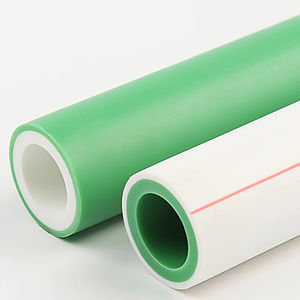
Factory High Quality Plumbing Materials Plastic Tube Water Supply PPR Pipe
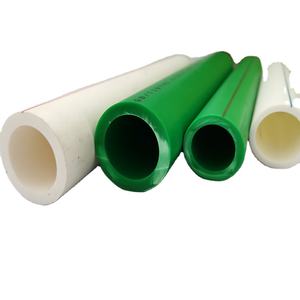
Building Materials Polypropylene Random Pipe PPR Pipe for Potable Water Distribution
PP Pipe and Fittings Made of Durable PE Material High Pressure Pipe Fittings
3mm Diameter PP Tube Polypropylene Transparent Plastic Tube Round Tube Hollow
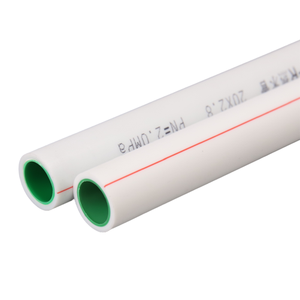
Excellent Low-Temperature Brittleness Polypropylene PP Plastic Pellets for Drinking Water