LUOYANG CAME ENERGY TECH CO.,LTD

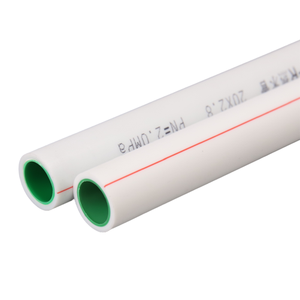
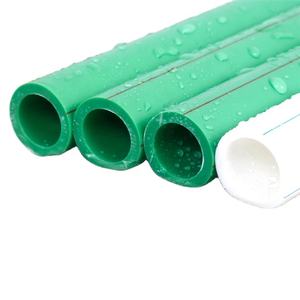
Polypropylene PPR Pipe HDPE PP Pipe Hot Cold Water Pipe
PARAMÈT PWODWI
Deskripsyon
Entwodiksyon dePolypropylene PPR Pipe HDPE PP Pipe Hot Cold Water Pipe
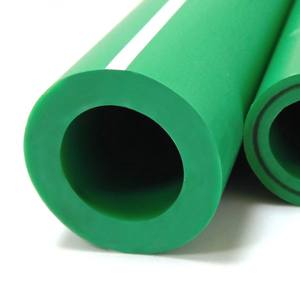
PPR tiyo (non konplè Polypropylène Random Copolymer Pipe, se yon tiyo plastik segondè-pèfòmans ki fèt ak bon jan kalite o aza copolymer polypropylène matyè premyè. Akòz rezistans tanperati wo li yo, rezistans presyon, pwoteksyon anviwònman ak ki pa toksisite, li se lajman ki itilize nan bati sistèm dlo cho ak frèt, Jeni HVAC, transpòtasyon dlo pou bwè ak transmisyon likid endistriyèl, epi li se yon ranplasan ideyal pou tiyo metal tradisyonèl yo.
Characteristics and Features of Polypropylene PPR Pipe HDPE PP Pipe Hot Cold Water Pipe
Segondè tanperati ak rezistans presyon ki wo
Tanperati travay alontèm ka rive nan 70 ° C, kout tèm rezistans tanperati ki wo a 95 ° C, ekselan presyon portant pèfòmans (nivo presyon komen PN20, PN25).
Pwoteksyon anviwònman ak sante
Materyèl anvan tout koreksyon yo pi ak ki pa toksik, satisfè nòm dlo pou bwè (tankou FDA, EN ISO ak lòt sètifikasyon), pa kwaze bakteri, epi asire sekirite bon jan kalite dlo.
Kowozyon ak anti-echèl
Rezistans asid ak alkali, fò rezistans chimik korozyon, lis miray enteryè, pa fasil pou echèl, itilizasyon alontèm nan koule ki estab.
Koneksyon cho fonn, sele fò
Adopte teknoloji priz cho fonn, pa gen okenn risk pou flit nan koneksyon an, ak estrikti entegre a amelyore fyab sistèm.
Lejè ak fasil pou konstwi
Pwa a se sèlman 1/8 nan sa yo ki an metal tiyo, ki se pratik pou transpò ak enstalasyon, diminye depans travay yo.
Long lavi ak antretyen ki ba
Lavi sèvis ki fèt la se pi plis pase 50 ane, antretyen-gratis, ak pri an jeneral ba.
Ekonomize enèji ak prezèvasyon chalè
Konduktivite tèmik la ba (sèlman 1/200 nan tiyo metal), ki diminye pèt chalè epi li apwopriye pou sistèm dlo cho.
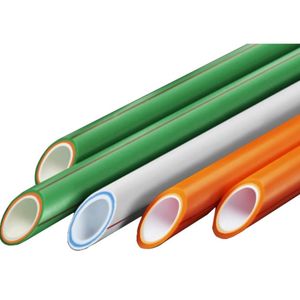
(Polypropylene PPR Pipe HDPE PP Pipe Hot Cold Water Pipe)
Specifications of Polypropylene PPR Pipe HDPE PP Pipe Hot Cold Water Pipe
Here’s the product content about polypropylene pipes:
Polypropylene pipes are common for water systems. PPR pipes handle hot and cold water well. They manage high temperatures smoothly. Boiling water won’t damage them. PPR pipes resist scale buildup inside. This keeps water flow consistent over time. They are strong against chemicals too. These pipes last a very long time. Installation is straightforward with heat fusion. This creates leak-proof joints. The pipe and fitting melt together. The connection becomes as strong as the pipe itself.
HDPE pipes are another polypropylene type. They are very tough and flexible. HDPE handles high pressure reliably. These pipes resist cracks and impacts. They work underground or above ground. HDPE is good for cold water supply. It also suits irrigation systems. HDPE pipes join using butt fusion or electrofusion. Both methods ensure solid seals. HDPE won’t rot or corrode.
General PP pipes are versatile. They work for many water applications. PP pipes are lightweight and easy to handle. They are simple to cut and install. These pipes resist corrosion completely. Rust is never a problem. Yo okipe tou de dlo cho ak dlo frèt. PP pipes are affordable. They offer good value. Common sizes are DN20, DN25, DN32, DN40, DN50, DN63, DN75, DN90, DN110. Pressure ratings include PN10, PN16, PN20, PN25. Temperature range is typically -20°C to 95°C. The pipes are smooth inside. Sa a diminye pèt friksyon. Water pressure stays higher. Flow rates are better. They are environmentally friendly. Recycling is possible. Maintenance needs are low.

(Polypropylene PPR Pipe HDPE PP Pipe Hot Cold Water Pipe)
Applications of Polypropylene PPR Pipe HDPE PP Pipe Hot Cold Water Pipe
Polypropylene pipes, especially PPR and HDPE types, are essential for modern plumbing and industrial systems. These pipes reliably move hot and cold water. They offer significant advantages over traditional metal pipes. PPR pipes are perfect for hot and cold water supply inside buildings. They handle high temperatures well. Hot water won’t damage them. Cold water flows smoothly too. These pipes resist corrosion completely. Rust and scale buildup inside are non-issues. This keeps water clean and safe. You avoid contamination risks. Water quality stays high for drinking.
HDPE pipes are tough and flexible. They are great for main water lines underground. They handle pressure changes easily. You don’t worry about cracks or breaks. Their flexibility helps them absorb ground movement. They are also excellent for transporting chemicals. Many industrial fluids won’t harm them. Factories use them for process lines. They are safe for carrying acids and alkalis. Farms use them for irrigation systems. They last many years under the sun. They resist UV damage well.
Both PPR and HDPE pipes install quickly. Workers fuse them together using heat. This creates seamless, leak-proof joints. You get a continuous, strong pipeline. Installation is simpler than threading metal pipes. You save time and labor costs. These pipes are very light. Moving and handling them is easy. They cut cleanly with simple tools. Their smooth inner surface reduces friction. Water flows faster with less pump power needed. You save energy costs over time. They are also very quiet. Water moving through them makes little noise.
These pipes are incredibly durable. They last decades without problems. You avoid frequent replacements. They withstand freezing conditions better than metal. Freezing water is less likely to burst them. Maintenance needs are minimal. You rarely need repairs. This reliability makes them cost-effective long-term. They are trusted worldwide for water systems. Builders and engineers choose them for new projects. They work well for home plumbing and large factories. They perform reliably even underground.
Anbalaj ak chajman
Depann sou pwodwi yo ak kantite,nou ta ka fè anbalaj la nan bobin,woulo,pake pake,kès oswa bwat,elatriye.
chajman:Pa lanmè,tren,pa lè oswa kòm demann kliyan an.
Konpayi Profile
Luoyang Datang Enèji Tech Co., Ltd. se yon dirijan manifakti Chinwa ki espesyalize nan bon jan kalite tiyo plastik ak ekipman. Ekipe ak liy pwodiksyon otomatik modèn ak sipòte pa yon ekip 200 pwofesyonèl yo, nou ofri yon liy pwodwi vaste comprenant sou 150 kalite tiyo plastik ak ekipman ki fèt pou rezèv dlo ak sistèm drenaj, transmisyon gaz, ak sistèm chofaj etaj. Pwodwi prensipal nou yo gen ladan tiyo PVC ak Fittings, PE (HDPE) Tiyo ak Fittings, PPR Tiyo ak Fittings, ak PEX tiyo chofaj etaj.
Ou ta dwe gen nenpòt kesyon konsènan Fitting tiyo HDPE, tanpri pa ezite kontakte nou!
Tel.:0086-183 3790 0677
Wechat: 0086-183 3790 0677
Whatsapp: 0086-183 3790 0677
Imèl: sales@pipesandfittings.net
Regleman Peman
T/T,L/C nan je,Western Union & Paypal,elatriye.
5 FAQs of Polypropylene PPR Pipe HDPE PP Pipe Hot Cold Water Pipe
What are PPR pipes used for?
PPR pipes carry hot and cold water in homes and buildings. They work for drinking water systems and heating setups. These pipes are common in bathrooms and kitchens.
Why pick PPR pipes over metal pipes?
PPR pipes don’t rust or corrode like metal. Metal pipes get mineral buildup inside. PPR stays smooth inside for years. This keeps water flowing well. PPR is also lighter and easier to install.
Can PPR pipes handle hot water?
Yes. PPR pipes handle water up to 95°C. They won’t melt or warp at normal heating temperatures. They’re safe for hot water lines from boilers or solar heaters.
How are PPR pipes connected?
Use heat fusion. Chofe fen tiyo a ak fitting an. Push them together. The melted plastic bonds as it cools. This makes a solid, leak-free joint. No glue or threads are needed.
What’s the difference between PPR and HDPE pipes?
PPR is for indoor plumbing and heating systems. HDPE is tougher. HDPE handles outdoor and buried uses like main water lines. PPR resists heat better. HDPE bends more easily for long underground runs.

(Polypropylene PPR Pipe HDPE PP Pipe Hot Cold Water Pipe)
DEMANDE YON PREVO
PWODWI ki gen rapò
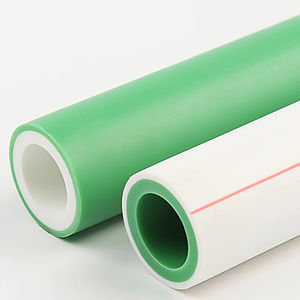
Factory High Quality Plumbing Materials Plastic Tube Water Supply PPR Pipe
Heavy Duty Flexible PVC Clear Nylon Braided Hose Pipe for Watering Garden
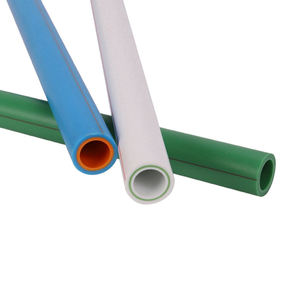
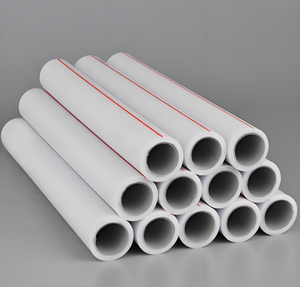
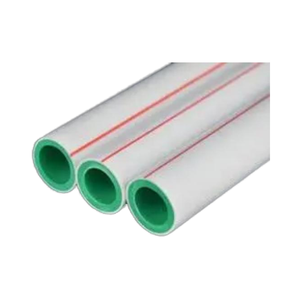
Plastic Pipe Polypropylene PPR Hot Water Supply Pipe for HOTAND COLD WATER
High Quality Hard Rigid Drainage Curved Mesh PP Permeable Pipe Underground
1.5 Inch Poly Pipe Pex Pipe for Water Plumbing Pipe