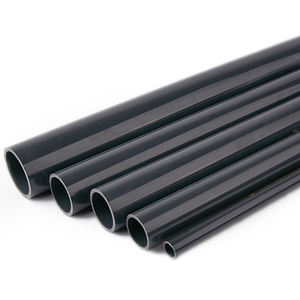
Ụlọ ọrụ LUOYANG CAMEENERGY TECH CO., LTD

Polyethylene (HDPE) Orange PE Gas Pipe for Natural Gas Transmission
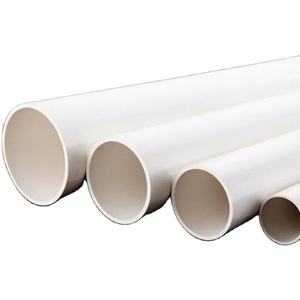
PRAMETERS ngwaahịa
Nkọwa
nkenkeIntroduction of Polyethylene (HDPE) Orange PE Gas Pipe for Natural Gas Transmission
Polyvinyl chloride (PVC) Pipe bụ ihe na-adịgide adịgide, fechaa, na-eri-irè ọkpọkọ ngwọta ọtụtụ ebe na ulo oru, ugbo, ihe owuwu, na ngwa plumbing. Emere ya site na ihe polyvinyl chloride dị elu, PVC ọkpọkọ na-enye ezigbo nguzogide corrosion, mgbidi dị n'ime dị mma maka ịgbasa mmiri nke ọma, na ntụkwasị obi ogologo oge na gburugburu dị iche iche.
Key Features of Polyethylene (HDPE) Orange PE Gas Pipe for Natural Gas Transmission
Corrosion & Nguzogide kemịkalụ
Na-eguzogide nchara, kemikal, na ihe acidic/alkaline, na-eme ka ha dị mma maka ụlọ ọrụ mmepụta ihe na ngwa mmiri mmiri.
Dị fechaa & Nwụnye dị mfe
Nhazi dị arọ na-ebelata ụgbọ njem na ụgwọ ọrụ, mgbe mfe njikọ ụzọ (eg, ihe mgbaze ịgbado ọkụ, eri) hụ na echichi ngwa ngwa.
Ime ime dị nro
Na-ebelata mfu esemokwu, na-eme ka arụmọrụ na-asọ asọ na-ebelata ma na-ebelata oriri ike na usoro njem mmiri.
Ike dị elu & Ịdị ogologo
Na-eguzogide nrụgide dị elu na mmetụta, adabara maka nrụnye n'okpuru ala na n'elu ala.
Ogologo ndụ ije ozi
UV na-eguzogide (ọ bụrụ na emebere ya) na mmiri adịghị emetụta ya, n'ịhụ ọtụtụ iri afọ nke obere ọrụ nlekọta.
Ọnụ-dị irè
Ihe dị ala na nrụnye na-akwụ ụgwọ ma e jiri ya tụnyere ọkpọkọ ígwè, na-enye ụzọ akụ na ụba.
Na-adịghị egbu egbu & Nchekwa
Asambodo maka inye mmiri a na-aṅụ (usoro enweghị ndu dị) ma na-akwado ụkpụrụ mba ụwa (eg, NSF, ASTM).
Ngwa dị iche iche
Ejiri ya na mmiri, igbapu mmiri, ogbugba mmiri n'ubi, ọkụ eletrik, na ụlọ ọrụ nhazi usoro.

(Polyethylene (HDPE) Orange PE Gas Pipe for Natural Gas Transmission)
Specifications of Polyethylene (HDPE) Orange PE Gas Pipe for Natural Gas Transmission
This HDPE orange PE gas pipeline handles gas transmission safely underground. The pipe is made from high-density polyethylene. This material is very solid and hard. It stands up to splits and effects well. HDPE deals with the stress inside gas pipelines efficiently. The brilliant orange color notes it plainly as a gas line. This avoids unexpected damages throughout excavating. Employees quickly identify it.
The pipe surface is extremely smooth inside. Gas flows quickly with reduced friction. This conserves power over long distances. HDPE won’t rust or wear away like steel pipelines. It lasts years below ground without degrading. Soil chemicals and dampness do not harm it. The pipeline product is likewise very light. This makes transferring and taking care of much easier. Installation teams work quicker with lighter pipes.
Long pipeline areas attach using warm fusion. This technique melts the pipeline finishes together. The joint becomes as strong as the pipe wall surface itself. It develops a constant, akara na-enweghị ntapu. This is vital for gas safety. Leakages are stopped. HDPE pipes are adaptable. They flex a little to adhere to the ground’s shapes. This minimizes the requirement for additional fittings. Setup is easier and commonly less costly.
The pipe fulfills strict criteria for gas transmission. It adheres to ASTM D2513 and relevant codes. These ensure worldly quality and efficiency. The pipe is developed for buried usage. It handles regular ground anxieties and loads. Manufacturers ensure its performance for gas service. Safety is the leading concern. This orange HDPE pipeline gives a dependable option for gas networks.

(Polyethylene (HDPE) Orange PE Gas Pipe for Natural Gas Transmission)
Applications of Polyethylene (HDPE) Orange PE Gas Pipe for Natural Gas Transmission
Polyethylene gas pipe, specifically the orange HDPE type, is important for relocating gas securely underground. Its durability and adaptability make it ideal for this job. Ọ na-ejikwa nrụgide dị elu nke ọma. Gas business pick it for new projects and changing old pipelines. Old metal pipes can rust and leakage over time. HDPE doesn’t corrode. This suggests fewer leakages and safer gas shipment. Less leaks protect individuals and building. They also imply less gas lost, saving money.
The brilliant orange color is necessary. Workers easily spot it underground. This avoids unexpected damages throughout digging. It likewise assists locate the pipeline later for fixings or checks. Installing HDPE pipe is usually much faster and less expensive than other products. Lengthy sections are collaborated swiftly utilizing warm combination. This produces a really strong, akara mmiri na-adịghị. The pipe itself is lightweight. This makes managing simpler for employees. It lowers the demand for hefty equipment on website.
HDPE pipe bends conveniently around barriers. This reduces the demand for extra joints. Fewer joints indicate less prospective leak points. It works wonderful for main gas lines running under roads. It’s additionally excellent for service lines linking homes and companies. The pipe is extremely resilient. It stands up to fracturing and damages from ground activity or cold. It lasts for years below ground with little maintenance required.
Trenchless installment methods are popular with HDPE. Techniques like directional exploration permit mounting pipe without excavating huge trenches. This triggers much less interruption to roadways, web traffic, and landscapes. Gas utilities rely on HDPE orange pipe for reputable, long-lasting gas networks. Its performance and security advantages are clear.
Mbukota na mbupu
Dabere na ngwaahịa na qty,anyị nwere ike ịme nkwakọ ngwaahịa,na-apụta,ngwugwu ngwugwu,igbe ma ọ bụ igbe,wdg.
Mbupu:Site n'oké osimiri,ụzọ ụgbọ oloko,site na ikuku ma ọ bụ dị ka ndị ahịa arịrịọ.
Nkọwapụta Ụlọ ọrụ
Ụlọ ọrụ Luoyang Datang Energy Tech Co., Ltd., Ltd. bụ onye na-emepụta ihe na China na-emepụta ọkachamara na ọkpọkọ plastik dị elu na akwa akwa. Ejiri ahịrị mmepụta akpaghị aka nke ọgbara ọhụrụ yana otu ndị otu na-akwado ya 200 ndị ọkachamara, anyị na-enye nnukwu ahịrị ngwaahịa mejupụtara 150 ụdị ọkpọkọ rọba na ihe ndị e mere maka inye mmiri na usoro mmiri mmiri, nnyefe gas, na usoro kpo oku ala. Ngwaahịa anyị bụ isi gụnyere PVC Pipes na Fittings, PE (HDPE) Ọkụ na Ngwakọta, PPR ọkpọkọ na ihe ndozi, na PEX Floor kpo oku ọkpọkọ.
Ọ bụrụ na ị nwere ajụjụ ọ bụla gbasara HDPE Pipe Fitting, biko egbula ịkpọtụrụ anyị!
Tel.:0086-183 3790 0677
Wechat: 0086-183 3790 0677
WhatsApp: 0086-183 3790 0677
Email: sales@pipesandfittings.net
Usoro ịkwụ ụgwọ
T/T,L/C na anya,Western Union & Paypal,wdg.
5 FAQs of Polyethylene (HDPE) Orange PE Gas Pipe for Natural Gas Transmission
What makes these pipes orange?
The bright orange color is mandatory. It instantly identifies pipes carrying natural gas underground. This prevents accidental damage during digging. Workers see orange and know gas is present. Safety rules require this color for buried gas lines.
Why use plastic instead of metal?
HDPE plastic pipes offer big advantages. They resist corrosion completely. Rust destroys metal pipes over time. Plastic pipes stay strong underground for decades. They are also much lighter. This makes them easier and faster to install. They handle ground movement better too. Plastic won’t crack like brittle materials.
How are the pipes joined together?
Ndị ọrụ na-ejikọta ọnụ ọnụ ọkpọkọ ọnụ. They use special heat tools. The heat melts the HDPE plastic at each pipe end. They press the melted ends together firmly. The plastic cools and hardens. This creates one solid, seamless piece of pipe. Njikọ ahụ siri ike dị ka ọkpọkọ n'onwe ya. This fusion prevents leaks completely.
Are these pipes safe for gas?
Ee, they are extremely safe. HDPE is approved for natural gas transmission. The fused joints create a continuous, leak-proof system. Plastic pipes don’t corrode or develop pinhole leaks. They also resist cracks from rocks or minor ground shifts. This reliability makes them the top choice for modern gas networks.
How long do these pipes last underground?
HDPE gas pipes last a very long time. Manufacturers design them for 50 years or more of service. Their resistance to corrosion and chemicals ensures this long life. Properly installed fused joints maintain integrity for the pipe’s entire lifespan. They withstand harsh soil conditions and constant pressure.

(Polyethylene (HDPE) Orange PE Gas Pipe for Natural Gas Transmission)
RỊỌRỌ OKWU
Ngwaahịa ndị metụtara
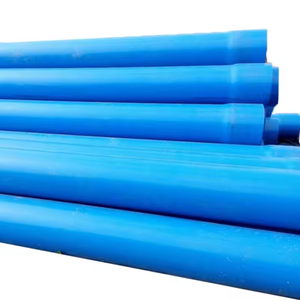
Water Supply Pipe Corrosion-Resistant PVC Conduit Plastic Tubes
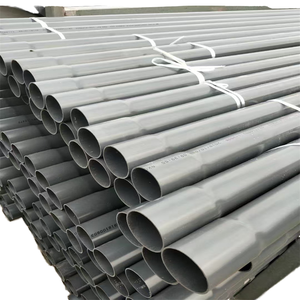
Chloride (PVC-U) Ọkpọkpọ mgbidi okpukpu abụọ etinyeghị plastik
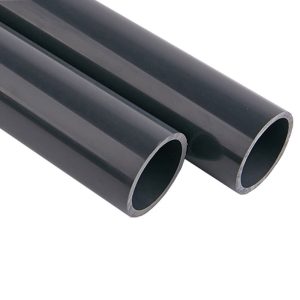
PIPE UPVC dị oke mma maka ịgba mmiri & Owuwu
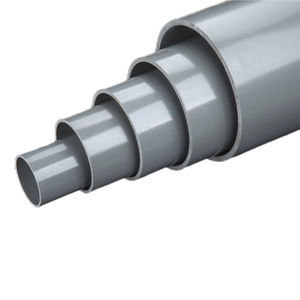
Ọkụ mmiri PVC Maka ala ubi U-PVC Pipe
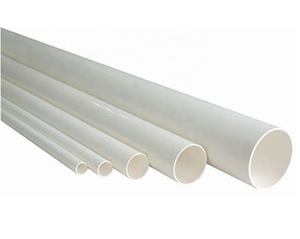
Plastic Tubes for Aquarium Air Pump & Garden Plastic Products