LUOYANG SAU ENERGY TECH CO.,LTD

Polyethylene (HDPE) Orange PE Gas Pipe for Natural Gas Transmission
FA'AVAE FA'AVAE
Fa'amatalaga
Introduction of Polyethylene (HDPE) Orange PE Gas Pipe for Natural Gas Transmission
Polyvinyl chloride (PVC) Paipa is a durable, māmā, ma le tau-lelei vaifofo paipa fa'aaoga lautele i alamanuia, fa'ato'aga, fausiaina, ma fa'aoga paipa. Faia mai mea maualuga polyvinyl chloride mea, O paipa PVC e ofoina atu le lelei tele o le pala, puipui lamolemole totonu mo le tafe lelei o le vai, ma fa'atuatuaina umi i si'osi'omaga eseese.
Key Features of Polyethylene (HDPE) Orange PE Gas Pipe for Natural Gas Transmission
A'a & Tete'e vaila'au:Tetee i le ele, vaila'au, ma mea oona/alkali, faia lelei mo fale gaosi oloa ma suavai leaga.
Māmā & Faigofie Fa'apipi'i:O mamanu mama e faʻaitiitia ai felauaiga ma tau o tagata faigaluega, a'o auala faigofie fa'atasi (e.g., uelo solo, filo) faʻamautinoa vave faʻapipiʻi.
Lau'ele'ele totonugalemu:Fa'aiti'itia le gau o feseaiga, faʻaleleia le lelei o le tafe ma faʻaitiitia le faʻaaogaina o le malosi i faiga felauaiga vai.
Malosi Maualuga & Tumau:Talitonu maualuga le mamafa ma le a'afiaga, talafeagai mo faʻapipiʻi lalo ma luga ole eleele.
Umi Auaunaga Ola:UV-tete'e (pe a fai) ma e le afaina i le susu, fa'amautinoaina le tele o tausaga o fa'agaioiga maualalo le tausiga.
Tau-Tagata:Maualalo mea ma fa'apipi'i tau fa'atusatusa i paipa u'amea, tu'uina atu se isi mea tau tupe.
Le Oona & Saogalemu:Fa'amaonia mo sapalai vai inu (o lo'o maua fua fa'atatau e leai se ta'ita'i) ma tausisia tulaga fa'avaomalo (e.g., NSF, ASTM).
Talosaga Fetuuna'i:Fa'aoga ile sapalai vai, alavai, fa'asusu, ala eletise, ma faiga tau alamanuia.

(Polyethylene (HDPE) Orange PE Gas Pipe for Natural Gas Transmission)
Specifications of Polyethylene (HDPE) Orange PE Gas Pipe for Natural Gas Transmission
This HDPE orange PE gas pipeline handles gas transmission safely underground. The pipe is made from high-density polyethylene. This material is very solid and hard. It stands up to splits and effects well. HDPE deals with the stress inside gas pipelines efficiently. The brilliant orange color notes it plainly as a gas line. This avoids unexpected damages throughout excavating. Employees quickly identify it.
The pipe surface is extremely smooth inside. Gas flows quickly with reduced friction. Ole mea lea e fa'asaoina ai le malosi ile mamao mamao. HDPE won’t rust or wear away like steel pipelines. It lasts years below ground without degrading. Soil chemicals and dampness do not harm it. The pipeline product is likewise very light. This makes transferring and taking care of much easier. Installation teams work quicker with lighter pipes.
Long pipeline areas attach using warm fusion. This technique melts the pipeline finishes together. The joint becomes as strong as the pipe wall surface itself. It develops a constant, fa'amaufa'ailoga sa'oloto. This is vital for gas safety. Leakages are stopped. HDPE pipes are adaptable. They flex a little to adhere to the ground’s shapes. This minimizes the requirement for additional fittings. Setup is easier and commonly less costly.
The pipe fulfills strict criteria for gas transmission. It adheres to ASTM D2513 and relevant codes. These ensure worldly quality and efficiency. The pipe is developed for buried usage. It handles regular ground anxieties and loads. Manufacturers ensure its performance for gas service. Safety is the leading concern. This orange HDPE pipeline gives a dependable option for gas networks.

(Polyethylene (HDPE) Orange PE Gas Pipe for Natural Gas Transmission)
Applications of Polyethylene (HDPE) Orange PE Gas Pipe for Natural Gas Transmission
Polyethylene gas pipe, specifically the orange HDPE type, is important for relocating gas securely underground. Its durability and adaptability make it ideal for this job. E taulimaina lelei le mamafa maualuga. Gas business pick it for new projects and changing old pipelines. Old metal pipes can rust and leakage over time. HDPE doesn’t corrode. This suggests fewer leakages and safer gas shipment. Less leaks protect individuals and building. They also imply less gas lost, saving money.
The brilliant orange color is necessary. Workers easily spot it underground. This avoids unexpected damages throughout digging. It likewise assists locate the pipeline later for fixings or checks. Installing HDPE pipe is usually much faster and less expensive than other products. Lengthy sections are collaborated swiftly utilizing warm combination. This produces a really strong, fa'amaufa'ailoga vai. The pipe itself is lightweight. This makes managing simpler for employees. It lowers the demand for hefty equipment on website.
HDPE paipa bends conveniently around barriers. This reduces the demand for extra joints. Fewer joints indicate less prospective leak points. It works wonderful for main gas lines running under roads. It’s additionally excellent for service lines linking homes and companies. The pipe is extremely resilient. It stands up to fracturing and damages from ground activity or cold. It lasts for years below ground with little maintenance required.
Trenchless installment methods are popular with HDPE. Techniques like directional exploration permit mounting pipe without excavating huge trenches. This triggers much less interruption to roadways, web traffic, and landscapes. Gas utilities rely on HDPE orange pipe for reputable, long-lasting gas networks. Its performance and security advantages are clear.
afifiina ma uta
Faʻalagolago i oloa ma le tele,e mafai ona matou faia le afifiina o vili,ta'avale,afifiina o fusi,pusa po'o pusa,ma isi.
utaina:I le sami,nofoaafi,i le ea poʻo le manaʻoga a le tagata faʻatau.
Fa'amatalaga a le Kamupani
Luoyang Datang Energy Tech Co., Ltd. ose ta'uta'ua Saina gaosi oloa fa'apitoa i paipa palasitika maualuluga ma mea fa'apipi'i. Fa'aauupegaina i laina otometi fa'aonaponei fa'aonaponei ma lagolagoina e se 'au o 200 polofesa, matou te ofoina atu se laina oloa tele e aofia ai luga 150 ituaiga o paipa palasitika ma mea fa'apipi'i ua fuafuaina mo le sapalai o le vai ma alavai, felauaiga kesi, ma faiga faamafanafana fola. O a matou oloa autu e aofia ai PVC Pipes ma Fittings, PE (HDPE) Paipa ma Mea Fa'apipi'i, PPR paipa ma mea fa'apipi'i, ma le PEX Fa'avela Fa'avela.
Afai ei ai ni au fa'amatalaga e uiga i le HDPE Pipe Fitting, faamolemole aua le faatuai e faafesootai i matou!
Tel.:0086-183 3790 0677
Wechat: 0086-183 3790 0677
Whatsapp: 0086-183 3790 0677
imeli: sales@pipesandfittings.net
Tulaga Totogi
T/T,L/C i le vaai,Western Union & Paypal,ma isi.
5 FAQs of Polyethylene (HDPE) Orange PE Gas Pipe for Natural Gas Transmission
1. What makes these pipes orange?
The bright orange color is mandatory. It instantly identifies pipes carrying natural gas underground. This prevents accidental damage during digging. Workers see orange and know gas is present. Safety rules require this color for buried gas lines.
2. Why use plastic instead of metal?
HDPE plastic pipes offer big advantages. They resist corrosion completely. Rust destroys metal pipes over time. Plastic pipes stay strong underground for decades. They are also much lighter. This makes them easier and faster to install. They handle ground movement better too. Plastic won’t crack like brittle materials.
3. How are the pipes joined together?
Workers fuse the pipe ends together. They use special heat tools. The heat melts the HDPE plastic at each pipe end. They press the melted ends together firmly. The plastic cools and hardens. O lenei mea e maua ai se tasi mautu, seamless piece of pipe. The joint is as strong as the pipe itself. This fusion prevents leaks completely.
4. Pe saogalemu ia paipa mo kesi?
Ioe, they are extremely safe. HDPE is approved for natural gas transmission. The fused joints create a continuous, leak-proof system. Plastic pipes don’t corrode or develop pinhole leaks. They also resist cracks from rocks or minor ground shifts. This reliability makes them the top choice for modern gas networks.
5. How long do these pipes last underground?
HDPE gas pipes last a very long time. Manufacturers design them for 50 years or more of service. Their resistance to corrosion and chemicals ensures this long life. Properly installed fused joints maintain integrity for the pipe’s entire lifespan. They withstand harsh soil conditions and constant pressure.

(Polyethylene (HDPE) Orange PE Gas Pipe for Natural Gas Transmission)
TALOSAGA O SE FAI
O MEA E FAI AI
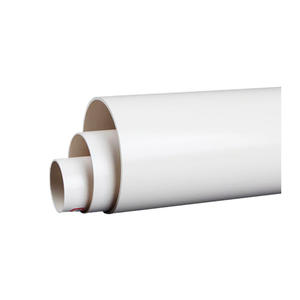
Sitaili vevela 100 PVC Pipe White PVC Plastic Tubes For Water Supply
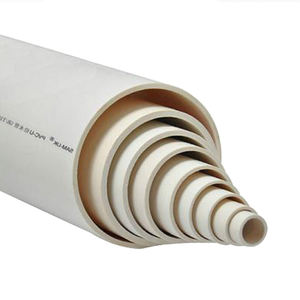
Tulaga Fa'apitoa PVC Suavai Fa'aivai Paipa Fa'amatalaga Eseese Maualuga Maualuga
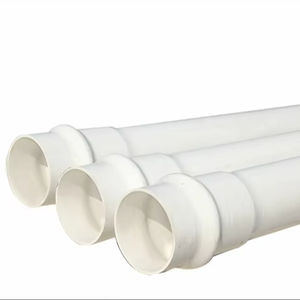
Standard Plastic PVC Equal Water Drainage UPVC Cross 4 Way Pipe Fitting
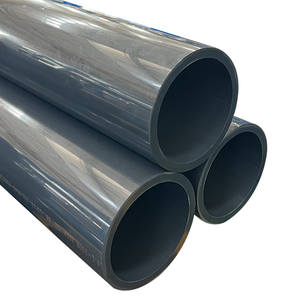
Fa'apolofesa UPVC Suavai Paipa Polyvinyl Chloride Alavai Ulu Suavai Paipa
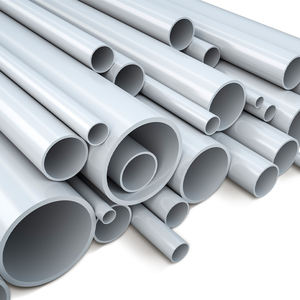
Tulaga lelei Alamanuia Plastic PVC Tube UPVC Paipa Mo Suavai ma Omiga Maualuga