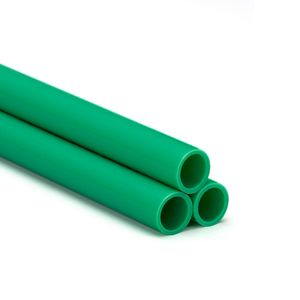
LUOYANG È VENUTO ENERGIA TECH CO.,LTD

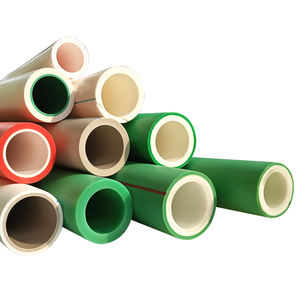
Polypropylene PPR Pipe HDPE PP Pipe Hot Cold Water Pipe
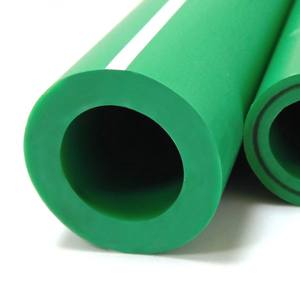
PARAMETRI DEL PRODOTTO
Descrizione
Introduzione diPolypropylene PPR Pipe HDPE PP Pipe Hot Cold Water Pipe
Tubo in PPR (nome completo Tubo in copolimero casuale in polipropilene, è un tubo in plastica ad alte prestazioni realizzato con materie prime di polipropilene copolimero casuale di alta qualità. Grazie alla sua resistenza alle alte temperature, resistenza alla pressione, protezione dell'ambiente e atossicità, è ampiamente utilizzato nella costruzione di sistemi di acqua calda e fredda, Ingegneria HVAC, trasporto di acqua potabile e trasmissione di fluidi industriali, ed è un sostituto ideale dei tradizionali tubi metallici.
Characteristics and Features of Polypropylene PPR Pipe HDPE PP Pipe Hot Cold Water Pipe
Resistenza alle alte temperature e alle alte pressioni
La temperatura di lavoro a lungo termine può raggiungere i 70°C, resistenza alle alte temperature a breve termine fino a 95°C, eccellenti prestazioni di carico della pressione (livello di pressione comune PN20, PN25).
Tutela dell'ambiente e salute
Le materie prime sono pure e non tossiche, soddisfare gli standard dell'acqua potabile (come la FDA, EN ISO e altre certificazioni), non allevare batteri, e garantire la sicurezza della qualità dell’acqua.
Corrosione e anticalcare
Resistenza agli acidi e agli alcali, forte resistenza alla corrosione chimica, parete interna liscia, non facile da scalare, uso a lungo termine di un flusso stabile.
Connessione hot melt, forte tenuta
Adozione della tecnologia hot melt, non vi è alcun rischio di perdite nel collegamento, e la struttura integrata migliora l'affidabilità del sistema.
Leggero e facile da costruire
Il peso è solo 1/8 di quello dei tubi metallici, che è conveniente per il trasporto e l'installazione, riducendo il costo del lavoro.
Lunga durata e bassa manutenzione
La vita utile progettata è superiore a 50 anni, esente da manutenzione, e il costo complessivo è basso.
Risparmio energetico e conservazione del calore
La conduttività termica è bassa (soltanto 1/200 di tubi metallici), che riduce la perdita di calore ed è adatto per sistemi di acqua calda.
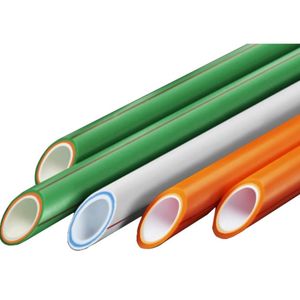
(Polypropylene PPR Pipe HDPE PP Pipe Hot Cold Water Pipe)
Specifications of Polypropylene PPR Pipe HDPE PP Pipe Hot Cold Water Pipe
Here’s the product content about polypropylene pipes:
Polypropylene pipes are common for water systems. PPR pipes handle hot and cold water well. They manage high temperatures smoothly. Boiling water won’t damage them. PPR pipes resist scale buildup inside. This keeps water flow consistent over time. They are strong against chemicals too. These pipes last a very long time. Installation is straightforward with heat fusion. This creates leak-proof joints. The pipe and fitting melt together. The connection becomes as strong as the pipe itself.
HDPE pipes are another polypropylene type. They are very tough and flexible. HDPE handles high pressure reliably. These pipes resist cracks and impacts. They work underground or above ground. HDPE is good for cold water supply. It also suits irrigation systems. HDPE pipes join using butt fusion or electrofusion. Both methods ensure solid seals. HDPE won’t rot or corrode.
General PP pipes are versatile. They work for many water applications. PP pipes are lightweight and easy to handle. They are simple to cut and install. These pipes resist corrosion completely. Rust is never a problem. They handle both hot and cold water. PP pipes are affordable. They offer good value. Common sizes are DN20, DN25, DN32, DN40, DN50, DN63, DN75, DN90, DN110. Pressure ratings include PN10, PN16, PN20, PN25. Temperature range is typically -20°C to 95°C. The pipes are smooth inside. Ciò riduce la perdita di attrito. Water pressure stays higher. Flow rates are better. They are environmentally friendly. Recycling is possible. Maintenance needs are low.

(Polypropylene PPR Pipe HDPE PP Pipe Hot Cold Water Pipe)
Applications of Polypropylene PPR Pipe HDPE PP Pipe Hot Cold Water Pipe
Polypropylene pipes, especially PPR and HDPE types, are essential for modern plumbing and industrial systems. These pipes reliably move hot and cold water. They offer significant advantages over traditional metal pipes. PPR pipes are perfect for hot and cold water supply inside buildings. Reggono bene le alte temperature. Hot water won’t damage them. Anche l'acqua fredda scorre senza intoppi. These pipes resist corrosion completely. Rust and scale buildup inside are non-issues. This keeps water clean and safe. You avoid contamination risks. Water quality stays high for drinking.
HDPE pipes are tough and flexible. They are great for main water lines underground. They handle pressure changes easily. You don’t worry about cracks or breaks. Their flexibility helps them absorb ground movement. They are also excellent for transporting chemicals. Many industrial fluids won’t harm them. Factories use them for process lines. They are safe for carrying acids and alkalis. Farms use them for irrigation systems. They last many years under the sun. They resist UV damage well.
Both PPR and HDPE pipes install quickly. Workers fuse them together using heat. Questo crea senza soluzione di continuità, giunti a tenuta stagna. You get a continuous, strong pipeline. Installation is simpler than threading metal pipes. You save time and labor costs. These pipes are very light. Moving and handling them is easy. They cut cleanly with simple tools. Their smooth inner surface reduces friction. Water flows faster with less pump power needed. You save energy costs over time. They are also very quiet. Water moving through them makes little noise.
These pipes are incredibly durable. They last decades without problems. You avoid frequent replacements. They withstand freezing conditions better than metal. Freezing water is less likely to burst them. Maintenance needs are minimal. You rarely need repairs. This reliability makes them cost-effective long-term. They are trusted worldwide for water systems. Builders and engineers choose them for new projects. They work well for home plumbing and large factories. They perform reliably even underground.
Imballaggio e spedizione
Dipende dai prodotti e dalla quantità,potremmo effettuare l'imballaggio dell'avvolgimento,rotoli,imballaggio in bundle,casse o scatole,ecc.
Spedizione:Via mare,ferrovia,per via aerea o come richiesta del cliente.
Profilo Aziendale
Luoyang Datang Energy Tech Co., Ltd. è un produttore cinese leader specializzato in tubi e raccordi in plastica di alta qualità. Dotato di linee di produzione automatizzate all'avanguardia e supportato da un team di 200 professionisti, offriamo una vasta linea di prodotti che comprende oltre 150 tipi di tubi e raccordi in plastica progettati per sistemi di approvvigionamento idrico e di drenaggio, trasmissione del gas, e sistemi di riscaldamento a pavimento. I nostri prodotti principali includono tubi e raccordi in PVC, PE (HDPE) Tubi e raccordi, Tubi e raccordi PPR, e tubi per riscaldamento a pavimento PEX.
In caso di domande relative al raccordo per tubi in HDPE, non esitate a contattarci!
tel.:0086-183 3790 0677
Wechat: 0086-183 3790 0677
Whatsapp: 0086-183 3790 0677
E-mail: sales@pipesandfittings.net
Termini di pagamento
T/T,L/C a vista,Unione occidentale & PayPal,ecc.
5 FAQs of Polypropylene PPR Pipe HDPE PP Pipe Hot Cold Water Pipe
A cosa servono i tubi PPR?
PPR pipes carry hot and cold water in homes and buildings. They work for drinking water systems and heating setups. These pipes are common in bathrooms and kitchens.
Why pick PPR pipes over metal pipes?
PPR pipes don’t rust or corrode like metal. Metal pipes get mineral buildup inside. PPR stays smooth inside for years. This keeps water flowing well. PPR is also lighter and easier to install.
I tubi PPR possono gestire l'acqua calda?
SÌ. PPR pipes handle water up to 95°C. They won’t melt or warp at normal heating temperatures. They’re safe for hot water lines from boilers or solar heaters.
How are PPR pipes connected?
Use heat fusion. Heat the pipe end and the fitting. Spingerli insieme. The melted plastic bonds as it cools. Questo rende un solido, leak-free joint. No glue or threads are needed.
What’s the difference between PPR and HDPE pipes?
PPR is for indoor plumbing and heating systems. HDPE is tougher. HDPE handles outdoor and buried uses like main water lines. PPR resists heat better. HDPE bends more easily for long underground runs.

(Polypropylene PPR Pipe HDPE PP Pipe Hot Cold Water Pipe)
RICHIEDI UN PREVENTIVO
PRODOTTI CORRELATI
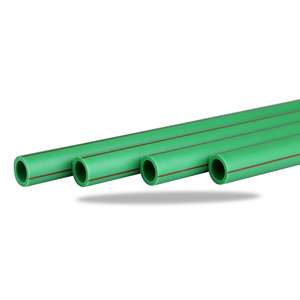
PPR Pipe Round Plastic Tubes White Green Pipe 20-32mm PN16 PN20 Polypropylene
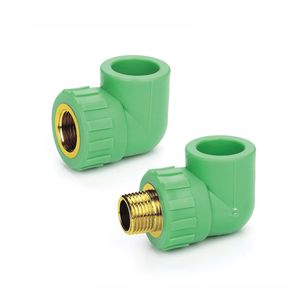
Customization Produced High Quality Pipe Fitting White Pvc Ppr Pp Tube
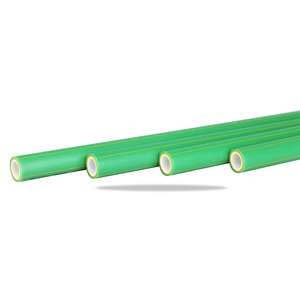
Polypropylene Electrofusion Coupler Electro Fusion PPR Fittings
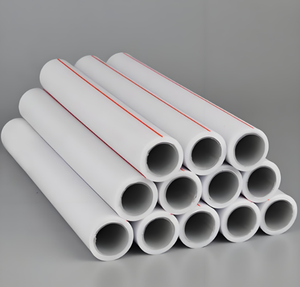
Plastic PPH IPS Best Crew Pipe
Fabbrica di tubi di approvvigionamento idrico in PVC resistente alla corrosione rispettosa dell'ambiente