洛陽来来エナジーテック株式会社


農業用灌漑用パイプ: HDPE, PVC, または PPR – あなたの農場にとってどちらが最良の選択ですか?
Choosing the right agricultural irrigation pipe is one of the most important decisions for farmers, 卸売業者, and irrigation system designers. The efficiency of your irrigation system depends on selecting the correct pipe material. Among the most common choices are HDPE 灌漑パイプ, PVC灌漑パイプ, そして PPR irrigation pipes. This article compares these three options in terms of durability, インストール, weather resistance, and long-term cost.
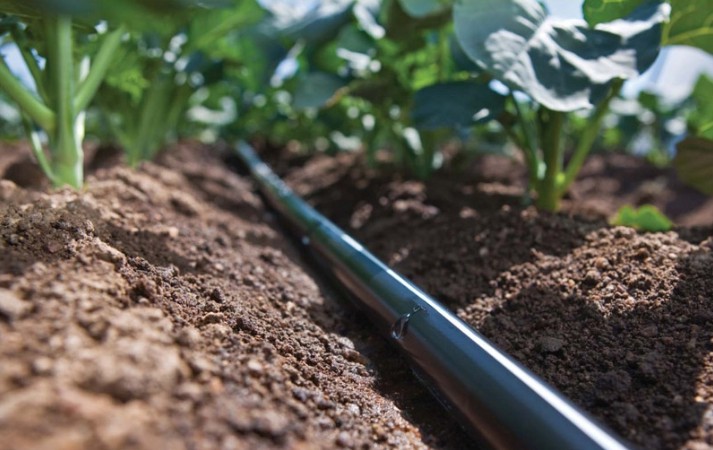
1. Why Pipe Material Matters in Agricultural Irrigation
Agricultural irrigation pipes are exposed to sunlight, 水圧, and sometimes chemical fertilizers. The wrong choice of pipe may lead to frequent leaks, higher maintenance costs, and reduced irrigation efficiency. By comparing HDPE, PVC, およびPPRパイプ, farmers can make a smarter decision that ensures stable water delivery and better crop yields.
1.1 HDPE Irrigation Pipes: Flexible and Durable
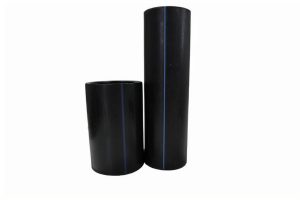
HDPE irrigation pipes are widely used in modern farms due to their high flexibility and durability. They are resistant to UV rays, 腐食, and cracking, which makes them ideal for outdoor installations. Another advantage is their ability to withstand high water pressure, making them perfect for both sprinkler systems and mainline irrigation networks.
Key Benefits of HDPE Pipes
– Excellent resistance to chemicals and fertilizers
– Long lifespan, reducing replacement costs
– Easy to transport and install due to lightweight material
1.2 PVC Irrigation Pipes: Affordable and Reliable
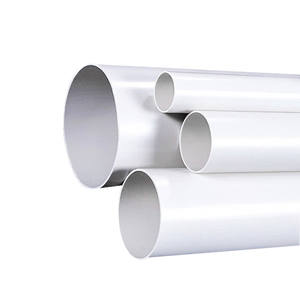
PVC irrigation pipes are one of the most affordable choices for agricultural irrigation. 軽量です, easy to cut and connect, and suitable for low to medium pressure applications. Farmers often use PVC pipes in drip irrigation systems and for distributing water across flat fields. しかし, PVC is less flexible than HDPE and may crack under extreme weather conditions.
Key Benefits of PVC Pipes
– Cost-effective option for small and medium farms
– Easy to install with simple fittings
– Suitable for drip irrigation and low-pressure water distribution
1.3 PPR Irrigation Pipes: Strong and Heat-Resistant
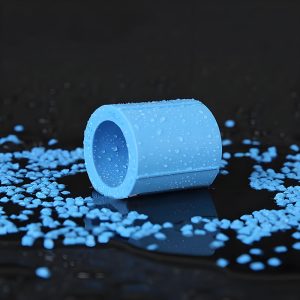
PPR irrigation pipes are known for their strength and resistance to high temperatures. Although they are more commonly used in indoor water supply systems, PPR pipes can also serve in agricultural irrigation projects where hot climates and long-term durability are essential. They are more expensive than PVC, but they offer better performance in certain applications.
Key Benefits of PPR Pipes
– Excellent resistance to heat and pressure
– Smooth inner surface for efficient water flow
– High durability with minimal maintenance needs
2. How to Choose the Right Irrigation Pipe for Your Farm
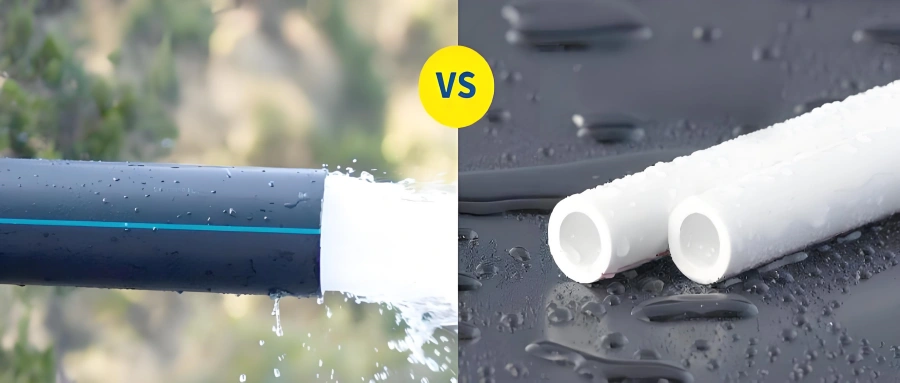
The choice between HDPE, PVC, and PPR irrigation pipes depends on your specific agricultural needs:
– For long-term durability and flexibility: Choose HDPE irrigation pipes.
– For budget-friendly, simple irrigation systems: Choose PVC irrigation pipes.
– For high-temperature resistance and strong water flow: Choose PPR irrigation pipes.
Always consider climate, soil type, 水圧, and maintenance requirements when making your decision.
結論
Agricultural irrigation pipes are the backbone of efficient water delivery systems. Whether you select HDPE, PVC, or PPR irrigation pipes, each material offers unique advantages. By evaluating your farm’s needs and budget, you can choose the most suitable solution. Reliable pipes mean fewer breakdowns, improved crop yields, and better overall irrigation performance.
3. Additional Considerations for Long-Term Irrigation Planning
Beyond the initial material selection, long-term maintenance and environmental adaptability should also be factored into your decision. While PVC and PPR pipes offer excellent performance in specific conditions, HDPE pipes often provide superior long-term value in large-scale agricultural projects. Their fusion-welded joints create a leak-proof, monolithic system that significantly reduces the risk of water loss and root intrusion over decades of use.
4. Sustainability and Environmental Impact
Modern agriculture is increasingly focusing on sustainable practices. HDPE is highly recyclable and requires less energy to manufacture compared to other plastics. さらに, its resistance to UV degradation means fewer replacements over the system’s lifecycle, reducing plastic waste. When evaluating suppliers, always ensure the pipes meet international standards for agricultural safety and environmental compliance.
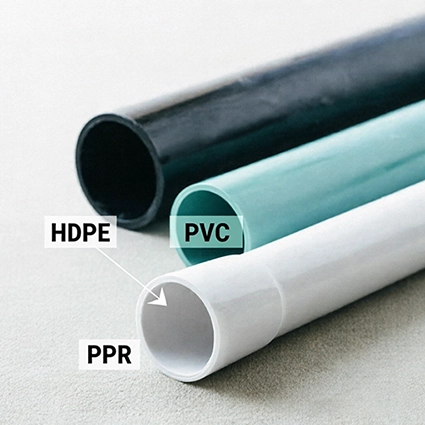
Comparison chart of HDPE, PVC, and PPR agricultural irrigation pipes
サプライヤー
洛陽大唐能源科技有限公司, 株式会社. 高品質のプラスチックパイプと継手を専門とする中国の大手メーカーです. 最先端の自動生産ラインを備え、チームによってサポートされています。 200 専門家, 私たちは以上を含む広範な製品ラインを提供しています 150 types of plastic pipes and fittings designed for water supply and drainage systems, ガストランスミッション, および床暖房システム. 当社の主力製品には塩ビ管および継手などがあります。, PE (HDPE) パイプと継手, PPR パイプおよび継手, PEX床暖房パイプ。
PPRパイプに関するお問い合わせはこちら,真鍮製バルブと真鍮製継手, お気軽にお問い合わせください!
- 電話番号:0086-183 3790 0677
- 微信: 0086-183 3790 0677
- ワッツアップ: 0086-183 3790 0677
- 電子メール: sales@pipesandfittings.net
Selecting the right irrigation pipe is an investment in your farm’s future productivity. At 洛陽大唐能源科技有限公司, 株式会社., we are committed to providing premium-quality HDPE, PVC, and PPR irrigation solutions tailored to diverse agricultural landscapes. Our automated production lines and strict quality control ensure that every pipe we deliver is built to withstand the rigors of modern farming. Reach out to our team today for customized irrigation solutions and competitive wholesale pricing.