LUOYANG DATANG ENERGY TECH CO.,LTD


Agricultural Irrigation Pipes: HDPE, PVC, or PPR – Which is the Best Choice for Your Farm?
Choosing the right agricultural irrigation pipe is one of the most important decisions for farmers, wholesalers, and irrigation system designers. The efficiency of your irrigation system depends on selecting the correct pipe material. Among the most common choices are HDPE irrigation pipes, PVC irrigation pipes, and PPR irrigation pipes. This article compares these three options in terms of durability, installation, weather resistance, and long-term cost.
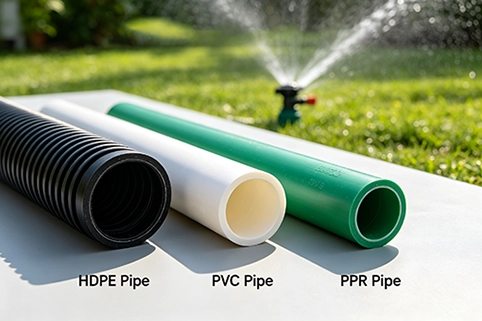
Quick Overview: HDPE vs PVC vs PPR for Irrigation
| Factor | HDPE | PVC | PPR |
|---|---|---|---|
| Durability | ★★★★★ | ★★★☆ | ★★★★ |
| Flexibility | ★★★★★ | ★★☆ | ★★★ |
| UV Resistance | ★★★★☆ | ★★★ | ★★★★ |
| Pressure Rating | ★★★★★ | ★★★☆ | ★★★★★ |
| Installation Ease | ★★★★ | ★★★★★ | ★★★ |
| Initial Cost | ★★★ | ★★★★★ | ★★★ |
| Long-term Value | ★★★★★ | ★★★ | ★★★★ |
| Best For | Large farms, mainlines, sprinkler systems | Small farms, drip systems, flat terrain | Hot climates, high-temp water, indoor systems |
1. Why Pipe Material Matters in Agricultural Irrigation
Agricultural irrigation pipes are exposed to sunlight, water pressure, and sometimes chemical fertilizers. The wrong choice of pipe may lead to frequent leaks, higher maintenance costs, and reduced irrigation efficiency. By comparing HDPE, PVC, and PPR pipes, farmers can make a smarter decision that ensures stable water delivery and better crop yields.
1.1 HDPE Irrigation Pipes: Flexible and Durable
HDPE irrigation pipes are widely used in modern farms due to their high flexibility and durability. They are resistant to UV rays, corrosion, and cracking, which makes them ideal for outdoor installations. Another advantage is their ability to withstand high water pressure, making them perfect for both sprinkler systems and mainline irrigation networks.
Key Benefits of HDPE Pipes
– Excellent resistance to chemicals and fertilizers
– Long lifespan, reducing replacement costs
– Easy to transport and install due to lightweight material
Typical HDPE Irrigation Pipe Specifications
- Pressure Ratings: PN4 – PN25 (4 bar to 25 bar)
- Temperature Range: -40°C to 60°C
- Available Sizes: 16mm – 1200mm OD
- Standards: ISO 4427, ASTM F714, EN 12201
- Joint Methods: Butt fusion, electrofusion, mechanical fittings
1.2 PVC Irrigation Pipes: Affordable and Reliable
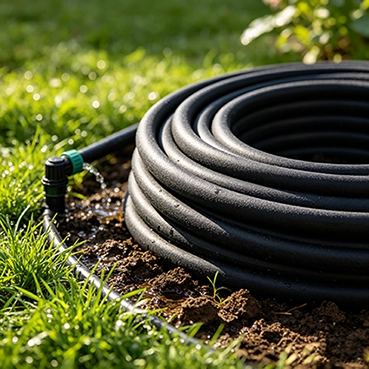
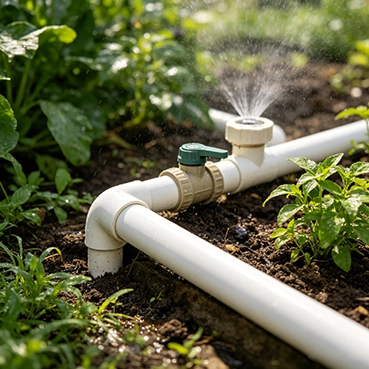
PVC irrigation pipes are one of the most affordable choices for agricultural irrigation. They are lightweight, easy to cut and connect, and suitable for low to medium pressure applications. Farmers often use PVC pipes in drip irrigation systems and for distributing water across flat fields. However, PVC is less flexible than HDPE and may crack under extreme weather conditions.
Key Benefits of PVC Pipes
– Cost-effective option for small and medium farms
– Easy to install with simple fittings
– Suitable for drip irrigation and low-pressure water distribution
Typical PVC Irrigation Pipe Specifications
- Pressure Ratings: PN6 – PN16 (6 bar to 16 bar)
- Temperature Range: 0°C to 45°C
- Available Sizes: 20mm – 630mm OD
- Standards: ISO 1452, ASTM D1785, BS 3505
- Joint Methods: Solvent cement, threaded fittings, rubber gasket
PVC Irrigation Pipes
1.3 PPR Irrigation Pipes: Strong and Heat-Resistant
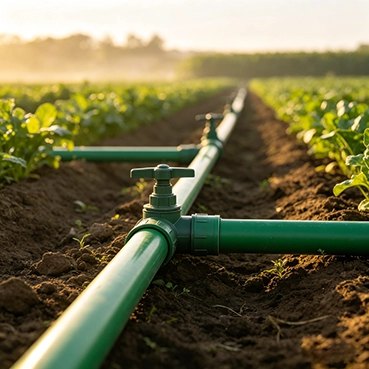
PPR irrigation pipes are known for their strength and resistance to high temperatures. Although they are more commonly used in indoor water supply systems, PPR pipes can also serve in agricultural irrigation projects where hot climates and long-term durability are essential. They are more expensive than PVC, but they offer better performance in certain applications.
Key Benefits of PPR Pipes
– Excellent resistance to heat and pressure
– Smooth inner surface for efficient water flow
– High durability with minimal maintenance needs
Typical PPR Irrigation Pipe Specifications
- Pressure Ratings: PN10 – PN25 (10 bar to 25 bar)
- Temperature Range: -10°C to 95°C
- Available Sizes: 20mm – 160mm OD
- Standards: ISO 15874, DIN 8077/8078, ASTM F2389
- Joint Methods: Heat fusion (socket fusion, butt fusion)
Note: PPR pipes are less commonly used in large-scale agricultural irrigation compared to HDPE and PVC, primarily due to limited size availability and higher material cost. However, they are an excellent choice for greenhouse irrigation, hot water systems, and small-scale horticultural projects where high temperature resistance is required.
2. How to Choose the Right Irrigation Pipe for Your Farm
The choice between HDPE, PVC, and PPR irrigation pipes depends on your specific agricultural needs:
– For long-term durability and flexibility: Choose HDPE irrigation pipes.
– For budget-friendly, simple irrigation systems: Choose PVC irrigation pipes.
– For high-temperature resistance and strong water flow: Choose PPR irrigation pipes.
Always consider climate, soil type, water pressure, and maintenance requirements when making your decision.
Irrigation Pipe Selection Matrix
| Your Farm Condition | Recommended Pipe | Reason |
|---|---|---|
| Large field, high water pressure, mainline system | HDPE | High pressure rating, fusion joints, long lifespan |
| Small farm, flat terrain, low budget | PVC | Low cost, easy installation, sufficient for low pressure |
| Drip irrigation system on row crops | PVC or HDPE | PVC for budget; HDPE for longevity and flexibility |
| Greenhouse irrigation with hot water | PPR | Excellent heat resistance, smooth inner wall |
| Sandy or rocky soil with ground movement | HDPE | Flexibility prevents cracking during soil shifts |
| Temporary or seasonal irrigation setup | PVC | Easy to assemble and disassemble |
3. Additional Considerations for Long-Term Irrigation Planning
Beyond the initial material selection, long-term maintenance and environmental adaptability should also be factored into your decision. While PVC and PPR pipes offer excellent performance in specific conditions, HDPE pipes often provide superior long-term value in large-scale agricultural projects. Their fusion-welded joints create a leak-proof, monolithic system that significantly reduces the risk of water loss and root intrusion over decades of use.
4. Sustainability and Environmental Impact
Modern agriculture is increasingly focusing on sustainable practices. HDPE is highly recyclable and requires less energy to manufacture compared to other plastics. Furthermore, its resistance to UV degradation means fewer replacements over the system’s lifecycle, reducing plastic waste. When evaluating suppliers, always ensure the pipes meet international standards for agricultural safety and environmental compliance.
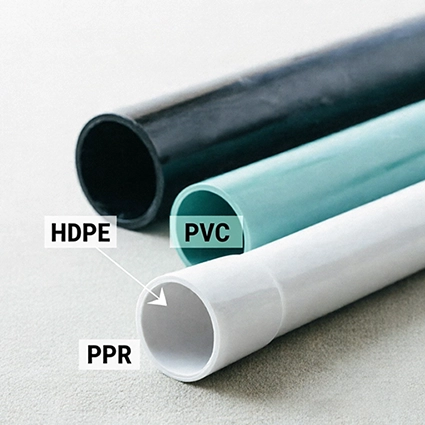
Comparison chart of HDPE, PVC, and PPR agricultural irrigation pipes
Conclusion
Agricultural irrigation pipes are the backbone of efficient water delivery systems. Whether you select HDPE, PVC, or PPR irrigation pipes, each material offers unique advantages. By evaluating your farm’s needs and budget, you can choose the most suitable solution. Reliable pipes mean fewer breakdowns, improved crop yields, and better overall irrigation performance.
Frequently Asked Questions
Q: Which pipe is best for agricultural irrigation?
A: There is no single “best” pipe. HDPE is best for large-scale, high-pressure, and long-term installations. PVC is best for budget-conscious projects on flat terrain. PPR is best for hot water and greenhouse applications.
Q: Is HDPE better than PVC for irrigation?
A: For most large-scale agricultural applications, yes. HDPE offers higher pressure resistance, better flexibility, and fusion-welded joints that eliminate leakage. However, PVC is more affordable and easier to install for smaller systems.
Q: Can PVC pipe be used for main water supply lines on a farm?
A: Yes, but only if the pressure requirement is within PN16 and the terrain is stable. For high-pressure or uneven terrain, HDPE is the safer choice.
Q: How long do HDPE irrigation pipes last?
A: HDPE pipes typically last 50+ years when properly installed, thanks to their resistance to UV, chemicals, and environmental stress cracking.
Q: What is the most cost-effective irrigation pipe for a small farm?
A: PVC pipes generally offer the lowest upfront cost and are suitable for small farms with low to medium pressure requirements.
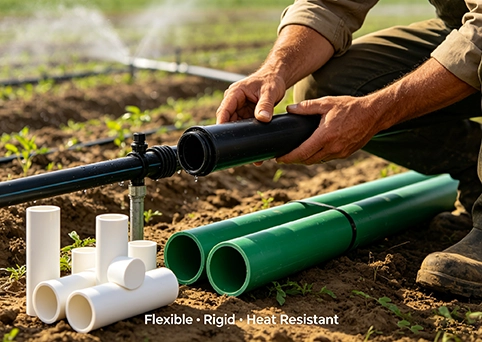
Right Irrigation Pipe for Your Farm
Supplier
Selecting the right irrigation pipe is an investment in your farm’s future productivity. At Luoyang Datang Energy Tech Co., Ltd., we are committed to providing premium-quality HDPE, PVC, and PPR irrigation solutions tailored to diverse agricultural landscapes. Our automated production lines and strict quality control ensure that every pipe we deliver is built to withstand the rigors of modern farming. Reach out to our team today for customized irrigation solutions and competitive wholesale pricing.
Luoyang Datang Energy Tech Co., Ltd. is a leading Chinese manufacturer specializing in high-quality plastic pipes and fittings. Equipped with state-of-the-art automated production lines and supported by a team of 200 professionals, we offer an extensive product line comprising over 150 types of plastic pipes and fittings designed for water supply and drainage systems, gas transmission, and floor heating systems. Our main products include PVC Pipes and Fittings, PE (HDPE) Pipes and Fittings, PPR Pipes and Fittings, and PEX Floor Heating Pipes.
Should you have any inquiries regarding PPR pipes,Brass Valves and brass fittings, please do not hesitate to contact us!
- Tel.:0086-183 3790 0677
- Wechat: 0086-183 3790 0677
- Whatsapp: 0086-183 3790 0677
- Email: [email protected]
RELATED POSTS
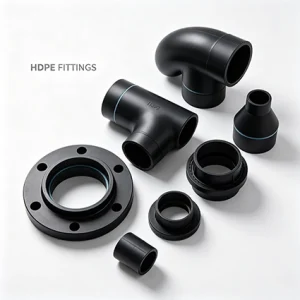
Choosing the Right HDPE Pipe Fittings for Pressure Pipeline Systems
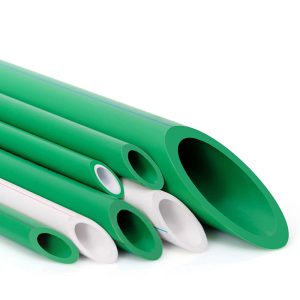
PPR Pipes: Innovative Solutions for Modern Plumbing Systems
HDPE Pipeline Create Agricultural Water-Saving Miracle?
Steady demand in infrastructure and energy industries: sustained growth in the high reliability pipes market