LUOYANG CAME ENERGY TECH CO., LTD

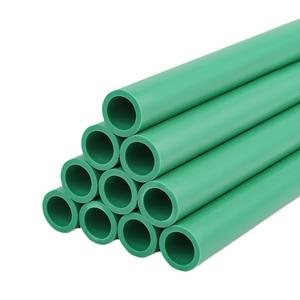
Polypropylene PPR Pipe HDPE PP Pipe Hot Cold Water Pipe
PRODUIT PARAMETER
Beschreiwung
Aféierung vunPolypropylene PPR Pipe HDPE PP Pipe Hot Cold Water Pipe
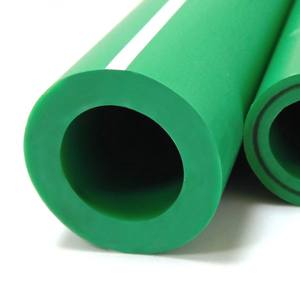
PPR Rohr (voll Numm Polypropylene Zoufälleg Copolymer Pipe, ass eng héich-Performance Plastik Päif aus héichwäerteg zoufälleg copolymer polypropylene Matière première gemaach. Wéinst senger héich Temperatur Resistenz, Drock Resistenz, Ëmweltschutz an Net-Toxizitéit, et gëtt wäit benotzt fir waarm a kal Waassersystemer ze bauen, HVAC Engineering, Drénkwaasser Transport an industriell Flëssegket Transmissioun, an ass en idealen Ersatz fir traditionell Metallleitungen.
Characteristics and Features of Polypropylene PPR Pipe HDPE PP Pipe Hot Cold Water Pipe
Héich Temperatur an héich Drock Resistenz
Laangfristeg Aarbechtstemperatur kann 70 ° C erreechen, kuerzfristeg héich Temperatur Resistenz zu 95 ° C, excellent Drocklager Leeschtung (gemeinsam Drock Niveau PN20, PN 25).
Ëmweltschutz a Gesondheet
D'Rohmaterialien sinn reng an net gëfteg, treffen Drénkwaasser Standarden (wéi FDA, EN ISO an aner Zertifizéierungen), net Bakterien raschten, a garantéieren d'Sécherheet vun der Waasserqualitéit.
Korrosioun an Anti-Scaling
Säure an Alkali Resistenz, staark chemesch corrosion Resistenz, glat banneschten Mauer, net einfach ze Skala, laangfristeg Notzung vun stabil Flux.
Hot Schmelz Verbindung, staark Versiegelung
Adoptioun vun Hot Melt Socket Technologie, et gëtt kee Risiko vu Leckage bei der Verbindung, an déi integréiert Struktur verbessert System Zouverlässegkeet.
Liicht an einfach ze konstruéieren
D'Gewiicht ass nëmmen 1/8 vun deem vun Metallleitungen, déi bequem ass fir Transport an Installatioun, d'Aarbechtskäschte reduzéieren.
Laang Liewen an niddereg Ënnerhalt
D'entworf Service Liewen ass méi wéi 50 Joer, Ënnerhalt-gratis, an d'Gesamtkäschte sinn niddereg.
Energie spueren an Hëtzt Erhaalung
D'thermesch Konduktivitéit ass niddereg (nëmmen 1/200 vu Metallleitungen), déi Hëtzt Verloscht reduzéiert an ass gëeegent fir waarm Waasser Systemer.
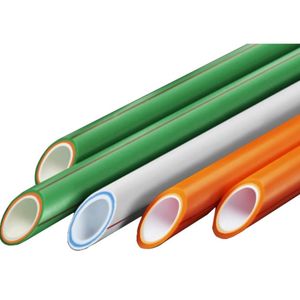
(Polypropylene PPR Pipe HDPE PP Pipe Hot Cold Water Pipe)
Specifications of Polypropylene PPR Pipe HDPE PP Pipe Hot Cold Water Pipe
Here’s the product content about polypropylene pipes:
Polypropylene pipes are common for water systems. PPR pipes handle hot and cold water well. They manage high temperatures smoothly. Boiling water won’t damage them. PPR pipes resist scale buildup inside. This keeps water flow consistent over time. They are strong against chemicals too. These pipes last a very long time. Installation is straightforward with heat fusion. This creates leak-proof joints. The pipe and fitting melt together. The connection becomes as strong as the pipe itself.
HDPE pipes are another polypropylene type. They are very tough and flexible. HDPE handles high pressure reliably. These pipes resist cracks and impacts. They work underground or above ground. HDPE is good for cold water supply. It also suits irrigation systems. HDPE pipes join using butt fusion or electrofusion. Both methods ensure solid seals. HDPE won’t rot or corrode.
General PP pipes are versatile. They work for many water applications. PP pipes are lightweight and easy to handle. They are simple to cut and install. These pipes resist corrosion completely. Rust is never a problem. They handle both hot and cold water. PP pipes are affordable. They offer good value. Common sizes are DN20, DN25, DN32, DN40, DN50, DN63, DN75, DN90, DN110. Pressure ratings include PN10, PN 16, PN 20, PN 25. Temperature range is typically -20°C to 95°C. The pipes are smooth inside. This reduces friction loss. Water pressure stays higher. Flow rates are better. They are environmentally friendly. Recycling is possible. Maintenance needs are low.

(Polypropylene PPR Pipe HDPE PP Pipe Hot Cold Water Pipe)
Applications of Polypropylene PPR Pipe HDPE PP Pipe Hot Cold Water Pipe
Polypropylene pipes, especially PPR and HDPE types, are essential for modern plumbing and industrial systems. These pipes reliably move hot and cold water. They offer significant advantages over traditional metal pipes. PPR pipes are perfect for hot and cold water supply inside buildings. They handle high temperatures well. Hot water won’t damage them. Cold water flows smoothly too. These pipes resist corrosion completely. Rust and scale buildup inside are non-issues. This keeps water clean and safe. You avoid contamination risks. Water quality stays high for drinking.
HDPE pipes are tough and flexible. They are great for main water lines underground. They handle pressure changes easily. You don’t worry about cracks or breaks. Their flexibility helps them absorb ground movement. They are also excellent for transporting chemicals. Many industrial fluids won’t harm them. Factories use them for process lines. They are safe for carrying acids and alkalis. Farms use them for irrigation systems. They last many years under the sun. They resist UV damage well.
Both PPR and HDPE pipes install quickly. Workers fuse them together using heat. This creates seamless, leak-proof joints. You get a continuous, strong pipeline. Installation is simpler than threading metal pipes. Dir spuert Zäit an Aarbechtskäschte. These pipes are very light. Moving and handling them is easy. They cut cleanly with simple tools. Their smooth inner surface reduces friction. Water flows faster with less pump power needed. You save energy costs over time. They are also very quiet. Water moving through them makes little noise.
These pipes are incredibly durable. They last decades without problems. You avoid frequent replacements. They withstand freezing conditions better than metal. Freezing water is less likely to burst them. Maintenance needs are minimal. You rarely need repairs. This reliability makes them cost-effective long-term. They are trusted worldwide for water systems. Builders and engineers choose them for new projects. They work well for home plumbing and large factories. They perform reliably even underground.
Verpakung a Versand
Hänkt vun de Produiten an quty,mir kéinten d'Verpakung vun coiling maachen,Rollen,Bündel Verpackung,Këschten oder Këschten,etc.
Sendung:Mam Mier,Eisebunn,duerch Loft oder als Ufro vum Client.
Firma Profil
Luoyang Datang Energy Tech Co., Ltd. ass e féierende chinesesche Hiersteller spezialiséiert op héichqualitativ Plastiksleitungen an Armaturen. Equipéiert mat Staat-vun-der-Konscht automatiséiert Produktioun Linnen an ënnerstëtzt vun engem Team vun 200 professionell, mir bidden eng extensiv Produit Linn mat iwwer 150 Aarte vu Plastiksleitungen an Armaturen fir Waasserversuergung an Drainagesystemer entworf, Gas Transmissioun, a Buedemheizungssystemer. Eis Haaptprodukter enthalen PVC Pipes a Fittings, PE (HDPE) Pipes a Fittings, PPR Pipes a Fittings, a PEX Buedemheizungsleitungen.
Sollt Dir Froen iwwer HDPE Pipe Fitting hunn, zéckt net eis ze kontaktéieren!
Tel.:0086-183 3790 0677
Wechat: 0086-183 3790 0677
Whatsapp: 0086-183 3790 0677
E-Mail: sales@pipesandfittings.net
Bezuelen Konditiounen
T/T,L/C op Siicht,Western Union & Paypal,etc.
5 FAQs of Polypropylene PPR Pipe HDPE PP Pipe Hot Cold Water Pipe
What are PPR pipes used for?
PPR pipes carry hot and cold water in homes and buildings. They work for drinking water systems and heating setups. These pipes are common in bathrooms and kitchens.
Why pick PPR pipes over metal pipes?
PPR pipes don’t rust or corrode like metal. Metal pipes get mineral buildup inside. PPR stays smooth inside for years. This keeps water flowing well. PPR is also lighter and easier to install.
Can PPR pipes handle hot water?
Jo. PPR pipes handle water up to 95°C. They won’t melt or warp at normal heating temperatures. They’re safe for hot water lines from boilers or solar heaters.
How are PPR pipes connected?
Use heat fusion. Heat the pipe end and the fitting. Push them together. The melted plastic bonds as it cools. Dëst mécht e festen, leak-free joint. No glue or threads are needed.
What’s the difference between PPR and HDPE pipes?
PPR is for indoor plumbing and heating systems. HDPE is tougher. HDPE handles outdoor and buried uses like main water lines. PPR resists heat better. HDPE bends more easily for long underground runs.

(Polypropylene PPR Pipe HDPE PP Pipe Hot Cold Water Pipe)
Ufro engem ZITAT
Zesummenhang PRODUITEN
Polypropylene Random Copolymer High Quality PPR Pipe Fittings
100% Raw Plumbing Materials DIN Plastic Tube PPR Water Pipe
High Tensile Strength PP Polypropylene Drain Hose for Air Conditioning System
High Quality China Plumbing Materials Plastic Tube Water Supply PPR Pipe
Polypropylene Random Copolymer PPR Pipes Hot Water and Fittings