लुओयाङ आईएनर्जी टेक कं, लि

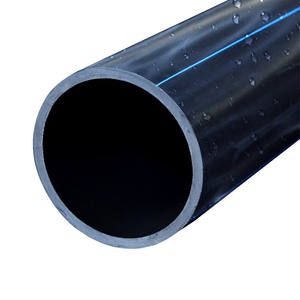
PE पाइपहरू र HDPE पाइपहरू बीचको भिन्नता
पीई पाइपहरू polyethylene पाइप polyethylene प्लास्टिक बनेका छन्. प्लास्टिक को सबै भन्दा आधारभूत प्रकार को रूप मा, Polyethylene धेरै घर र औद्योगिक रसायनहरु को लागी उत्कृष्ट प्रतिरोध छ. प्लास्टिकको झोला र क्लिङ फिल्म जस्ता सामान्य वस्तुहरू PE बाट बनेका हुन्छन्.
Polyethylene पाइपहरू सामान्यतया तीन प्रकारमा वर्गीकृत गर्न सकिन्छ: कम घनत्व polyethylene पाइप (LDPE पाइपहरू), मध्यम घनत्व polyethylene पाइप (MDPE पाइपहरू), र उच्च घनत्व polyethylene पाइप (HDPE पाइपहरू).
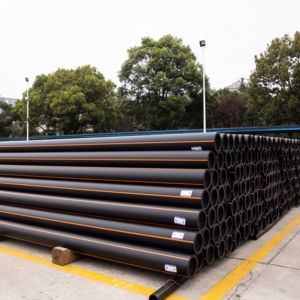
What Is the Difference Between Polyethylene and High Density Polyethylene?
पोलिथीन (PE) is a broad category of thermoplastic polymers used in various applications, including plastic products, packaging materials, र पाइपिंग प्रणाली. उच्च घनत्व polyethylene (HDPE) is a specific type of polyethylene with a higher density, stronger molecular structure, and improved mechanical performance.
The main difference between polyethylene and high-density polyethylene lies in their molecular arrangement, घनत्व, शक्ति, and application range. Compared with general polyethylene materials, HDPE has higher crystallinity, राम्रो दबाव प्रतिरोध, stronger chemical corrosion resistance, and superior long-term durability.
For piping applications, HDPE pipes are considered an advanced type of polyethylene pipe because they can withstand higher pressure, resist slow crack growth, and provide longer service life in demanding environments such as municipal water supply, ग्यास वितरण, and industrial pipeline systems.
म. कम घनत्व Polyethylene (छोटकरीमा LDPE)
कम घनत्व polyethylene सामान्यतया उच्च दबाव polymerization द्वारा उत्पादन गरिन्छ, 0.910-0.925g/cm³ को घनत्व संग. LDPE को आणविक संरचना धेरै साइड चेनहरु संग एक रेखीय macromolecule छ. मुख्य चेनमा यी साइड चेनहरूको फरक लम्बाइले म्याक्रोमोलेकुलर व्यवस्थाको नियमिततालाई असर गर्छ, प्याकिङ खुकुलो बनाउने र पोलिथीनको क्रिस्टलाइजेशनमा बाधा पुर्याउने. त्यसैले, यसको क्रिस्टलीयता मात्र हो 55% – 65%. LDPE मा कम पिघलने बिन्दु छ र नरम छ. लामो साइड चेनहरूले यसलाई प्रशोधनको क्रममा उच्च शियर दरहरूमा कम चिपचिपाहट र स्ट्रेचिंगको समयमा उच्च पग्लने शक्ति दिन्छ।, ब्लो मोल्डिङ प्रक्रियाहरूको लागि धेरै उपयुक्त बनाउन. यो मुख्यतया कृषि चलचित्र र भारी प्याकेजिङ्ग चलचित्रहरूको उत्पादनमा प्रयोग गरिन्छ.
II. मध्यम घनत्व Polyethylene (छोटकरीमा MDPE)
मध्यम घनत्व पोलिथिलीन यसको घनत्व नियन्त्रण गर्न α-olefins को साथ copolymerization को माध्यम बाट मध्यम र कम दबाव अन्तर्गत कुशल उत्प्रेरक प्रयोग गरी उत्पादन गरिन्छ। (0.926-0.940g/cm³), को क्रिस्टलीयता संग 70%-80%. यसको असंख्य र लामो साइड चेनहरूको कारण, घनत्व र क्रिस्टलीयता घट्छ, MDPE राम्रो लचिलोपन र कम-तापमान गुणहरू प्रदान गर्दै. यद्यपि, यसको तन्य शक्ति, कठोरता, र तातो प्रतिरोध उच्च घनत्व पोलिथिलीन भन्दा कम छ. olefins को copolymerization MDPE क्रिस्टल मा interlamellar जडान चेन बढ्छ, LDPE को तुलनामा ढिलो क्र्याक बृद्धि र दीर्घकालीन मेकानिकल बल अवधारणमा यसको प्रतिरोधमा उल्लेखनीय सुधार गर्दै. MDPE दबाब पाइप को उत्पादन मा प्रयोग गर्न सकिन्छ, वितरण पाइपहरू, विभिन्न कन्टेनरहरू, र प्याकेजिङ फिल्महरू.
III. उच्च घनत्व Polyethylene(HDPE): A Stronger Type of Polyethylene
उच्च घनत्व polyethylene (HDPE) कम दबाव polymerization द्वारा उत्पादित छ, 0.94-0.965g/cm³ को घनत्व र क्रिस्टलिनिटीको साथ रैखिक संरचना प्रस्तुत गर्दै 80%-95%, सेतो पाउडर वा दानाको रूपमा देखा पर्दै.
कम घनत्व polyethylene को तुलनामा, HDPE कम साइड चेनहरू छन् र संरचनामा लगभग रेखीय छ, नियमित आणविक व्यवस्था र कडा प्याकिङ संग. त्यसैले, यसमा उच्च क्रिस्टलीयता र घनत्व छ, सयौं हजार देखि लाखौं को सापेक्ष आणविक वजन संग, र पग्लने प्रवाह दरहरूको एक संकीर्ण दायरा. HDPE उच्च कठोरता र कठोरता छ, उत्कृष्ट यांत्रिक शक्ति र गर्मी प्रतिरोध, साथै गहिरो एजेन्ट र भाप पारगम्यता को लागी राम्रो प्रतिरोध. सबै प्रकारका पोलिथिलीनहरू बीच, HDPE सँग सबैभन्दा कम पारगम्यता र बलियो जंग प्रतिरोध छ, र राम्रो कठोरता पनि छ. यो मुख्यतया विभिन्न दबाव पाइप र इंजेक्शन मोल्ड उत्पादनहरु को उत्पादन मा प्रयोग गरिन्छ.
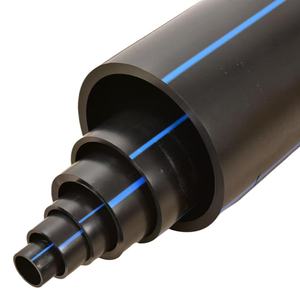
त्यसैले, एचडीपीई पाइपहरू पीई पाइपको एक प्रकार हुन्, तर साधारण पीई पाइपहरूको तुलनामा, एचडीपीई पाइपहरूसँग उत्कृष्ट प्रदर्शन छ, जसलाई निम्नानुसार संक्षेप गर्न सकिन्छ:
- विभिन्न दबाब वहन क्षमता: HDPE पाइपहरूले निश्चित दबाब सामना गर्नुपर्छ, र सामान्यतया उच्च आणविक तौल र राम्रो मेकानिकल गुणहरू संग PE रेजिन आवश्यक छ, जस्तै HDPE रेजिन, जसको शक्ति साधारण पोलिथिन पाइपको भन्दा नौ गुणा हुन्छ (पीई पाइपहरू).
- विभिन्न पहिरन प्रतिरोध: सबै ईन्जिनियरिङ् प्लास्टिक बीच, HDPE मा सबै भन्दा राम्रो पहिरन प्रतिरोध छ. आणविक वजन उच्च छ, अधिक पहिरन प्रतिरोधी सामग्री बन्छ, धेरै धातु सामग्रीहरू पनि पार गर्दै (जस्तै कार्बन स्टील, स्टेनलेस स्टील, कांस्य, आदि). साधारण PE को पहिरन प्रतिरोध HDPE को एक दशांश मात्र हो.
- विभिन्न अनुप्रयोगहरू: सामान्य पीई पाइपहरू (मध्यम घनत्व polyethylene पाइप) ग्यासयुक्त कृत्रिम ग्यास ढुवानीका लागि उपयुक्त छन्, प्राकृतिक ग्यास, र तरल पेट्रोलियम ग्यास, जबकि कम घनत्व polyethylene पाइप नरम पाइप रूपमा प्रयोग गरिन्छ. HDPE पाइपहरू (उच्च घनत्व polyethylene पाइप) मुख्यतया प्राकृतिक ग्यास ढुवानी गर्न प्रयोग गरिन्छ, नगरपालिका पानी आपूर्ति प्रणाली, भवनहरूमा भित्री पानी आपूर्ति प्रणाली, बाहिरी दफन पानी आपूर्ति प्रणाली, र आवासीय क्षेत्र र कारखानाहरूमा पानी आपूर्ति प्रणाली गाडियो, साथै पुराना पाइपलाइन मर्मतका लागि, पानी उपचार पाइपलाइन प्रणाली, र बगैंचामा औद्योगिक पानी पाइप, सिंचाई, र अन्य क्षेत्रहरू. HDPE पाइपहरू can be used as the successor to traditional steel pipes and polyvinyl chloride drinking water pipes, तर साधारण पीई पाइपहरूले सक्दैनन्.
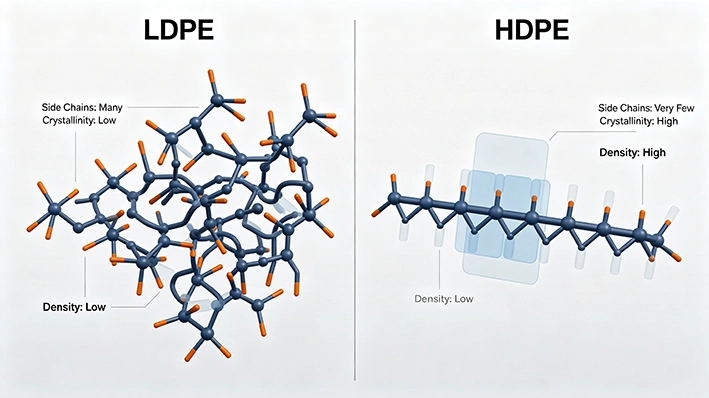
Comparison of HDPE and LDPE molecular structure showing side chain density and crystallinity differences
IV. Other Key Differences Between HDPE Pipes and Ordinary PE Pipes
1. Different Corrosion Resistance and Chemical Resistance
HDPE पाइपहरू offer excellent chemical corrosion resistance, capable of withstanding most acids, क्षार, and salt solutions. They also possess natural immunity to microbial attack and electrochemical corrosion in soil. यसको विपरीत, ordinary PE pipes (especially LDPE pipes) have significantly weaker permeation resistance and chemical resistance due to their lower crystallinity and looser molecular structure. When conveying corrosive media or buried in contaminated soil, the service life of HDPE pipes can be 2-3 times longer than that of ordinary PE pipes.
2. Different Slow Crack Growth Resistance
HDPE pipes have significantly superior slow crack growth (SCG) resistance compared to ordinary PE pipes. This is due to the highly regular molecular chains and high crystallinity of HDPE, which make it less prone to micro-crack formation and propagation under long-term static pressure loads. This characteristic is particularly important for buried gas and water supply pipelines—systems that continuously bear internal pressure, ground loads, and soil displacement stresses over a 50-year service life. The SCG performance of HDPE pipes is several times higher than that of ordinary PE pipes, making it a key indicator for ensuring long-term safe operation.
3. Different Low-Temperature Impact Resistance
HDPE pipes have a lower brittle transition temperature (typically below -60°C), making them more reliable for winter construction and operation in cold regions. While LDPE pipes are flexible, they tend to become hard and brittle at low temperatures; MDPE pipes fall between the two in terms of low-temperature performance. For outdoor buried pipeline projects in northern China and alpine regions, HDPE pipes are the more robust choice.
4. Different Long-Term Hydrostatic Strength
According to standards such as ISO 4427 र GB/T 15558, the long-term hydrostatic strength (MRS rating) of HDPE pipes at 20°C with a 50-year service life is typically PE80 or PE100 grade, while ordinary PE pipes (such as PE63) have significantly lower MRS ratings. This means that under the same wall thickness and diameter conditions, HDPE pipes can withstand higher safe operating pressures—the allowable stress of PE100 pipes is approximately 1.6 times that of PE63 pipes.
5. Different Rapid Crack Propagation Resistance
In high-risk applications such as gas transmission, once a crack occurs in the pipeline, it must be able to stop rapidly to prevent catastrophic consequences. HDPE पाइपहरू (विशेष गरी PE100 ग्रेड) exhibit excellent rapid crack propagation (RCP) प्रतिरोध, with critical pressure values significantly higher than ordinary PE pipes across a wide temperature range of -20°C to +20°C. This characteristic makes HDPE pipes the preferred material for medium and high-pressure urban gas pipeline networks.
6. Different Recycling Value
The scrap material and waste pipes generated during HDPE pipe production have high recycling value. Due to the stable molecular structure and low impurity content of HDPE, after cleaning, क्रस गर्दै, and re-pelletizing, it can still be used as high-quality raw material for producing non-pressure pipes or plastic products. यसको विपरीत, LDPE and some MDPE grades, which contain more additives and branched structures, experience greater performance degradation after recycling, resulting in relatively lower reuse value.

HDPE pipe versus ordinary PE pipe chemical corrosion resistance comparison in acid and alkali solutions
वि. How to Choose Between PE Pipes and HDPE Pipes Based on Project Requirements
1. Pressure Piping Systems → HDPE Pipes Are the First Choice
For piping systems that must withstand internal pressure—including municipal water supply networks, gas transmission pipelines, fire protection water supply pipes, and industrial process pipes—HDPE pipes are a proven and reliable choice. PE100 grade materials can meet maximum working pressure requirements of up to 16 बार (1.6MPa), whereas ordinary PE pipes are typically only suitable for low-pressure or non-pressure systems.
2. Non-Pressure Piping Systems → PE Pipes (LDPE/MDPE) Can Meet Requirements
For applications that do not require pressure-bearing capacity—such as drainage pipes, irrigation hoses, cable conduit pipes, and ventilation ducts—LDPE or MDPE pipes can meet performance requirements while offering better cost advantages. The flexibility of LDPE pipes makes them particularly suitable for installations requiring bending and routing around obstacles.
3. Extreme Temperature Environments → HDPE Pipes Offer Greater Advantages
In alpine regions (where winter temperatures drop below -40°C) or when conveying high-temperature media (long-term operating temperatures exceeding 40°C), the wide temperature-range adaptability of HDPE pipes makes them a safer and more durable choice.
4. Large-Diameter Long-Distance Pipelines → HDPE पाइपहरू Offer Lower Overall Cost
Although the unit weight price of HDPE pipes is higher than ordinary PE pipes, their higher strength grade allows for thinner wall thickness under the same pressure requirements, thereby reducing material consumption. साथै, HDPE pipes can be joined using butt fusion welding, achieving seamless pipe connections that significantly reduce the number of fittings required, lower leakage risks, and decrease construction costs. In large-diameter long-distance projects, the total engineering cost of HDPE pipes is often lower than that of ordinary PE pipes.
5. Temporary or Short-Term Projects → Ordinary PE Pipes Are the Economical Choice
For projects with short construction periods and low service life requirements (such as temporary construction water supply or seasonal agricultural irrigation), ordinary PE pipes can meet basic functional requirements while significantly reducing initial investment.
Selection Summary
| Application Scenario | Recommended Pipe | Primary Reason |
|---|---|---|
| Urban gas medium/high-pressure networks | HDPE (PE100) | Excellent RCP resistance, high long-term hydrostatic strength |
| Municipal water supply trunk lines | HDPE (PE80/PE100) | जंग प्रतिरोध, लामो सेवा जीवन, भरपर्दो जोडहरू |
| Building indoor water supply branch lines | HDPE or MDPE | Optimal overall cost-performance |
| Agricultural irrigation low-pressure hoses | LDPE | लचिलो, कम लागत, easy to lay |
| Drainage/sewage gravity flow pipes | MDPE or HDPE | Good stiffness, strong external pressure resistance |
| Cable/telecommunications conduit pipes | MDPE or HDPE | High ring stiffness, good protection performance |
| Temporary construction water pipes | LDPE वा MDPE | कम लागत, पुन: प्रयोज्य |

HDPE pipe applications in pressure piping systems including municipal water supply gas transmission fire protection and industrial process
बारम्बार सोधिने प्रश्नहरू
1. Is HDPE the same as polyethylene?
HDPE is a type of polyethylene. Polyethylene is a general polymer category, while HDPE refers to polyethylene with higher density and improved mechanical properties.
2. Is HDPE stronger than regular polyethylene?
हो. HDPE generally provides higher tensile strength, प्रभाव प्रतिरोध, रासायनिक प्रतिरोध, and pressure-bearing capability compared with lower-density polyethylene materials.
3. Are HDPE pipes better than PE pipes?
HDPE pipes are usually preferred for high-pressure, long-term underground, ग्यास, and water supply applications because of their superior durability and resistance to cracking.
आपूर्तिकर्ता
लुओयाङ Datang ऊर्जा टेक Co.Ltd उच्च गुणस्तरको प्लास्टिक पाइप र फिटिंग मा विशेषज्ञता एक अग्रणी चिनियाँ निर्माता हो. अत्याधुनिक स्वचालित उत्पादन लाइनहरु संग सुसज्जित र को एक टोली द्वारा समर्थित 200 पेशेवरहरू, हामी समावेश एक व्यापक उत्पादन लाइन प्रस्ताव 150 पानी आपूर्ति र ड्रेनेज प्रणाली को लागी डिजाइन गरिएको प्लास्टिक पाइप र फिटिंग को प्रकार, ग्यास प्रसारण, र भुइँ तताउने प्रणालीहरू. हाम्रा मुख्य उत्पादनहरूमा पीवीसी पाइप र फिटिङहरू समावेश छन्, PE (HDPE) पाइप र फिटिंग, PPR पाइप र फिटिंग, र PEX फ्लोर हीटिंग पाइपहरू.
सम्बन्धित पोस्टहरू
किन पानी आपूर्ति प्रणालीको लागि पीवीसी पाइपलाइन छनौट गर्नुहोस्?
पीतल नली कनेक्टर प्रकार: कसरी सही छनौट गर्ने?
आधुनिक कृषि सिंचाई र जल निकासी प्रणालीमा HDPE पाइपहरू
प्लम्बिङ फिटिङ र पाइपलाइन प्रकारहरूको विश्लेषण

पानी आपूर्ति परियोजनाहरूको लागि HDPE पाइपहरू कसरी छनौट गर्ने