LUOYANG CAME ENERGY TECH CO.,LTD

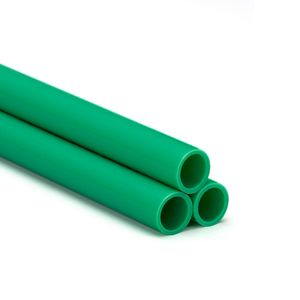
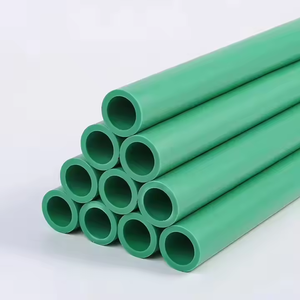
Polypropylene PPR Pipe HDPE PP Pipe Hot Cold Water Pipe
PARAMETRONAN DI PRODUKTO
Deskripshon
Introdukshon diPolypropylene PPR Pipe HDPE PP Pipe Hot Cold Water Pipe
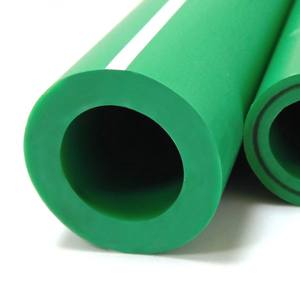
Tubo di PPR (nòmber kompleto Pipa di Kopolímero Aleatorio di Polipropileno, ta un pipa di plèstik di haltu rendimentu trahá di materia prima di polipropileno di kopolimer aleatorio di kalidat haltu. Debí na su resistensia haltu na temperatura, resistensia na preshon, protekshon di medio ambiente i no-toksisidat, e ta wòrdu usá ampliamente den konstrukshon di sistemanan di awa kayente i friu, Ingenieria di HVAC, transporte di awa di bebe i transmishon di líkido industrial, i ta un sustituto ideal pa tubonan di metal tradishonal.
Characteristics and Features of Polypropylene PPR Pipe HDPE PP Pipe Hot Cold Water Pipe
Temperatura haltu i resistensia na preshon haltu
Temperatura di trabou riba término largu por yega 70°C, resistensia di temperatura haltu di término kòrtiku te na 95°C, rendimentu di preshon ekselente (nivel di preshon komun PN20, PN25).
Protekshon di medio ambiente i salú
E materia prima ta puru i no-tóksiko, kumpli ku e normanan di awa di bebe (manera FDA, EN ISO i otro sertifikadonan), no kria bakteria, i garantisá e seguridat di kalidat di awa.
Koroshon i anti-eskala
Resistensia na asido i alkali, resistensia fuerte na koroshon kímiko, muraya paden liso, no ta fásil pa eskala, uso di fluho stabil a largu plaso.
Konekshon di smelt kayente, seyamentu fuerte
Adoptando teknologia di soket di smelt kayente, no tin riesgo di lekmentu na e konekshon, i e struktura integral ta mehorá e konfiabilidat di e sistema.
Lihé i fásil pa konstruí
E peso ta solamente 1/8 di esun di tubonan di metal, ku ta konveniente pa transporte i instalashon, redukshon di gastunan di labor.
Bida largu i mantenshon abou
E bida di servisio diseñá ta mas ku 50 añanan, sin mantenshon, i e kosto total ta abou.
Sparmentu di energia i preservashon di kalor
E konduktividat termal ta abou (so 1/200 di tubonan di metal), ku ta redusí pèrdida di kalor i ta adekuá pa sistemanan di awa kayente.
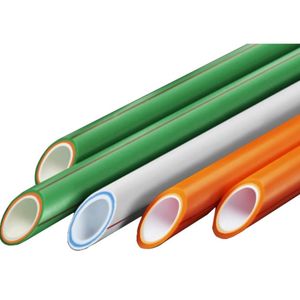
(Polypropylene PPR Pipe HDPE PP Pipe Hot Cold Water Pipe)
Specifications of Polypropylene PPR Pipe HDPE PP Pipe Hot Cold Water Pipe
Here’s the product content about polypropylene pipes:
Polypropylene pipes are common for water systems. PPR pipes handle hot and cold water well. They manage high temperatures smoothly. Boiling water won’t damage them. PPR pipes resist scale buildup inside. This keeps water flow consistent over time. They are strong against chemicals too. These pipes last a very long time. Installation is straightforward with heat fusion. This creates leak-proof joints. The pipe and fitting melt together. The connection becomes as strong as the pipe itself.
HDPE pipes are another polypropylene type. They are very tough and flexible. HDPE handles high pressure reliably. These pipes resist cracks and impacts. They work underground or above ground. HDPE is good for cold water supply. It also suits irrigation systems. HDPE pipes join using butt fusion or electrofusion. Both methods ensure solid seals. HDPE won’t rot or corrode.
General PP pipes are versatile. They work for many water applications. PP pipes are lightweight and easy to handle. They are simple to cut and install. These pipes resist corrosion completely. Rust is never a problem. They handle both hot and cold water. PP pipes are affordable. They offer good value. Common sizes are DN20, DN25, DN32, DN40, DN50, DN63, DN75, DN90, DN110. Pressure ratings include PN10, PN16, PN20, PN25. Temperature range is typically -20°C to 95°C. The pipes are smooth inside. This reduces friction loss. Water pressure stays higher. Flow rates are better. They are environmentally friendly. Recycling is possible. Maintenance needs are low.

(Polypropylene PPR Pipe HDPE PP Pipe Hot Cold Water Pipe)
Applications of Polypropylene PPR Pipe HDPE PP Pipe Hot Cold Water Pipe
Polypropylene pipes, especially PPR and HDPE types, are essential for modern plumbing and industrial systems. These pipes reliably move hot and cold water. They offer significant advantages over traditional metal pipes. PPR pipes are perfect for hot and cold water supply inside buildings. They handle high temperatures well. Hot water won’t damage them. Cold water flows smoothly too. These pipes resist corrosion completely. Rust and scale buildup inside are non-issues. This keeps water clean and safe. You avoid contamination risks. Water quality stays high for drinking.
HDPE pipes are tough and flexible. They are great for main water lines underground. They handle pressure changes easily. You don’t worry about cracks or breaks. Their flexibility helps them absorb ground movement. They are also excellent for transporting chemicals. Many industrial fluids won’t harm them. Factories use them for process lines. They are safe for carrying acids and alkalis. Farms use them for irrigation systems. They last many years under the sun. They resist UV damage well.
Both PPR and HDPE pipes install quickly. Workers fuse them together using heat. This creates seamless, leak-proof joints. You get a continuous, strong pipeline. Installation is simpler than threading metal pipes. You save time and labor costs. These pipes are very light. Moving and handling them is easy. They cut cleanly with simple tools. Their smooth inner surface reduces friction. Water flows faster with less pump power needed. You save energy costs over time. They are also very quiet. Water moving through them makes little noise.
These pipes are incredibly durable. They last decades without problems. You avoid frequent replacements. They withstand freezing conditions better than metal. Freezing water is less likely to burst them. Maintenance needs are minimal. You rarely need repairs. This reliability makes them cost-effective long-term. They are trusted worldwide for water systems. Builders and engineers choose them for new projects. They work well for home plumbing and large factories. They perform reliably even underground.
Empaketamentu i Envio
Ta dependé di e produktonan i kantidat,nos por a hasi e empaketahe di coiling,ròl,pakete di pakete,kaha òf kaha,etc.
Envio:Riba laman,ferry,pa medio di aire òf komo petishon di kliente.
Profil di e kompania
Luoyang Datang Energy Tech Co., Ltd. ta un fabrikante Chines lider ku ta spesialisá den tubonan i fittingnan di plèstik di kalidat haltu. Ekipá ku liñanan di produkshon outomatisá di último generashon i sostené pa un tim di 200 profeshonalnan, nos ta ofresé un liña di produkto ekstenso ku ta konsistí di mas ku 150 tipo di pipa i fitting di plèstik diseñá pa sistemanan di suministro di awa i drenahe, transmishon di gas, i sistemanan di keintamentu di vloer. Nos produktonan prinsipal ta inkluí Tubonan i Fittingnan di PVC, PE (HDPE) Tubonan i Fittingnan, Tubonan i Fittingnan di PPR, i Tubonan di Kalentamentu di Vloer PEX.
Si bo tin kualke pregunta tokante di Fitting di Tubo di HDPE, por fabor no duda pa tuma kontakto ku nos!
Tel.:0086-183 3790 0677
Wechat: 0086-183 3790 0677
Whatsapp: 0086-183 3790 0677
Email: sales@pipesandfittings.net
Kondishonnan di Pago
T/T,L/C na bista,Western Union & Paypal,etc.
5 FAQs of Polypropylene PPR Pipe HDPE PP Pipe Hot Cold Water Pipe
What are PPR pipes used for?
PPR pipes carry hot and cold water in homes and buildings. They work for drinking water systems and heating setups. These pipes are common in bathrooms and kitchens.
Why pick PPR pipes over metal pipes?
PPR pipes don’t rust or corrode like metal. Metal pipes get mineral buildup inside. PPR stays smooth inside for years. This keeps water flowing well. PPR is also lighter and easier to install.
Can PPR pipes handle hot water?
Si. PPR pipes handle water up to 95°C. They won’t melt or warp at normal heating temperatures. They’re safe for hot water lines from boilers or solar heaters.
How are PPR pipes connected?
Use heat fusion. Heat the pipe end and the fitting. Push them together. The melted plastic bonds as it cools. This makes a solid, leak-free joint. No glue or threads are needed.
What’s the difference between PPR and HDPE pipes?
PPR is for indoor plumbing and heating systems. HDPE is tougher. HDPE handles outdoor and buried uses like main water lines. PPR resists heat better. HDPE bends more easily for long underground runs.

(Polypropylene PPR Pipe HDPE PP Pipe Hot Cold Water Pipe)
PIDI UN SITA
PRODUKTONAN RELASHONÁ
Chinese High Quality Brass Plumbing Manifolds
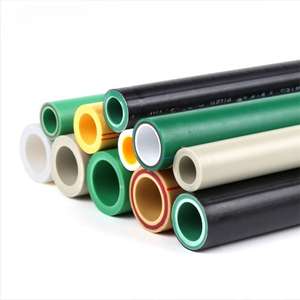
PPR Pipes DN20 DN25 DN32 PN10 PN16 PN20 Polipropylene Random Copolymer Pipe
Tubonan di PE di kalidat haltu PN12 PN16 SDR11 SDR21 PE100 Tubonan di PE di diameter grandi
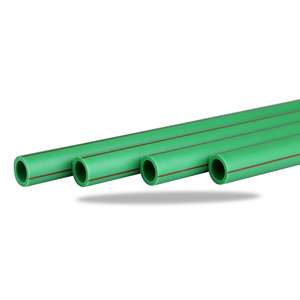
New ISO Standard Polypropylene PPR Pipe Plastic Hot Water Pipe Accessories Plumbing
Factory s 3-layer Polypropylene Random Pipe for Drinking Water Supply PP-R Meter Scale