LUOYANG AKAUYA ENERGY TECH CO., LTD

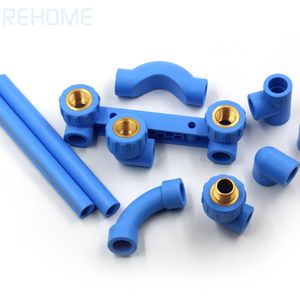
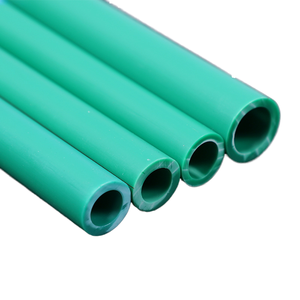
Polypropylene PPR Pipe HDPE PP Pipe Hot Cold Water Pipe
PRODUCT PARAMETERS
Tsanangudzo
Nhanganyaya yePolypropylene PPR Pipe HDPE PP Pipe Hot Cold Water Pipe
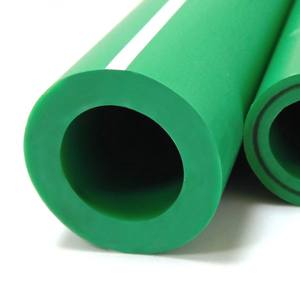
PPR pombi (zita rakazara Polypropylene Random Copolymer Pipe, ipurasitiki pombi yemhando yepamusoro-soro yakagadzirwa nemhando yepamusoro copolymer polypropylene raw materials. Pamusana pekudzivirira kwayo kwekushisa kwepamusoro, pressure resistance, kuchengetedza kwezvakatipoteredza uye kwete-chepfu, inoshandiswa zvakanyanya mukuvaka zvirongwa zvemvura inopisa uye inotonhora, HVAC engineering, kutakurwa kwemvura yekunwa uye kutapurirana mvura yemumaindasitiri, uye inzvimbo yakanaka inotsiva mapaipi esimbi echinyakare.
Characteristics and Features of Polypropylene PPR Pipe HDPE PP Pipe Hot Cold Water Pipe
Kupisa kwepamusoro uye kupikisa kwepamusoro
Tembiricha yekushanda kwenguva refu inogona kusvika 70°C, yenguva pfupi yepamusoro tembiricha kuramba kusvika 95°C, yakanakisa pressure inotakura kuita (common pressure level PN20, PN25).
Kuchengetedzwa kwezvakatipoteredza uye utano
Iyo mbishi zvinhu yakachena uye haina chepfu, kuzadzisa zviyero zvemvura yekunwa (zvakadai seFDA, EN ISO uye zvimwe zvitupa), usabereke mabhakitiriya, uye chengetedza kuchengetedzwa kwemhando yemvura.
Corrosion uye anti-scaling
Acid uye alkali kuramba, kusimba kwemakemikari ekuora, rusvingo rwemukati rwakatsetseka, hazvisi nyore kuyera, kushandiswa kwenguva refu kwekuyerera kwakagadzikana.
Hot melt connection, kuiswa chisimbiso kwakasimba
Kutora hot melt socket tekinoroji, hapana njodzi yekudonha pakubatana, uye chimiro chakabatanidzwa chinovandudza kuvimbika kwehurongwa.
Huremu uye nyore kugadzira
Huremu chete 1/8 weiyo yepombi dzesimbi, iyo yakanakira kutakura uye kuiswa, kuderedza mari yebasa.
Hupenyu hurefu uye kuchengetedza kwakaderera
Hupenyu hwesevhisi hwakagadzirwa hunopfuura 50 makore, kuchengetedza-isina, uye mutengo wose wakaderera.
Kuchengetedza simba uye kuchengetedza kupisa
The thermal conductivity yakaderera (chete 1/200 zvemapombi esimbi), iyo inoderedza kurasikirwa kwekupisa uye inokodzera zvirongwa zvemvura inopisa.
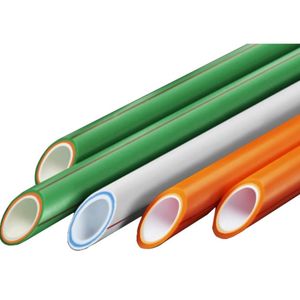
(Polypropylene PPR Pipe HDPE PP Pipe Hot Cold Water Pipe)
Specifications of Polypropylene PPR Pipe HDPE PP Pipe Hot Cold Water Pipe
Here’s the product content about polypropylene pipes:
Polypropylene pipes are common for water systems. PPR pipes handle hot and cold water well. They manage high temperatures smoothly. Boiling water won’t damage them. PPR pipes resist scale buildup inside. This keeps water flow consistent over time. They are strong against chemicals too. These pipes last a very long time. Installation is straightforward with heat fusion. This creates leak-proof joints. The pipe and fitting melt together. The connection becomes as strong as the pipe itself.
HDPE pipes are another polypropylene type. They are very tough and flexible. HDPE handles high pressure reliably. These pipes resist cracks and impacts. They work underground or above ground. HDPE is good for cold water supply. It also suits irrigation systems. HDPE pipes join using butt fusion or electrofusion. Both methods ensure solid seals. HDPE won’t rot or corrode.
General PP pipes are versatile. They work for many water applications. PP pipes are lightweight and easy to handle. They are simple to cut and install. These pipes resist corrosion completely. Rust is never a problem. They handle both hot and cold water. PP pipes are affordable. They offer good value. Common sizes are DN20, DN25, DN32, DN40, DN50, DN63, DN75, DN90, DN110. Pressure ratings include PN10, PN16, PN20, PN25. Temperature range is typically -20°C to 95°C. Mapombi akatsetseka mukati. This reduces friction loss. Water pressure stays higher. Flow rates are better. They are environmentally friendly. Recycling is possible. Maintenance needs are low.

(Polypropylene PPR Pipe HDPE PP Pipe Hot Cold Water Pipe)
Applications of Polypropylene PPR Pipe HDPE PP Pipe Hot Cold Water Pipe
Polypropylene pipes, especially PPR and HDPE types, are essential for modern plumbing and industrial systems. These pipes reliably move hot and cold water. They offer significant advantages over traditional metal pipes. PPR pipes are perfect for hot and cold water supply inside buildings. They handle high temperatures well. Mvura inopisa haigoni kuvakuvadza. Cold water flows smoothly too. These pipes resist corrosion completely. Rust and scale buildup inside are non-issues. Izvi zvinoita kuti mvura igare yakachena uye isina njodzi. You avoid contamination risks. Water quality stays high for drinking.
HDPE pipes are tough and flexible. They are great for main water lines underground. They handle pressure changes easily. You don’t worry about cracks or breaks. Their flexibility helps them absorb ground movement. They are also excellent for transporting chemicals. Many industrial fluids won’t harm them. Factories use them for process lines. They are safe for carrying acids and alkalis. Farms use them for irrigation systems. They last many years under the sun. They resist UV damage well.
Both PPR and HDPE pipes install quickly. Workers fuse them together using heat. This creates seamless, majoini anobuda. You get a continuous, strong pipeline. Installation is simpler than threading metal pipes. You save time and labor costs. These pipes are very light. Kufamba uye kuvabata zviri nyore. They cut cleanly with simple tools. Their smooth inner surface reduces friction. Water flows faster with less pump power needed. You save energy costs over time. They are also very quiet. Water moving through them makes little noise.
These pipes are incredibly durable. They last decades without problems. You avoid frequent replacements. They withstand freezing conditions better than metal. Freezing water is less likely to burst them. Zvido zvekuchengetedza zvishoma. You rarely need repairs. This reliability makes them cost-effective long-term. They are trusted worldwide for water systems. Builders and engineers choose them for new projects. They work well for home plumbing and large factories. They perform reliably even underground.
Kurongedza uye Kutumira
Zvinoenderana nezvigadzirwa uye qty,tinogona kugadzira kurongedza kwekukoira,rolls,bundle packing,mabhokisi kana mabhokisi,etc.
Shipment:Negungwa,njanji,nemhepo kana sekukumbira kwemutengi.
Profile yekambani
Iyo kambani Luoyang Datang Energy Tech Co., Ltd. inotungamira yekuChina mugadziri anonyanya hunyanzvi hwemhando yepamusoro mapaipi epurasitiki uye mafittings. Yakashongedzerwa nemhando-ye-the-art yekugadzira michina mitsetse uye inotsigirwa nechikwata che 200 nyanzvi, isu tinopa yakakura chigadzirwa mutsara unosanganisira pamusoro 150 mhando dzepombi dzepurasitiki uye zvigadziriso zvakagadzirirwa kugovera mvura uye madhiraini masisitimu, kutapurirana gasi, uye pasi kudziyisa masisitimu. Zvigadzirwa zvedu zvikuru zvinosanganisira PVC Pipes uye Fittings, PE (HDPE) Mapaipi uye Fittings, PPR Mapaipi uye Fittings, uye PEX Floor Heating Mapaipi.
Iwe unofanirwa kuve uine chero kubvunza nezve HDPE Pipe Fitting, ndapota usazeza kutibata!
Tel.:0086-183 3790 0677
Wechat: 0086-183 3790 0677
Whatsapp: 0086-183 3790 0677
Email: sales@pipesandfittings.net
Payment Terms
T/T,L/C pakuona,Western Union & Paypal,etc.
5 FAQs of Polypropylene PPR Pipe HDPE PP Pipe Hot Cold Water Pipe
Ndeipi PPR mapaipi anoshandiswa?
PPR pipes carry hot and cold water in homes and buildings. They work for drinking water systems and heating setups. These pipes are common in bathrooms and kitchens.
Why pick PPR pipes over metal pipes?
PPR pipes don’t rust or corrode like metal. Metal pipes get mineral buildup inside. PPR stays smooth inside for years. This keeps water flowing well. PPR is also lighter and easier to install.
Ko PPR mapaipi anogona kubata mvura inopisa?
Ehe. PPR pipes handle water up to 95°C. They won’t melt or warp at normal heating temperatures. They’re safe for hot water lines from boilers or solar heaters.
How are PPR pipes connected?
Use heat fusion. Heat the pipe end and the fitting. Push them together. The melted plastic bonds as it cools. Izvi zvinogadzira yakasimba, leak-free joint. No glue or threads are needed.
What’s the difference between PPR and HDPE pipes?
PPR is for indoor plumbing and heating systems. HDPE is tougher. HDPE handles outdoor and buried uses like main water lines. PPR resists heat better. HDPE bends more easily for long underground runs.

(Polypropylene PPR Pipe HDPE PP Pipe Hot Cold Water Pipe)
KUMBIRA KUPIWA
RELATED PRODUCTS
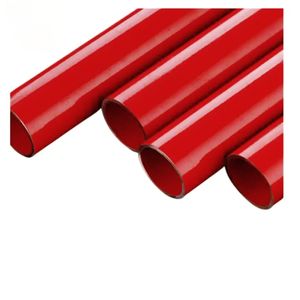
Polypropylene Random Filamentous Highway Underground Drainage Plastic Blind Ditch Pipe
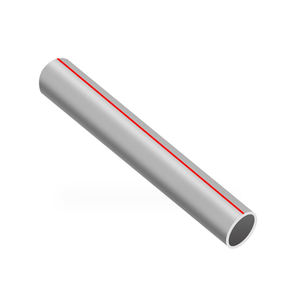
PP Pipe and Fittings Made of Durable PE Material High Pressure Pipe Fittings
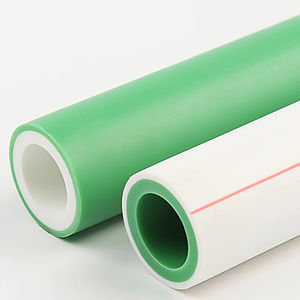
Factory High Quality Plumbing Materials Plastic Tube Water Supply PPR Pipe
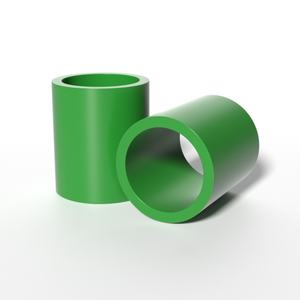
High Pressure Ppr Pipe and Fittings Plumbing Materials Polypropylene Pipe PN25
High Transparency Blow Molding Giredhi PP Random Copolymer Polypropylene Chikafu Firimu Giredhi PPR Pipe