LUOYANG NA'E HA'U 'A E MALOHI 'O E TEKINOLIA CO.,LTD

Ko e hā ʻoku fakafalala ai ʻa e ʻotomētiki fakangaueʻanga fakaonopooní ki he ngaahi sisitemi valve ʻo e polo ʻoku fakaʻaongaʻi ʻe he ngaahi voliume lahi
'I he lahi taha 'o e ngaahi poloseki 'otometiki fakangaue'anga ., ‘oku fehangahangai ‘a e kau ‘enisiniá mo ha palopalema ‘oku tātātaha ke lāulea ki ai ka ‘oku ‘i ai ma‘u pē ‘i he ngāué .:
'oku 'ikai ke fakatahataha'i 'a e ngaahi sisitemi pule'i 'o e tafe 'i he ngaahi tu'unga mo'ui 'o e voliume, ngaahi founga pule'i ., mo e ngaahi 'atakai 'o e fokotu'u ..
A water treatment plant may use DC24V control systems, while a chemical processing line operates on AC220V. Meanwhile, HVAC systems in commercial buildings often require completely different electrical configurations.
The result is predictable:
multiple valve models, inconsistent performance, higher inventory pressure, and increased installation complexity.
What seems like a small electrical difference actually becomes a major engineering limitation at system scale.

industrial automation system central control PLC multi voltage valve network concept
Why Traditional Ball Valves Are No Longer Enough
Traditional electric ball valves are usually designed for a single voltage type. This means engineers must select different models depending on project requirements.
This creates three major issues:
- ʻuluaki, inventory fragmentation — more SKUs, higher storage cost.
- Fika ua, system incompatibility — different control logic for different valves.
- Fika tolu, maintenance difficulty — replacement becomes time-consuming and error-prone.
In large-scale industrial automation systems, these inefficiencies accumulate quickly and directly impact operational reliability.
The Shift Toward Multi-Voltage Engineering Design
To solve these systemic challenges, industrial equipment is evolving toward a new direction:
multi-voltage compatibility and unified actuator platforms.
Instead of designing valves for a single electrical environment, modern systems increasingly require flexibility — the ability to operate under DC12V, DC24V, or AC220V without changing core structure.
This shift is not just about convenience.
It represents a broader transformation in industrial engineering: from isolated devices to standardized automation modules.
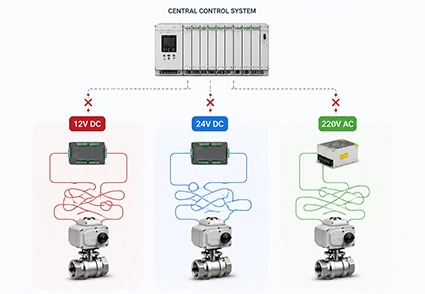
industrial flow control system multiple voltage incompatibility engineering problem diagram
Where Stainless Steel Becomes Critical
While electrical compatibility solves one side of the problem, material selection solves the other.
Industrial environments involve water, lolo, kasa, 'ea, and sometimes mildly corrosive media. Under these conditions, material stability determines system lifespan.
Ko e feitu'u 'eni . 304 stainless steel becomes essential. It provides:
- Fakafepaki malohi ki he corrosion .
- Long-term structural stability
- Compatibility with multiple media types
- Reduced maintenance frequency
When combined with electric actuation systems, it becomes a reliable foundation for continuous industrial operation.
Practical Engineering Solution: 2-Way Motorized Ball Valve
‘I he taimi ko ‘ení ., the engineering requirement becomes clear:
A valve is no longer just a mechanical switch — it must be a controllable node in an automation system.
This is where the 2-way motorized ball valve system plays a key role.
Built with 304 stainless steel and equipped with an electric actuator, it supports:
- Bi-directional flow control for flexible pipeline design
- Multi-voltage input (DC12V / DC24V / AC220V)
- CE-certified safety compliance
- Integration with industrial automation systems
It bridges the gap between electrical diversity and mechanical reliability.

multi voltage motorized ball valve system DC12V DC24V AC220V unified control diagram
Real Applications in Modern Industry
In real-world engineering systems, this type of motorized ball valve is not used in isolation.
It is part of a larger automated flow control network, ʻo kau ai:
- Water treatment plants where continuous filtration control is required
- HVAC systems that depend on precise temperature regulation
- Industrial production lines using PLC and DCS systems
- Oil and gas pipelines requiring remote shut-off capability
- Chemical systems requiring stable corrosion-resistant operation
Each environment demands one thing: predictable and stable flow behavior.
Final Engineering Value
The real value of a multi-voltage stainless steel motorized ball valve is not in its specifications alone.
It lies in what it removes from the system:
- Complexity in selection
- Inconsistency in operation
- Fragmentation in maintenance
- Limitations in system design
By standardizing flow control components, engineers gain something far more valuable than a single valve — they gain system efficiency.
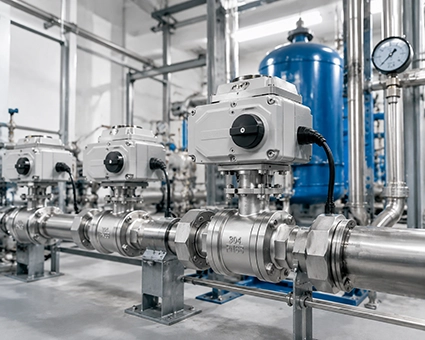
industrial pipeline system water treatment HVAC automation stainless steel motorized valve installed
How to Choose the Right Motorized Ball Valve
Sitepu 1: Determine Your Voltage Requirement
| Voltage | Lelei Taha Mo |
| DC12V / DC24V | Solar-powered systems, battery-operated equipment, low-voltage control panels |
| AC220V | Standard industrial power supply, building automation, Ngaahi sisitemi HVAC |
| AC110V / AC380V | North American or high-power industrial applications (custom order) |
Sitepu 2: Select the Right Size
DN15 – DN50: Suitable for branch lines, small equipment, and precision control applications
DN65 – DN100: Ideal for main pipelines, large pumps, and high-flow systems
Sitepu 3: Choose Connection Type
Filo (BSP/NPT): Standard for small to medium sizes, easy installation
Flanged: Recommended for larger sizes (DN50+) and high-pressure applications
Sitepu 4: Consider Seal Material
PTFE: Best for chemicals, mafana ma'olunga, and low friction
EPDM: Best for water, 'ea, mo e ngaahi kemikale vaivai .
FPM (Viton): Best for oils, fuels, and high-temperature applications
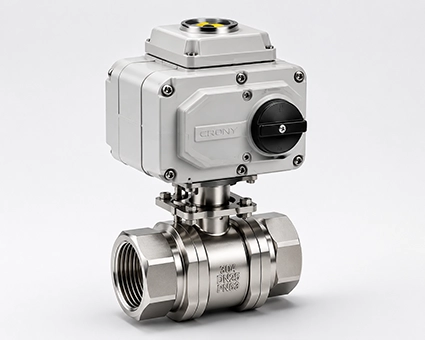
stainless steel electric ball valve 304 motorized ball valve DN15 DN100 industrial actuator
Why Choose Our 2-Way Stainless Steel Motorized Ball Valves?
ʻi Ko e Kautaha Tekinolosia ʻo e Malohi ʻo Luoyang Datang., Ltd. , we are a professional industrial valve supplier dedicated to providing reliable flow control solutions for fire protection, HVAC, fakama'a 'o e vai, mo e ngaahi sisitemi paipa fakangaue'anga 'i mamani kotoa ..
ʻemau 2-way stainless steel motorized ball valves are engineered to deliver:
✅Premium 304 Stainless Steel Construction – Corrosion-resistant and durable
✅Multi-Voltage Actuator – DC12V / DC24V / AC220V for maximum system compatibility
✅T.S. & ISO 9001 Certified – International quality and safety compliance
✅IP67 Weatherproof – Suitable for indoor and outdoor installation
✅Manual Override – Emergency operation during power failure
✅ISO 5211 Fakapipiki – Easy installation and actuator replacement
✅100% Sivi'i 'i he fale ngaohi'anga koloa – Quality assured before shipment
✅Competitive Pricing – Factory-direct supply with no middlemen
Mo e 'olunga 'i he . 10 ngaahi ta'u of experience, ko ha fale fakaeonopooni ‘o e . 80,000 m2, mo e 200+ kau ngāue fakapalofesinale, 'oku mau tauhi 'a e kau kasitomaa 'i he 10+ ngaahi fonua mo e ngaahi koloa lelei, totongi fe'au'auhi, mo e tu'uaki falala'anga ..
Fetu'utaki mai he 'aho ni for expert selection advice, ngaahi fakaikiiki 'o e koloa, and factory-direct quotes.
Fetu'utaki mai
Ko e Kautaha Tekinolosia ʻo e Malohi ʻo Luoyang Datang., Ltd.
Tel / WhatsApp / WeChat: +86 183 3790 0677
'Imeili: fakatau@paipa mo e ngaahi me'a fakapipiki.net
NGAAHI POSI FETU'UTAKI
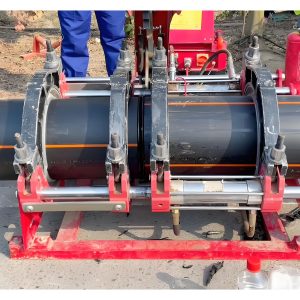
Founga ke fokotu'u totonu 'a e paipa kasa HDPE .?
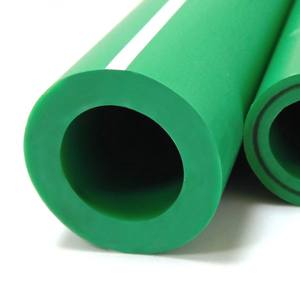
Ko e ngaahi lelei mo e ngaahi polokalama 'o e ngaahi paipa 'o e Polyethylene Random 'i he palama 'o e 'api .
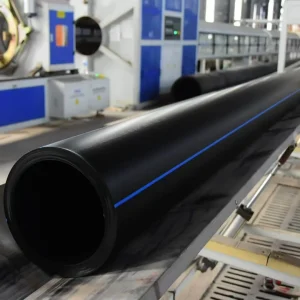
Ko e hā ʻa e ngaahi faikehekehe ʻi he vahaʻa ʻo e ngaahi paipa PE mo e ngaahi paipa HDPE .?
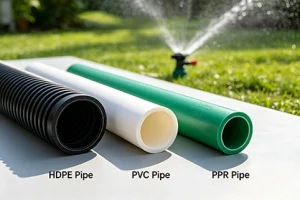
Ngaahi Paipa Vai Fakangoue: HDPE, PVC, pe PPR – Ko e fē ‘a e Fili Lelei Taha ki Ho’o Faama .?
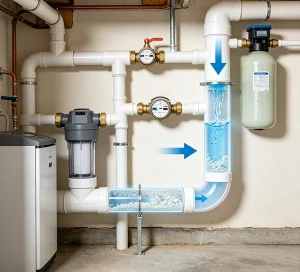
Founga Ke Fakama'a 'aki 'a e Ngaahi Paipa Vai 'i 'Api