


Ua haere mai o LUOYANG NO TE PUHI TECH CO.,LTD

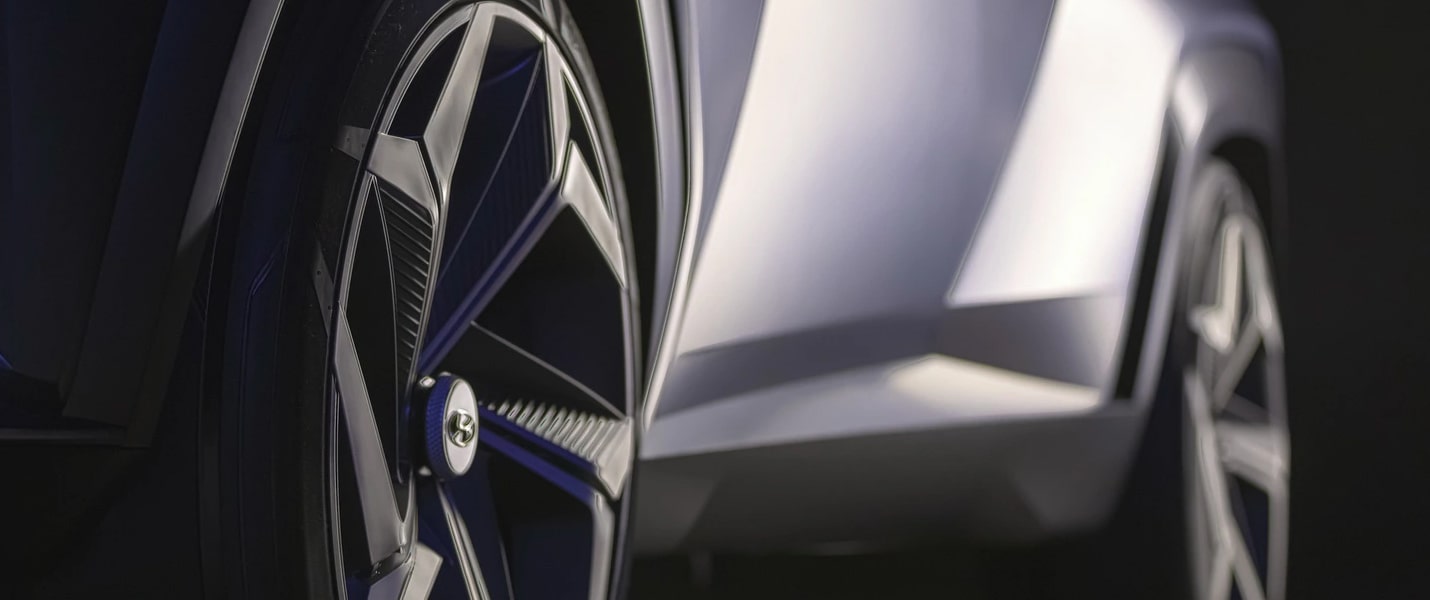
Polypropylene PPR Pipe HDPE PP Pipe Hot Cold Water Pipe
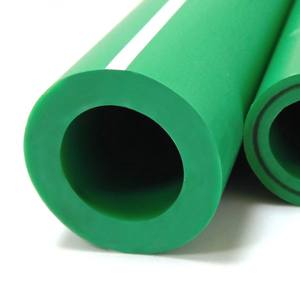
TE MAU PARAMETERS
Tuʻaroʻa
Te omuaraa o tePolypropylene PPR Pipe HDPE PP Pipe Hot Cold Water Pipe
PPR (Te i'oa taatoa, o te hoê ïa hu'ahu'a hu'ahu'a teitei tei hamanihia i roto i te mau tao'a mata polypropylene maitai roa. No to ' na patoiraa i te anuvera rahi, te patoiraa i te faaheporaa, te parururaa i te mau mea e haaati ra ia'na e te ereraa i te ino, E faaohipa-pinepine-hia te reira no te patu i te mau faanahoraa pape veavea e te to'eto'e, Te mau rave'a hamaniraa tauihaa HVAC, Te faatereraa i te pape inu e te haaparareraa i te mau pape pu'e, e ua riro te reira ei monoraa maitai roa ' ' e no te mau paipa metala anamua.
Characteristics and Features of Polypropylene PPR Pipe HDPE PP Pipe Hot Cold Water Pipe
Te anuvera teitei e te faaheporaa rahi
E nehenehe te anuvera no te hoê tau maoro e tae i te 70°C, Te pato'iraa i te anuvera teitei no te hoê tau poto e tae atu i te 95°C, ha'utiraa faaheporaa maitai roa (faito faaheporaa matauhia PN20, PN25).
Te parururaa i te mau mea e haaati ra ia tatou e te oraora - maitai - raa
E mea mâ e e ere te mau tao'a mata i te mea taero, ia faaî i te mau titauraa no te pape inu (mai te FDA, EN ISO e te tahi atu mau tiwhikete), Eiaha e faatupu i te mau hu'ahu'a, e te haapapûraa i te parururaa o te huru o te pape.
Te ino e te anti-scaling
Te patoiraa i te ati e te alkali, te puai o te patoiraa i te ino, maeneene o roto, e ere i te mea ohie ia faarahi, te faaohiparaa maoro i te taheraa pape.
Hot melt melt, te taamuraa puai
Te faaohiparaa i te mau rave'a aravihi apî, aita e atâtaraa ia tahe te taheraa toto i roto i te taairaa, e te haamaitai nei te haamauraa taa ê i te tiaturiraa o te faanahoraa.
Mea mâmâ e mea ohie ia patu
Te poihâ 1/8 o te mau paipa metala, e mea tano no te faahororaa e no te faautaraa, te faaitiraa mai i te mau haamâu'araa.
Te oraraa roa e te haapa'oraa iti
Hau atu â te oraraa taviniraa i faanahohia 50 matahitis, aita e haapa'oraa, e e mea iti roa te hoo.
Te faaherehereraa i te ito e te ve'ave'a
E mea iti roa te faatereraa i te veavea (ʻĀita 1/200 o te mau paipa metala), o te faaiti i te veavea e o te tano no te mau faanahoraa pape veavea.
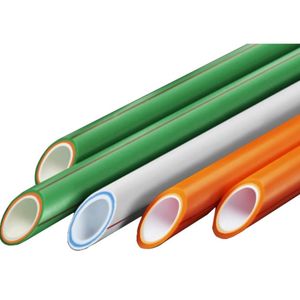
(Polypropylene PPR Pipe HDPE PP Pipe Hot Cold Water Pipe)
Specifications of Polypropylene PPR Pipe HDPE PP Pipe Hot Cold Water Pipe
Here’s the product content about polypropylene pipes:
Polypropylene pipes are common for water systems. PPR pipes handle hot and cold water well. They manage high temperatures smoothly. Boiling water won’t damage them. PPR pipes resist scale buildup inside. This keeps water flow consistent over time. They are strong against chemicals too. These pipes last a very long time. Installation is straightforward with heat fusion. This creates leak-proof joints. The pipe and fitting melt together. The connection becomes as strong as the pipe itself.
HDPE pipes are another polypropylene type. They are very tough and flexible. HDPE handles high pressure reliably. These pipes resist cracks and impacts. They work underground or above ground. HDPE is good for cold water supply. It also suits irrigation systems. HDPE pipes join using butt fusion or electrofusion. Both methods ensure solid seals. HDPE won’t rot or corrode.
General PP pipes are versatile. They work for many water applications. PP pipes are lightweight and easy to handle. They are simple to cut and install. These pipes resist corrosion completely. Rust is never a problem. They handle both hot and cold water. PP pipes are affordable. They offer good value. Common sizes are DN20, DN25, DN32, DN40, DN50, DN63, DN75, DN90, DN110. Pressure ratings include PN10, PN16, PN20, PN25. Temperature range is typically -20°C to 95°C. The pipes are smooth inside. This reduces friction loss. Water pressure stays higher. Flow rates are better. They are environmentally friendly. Recycling is possible. Maintenance needs are low.

(Polypropylene PPR Pipe HDPE PP Pipe Hot Cold Water Pipe)
Applications of Polypropylene PPR Pipe HDPE PP Pipe Hot Cold Water Pipe
Polypropylene pipes, especially PPR and HDPE types, are essential for modern plumbing and industrial systems. These pipes reliably move hot and cold water. They offer significant advantages over traditional metal pipes. PPR pipes are perfect for hot and cold water supply inside buildings. They handle high temperatures well. Hot water won’t damage them. Cold water flows smoothly too. These pipes resist corrosion completely. Rust and scale buildup inside are non-issues. This keeps water clean and safe. You avoid contamination risks. Water quality stays high for drinking.
HDPE pipes are tough and flexible. They are great for main water lines underground. They handle pressure changes easily. You don’t worry about cracks or breaks. Their flexibility helps them absorb ground movement. They are also excellent for transporting chemicals. Many industrial fluids won’t harm them. Factories use them for process lines. They are safe for carrying acids and alkalis. E faaohipa te mau faaapu i te reira no te mau faanahoraa pape. They last many years under the sun. They resist UV damage well.
Both PPR and HDPE pipes install quickly. Workers fuse them together using heat. This creates seamless, leak-proof joints. You get a continuous, strong pipeline. Installation is simpler than threading metal pipes. You save time and labor costs. These pipes are very light. Moving and handling them is easy. They cut cleanly with simple tools. Their smooth inner surface reduces friction. Water flows faster with less pump power needed. You save energy costs over time. They are also very quiet. Water moving through them makes little noise.
These pipes are incredibly durable. They last decades without problems. You avoid frequent replacements. They withstand freezing conditions better than metal. Freezing water is less likely to burst them. Maintenance needs are minimal. You rarely need repairs. This reliability makes them cost-effective long-term. They are trusted worldwide for water systems. Builders and engineers choose them for new projects. They work well for home plumbing and large factories. They perform reliably even underground.
Te tapo'iraa e te tonoraa
Te faataa ra te reira i te mau tao'a e te qty,E nehenehe ta tatou e rave i te tapo'iraa o te coiling,rolls,Te tapo'iraa,Te mau afata e aore râ, te mau afata,e tē vai atura.
Te tonoraa:Na te moana,purumu,na roto i te manureva aore ra mai te aniraa a te taata hoo.
Hoho'a o te Taiete
Te mau haamaramaramaraa no ni'a i te mau haamaramaramaraa a Luoyang., Ltd. te hoê taata hamani tao'a tinito rahi roa'e o tei matau i te mau hu'ahu'a hu'ahu'a maitai roa e te mau tao'a. Ua ineine te reira e te mau reni hamaniraa tauihaa apî roa a'e e te turuhia ra e te hoê pŭpŭ 200 te feia toro'a, te horoa nei matou i te hoê reni tao'a rahi e hau atu i te 150 te mau huru paipa hu'ahu'a e te mau tauihaa i hamanihia no te horoa i te pape e te mau faanahoraa no te faataeraa i te pape, Te haaparareraa mǎhu, e te mau faanahoraa no te faahanahana i te tahua. I roto i ta tatou mau tao'a rahi, te vai ra te mau PVC Pipes e te mau tao'a, PE (HDPE) Te mau paipa e te mau tao'a, PPR Pipes me nga taputapu, e te mau paipa no te faahanahana i te tahua PEX.
E uiuiraa anei ta outou no ni'a i te HDPE Pipe, Eiaha e feaa faahou i te farerei ia matou!
Tel.:0086-183 3790 0677
Wechat: 0086-183 3790 0677
Whatsapp: 0086-183 3790 0677
Imera: mau hooraa@mau hooraa
Te mau parau aufau
T/T,L/C i te hi'oraa,Tooa o te râ & Paypal,e tē vai atura.
5 FAQs of Polypropylene PPR Pipe HDPE PP Pipe Hot Cold Water Pipe
What are PPR pipes used for?
PPR pipes carry hot and cold water in homes and buildings. They work for drinking water systems and heating setups. These pipes are common in bathrooms and kitchens.
Why pick PPR pipes over metal pipes?
PPR pipes don’t rust or corrode like metal. Metal pipes get mineral buildup inside. PPR stays smooth inside for years. This keeps water flowing well. PPR is also lighter and easier to install.
Can PPR pipes handle hot water?
ae. PPR pipes handle water up to 95°C. They won’t melt or warp at normal heating temperatures. They’re safe for hot water lines from boilers or solar heaters.
How are PPR pipes connected?
Use heat fusion. Heat the pipe end and the fitting. Push them together. The melted plastic bonds as it cools. This makes a solid, amuiraa aita e toto. No glue or threads are needed.
What’s the difference between PPR and HDPE pipes?
PPR is for indoor plumbing and heating systems. HDPE is tougher. HDPE handles outdoor and buried uses like main water lines. PPR resists heat better. HDPE bends more easily for long underground runs.

(Polypropylene PPR Pipe HDPE PP Pipe Hot Cold Water Pipe)
A TINIRAA I TE HOÊ PARAU
TE MAU HOPO'A FAATAA
Plastic Water Poly HDPE Pipe Supply
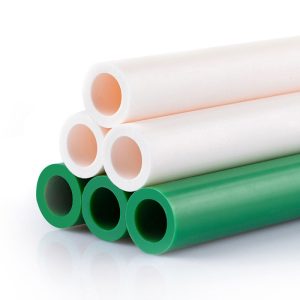
Wholesale PN16 PN20 PN25 PPR Pipe
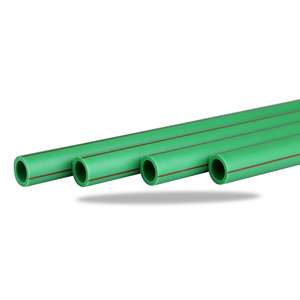
Eco-Friendly High Pressure PPR Plastic Tubes Heat Welded Water Supply Pipes
Polypropylene Random Copolymer High Quality PPR Pipe Fittings
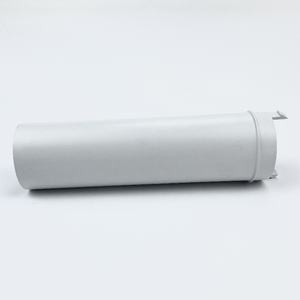
Whole Gray PVC-U Irrigation Plastic Pipe Thickened Pressure Resistant