Ua haere mai o LUOYANG NO TE PUHI TECH CO.,LTD


Te mau paipa no te taheraa pape i raro i te repo HDPE diameter iti
TE MAU PARAMETERS
Tuʻaroʻa
Te omuaraa o teTe mau paipa no te taheraa pape i raro i te repo HDPE diameter iti
PPR (Te i'oa taatoa, o te hoê ïa hu'ahu'a hu'ahu'a teitei tei hamanihia i roto i te mau tao'a mata polypropylene maitai roa. No to ' na patoiraa i te anuvera rahi, te patoiraa i te faaheporaa, te parururaa i te mau mea e haaati ra ia'na e te ereraa i te ino, E faaohipa-pinepine-hia te reira no te patu i te mau faanahoraa pape veavea e te to'eto'e, Te mau rave'a hamaniraa tauihaa HVAC, Te faatereraa i te pape inu e te haaparareraa i te mau pape pu'e, e ua riro te reira ei monoraa maitai roa ' ' e no te mau paipa metala anamua.
Characteristics and Features of Small Diameter HDPE Underground Drainage Pipes Perforated Corrugated Drainage
Te anuvera teitei e te faaheporaa rahi
E nehenehe te anuvera no te hoê tau maoro e tae i te 70°C, Te pato'iraa i te anuvera teitei no te hoê tau poto e tae atu i te 95°C, ha'utiraa faaheporaa maitai roa (faito faaheporaa matauhia PN20, PN25).
Te parururaa i te mau mea e haaati ra ia tatou e te oraora - maitai - raa
E mea mâ e e ere te mau tao'a mata i te mea taero, ia faaî i te mau titauraa no te pape inu (mai te FDA, EN ISO e te tahi atu mau tiwhikete), Eiaha e faatupu i te mau hu'ahu'a, e te haapapûraa i te parururaa o te huru o te pape.
Te ino e te anti-scaling
Te patoiraa i te ati e te alkali, te puai o te patoiraa i te ino, maeneene o roto, e ere i te mea ohie ia faarahi, te faaohiparaa maoro i te taheraa pape.
Hot melt melt, te taamuraa puai
Te faaohiparaa i te mau rave'a aravihi apî, aita e atâtaraa ia tahe te taheraa toto i roto i te taairaa, e te haamaitai nei te haamauraa taa ê i te tiaturiraa o te faanahoraa.
Mea mâmâ e mea ohie ia patu
Te poihâ 1/8 o te mau paipa metala, e mea tano no te faahororaa e no te faautaraa, te faaitiraa mai i te mau haamâu'araa.
Te oraraa roa e te haapa'oraa iti
Hau atu â te oraraa taviniraa i faanahohia 50 matahitis, aita e haapa'oraa, e e mea iti roa te hoo.
Te faaherehereraa i te ito e te ve'ave'a
E mea iti roa te faatereraa i te veavea (ʻĀita 1/200 o te mau paipa metala), o te faaiti i te veavea e o te tano no te mau faanahoraa pape veavea.

(Te mau paipa no te taheraa pape i raro i te repo HDPE diameter iti)
Specifications of Small Diameter HDPE Underground Drainage Pipes Perforated Corrugated Drainage
These small plastic drainage pipes handle water underground. They’re corrugated HDPE pipes with holes. The corrugated design makes them strong but flexible. This flexibility lets them bend easily around curves or uneven ground. They handle ground pressure well without breaking. HDPE plastic is tough. It resists chemicals often found in soil. It won’t rust or rot like metal or concrete pipes. These pipes last a very long time.
Common sizes are small diameters. Think 100mm, 160mm, 200mm, 250mm, 315mm. Perforations are key. These holes let water enter the pipe from the surrounding soil. Hole patterns vary. Common options are holes all around or just on top. The hole size controls how much water gets in and keeps soil out. You choose the pattern based on your water collection needs.
These pipes connect simply. Many use snap-together couplings. This makes installation fast. No special tools or glue needed usually. They come in long coils or straight lengths. Coils are great for long, winding trenches. Straight lengths suit shorter, direct runs. The pipe wall has a ring stiffness class. Look for SN4 or SN8 ratings. SN4 works for most shallow drains. SN8 handles deeper burial or heavier loads.
Temperature range matters. Standard HDPE pipes work fine between -20°C and +60°C. They handle typical ground conditions. Their smooth inner wall helps water flow freely. The perforations collect groundwater effectively. This keeps areas dry. They are lighter than old concrete or clay pipes. This means easier transport and handling on site. They are a practical solution for field drains, foundation drainage, and roadside ditches.

(Te mau paipa no te taheraa pape i raro i te repo HDPE diameter iti)
Applications of Small Diameter HDPE Underground Drainage Pipes Perforated Corrugated Drainage
Small diameter HDPE underground drainage pipes with perforations and corrugations solve water problems effectively. These flexible plastic pipes are tough and resist chemicals and rust. Water enters through small holes along the pipe. The corrugated shape makes them strong against crushing forces underground. They are light and simple to install using basic tools. Workers connect pipe sections quickly with snap-together fittings or couplers.
Farmers use these pipes widely for field drainage. They remove extra water from wet soil. Better drainage improves crop growth and allows earlier planting. The pipes are buried at specific depths across fields. Water seeps into the pipe holes and flows away. This prevents waterlogging and root damage.
Buildings need protection from water damage. These pipes are perfect for foundation drains and basement perimeter systems. They collect groundwater before it presses against walls or enters basements. Installing them around a building’s base directs water safely away. This keeps foundations dry and stable.
Sports fields and golf courses rely on consistent drainage. These pipes manage surface water and subsurface moisture. They keep playing surfaces firm and usable after rain. Proper drainage prevents muddy conditions and field closures. The pipes are placed under turf in specific patterns.
Landfills use these pipes to control leachate. They collect contaminated liquid from waste piles. The pipes channel the leachate to treatment areas safely. Their durability is essential in harsh landfill environments.
Road construction projects install these pipes beside roads. They prevent water buildup under pavement layers. This stops road damage like cracks and potholes. The pipes handle water runoff from the road surface and surrounding land.
Te tapo'iraa e te tonoraa
Te faataa ra te reira i te mau tao'a e te qty,E nehenehe ta tatou e rave i te tapo'iraa o te coiling,rolls,Te tapo'iraa,Te mau afata e aore râ, te mau afata,e tē vai atura.
Te tonoraa:Na te moana,purumu,na roto i te manureva aore ra mai te aniraa a te taata hoo.
Hoho'a o te Taiete
Te mau haamaramaramaraa no ni'a i te mau haamaramaramaraa a Luoyang., Ltd. te hoê taata hamani tao'a tinito rahi roa'e o tei matau i te mau hu'ahu'a hu'ahu'a maitai roa e te mau tao'a. Ua ineine te reira e te mau reni hamaniraa tauihaa apî roa a'e e te turuhia ra e te hoê pŭpŭ 200 te feia toro'a, te horoa nei matou i te hoê reni tao'a rahi e hau atu i te 150 te mau huru paipa hu'ahu'a e te mau tauihaa i hamanihia no te horoa i te pape e te mau faanahoraa no te faataeraa i te pape, Te haaparareraa mǎhu, e te mau faanahoraa no te faahanahana i te tahua. I roto i ta tatou mau tao'a rahi, te vai ra te mau PVC Pipes e te mau tao'a, PE (HDPE) Te mau paipa e te mau tao'a, PPR Pipes me nga taputapu, e te mau paipa no te faahanahana i te tahua PEX.
E uiuiraa anei ta outou no ni'a i te HDPE Pipe, Eiaha e feaa faahou i te farerei ia matou!
Tel.:0086-183 3790 0677
Wechat: 0086-183 3790 0677
Whatsapp: 0086-183 3790 0677
Imera: mau hooraa@mau hooraa
Te mau parau aufau
T/T,L/C i te hi'oraa,Tooa o te râ & Paypal,e tē vai atura.
5 FAQs of Small Diameter HDPE Underground Drainage Pipes Perforated Corrugated Drainage
What are small diameter HDPE underground drainage pipes? These pipes are flexible plastic tubes made from high-density polyethylene. They are small in size, usually between 2 a 12 inches wide. They are designed for burying underground to handle water. They have a wavy outer surface for strength and tiny holes to let water pass through. Why are these pipes perforated? The holes allow groundwater to enter the pipe. This collects extra water from wet soil. Then the pipe moves the water away. Sometimes the holes also let water leave the pipe. This helps dry out areas or water plants. How do the corrugations help? The ridges make the pipe tough but light. They help the pipe resist crushing from heavy soil above. They also let the pipe bend easily. This is useful for fitting around curves or bumps underground. The pipe stays strong even under pressure. Where are these pipes typically used? They are common in home gardens to stop flooding. They work in farm fields to drain excess water. You see them under sports fields to keep surfaces dry. They are used near roads to manage rainwater. Construction sites use them for temporary water control. What are the benefits of using HDPE material? HDPE plastic doesn’t rust or rot. It handles chemicals well and lasts many years. It’s light so workers can move it easily. It bends without breaking during installation. It saves money because it needs little upkeep.

(Te mau paipa no te taheraa pape i raro i te repo HDPE diameter iti)
A TINIRAA I TE HOÊ PARAU
TE MAU HOPO'A FAATAA
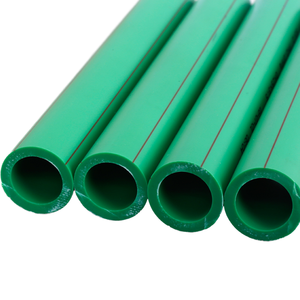
Te mau tubes hu'ahu'a PPR no te mau huru maitai roa a'e
Te mau rave'a no te PPR no te mau hu'ahu'a teitei
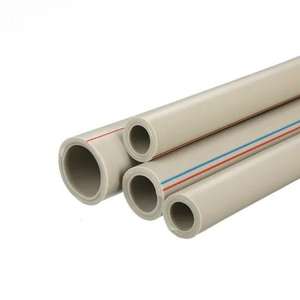
Polypropylene Plastic Corrugated Flexible Electrical Pipe AD13 Corrugated Conduit
Whole Plumbing Materials Polypropylene Pipe PN10 PN25 Ppr Pipe Sizes Chart
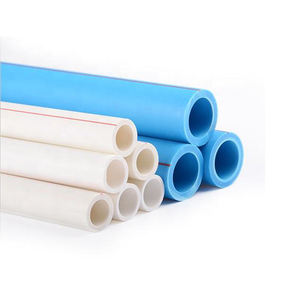
Plastic Water Supply Polypropylene Tube PPR Pipe Size for Hot Cold Water