LUOYANG CAME ENERGY TECH CO., LTD

Iwọn Iwọn Kekere HDPE Awọn paipu Imudanu Ilẹ-ilẹ Perforated Corrugated Drainage
Ọja parameters
Apejuwe
Ifihan tiIwọn Iwọn Kekere HDPE Awọn paipu Imudanu Ilẹ-ilẹ Perforated Corrugated Drainage
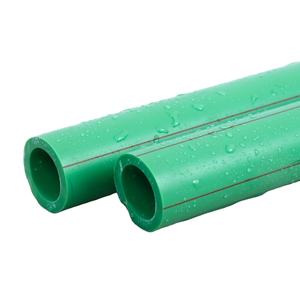
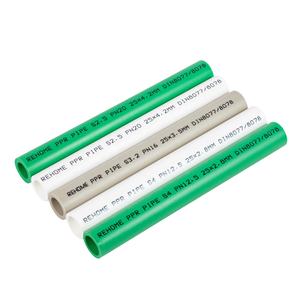
PPR paipu (ni kikun orukọ Polypropylene ID Copolymer Pipe, jẹ paipu ṣiṣu ti o ni iṣẹ giga ti a ṣe ti awọn ohun elo aise copolymer polypropylene ID didara-giga. Nitori awọn oniwe-giga otutu resistance, resistance resistance, Idaabobo ayika ati ti kii-majele ti, o jẹ lilo pupọ ni kikọ awọn eto omi gbona ati tutu, HVAC ẹrọ, gbigbe omi mimu ati gbigbe omi ile-iṣẹ, ati pe o jẹ aropo pipe fun awọn paipu irin ibile.
Characteristics and Features of Small Diameter HDPE Underground Drainage Pipes Perforated Corrugated Drainage
Iwọn otutu ti o ga ati idaabobo titẹ giga
Iwọn otutu iṣẹ igba pipẹ le de ọdọ 70 ° C, resistance otutu otutu igba diẹ si 95°C, o tayọ titẹ ti nso išẹ (wọpọ titẹ ipele PN20, PN25).
Idaabobo ayika ati ilera
Awọn ohun elo aise jẹ mimọ ati kii ṣe majele, pade awọn ajohunše omi mimu (gẹgẹ bi awọn FDA, EN ISO ati awọn iwe-ẹri miiran), ma ṣe ajọbi kokoro arun, ati rii daju aabo didara omi.
Ipata ati egboogi-iwọn
Acid ati alkali resistance, lagbara ipata kemikali resistance, dan akojọpọ odi, ko rọrun lati iwọn, lilo igba pipẹ ti ṣiṣan iduroṣinṣin.
Gbona yo asopọ, lagbara lilẹ
Gbigba imọ-ẹrọ iho yo gbona gbona, ko si eewu jijo ni asopọ, ati awọn ese be se eto dede.
Lightweight ati ki o rọrun lati òrùka
Iwọn naa jẹ nikan 1/8 ti awọn paipu irin, eyiti o rọrun fun gbigbe ati fifi sori ẹrọ, idinku awọn idiyele iṣẹ.
Igbesi aye gigun ati itọju kekere
Igbesi aye iṣẹ ti a ṣe apẹrẹ jẹ diẹ sii ju 50 odun, itọju-free, ati iye owo apapọ jẹ kekere.
Agbara-fifipamọ awọn ati ooru itoju
Awọn elekitiriki gbona jẹ kekere (nikan 1/200 ti irin pipes), eyi ti o dinku pipadanu ooru ati pe o dara fun awọn eto omi gbona.

(Iwọn Iwọn Kekere HDPE Awọn paipu Imudanu Ilẹ-ilẹ Perforated Corrugated Drainage)
Specifications of Small Diameter HDPE Underground Drainage Pipes Perforated Corrugated Drainage
These small plastic drainage pipes handle water underground. They’re corrugated HDPE pipes with holes. The corrugated design makes them strong but flexible. This flexibility lets them bend easily around curves or uneven ground. They handle ground pressure well without breaking. HDPE plastic is tough. It resists chemicals often found in soil. It won’t rust or rot like metal or concrete pipes. Awọn paipu wọnyi ṣiṣe ni igba pipẹ pupọ.
Common sizes are small diameters. Think 100mm, 160mm, 200mm, 250mm, 315mm. Perforations are key. These holes let water enter the pipe from the surrounding soil. Hole patterns vary. Common options are holes all around or just on top. The hole size controls how much water gets in and keeps soil out. You choose the pattern based on your water collection needs.
These pipes connect simply. Many use snap-together couplings. Eyi jẹ ki fifi sori yarayara. No special tools or glue needed usually. They come in long coils or straight lengths. Coils are great for long, winding trenches. Straight lengths suit shorter, direct runs. The pipe wall has a ring stiffness class. Look for SN4 or SN8 ratings. SN4 works for most shallow drains. SN8 handles deeper burial or heavier loads.
Temperature range matters. Standard HDPE pipes work fine between -20°C and +60°C. They handle typical ground conditions. Their smooth inner wall helps water flow freely. The perforations collect groundwater effectively. This keeps areas dry. They are lighter than old concrete or clay pipes. This means easier transport and handling on site. They are a practical solution for field drains, foundation drainage, and roadside ditches.

(Iwọn Iwọn Kekere HDPE Awọn paipu Imudanu Ilẹ-ilẹ Perforated Corrugated Drainage)
Applications of Small Diameter HDPE Underground Drainage Pipes Perforated Corrugated Drainage
Small diameter HDPE underground drainage pipes with perforations and corrugations solve water problems effectively. These flexible plastic pipes are tough and resist chemicals and rust. Water enters through small holes along the pipe. The corrugated shape makes them strong against crushing forces underground. They are light and simple to install using basic tools. Workers connect pipe sections quickly with snap-together fittings or couplers.
Farmers use these pipes widely for field drainage. They remove extra water from wet soil. Better drainage improves crop growth and allows earlier planting. The pipes are buried at specific depths across fields. Water seeps into the pipe holes and flows away. This prevents waterlogging and root damage.
Buildings need protection from water damage. These pipes are perfect for foundation drains and basement perimeter systems. They collect groundwater before it presses against walls or enters basements. Installing them around a building’s base directs water safely away. This keeps foundations dry and stable.
Sports fields and golf courses rely on consistent drainage. These pipes manage surface water and subsurface moisture. They keep playing surfaces firm and usable after rain. Proper drainage prevents muddy conditions and field closures. The pipes are placed under turf in specific patterns.
Landfills use these pipes to control leachate. They collect contaminated liquid from waste piles. The pipes channel the leachate to treatment areas safely. Their durability is essential in harsh landfill environments.
Road construction projects install these pipes beside roads. They prevent water buildup under pavement layers. This stops road damage like cracks and potholes. The pipes handle water runoff from the road surface and surrounding land.
Iṣakojọpọ ati Gbigbe
Da lori awọn ọja ati qty,a le ṣe iṣakojọpọ ti coiling,yipo,iṣakojọpọ lapapo,apoti tabi apoti,ati be be lo.
Gbigbe:Nipa okun,oko oju irin,nipasẹ afẹfẹ tabi bi ibeere alabara.
Ifihan ile ibi ise
Awọn iṣiro ti ile-iṣẹ Luoyang Datang Energy Tech Co., Ltd., Ltd. jẹ olupese ti Ilu Kannada ti o ṣe amọja ni awọn paipu ṣiṣu to gaju ati awọn ohun elo. Ni ipese pẹlu ipinle-ti-ti-aworan aládàáṣiṣẹ gbóògì ila ati atilẹyin nipasẹ kan egbe ti 200 awọn ọjọgbọn, ti a nse ohun sanlalu ọja laini ni ninu 150 awọn oriṣi ti awọn paipu ṣiṣu ati awọn ohun elo ti a ṣe apẹrẹ fun ipese omi ati awọn eto idominugere, gaasi gbigbe, ati pakà alapapo awọn ọna šiše. Awọn ọja akọkọ wa pẹlu Awọn paipu PVC ati Awọn Fittings, PE (HDPE) Paipu ati Fittings, PPR Pipes ati Fittings, ati PEX Floor Alapapo Pipes.
O yẹ ki o ni awọn ibeere eyikeyi nipa HDPE Pipe Fitting, jọwọ ma ṣe ṣiyemeji lati kan si wa!
Tẹli.:0086-183 3790 0677
Wechat: 0086-183 3790 0677
Whatsapp: 0086-183 3790 0677
Imeeli: sales@pipesandfittings.net
Awọn ofin sisan
T/T,L / C ni oju,Western Union & Paypal,ati be be lo.
5 FAQs of Small Diameter HDPE Underground Drainage Pipes Perforated Corrugated Drainage
What are small diameter HDPE underground drainage pipes? These pipes are flexible plastic tubes made from high-density polyethylene. They are small in size, usually between 2 si 12 inches jakejado. They are designed for burying underground to handle water. They have a wavy outer surface for strength and tiny holes to let water pass through. Why are these pipes perforated? The holes allow groundwater to enter the pipe. This collects extra water from wet soil. Then the pipe moves the water away. Sometimes the holes also let water leave the pipe. This helps dry out areas or water plants. How do the corrugations help? The ridges make the pipe tough but light. They help the pipe resist crushing from heavy soil above. They also let the pipe bend easily. This is useful for fitting around curves or bumps underground. The pipe stays strong even under pressure. Nibo ni awọn paipu wọnyi ti wa ni igbagbogbo lo? They are common in home gardens to stop flooding. They work in farm fields to drain excess water. You see them under sports fields to keep surfaces dry. They are used near roads to manage rainwater. Construction sites use them for temporary water control. What are the benefits of using HDPE material? HDPE plastic doesn’t rust or rot. It handles chemicals well and lasts many years. It’s light so workers can move it easily. It bends without breaking during installation. It saves money because it needs little upkeep.

(Iwọn Iwọn Kekere HDPE Awọn paipu Imudanu Ilẹ-ilẹ Perforated Corrugated Drainage)
BERE ORO
Awọn ọja ti o jọmọ
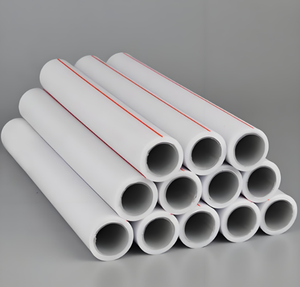
Factory Produced asefara titobi Union 32mm Plumbing Plastic Ppr Pipe
Factory Direct s Orisirisi awọn iwọn Hdpe Pipe fun Omi Ipese Black Blue Tube
Ọjọgbọn PPH Water Pipe D20-D40 Titẹ giga ISO Ifọwọsi Ṣiṣu Omi Pipe
Polypropylene PP ID Copolymer Aṣa Ṣe fun Gbona ati Tutu Omi Pipe PPR
Ṣiṣu PPR Tubes fun Omi Plumbing-Ti o tọ ati ara PP ṣiṣu Pipe