


U-LUOYANG WAFIKA ENERGY TECH CO., LTD

Hlobo Luni Lwepayipi Lokuhlinzeka Ngamanzi Angaphansi Komhlaba?
Choosing the right underground water pipe isn’t about finding the cheapest option today; imayelana nokuvikela amanzi kanye nengqalasizinda yakho amashumi eminyaka. Amandla emvelo, amalunga ahlanganisiwe angavuzi, and exceptional corrosion resistance of HDPE pipe make it the intelligent, long-term solution trusted by engineers and utility managers worldwide.
Why Underground Pipe Choice Matters Deeply
Durability Under Pressure:Buried pipes endure constant soil pressure, potential ground movement (settling, freezingthawing), and heavy surface loads. Weak pipes crack or collapse.
Ukumelana Nokugqwala:Soil chemicals, umswakama, and stray electrical currents relentlessly attack metal pipes. Corrosion leads to leaks, reduced water flow (scale build-up), and water quality issues.
Amalunga Avuzayo:Poorly joined pipes are the primary source of costly water loss and potential contamination ingress in underground systems.
Impilo Emide Yenkonzo:Excavating and replacing failed pipes is incredibly disruptive and expensive. The right pipe lasts 50+ iminyaka.
Water Quality Protection:The pipe material must not leach harmful substances (like lead or chemicals) into your drinking water.
Top Contenders for Underground Water Lines Pros & Cons
I-HDPE (High-Density Polyethylene) Ipayipi
- Unmatched Durability & Ukuvumelana nezimo:Withstands ground movement and freezing without cracking. Resists impact exceptionally well during installation and service.
- Superior Corrosion & Ukumelana Kwamakhemikhali:Immune to rust, i-electrolysis, and most soil chemicals – ideal for harsh environments.
- Fused Joints = Zero Leaks:Heat-fused joints create a seamless, monolithic system stronger than the pipe itself, eliminating the 1 failure point.
- Very Long Lifespan:Consistently rated for 50-100+ years of service.
- Excellent Flow Characteristics:Smooth interior surface minimizes friction loss, maintaining pressure and flow over long distances.
- Engasindi & Kuyavumelana nezimo:Kalula nakakhulu, faster installation with fewer fittings, ukunciphisa izindleko zabasebenzi. Can be installed using trenchless methods (directional drilling) minimizing surface disruption.
- Resistance to Biological Growth:Inhibits biofilm buildup inside the pipe.
- Ukucatshangelwa:Requires specialized fusion equipment and trained crews for jointing. Needs proper anchoring at connections to rigid structures.
- UV protection needed if stored above ground long-term.
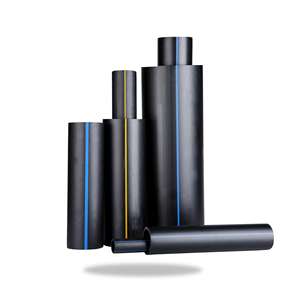
- Kuhle kakhulu:Municipal mains, industrial supply, ukuchelela kwezolimo, rugged terrain, areas with high corrosion potential or seismic activity. Our flagship product line focuses on premium HDPE solutions.
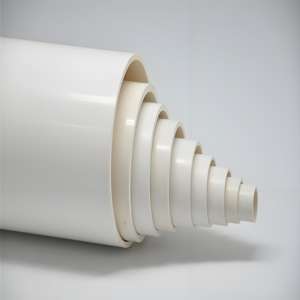
I-PVC (I-Polyvinyl chloride) Pipe The Cost-Effective Standard
- Lower Initial Material Cost:Generally less expensive than HDPE or metal pipes upfront.
- Ukugqwala & Ukumelana Kwamakhemikhali:Excellent resistance to most soil conditions and water-borne chemicals. Won’t rust.
- Rigidity:Holds shape well under soil pressure when properly bedded.
- Easy Solvent Cement Jointing:Simple installation process widely understood by plumbers.
Ukucatshangelwa
- Brittleness:Can crack under impact (especially in cold weather during handlinginstallation) or from sharp rocks in the bedding. Prone to failure under significant ground movement or freezing.
- Joint Reliability:Solvent-cemented joints are strong but are the most common point of potential failure compared to HDPE fusion. Gasket-sealed joints also used.
- Temperature Limitations:Can become brittle in extreme cold and softenweaken in very hot conditions.
- Environmental Concerns:Production and disposal raise some environmental questions (though recycling exists).
- Kuhle kakhulu:Smaller diameter residential service lines, irrigation laterals, where initial cost is paramount and ground conditions are stable.
HDPE vs PVC: Side-by-Side Comparison
To help you make a faster, more informed decision, here is a direct comparison of the two most common underground water pipe materials:
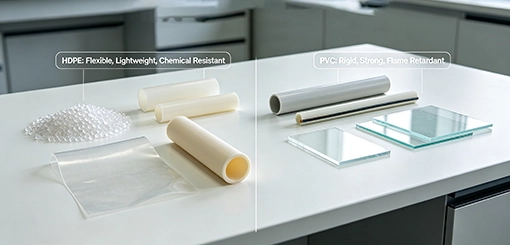
HDPE vs PVC
Beyond Material Critical Factors for Your Project
Isilinganiso Sokucindezela Select pipe rated for the system’s maximum operating pressure (I-PSI) plus a safety factor. Consider surge pressures (water hammer).
Usayizi (Ububanzi) Determined by required flow rate (GPM) and acceptable pressure drop over the distance. Undersized pipes cause low pressure; oversized pipes are unnecessarily costly.
Izimo Zomhlaba Highly corrosive soils Rocky bedding High water table These influence material choice and installation methods (isib., sand bedding for PVC).
Local Codes & Regulations Always comply with municipal or regional building codes specifying approved materials, installation depths, and procedures.
Ukufakwa Ikhwalithi This is paramount! Proper trenching, bedding, ukuhlanganisa, and backfilling according to manufacturer specs and industry standards (like ASTM) are essential for any pipe’s long-term performance. Poor installation can ruin the best pipe.
Certifications Ensure pipes carry relevant certifications for potable water (isib., NSFANSI 61, I-WRAS, KIWA). All our HDPE and PVC pipes meet or exceed stringent global potable water standards.
Installation Methods: Open-Cut vs Trenchless
The way a pipe is installed can be just as important as the pipe material itself. Here is how the two main installation approaches compare:
For most trenchless applications, HDPE is the only practical choice due to its flexibility and fused joint integrity. PVC’s rigidity limits its use in these methods.
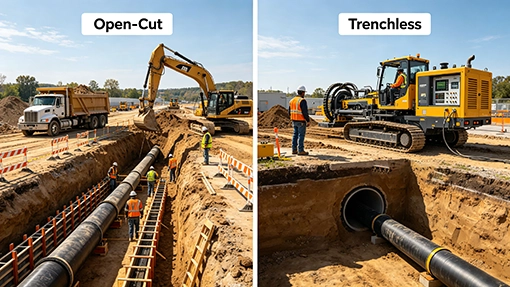
Installation Methods: Open-Cut vs Trenchless
The Clear Winner for Modern Underground Water Supply HDPE
While PVC has its place for smaller, cost-sensitive applications, and copper persists in limited roles, HDPE pipe consistently emerges as the superior choice for demanding, ehlala isikhathi eside, and leak-free underground water supply systems. Its unparalleled combination of flexibility, ukumelana nokugqwala, fused joint integrity, ukuqina, and long lifespan offers the lowest lifetime cost and highest reliability for most municipal, ezentengiso, izimboni, and larger residential projects.
Umphakeli
Inkampani Luoyang Datang Energy Tech Co., Ltd. ingumkhiqizi ohamba phambili waseShayina onguchwepheshe bekhwalithi ephezulu yamapayipi nokufakwa kwepulasitiki. Ifakwe imigqa yokukhiqiza ezenzakalelayo yesimanje futhi isekelwa ithimba le 200 ochwepheshe, sinikeza umugqa womkhiqizo obanzi ohlanganisa ngaphezulu 150 types of plastic pipes and fittings designed for water supply and drainage systems, ukudluliswa kwegesi, kanye nezinhlelo zokushisisa phansi. Imikhiqizo yethu eyinhloko ihlanganisa i-PVC Pipes and Fittings, I-PE (I-HDPE) Amapayipi nokufakwa, Amapayipi kanye nokufakwa kwe-PPR, kanye namapayipi okushisa e-PEX Floor.
Uma uneminye imibuzo mayelana namapayipi e-PPR,Ama-valve ethusi nezinsimbi zethusi, sicela ungangabazi ukusithinta!
Ucingo.:0086-183 3790 0677
Wechat: 0086-183 3790 0677
Whatsapp: 0086-183 3790 0677
I-imeyili: sales@pipesandfittings.net
IZITHUBA EZIHLOBANE
Ulungiswa Kanjani Amanzi Avuzayo Around Supply Pipe
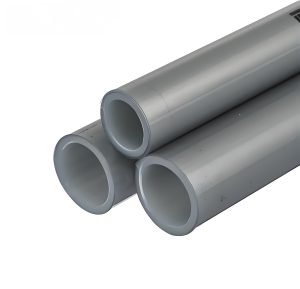
Ukuhlaziywa Okujulile Kwepayipi Lemboni ye-PEX-AL-PEX
Yimuphi Usayizi Wepayipi Lokuhlinzeka Amanzi Esitezi Sesibili
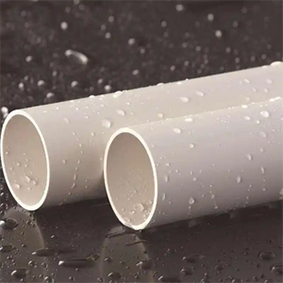
Kungani Khetha Ipayipi Le-PVC Elikhulu Lobubanzi?
