


LUOYANG COME ENERGY TECH CO.,LTD


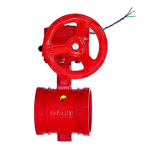
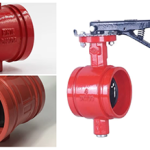
Grooved Butterfly Valve | Manual Signal Type with EPDM Coated Disc | Pūnaehana hoʻomalu ahi | DN50-DN300



NA PALAPALA HUA
wehewehe
Nānā Huahana
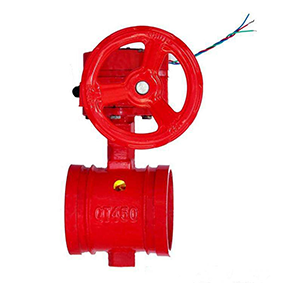
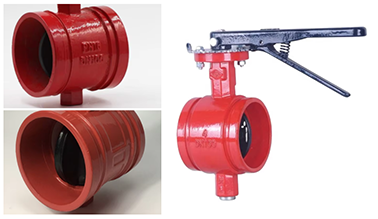
ʻO kaIndustrial Signal Manual Grooved Butterfly Valve is a specialized control valve designed for fire protection systems, automatic sprinkler systems, and fire hydrant networks. Manufactured from high-strength ductile iron (QT450-10) with a fully EPDM-encapsulated disc, this valve provides bubble-tight shut-off and bidirectional sealing with zero leakage. The integrated signal feedback device converts the valve’s open/closed status into electrical signals (DC24V/3A), enabling real-time monitoring from the fire control center to prevent accidental valve closure that could compromise system safety. Loaʻa i nā nui mai DN50 a i DN1200 (2″ i 48″) with grooved end connections compliant with AWWA-C606 standards, this valve offers fast, tool-free installation — up to 3 times faster than flanged connections. This valve is the trusted choice for fire protection, water supply, kemika, meaʻai, and industrial piping systems requiring both flow control and supervisory signaling.
Grooved Butterfly Valve | Pūnaehana hoʻomalu ahi
Nā Kūlana ʻenehana
| ʻĀpana | Hōʻike |
|---|---|
| Inoa Huahana | Industrial Signal Manual Grooved Butterfly Valve |
| Hoʻohālike | XD381X / ZSXF Series |
| Mea Kino | ʻO ka hao hao (QT450-10) / Carbon Steel / Ka hao hao |
| Mea Kōpae | Ductile Iron with EPDM Fully Encapsulated Coating |
| Seat Material | EPDM / NBR / PTFE / Viton (Hoʻopilikino) |
| Mea Puʻupuʻu | 45# Steel Chrome Plated / SS416 / SS304 / SS316 |
| ʻAno pāpaʻi | Concentric Butterfly Valve / Signal Butterfly Valve |
| Lahi nui | DN50 – DN1200 (2″ i 48″) |
| Nominal Pressure | PN10 – PN16 (1.0 – 1.6 MPa) / 150LB |
| Test Pressure | Shell: 1.5×PN (1.5 – 2.4 MPa) / Sila: 1.1×PN (1.1 – 1.76 MPa) |
Grooved Butterfly Valve | Pūnaehana hoʻomalu ahi
Nā mea nui
- EPDM Fully Encapsulated Disc – Bubble-Tight Sealing
- Integrated Signal Feedback – Real-Time Status Monitoring
- Grooved End Connection – Fast, Hoʻokomo ʻole i nā mea hana
- Worm Gear Self-Locking Operation – Safe & Reliable
- Bi-Directional Sealing – Flexible Installation
- Nui Nui - DN50 a DN1200
- Multiple Material Options – Customizable
- OEM / ODM Customization Support
Working Principle
The signal grooved butterfly valve operates through a simple yet reliable mechanism integrating flow control and status monitoring:
- Normal Operating State: The valve remains fully open (90°) to ensure unobstructed water flow in the fire protection network. The worm gear self-locking mechanism maintains the valve position, preventing accidental closure due to pressure fluctuations or external impacts.
- Flow Control Operation: To close the valve for maintenance or isolation, turn the handwheel clockwise. The worm gear drives the disc to rotate 90° to the fully closed position. Reverse rotation opens the valve.
- Signal Feedback: The valve’s internal cam mechanism activates micro switches at specific positions: fully open (90°) triggers the “Open” signal, fully closed (0°) triggers the “Close” signal. If the valve is closed 25% (1/4 of full opening), the signal device triggers an alarm to the fire control center.
- Emergency Locking: The handwheel features a locking hole that allows a padlock to secure the valve in position, preventing unauthorized operation.
Grooved Butterfly Valve | Pūnaehana hoʻomalu ahi
Nā noi
- Automatic Fire Sprinkler Systems
- Fire Hydrant Supply Systems
- Industrial Water Supply & Waiwai
- Kemika & Petrochemical Plants
- Meaʻai & Beverage Processing
Hoʻopili a hoʻouna
Hoʻopili ʻia ke ʻano o ka huahana a me ka nui. Options include carton boxes or wooden crates with proper protection for grooved ends and signal device. Hiki ke hoʻonohonoho ʻia ma ke kai, alahao, ea, a i ʻole e like me ke noi a ka mea kūʻai aku.
ʻIkepili Hui
ʻO Luoyang Datang Energy Tech Co., Ltd he mea hoʻolako valve ʻoihana ʻoihana, hoʻolaʻa ʻia i ka hāʻawi ʻana i nā hoʻonā kahe kahe pono no ka pale ahi, HVAC, hoʻomaʻemaʻe wai, a me nā ʻōnaehana paipu ʻoihana ma ka honua holoʻokoʻa. Hana ʻia nā huahana āpau i nā kūlana honua me CE a me ISO 9001 palapala hōʻoia. Me ka oi 10 makahiki o ka hoao ana, he hale hana hou o 80,000 m², a 200+ limahana limahana, lawelawe mākou i nā mea kūʻai aku ma 10+ nā ʻāina me nā huahana maikaʻi, kumu kūʻai hoʻokūkū, a me ka hāʻawi pono ʻana.
Kūkākūkā uku
T/T, L/C ma ka ʻike, Hui Komohana, PayPal, Apple Pay, Google Uku, Kāleka kāki, etc.
Grooved Butterfly Valve | Pūnaehana hoʻomalu ahi
FAQ
Q1: What is the difference between a supervised butterfly valve and a standard butterfly valve?
A: Supervised butterfly valves feature a built-in microswitch and signal feedback mechanism that converts the valve’s open/closed status into an electrical signal for transmission to the fire control center. Standard butterfly valves offer only manual flow control. Supervised butterfly valves are critical components in fire protection systems, meeting code requirements for valve status monitoring.
Q2: What are the advantages of grooved connections?
A: Grooved connections eliminate the need for welding, hili ʻana, or hot work, allowing for rapid installation using just two couplings. Installation is three times faster than flanged connections, requires fewer bolts, and takes up less space. They are particularly suitable for fire protection projects with tight schedules, space constraints, a i ʻole “no hot work” policies.
Q3: What media and temperatures are EPDM seals suitable for?
A: EPDM (Ethylene Propylene Diene Monomer) seals are suitable for water, clean water, a me nā kemika māmā, with an operating temperature range of -20°C to +80°C. EPDM offers excellent resistance to aging, ozone, a me ka ea, making it the standard choice for fire protection systems and water treatment applications.
Q4: How does the signal feedback mechanism work?
A: The valve features a built-in cam linked to a microswitch. An “Open” signal is triggered when fully open (90°), and a “Closed” signal is triggered when fully closed (0°). If the valve is inadvertently closed by 25% (one-quarter of its full travel), the signaling device transmits an alarm signal to the fire control center. The output is a DC24V/3A passive switch signal.
Q5: What is the difference between worm gear operation and lever (handle) operation?
A: Worm gear operation utilizes a gear reduction mechanism to provide mechanical advantage, resulting in lower operating torque and easier, smoother handling; it is suitable for large-diameter valves (DN100 and above). The worm gear mechanism includes a self-locking function to prevent accidental valve closure. Lever operation is simpler and more cost-effective, making it suitable for small-diameter valves (DN100 and below).
Grooved Butterfly Valve | Pūnaehana hoʻomalu ahi
NOI I KA PALAPALA
NA HUAKAI PILI

UL/FM Fire Alarm Check Valve | Ductile Iron Body | Fire Sprinkler System | DN50-DN300 | CE i hōʻoia ʻia

Triple Offset Butterfly Valve | Metal Seated Investment Casting Design | GOST Standard | DN50-DN600
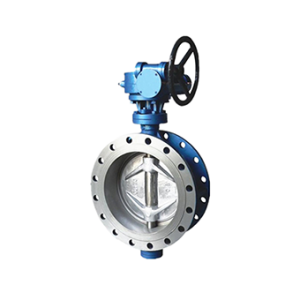
ʻO ka pāpaʻi pāpaʻi pālua Offset Butterfly | Wafer Hana Kiʻekiʻe & ʻAno Lug | Noho Metala | 2″-80″ | Ka mana & Petrokimika
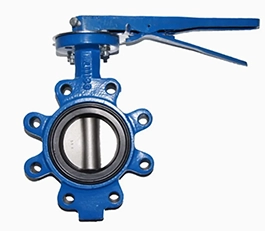
Lug Type Butterfly Valve | Ductile Iron Disc with EPDM Seat | Lever Operated | BS 5155 | DN50-DN300
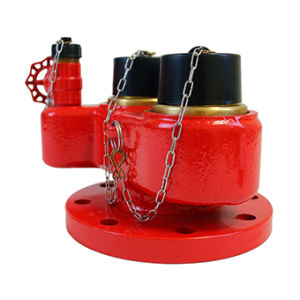
Fire Department Connection Siamese Valve | ʻO ka hao hao | UL/CE hōʻoia | 6″ Outlet | Pale ahi
