LUOYANG È VENUTO ENERGIA TECH CO.,LTD


Tipi di connettori per tubi in ottone: Come scegliere quello giusto?
Nell'acqua, aria, olio, e sistemi di fluidi industriali, l'umile connettore del tubo è l'eroe non celebrato che fa scorrere tutto. Che tu stia gestendo una linea di irrigazione del giardino, mantenere un sistema HVAC, or managing high-pressure industrial equipment, ILbrass hose connector serves as the critical link between flexible hoses and pipes, attrezzatura, or other hose sections.
Choose the wrong connector, and you’re looking at leakage, poor sealing, and a dramatically reduced service life. Choose the right one, and you’ve got a connection that performs reliably for years. The problem? There are dozens of types on the market — threaded connectors, barb connectors, quick connectors, couplings — and picking the right one requires more than a quick glance at a catalog.
This guide breaks down the most common brass hose fitting types, explains how to match them to your application, and gives you the practical knowledge to make a confident purchasing decision.
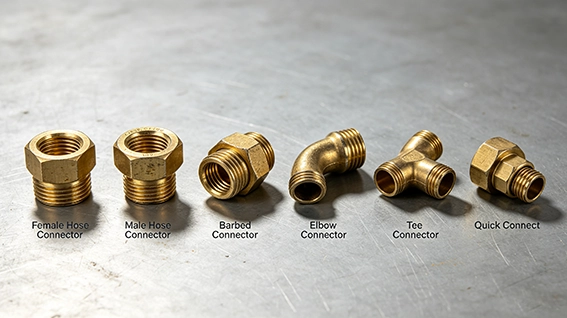
Brass Hose Fittings
What Is a Brass Hose Connector?
UN brass hose connector is a fitting used to connect flexible hoses with pipes, attrezzatura, or other hose sections. It is typically machined from brass alloys such as C36000, known for its excellent machinability and corrosion resistance. Compared to plastic alternatives, brass connectors offer significantly longer service life — plastic tends to become brittle and snap over time, while brass maintains its structural integrity for years.
Brass Hose Connector Basic Information
| Articolo | Descrizione |
|---|---|
| Materiale | Ottone (commonly C36000 / C3604) |
| Main Function | Connect and secure hoses to equipment, tubi, or other hoses |
| Common Connection Types | Thread, barb, quick coupling |
| Typical Fluid Media | Acqua, aria, olio, gas, coolants, industrial fluids |
| Vantaggi principali | Resistenza alla corrosione, durabilità, facile installazione, reusability |
| Intervallo di temperatura | Typically -20°C to +100°C (depending on seal material) |

A brass hose connector is used to connect flexible hoses with pipes.
Common Types of Brass Hose Connectors
This is where the rubber meets the road — or rather, where the hose meets the fitting. Understanding the brass hose connector types available is the foundation for making the right choice.
Brass Barb Hose Connector
The barb connector is the workhorse of hose fittings. The barbed end is inserted into the hose bore, with the ridges gripping the interior wall without damaging it. Barbed fittings work best with soft tubing — flexible PVC, polyurethane, silicone, and thermoplastic rubber — because the tubing must give slightly to fit around the barbed end. A hose clamp or crimped ferrule is then used to secure the connection.
| Caratteristica | Dettagli |
|---|---|
| Metodo di connessione | Barbed end inserted into hose, secured with clamp |
| Installazione | Manuale, with hose clamp or ferrule |
| Ideale per | Flexible hoses (PVC, PU, silicone, gomma) |
| Key Advantage | Semplice, affidabile, wide range of sizes |
| Applicazioni tipiche | Garden hose, water systems, low-pressure air lines |
Pro tip: The outer diameter of the barbed area must be larger than the inner diameter of the tubing, and there should be noticeable resistance during insertion. Per esempio, 1/4″ ID. tubing should use a barbed fitting with a barb O.D. of at least 0.270″.
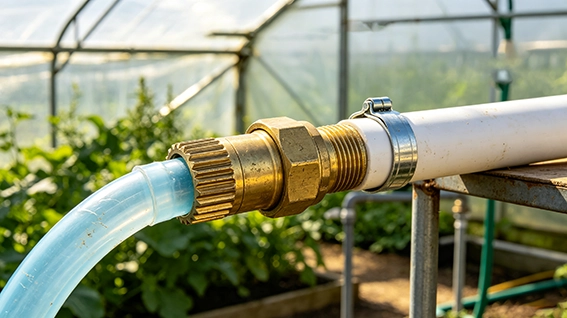
Brass Barb Hose Connector
Threaded Brass Hose Connector
Threaded connectors usemaschio Ofemmina threads to create a sealed connection. They’re the go-to choice when you need a high-sealing, pressure-resistant joint. The two dominant thread standards are NPT (Conicità nazionale dei tubi) and BSP (Tubo standard britannico).
| Thread Type | Standard | Thread Angle | Sealing Method | Primary Market |
|---|---|---|---|---|
| TNP | US standard | 60° | Tapered threads compress to form seal; use Teflon tape | North America |
| BSPT | UK standard | 55° | Tapered; requires thread sealant | Regno Unito, Europa |
| BSPP | UK standard | 55° | Parallel (straight); requires O-ring or sealing washer | Europa, international |
NPT threads have a 60° thread angle and are flattened at the peaks and valleys. BSPP threads have a 55° angle with rounded peaks and valleys. These differences meanNPT and BSP are not interchangeable — mixing a male BSPP fitting into a female NPT port simply won’t create a reliable seal.
Related reading: Filettature NPT e BSP: Qual è la differenza??
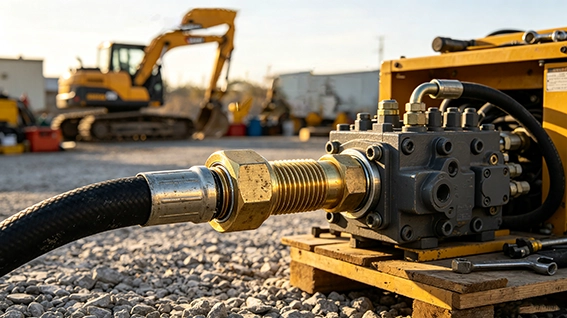
Threaded Brass Hose Connector
Brass Quick Hose Connector
Quick connectors (also called quick-disconnect or quick-release couplers) allow hoses to be connected and disconnectedwithout tools using a push-button or lever mechanism. They’re especially popular in compressed air systems, utensili pneumatici, and industrial equipment where frequent changeovers are needed. A key caveat: different coupling series (BSP, Euro, Milton) arenot interchangeable — both halves must come from the same series.
For a representative product example, Parker’s brass quick-acting barbed fittings are rated for a maximum operating pressure of 16 bar and can handle temperatures from -20°C to +100°C in water applications.
Brass Hose Coupling Connector
A coupling connectstwo hose sections together, while a connector typically connects a hose to equipment. The distinction matters: a fitting is a single connection between a hose and a threaded port, while a coupling is a set of units used together, often with male and female halves.
| Connector Type | Main Use |
|---|---|
| Connettore del tubo (Fitting) | Connect hose to equipment or pipe |
| Accoppiamento | Connect two hose sections together |
| Adapter | Change connection type or size (per esempio., NPT to BSP) |
Related reading: Guida di accoppiamento Machino in ottone

Brass Quick Hose Connector vs Brass Hose Coupling Connector
Brass Hose Connector vs Coupling vs Adapter: Qual è la differenza??
This is one of the most common sources of confusion in the industry — and getting it wrong means ordering the wrong part.
| Prodotto | Funzione | Applicazione tipica |
|---|---|---|
| Connettore del tubo | Connect hose to equipment/pipe | Garden hose to tap, air hose to compressor |
| Accoppiamento | Join two hoses together | Fire hose sections, extending hose length |
| Adapter | Change connection type or thread standard | NPT to BSP conversion, size reduction |
Think of it this way: UNconnector is a one-ended link to a fixed point. UNcoupling joins two moving parts. UNadapter translates between two different standards.
Related reading: Brass Hose Coupling Guide
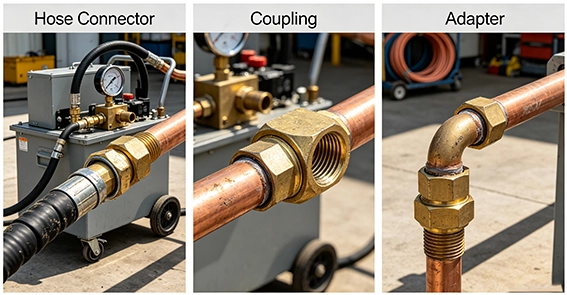
Brass Hose Connector vs Coupling vs Adapter
How to Choose the Right Brass Hose Connector?
This is where purchasing decisions are won or lost. Below are the five factors that matter most.
1. Check Hose Size
The single most common mistake in connector selection is a size mismatch. Always match the connector size to your hose’sinner diameter (I.D.) .
| Hose I.D. | Recommended Connector Size | Common Application |
|---|---|---|
| 1/2 pollice (12.7 mm) | 1/2″ connector | Garden hose, light industrial |
| 5/8 pollice (15.9 mm) | 5/8″ connector | Standard garden hose |
| 3/4 pollice (19.1 mm) | 3/4″ connector | Heavy-duty water transfer |
| 1 pollice (25.4 mm) | 1″ connector | Industrial fluid systems |
2. Consider Connection Type
| Connection Need | Best Choice | Perché |
|---|---|---|
| Permanente, low-pressure connection | Barb + clamp | Semplice, conveniente, affidabile |
| Frequent connect/disconnect | Quick connector | Tool-free operation, fast changeover |
| Alta tenuta / alta pressione | Filettato (NPT o BSP) | Superior sealing capability |
| Joining two hoses | Accoppiamento | Designed for hose-to-hose connection |
3. Consider Working Pressure
Brass hose fittings have varying pressure ratings depending on size, type, and construction. A typical brass barb fitting from Dixon is rated for amaximum working pressure of 250 PSI at 72°F, with an operating temperature range of -40°F to 160°F. Parker’s brass quick-acting barbed fittings are rated at16 sbarra (circa 232 PSI) .
Key takeaway: Always check the manufacturer’s pressure rating for your specific fitting, misurare, and operating temperature. Pressure ratings decrease as temperature increases.
4. Check Material Compatibility
Brass is compatible with a wide range of media including water, aria, olio, carburante, gas inerti, and many industrial fluids. Parker’s brass compression fittings are suitable for water, machining oil, carburante, hydraulic oil, compressed air, chemical fluids, and disinfectants.
Tuttavia, brass isnot suitable for all applications. It should not be used with acetylene, ammonia, or prolonged seawater contact — stainless steel is the right choice for those scenarios.
5. Consider Application Environment
| Applicazione | Recommended Connector Type | Note |
|---|---|---|
| Garden / residential water | Barb or quick connector | Semplice, conveniente |
| Sistemi HVAC | Threaded connector | High sealing requirement |
| Fire hose systems | Machino coupling | JIS standard, high-strength brass |
| Compressed air / pneumatics | Quick connector | Frequent changeover |
| Industrial fluid transfer | Heavy-duty threaded or cam-lock | High pressure, resistenza chimica |

Brass Hose Connector in Heavy-duty water transfer
Brass Hose Connector Applications
| Industry | Applicazione | Typical Connector |
|---|---|---|
| Impianto idraulico | Water connection, pipe transition | Filettato, adapter |
| HVAC | Equipment connection, coolant lines | Filettato (BSP/NPT) |
| Agriculture | Irrigation hose systems | Barb, quick connector |
| Protezione antincendio | Fire hose systems | Machino coupling |
| Industriale | Aria, fluid, and gas transfer | Quick connector, cam-lock |
| Automobilistico | Heater hose, linee del carburante | Barb, threaded |
Brass hose connectors are commonly found in water and power plants, Sistemi HVAC, e sistemi di riscaldamento, where they provide watertight seals under both domestic and industrial conditions.
Related reading: Spiegazione dei raccordi per tubi in ottone
Why Choose Brass Hose Connectors?
Rather than listing generic advantages, here’s what actually matters in practice:
| Benefit | Why It Matters |
|---|---|
| Superior durability | Outlasts plastic alternatives by years; won’t become brittle or snap |
| Resistenza alla corrosione | Performs well in damp, warm, and outdoor environments |
| Excellent machinability | Enables precise thread cutting and tight tolerances |
| Stable sealing performance | Maintains reliable seals under thermal cycling |
| Reusability | Can be disassembled, inspected, and reused without degradation |
| Wide compatibility | Works with water, aria, olio, gas, and many industrial fluids |
The price difference between brass and plastic connectors is real — brass costs more upfront. But as one user review put it: ottone “should work out much cheaper due to plastic becoming brittle and snapping”.
Related reading: Why Brass Hose Fittings Are Still a Preferred Choice
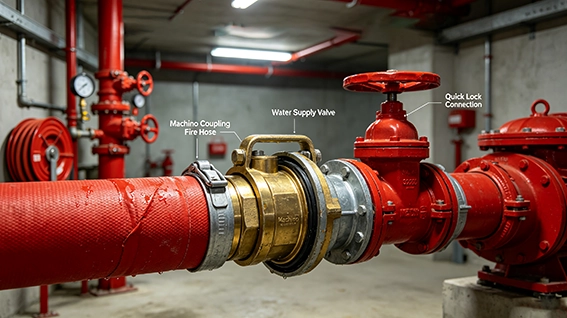
Machino coupling in Fire Protection
Common Mistakes When Selecting Brass Hose Connectors
Domande frequenti
Q1: What is a brass hose connector used for?
A brass hose connector is used to join a flexible hose to a pipe, tap, piece of equipment, or another hose section. Garantisce un servizio sicuro, leak-free connection for transferring water, aria, olio, or other fluids.
Q2: Are brass hose connectors suitable for high pressure?
It depends on the type and size. A standard brass barb fitting is typically rated for up to 250 PSI at 72°F. Threaded and heavy-duty industrial connectors can handle higher pressures. Always verify the specific pressure rating for your fitting and operating temperature.
Q3: What is the difference between a hose connector and coupling?
A hose connector (raccordo) connects a hose to a fixed point (attrezzatura, tubo, tap). A coupling connects two hose sections together. Couplings are typically sold as matched sets (male and female halves).
Q4: How do I choose the right brass hose connector size?
Match the connector to your hose’s inner diameter. Le dimensioni comuni sono 1/2″, 5/8″, and 3/4″. If connecting to a threaded port, also confirm the thread size and standard (NPT o BSP).
Q5: Are brass hose connectors better than plastic connectors?
For most applications requiring durability and long service life, yes. Brass resists corrosion and won’t become brittle over time. Plastic connectors are cheaper and lighter but typically don’t last as long, especially under UV exposure or temperature cycling.
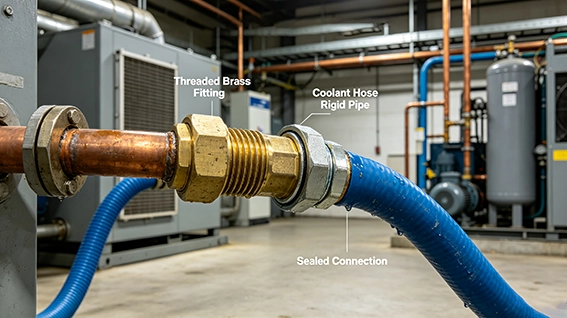
Threaded in coolant lines
Need Reliable Brass Hose Connectors for Your Project?
Luoyang Datang Energy Tech Co., Ltd fornitura brass hose connectors for a full range of applications — from garden water systems to industrial fluid handling.
✓OEM Available — Custom branding and packaging
✓Multiple Thread Options — NPT, BSP, BSPP, and more
✓Dimensioni personalizzate — 1/4″ through 2″ and beyond
✓Material Certifications — C36000, lead-free brass options
✓Prezzi competitivi — Factory-direct, no middlemen
POST CORRELATI
Analisi dei tubi di approvvigionamento idrico in HDPE e dei tubi di drenaggio in HDPE
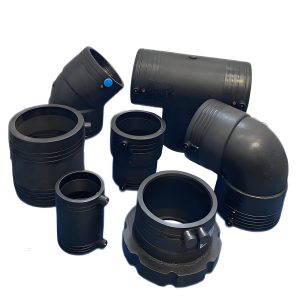
Come costruire un sistema di tubazioni in HDPE a prova di perdite?
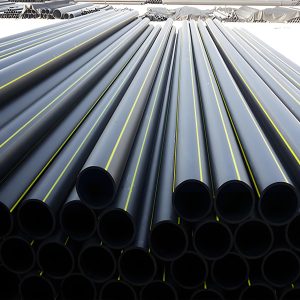
Tubazioni dell'acqua in PE e tecnologia di connessione
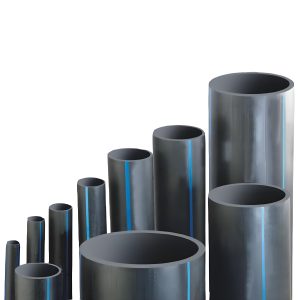
I tubi in HDPE creano un efficiente sistema di irrigazione a risparmio idrico
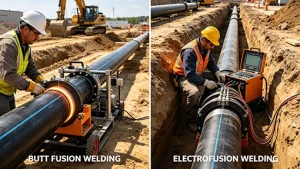
Metodi di saldatura per fusione di tubi in HDPE: Fusione di testa vs elettrofusione per l'installazione di tubazioni