LUOYANG CAME ENERGY TECH CO.,LTD

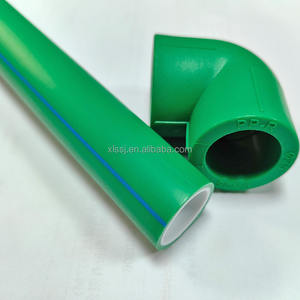
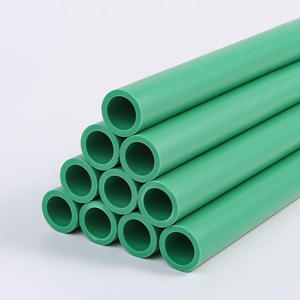
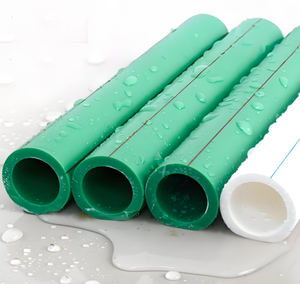
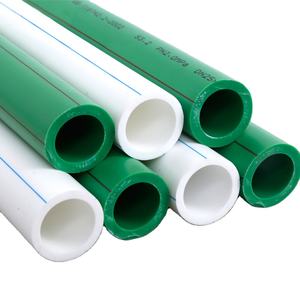
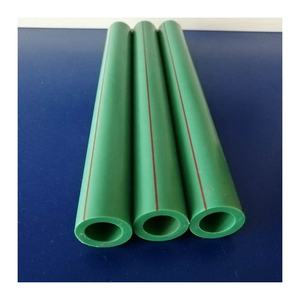
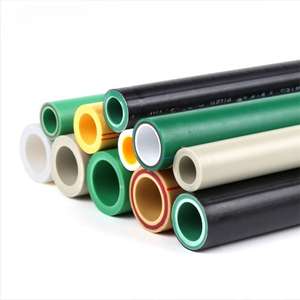
Polypropylene PPR Pipe HDPE PP Pipe Hot Cold Water Pipe
PREKĖS PARAMETRAI
Aprašymas
Įvadas įPolypropylene PPR Pipe HDPE PP Pipe Hot Cold Water Pipe
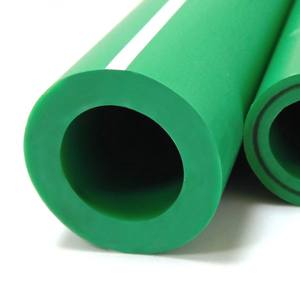
PPR vamzdis (pilnas pavadinimas Polypropylene Random Copolymer Pipe, yra aukštos kokybės plastikinis vamzdis, pagamintas iš aukštos kokybės atsitiktinio kopolimero polipropileno žaliavų. Dėl savo atsparumo aukštai temperatūrai, atsparumas slėgiui, aplinkos apsauga ir netoksiškumas, jis plačiai naudojamas statant karšto ir šalto vandens sistemas, ŠVOK inžinerija, geriamojo vandens transportavimas ir pramoninių skysčių perdavimas, ir yra idealus tradicinių metalinių vamzdžių pakaitalas.
Characteristics and Features of Polypropylene PPR Pipe HDPE PP Pipe Hot Cold Water Pipe
Atsparumas aukštai temperatūrai ir aukštam slėgiui
Ilgalaikė darbo temperatūra gali siekti 70°C, trumpalaikis atsparumas aukštai temperatūrai iki 95°C, puikus slėgio guolio veikimas (bendras slėgio lygis PN20, PN25).
Aplinkos apsauga ir sveikata
Žaliavos yra grynos ir netoksiškos, atitinka geriamojo vandens standartus (pavyzdžiui, FDA, EN ISO ir kiti sertifikatai), nesidauginti bakterijų, ir užtikrinti vandens kokybės saugumą.
Korozija ir apsauga nuo nuosėdų
Atsparumas rūgštims ir šarmams, stiprus atsparumas cheminei korozijai, lygi vidinė sienelė, nėra lengva mastelį, ilgalaikis stabilaus srauto naudojimas.
Karšto lydalo jungtis, stiprus sandarinimas
Pritaikyta karšto lydalo lizdų technologija, nėra nuotėkio pavojaus jungtyje, o integruota struktūra pagerina sistemos patikimumą.
Lengvas ir lengvai konstruojamas
Svoris yra tik 1/8 metalinių vamzdžių, kurį patogu transportuoti ir montuoti, darbo sąnaudų mažinimas.
Ilgas tarnavimo laikas ir mažai priežiūros
Suprojektuotas tarnavimo laikas yra daugiau nei 50 metų, nereikalaujantis priežiūros, ir bendra kaina yra maža.
Energijos taupymas ir šilumos išsaugojimas
Šilumos laidumas yra mažas (tik 1/200 iš metalinių vamzdžių), kuris sumažina šilumos nuostolius ir tinka karšto vandens sistemoms.
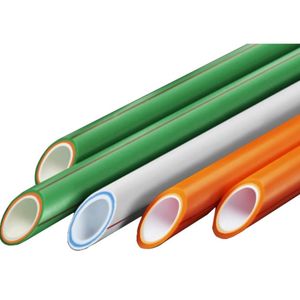
(Polypropylene PPR Pipe HDPE PP Pipe Hot Cold Water Pipe)
Specifications of Polypropylene PPR Pipe HDPE PP Pipe Hot Cold Water Pipe
Here’s the product content about polypropylene pipes:
Polypropylene pipes are common for water systems. PPR pipes handle hot and cold water well. They manage high temperatures smoothly. Boiling water won’t damage them. PPR pipes resist scale buildup inside. This keeps water flow consistent over time. They are strong against chemicals too. These pipes last a very long time. Installation is straightforward with heat fusion. This creates leak-proof joints. The pipe and fitting melt together. The connection becomes as strong as the pipe itself.
HDPE pipes are another polypropylene type. They are very tough and flexible. HDPE handles high pressure reliably. These pipes resist cracks and impacts. They work underground or above ground. HDPE is good for cold water supply. It also suits irrigation systems. HDPE pipes join using butt fusion or electrofusion. Both methods ensure solid seals. HDPE won’t rot or corrode.
General PP pipes are versatile. They work for many water applications. PP pipes are lightweight and easy to handle. They are simple to cut and install. These pipes resist corrosion completely. Rust is never a problem. They handle both hot and cold water. PP pipes are affordable. They offer good value. Common sizes are DN20, DN25, DN32, DN40, DN50, DN63, DN75, DN90, DN110. Pressure ratings include PN10, PN16, PN20, PN25. Temperature range is typically -20°C to 95°C. The pipes are smooth inside. This reduces friction loss. Water pressure stays higher. Flow rates are better. They are environmentally friendly. Recycling is possible. Maintenance needs are low.

(Polypropylene PPR Pipe HDPE PP Pipe Hot Cold Water Pipe)
Applications of Polypropylene PPR Pipe HDPE PP Pipe Hot Cold Water Pipe
Polypropylene pipes, especially PPR and HDPE types, are essential for modern plumbing and industrial systems. These pipes reliably move hot and cold water. They offer significant advantages over traditional metal pipes. PPR pipes are perfect for hot and cold water supply inside buildings. They handle high temperatures well. Hot water won’t damage them. Cold water flows smoothly too. These pipes resist corrosion completely. Rust and scale buildup inside are non-issues. This keeps water clean and safe. You avoid contamination risks. Water quality stays high for drinking.
HDPE pipes are tough and flexible. They are great for main water lines underground. They handle pressure changes easily. You don’t worry about cracks or breaks. Their flexibility helps them absorb ground movement. They are also excellent for transporting chemicals. Many industrial fluids won’t harm them. Factories use them for process lines. They are safe for carrying acids and alkalis. Farms use them for irrigation systems. They last many years under the sun. They resist UV damage well.
Both PPR and HDPE pipes install quickly. Workers fuse them together using heat. This creates seamless, sandarios jungtys. You get a continuous, strong pipeline. Installation is simpler than threading metal pipes. You save time and labor costs. These pipes are very light. Moving and handling them is easy. They cut cleanly with simple tools. Their smooth inner surface reduces friction. Water flows faster with less pump power needed. You save energy costs over time. They are also very quiet. Water moving through them makes little noise.
These pipes are incredibly durable. They last decades without problems. You avoid frequent replacements. They withstand freezing conditions better than metal. Freezing water is less likely to burst them. Maintenance needs are minimal. You rarely need repairs. This reliability makes them cost-effective long-term. They are trusted worldwide for water systems. Builders and engineers choose them for new projects. They work well for home plumbing and large factories. They perform reliably even underground.
Pakavimas ir siuntimas
Priklauso nuo gaminių ir kiekio,galėtume supakuoti ritinius,ritinėliai,ryšulio pakavimas,dėžės ar dėžės,ir tt.
Siuntimas:Jūra,geležinkelis,oru arba pagal kliento pageidavimą.
Įmonės profilis
Luoyang Datang Energy Tech Co., Ltd. yra pirmaujantis Kinijos gamintojas, kurio specializacija yra aukštos kokybės plastikiniai vamzdžiai ir jungiamosios detalės. Įrengtas moderniausias automatizuotas gamybos linijas ir palaiko komanda 200 profesionalai, Mes siūlome plačią produktų liniją, kurią sudaro daugiau nei 150 plastikinių vamzdžių ir jungiamųjų detalių tipai, skirti vandens tiekimo ir drenažo sistemoms, dujų perdavimo, ir grindų šildymo sistemos. Mūsų pagrindiniai produktai yra PVC vamzdžiai ir jungiamosios detalės, PE (HDPE) Vamzdžiai ir jungiamosios detalės, PPR vamzdžiai ir jungiamosios detalės, ir PEX grindų šildymo vamzdžiai.
Jei turite klausimų dėl HDPE vamzdžių jungiamųjų detalių, nedvejodami susisiekite su mumis!
Tel.:0086-183 3790 0677
Wechat: 0086-183 3790 0677
Whatsapp: 0086-183 3790 0677
El. paštas: sales@pipesandfittings.net
Mokėjimo sąlygos
T/T,L/C matant,Western Union & Paypal,ir tt.
5 FAQs of Polypropylene PPR Pipe HDPE PP Pipe Hot Cold Water Pipe
What are PPR pipes used for?
PPR pipes carry hot and cold water in homes and buildings. They work for drinking water systems and heating setups. These pipes are common in bathrooms and kitchens.
Why pick PPR pipes over metal pipes?
PPR pipes don’t rust or corrode like metal. Metal pipes get mineral buildup inside. PPR stays smooth inside for years. This keeps water flowing well. PPR is also lighter and easier to install.
Can PPR pipes handle hot water?
Taip. PPR pipes handle water up to 95°C. They won’t melt or warp at normal heating temperatures. They’re safe for hot water lines from boilers or solar heaters.
How are PPR pipes connected?
Use heat fusion. Heat the pipe end and the fitting. Push them together. The melted plastic bonds as it cools. This makes a solid, leak-free joint. No glue or threads are needed.
What’s the difference between PPR and HDPE pipes?
PPR is for indoor plumbing and heating systems. HDPE is tougher. HDPE handles outdoor and buried uses like main water lines. PPR resists heat better. HDPE bends more easily for long underground runs.

(Polypropylene PPR Pipe HDPE PP Pipe Hot Cold Water Pipe)
PRAŠYTI CITOS
SUSIJĘ PRODUKTAI
High Tensile Strength PP Polypropylene Drain Hose for Air Conditioning System
Professional PPH Water Pipe D20-D40 High Pressure ISO Certified Plastic Water Pipe
Competitive PP-R Tubes and Fittings PPR Plastic Pipes s Standard Green Pipes
Durable 4m PPR Pipes Hot Cold Water Supply Sizes 16-110mm High Pressure Plastic Tubes
DIN 8077/8078 Plumbing Materials Four Shots 20MM-160MM PPR Water Pipe