LUOYANG CAME ENERGY TECH CO.,LTD

Paip Pemadam Kebakaran: Cara Memilih Jenis yang Betul
Paip pemadam kebakaran adalah bahagian penting dalam sistem perlindungan kebakaran moden. Mereka menyediakan laluan yang boleh dipercayai untuk mengangkut air dari pam bomba atau sumber air ke pemercik, pili air, dan peralatan memadam kebakaran lain apabila tindak balas kecemasan diperlukan.
Tidak seperti paip industri biasa yang digunakan untuk pengangkutan cecair biasa, paip pemadam kebakaran mesti memenuhi keperluan yang lebih tinggi untuk keselamatan, ketahanan, dan prestasi tekanan.
Sistem paip pemadam kebakaran yang boleh dipercayai mesti mengekalkan operasi yang stabil semasa keadaan kecemasan. Sebarang kegagalan yang disebabkan oleh pemilihan bahan yang salah, penarafan tekanan tidak mencukupi, atau pemasangan yang tidak betul boleh menjejaskan prestasi keseluruhan sistem perlindungan kebakaran.
Untuk kemudahan industri, memilih paip pemadam kebakaran yang betul amat penting kerana sistem ini digunakan secara meluas dalam: kilang,Gudang,Loji kuasa,Bangunan komersial,Kemudahan pemprosesan bahan kimia dan projek Infrastruktur.
Proses pemilihan harus mempertimbangkan beberapa faktor utama, termasuk: Bahan paip, Penilaian tekanan, Saiz paip, Kaedah sambungan dan Piawaian dan pensijilan yang berkenaan.
Dengan memilih paip perlindungan kebakaran yang sesuai, jurutera dan kontraktor boleh meningkatkan kebolehpercayaan sistem, mengurangkan keperluan penyelenggaraan, dan memastikan prestasi keselamatan kebakaran jangka panjang.
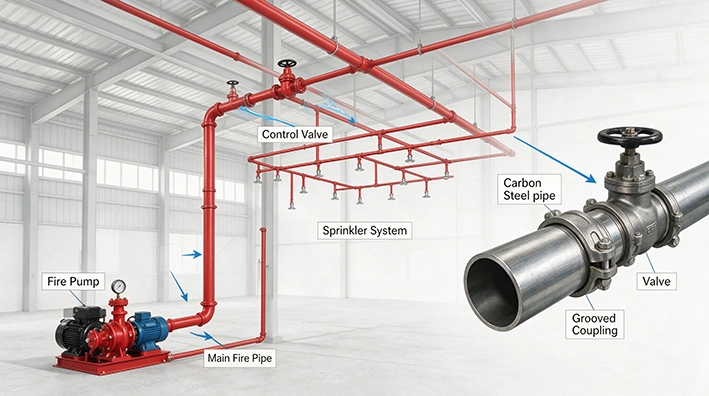
Gambaran keseluruhan sistem paip pemadam kebakaran untuk perlindungan kebakaran industri
Apakah Paip Pemadam Kebakaran?
Paip pemadam kebakaran adalah komponen perpaipan yang direka khas digunakan untuk mengangkut air atau media pemadam kebakaran lain dalam sistem pencegah kebakaran.
Tujuan utama sistem paip pemadam kebakaran adalah untuk memastikan air yang mencukupi dapat dihantar dengan cepat dan cekap ke peralatan perlindungan kebakaran semasa kecemasan..
Sistem paip perlindungan kebakaran yang lengkap biasanya termasuk:
| Komponen | Fungsi |
| Paip Pemadam Kebakaran | Mengangkut air ke seluruh sistem |
| Injap Perlindungan Kebakaran | Mengawal dan mengasingkan aliran air |
| Penyiram Api | Edarkan air untuk memadam kebakaran |
| Pam Bomba | Sediakan tekanan air yang diperlukan |
| Kelengkapan Paip | Sambung dan laluan saluran paip |
Paip pemadam kebakaran biasanya digunakan dalam beberapa aplikasi perlindungan kebakaran:
Sistem Pemercik Api
Paip pemercik api menghantar air bertekanan ke kepala pemercik yang dipasang di seluruh bangunan atau kemudahan industri.
Sistem ini memerlukan paip dengan rintangan tekanan yang boleh dipercayai kerana ia mesti sentiasa bersedia untuk operasi segera.
Sistem pili bomba
Sistem paip pili bomba menyediakan bekalan air untuk operasi memadam kebakaran dengan menyambungkan pili bomba dengan sumber air.
Mereka biasanya dipasang di: Loji industri, Gudang dan bangunan Awam.
Sistem Pam Bomba
Sistem pam bomba memerlukan paip yang kuat dan tahan lama yang mampu mengendalikan aliran air bertekanan tinggi.
Dalam projek perindustrian, pemilihan paip secara langsung mempengaruhi prestasi sistem dan kebolehpercayaan kecemasan.
Jenis Paip Pemadam Kebakaran Mengikut Bahan
Bahan paip pemadam kebakaran mempunyai kesan langsung terhadap rintangan kakisan, keupayaan tekanan, hayat perkhidmatan, dan kos projek.
Aplikasi yang berbeza memerlukan bahan paip yang berbeza. Bahan yang paling biasa digunakan termasuk:
- Paip Pemadam Kebakaran Keluli Karbon
- Paip Perlindungan Kebakaran Bergalvani
- Paip Perlindungan Kebakaran Keluli Tahan Karat

perbandingan paip perlindungan kebakaran keluli karbon tergalvani dan keluli tahan karat
Paip Pemadam Kebakaran Keluli Karbon
Paip pemadam kebakaran keluli karbon adalah salah satu penyelesaian yang paling banyak digunakan untuk sistem perlindungan kebakaran industri.
Oleh kerana kekuatan mekanikal yang sangat baik dan kecekapan kos, paip keluli karbon biasanya dipilih untuk projek perlindungan kebakaran berskala besar.
Kelebihan Paip Pemadam Kebakaran Keluli Karbon
1. Kekuatan Tinggi
Paip keluli karbon memberikan kekuatan struktur yang sangat baik, menjadikannya sesuai untuk sistem yang memerlukan prestasi stabil di bawah tekanan.
2. Rintangan Tekanan Tinggi
Sistem perlindungan kebakaran selalunya beroperasi di bawah keadaan tekanan yang menuntut, terutamanya apabila disambungkan dengan pam bomba berkapasiti tinggi.
Paip pemadam kebakaran keluli karbon boleh memberikan prestasi tekanan yang boleh dipercayai untuk aplikasi perindustrian.
3. Penyelesaian Kos Berkesan
Berbanding dengan paip keluli tahan karat, keluli karbon menyediakan penyelesaian yang lebih menjimatkan untuk rangkaian saluran paip yang besar.
Ini menjadikan paip pemadam kebakaran keluli karbon sebagai pilihan utama:
- Kilang pembuatan
- Gudang
- Rangkaian kebakaran industri
- Saluran paip api bawah tanah
Paip Perlindungan Kebakaran Bergalvani
Paip perlindungan kebakaran bergalvani adalah paip keluli karbon dengan salutan zink pelindung yang meningkatkan rintangan kakisan.
Ia biasanya digunakan dalam sistem pemercik api dalaman di mana perlindungan kakisan sederhana diperlukan.
Advantages of Galvanized Fire Protection Pipes
Rintangan Kakisan
The galvanized coating helps protect the pipe surface from rust and corrosion.
Suitable for Indoor Applications
Galvanized pipes are widely used in:
- Bangunan komersial
- Office facilities
- Indoor sprinkler systems
Namun begitu, for highly corrosive environments, additional material consideration may be required.
Paip Perlindungan Kebakaran Keluli Tahan Karat
Stainless steel fire protection pipes are selected for applications where excellent corrosion resistance and long service life are required.
Although the initial cost is higher than carbon steel, stainless steel provides better performance in challenging environments.
Advantages of Stainless Steel Fire Protection Pipes
Excellent Corrosion Resistance
Stainless steel provides strong resistance against corrosion, bahan kimia, dan kelembapan.
Suitable for Chemical Environments
Stainless steel fire protection pipes are commonly used in:
- Chemical plants
- Marine environments
- Food processing facilities
- Pharmaceutical factories
Fire Fighting Pipe Material Comparison: Which One Should You Choose?
Selecting the correct material is one of the most important decisions when designing a fire fighting pipe system. Different materials provide different levels of strength, rintangan kakisan, keperluan penyelenggaraan, and cost performance.
There is no single material that is suitable for every fire protection application. The best choice depends on:
- Operating environment
- Required pressure rating
- Corrosion conditions
- Belanjawan projek
- Keperluan pemasangan
The following table provides a general comparison of the three most common fire protection pipe materials.
| Faktor | Paip Pemadam Kebakaran Keluli Karbon | Paip Perlindungan Kebakaran Bergalvani | Paip Perlindungan Kebakaran Keluli Tahan Karat |
| kekuatan | Kekuatan mekanikal yang sangat baik | Good strength | Excellent strength |
| Rintangan Kakisan | Sederhana | Better than carbon steel | Cemerlang |
| Pressure Performance | tinggi | Medium to high | tinggi |
| kos | Low to medium | Sederhana | tinggi |
| Maintenance Requirement | Regular maintenance may be required | Lower maintenance | Low maintenance |
| Aplikasi Biasa | Loji industri, large fire networks | Indoor sprinkler systems, commercial buildings | Chemical and corrosive environments |
Fire Fighting Pipe Standards and Certifications
Fire protection systems are safety-critical applications, which means pipe quality and compliance with recognized standards are extremely important.
Industrial projects often require fire fighting pipes that meet international certifications and manufacturing standards.
Piawaian biasa termasuk: UL, FM and ASTM.

UL FM ASTM standards for fire fighting pipes certification
UL Listed Fire Fighting Pipes
UL (Underwriters Laboratories) is one of the most recognized safety certification organizations worldwide.
UL Listed Fire Fighting Pipes are evaluated according to strict safety and performance requirements.
For international fire protection projects, UL certification can help ensure:
- Product reliability
- Material performance
- System safety
FM Approved Fire Protection Pipes
FM Approved products are tested according to FM Global’s requirements for fire protection applications.
FM approval is widely recognized in industrial facilities where fire risk management is a critical concern.
Aplikasi biasa termasuk:
- Kilang pembuatan
- Energy facilities
- Large warehouses
- Industrial infrastructure
ASTM Standards for Fire Fighting Pipes
ASTM standards define requirements for materials, dimensi, manufacturing processes, and performance characteristics.
Common ASTM standards related to fire protection pipes include:
| Standard | Permohonan |
| ASTM A53 | Carbon steel pipe specification |
| ASTM A795 | Steel pipe specifically designed for sprinkler systems |
Using pipes that comply with appropriate standards helps ensure compatibility with fire protection system requirements.
Jadual 10 vs Schedule 40 Paip Pemadam Kebakaran
Pipe schedule refers to the wall thickness classification of steel pipes. It directly affects pressure capability, berat badan, and installation requirements.
In fire sprinkler systems, Jadual 10 dan Jadual 40 pipes are two commonly discussed options.
Jadual 10 Paip Pemadam Kebakaran
Jadual 10 pipes have thinner walls and lower weight compared with Schedule 40 paip.
Kelebihan:
- Reka bentuk yang ringan
- Easier installation
- Lower material consumption
- Reduced installation cost
They are commonly used in: Sistem pemercik api, Commercial buildings and Projects requiring faster installation.
Jadual 40 Paip Pemadam Kebakaran
Jadual 40 pipes have thicker walls and provide higher mechanical strength.
Kelebihan:
- Higher durability
- Stronger pressure capability
- Better resistance to mechanical damage
They are commonly selected for: Industrial fire protection systems, High-pressure applications and Heavy-duty environments.
Jadual 10 vs Schedule 40 Comparison Table
| Perbandingan | Jadual 10 paip | Jadual 40 paip |
| Ketebalan Dinding | Lebih nipis | Lebih tebal |
| Berat badan | Lebih rendah | Lebih tinggi |
| Pemasangan | Faster and easier | More demanding |
| Keupayaan Tekanan | Sederhana | Lebih tinggi |
| Material Cost | Lebih rendah | Lebih tinggi |
| Penggunaan Biasa | Sistem pemercik | Industrial and high-pressure systems |

jadual 10 and schedule 40 fire fighting pipe wall thickness comparison
How to Select the Right Fire Fighting Pipes?
Choosing suitable fire fighting pipes requires more than selecting a material. Engineers should evaluate the complete operating conditions of the fire protection system.
The following factors should be considered:
1. Consider Working Pressure
The pressure rating of fire protection pipes must match the requirements of the fire pump and the overall system design.
Important considerations include: Fire pump pressure, System operating pressure, Maximum pressure conditions.
Selecting pipes with insufficient pressure capability may result in: Reduced water flow performance, System failure risk and Safety concerns.
2. Choose the Right Pipe Material
Material selection should consider:
| Faktor | Explanation |
| Environment | Indoor, luar, bawah tanah, chemical conditions |
| Corrosion Risk | Exposure to moisture or chemicals |
| Bajet | Initial cost and long-term maintenance |
| Hayat Perkhidmatan | Expected operation period |
3. Select Proper Pipe Size
Pipe size has a direct impact on water flow, pressure loss, and firefighting coverage.
An undersized pipe may restrict water delivery, while an oversized pipe may increase unnecessary project costs.
Key considerations include: Required flow rate, Hydraulic calculation, Building size and Fire protection design requirements.
4. Consider Connection Methods
The connection method affects installation efficiency, maintenance convenience, and overall system reliability.
Common connection methods include:
Sambungan Beralur
Grooved pipe connections are increasingly popular in modern fire protection systems.
Advantages include: Faster installation, Easier maintenance and Reduced construction time.
For many fire protection projects, grooved fittings provide an efficient alternative to traditional welding methods.
Welding Connection
Welding provides a strong permanent connection and is still widely used in industrial piping applications.
Namun begitu, welding usually requires more installation time and professional skills.
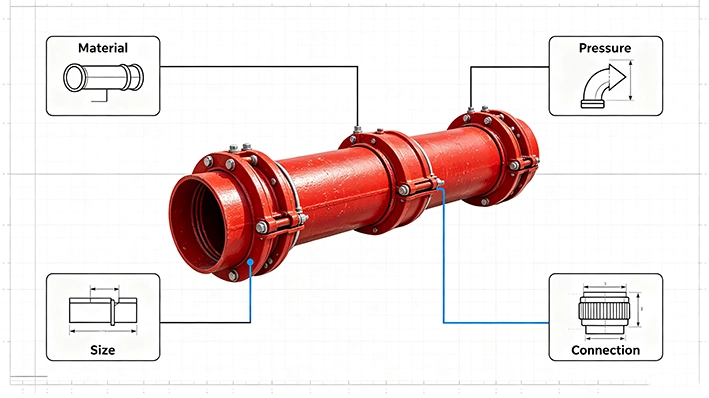
fire fighting pipe selection factors material pressure size connection
Fire Fighting Pipes Applications
Fire fighting pipes are used in a wide range of industrial, komersial, and infrastructure projects. Namun begitu, different environments have different requirements for pipe material, pressure performance, rintangan kakisan, and installation methods.
Selecting the correct fire protection pipes according to the application environment helps ensure system reliability and long-term performance.
Industrial Manufacturing Plants
Manufacturing facilities usually contain valuable equipment, production lines, and combustible materials, making reliable fire protection systems essential.
Carbon steel fire fighting pipes are commonly selected because they provide: Kekuatan mekanikal yang tinggi, Good pressure resistance and Cost efficiency for large systems.
Aplikasi biasa termasuk:
- Factory fire sprinkler systems
- Rangkaian pili bomba
- Fire pump pipelines
Warehouses and Logistics Buildings
Warehouses often require large-scale fire protection networks because stored goods may create significant fire risks.
Recommended solutions:
| Permohonan | Recommended Pipe Solution |
| Large warehouse sprinkler systems | Paip pemadam kebakaran keluli karbon |
| Fast installation projects | Grooved pipe systems |
| Indoor systems | Paip perlindungan kebakaran bergalvani |
Grooved fittings are especially suitable for warehouse projects because they reduce installation time and simplify future maintenance.
Power Plants and Energy Facilities
Power plants require highly reliable fire protection systems due to the presence of electrical equipment, sistem bahan api, and high-value infrastructure.
Fire fighting pipes used in these environments must provide:
- High pressure capability
- Hayat perkhidmatan yang panjang
- Reliable emergency performance
Depending on the environment, carbon steel or stainless steel fire protection pipes may be selected.
Chemical and Process Industries
Chemical plants often face more aggressive operating environments where corrosion resistance becomes a critical consideration.
Stainless steel fire protection pipes may be preferred in areas exposed to: Chemical substances, High humidity and Corrosive atmosphere.
Bangunan Komersil
Commercial buildings such as offices, shopping centers, and hotels commonly use indoor fire sprinkler systems.
Common choices include: Galvanized fire protection pipes and Carbon steel fire fighting pipes.
Selection factors include: Building design, Installation requirements and Local fire protection regulations.
Fire Fighting Pipes vs Ordinary Industrial Pipes
Although both fire fighting pipes and ordinary industrial pipes are used for fluid transportation, their design purposes and performance requirements are different.
Fire fighting pipes are designed for emergency operation, where reliability and safety are the highest priorities.
Comparison Between Fire Fighting Pipes and Normal Pipes
| Comparison Factor | Paip Pemadam Kebakaran | Ordinary Industrial Pipes |
| Tujuan Utama | Fire protection and emergency water supply | General fluid transportation |
| Operating Condition | Standby and emergency operation | Continuous daily operation |
| Pressure Requirement | Usually higher reliability requirements | Depends on application |
| Piawaian | Fire protection standards required | General industrial standards |
| Pensijilan | May require UL/FM approval | Usually general standards |
| Reliability Requirement | Sangat tinggi | Application dependent |
The key difference is that fire protection systems must work correctly even after long periods of inactivity.
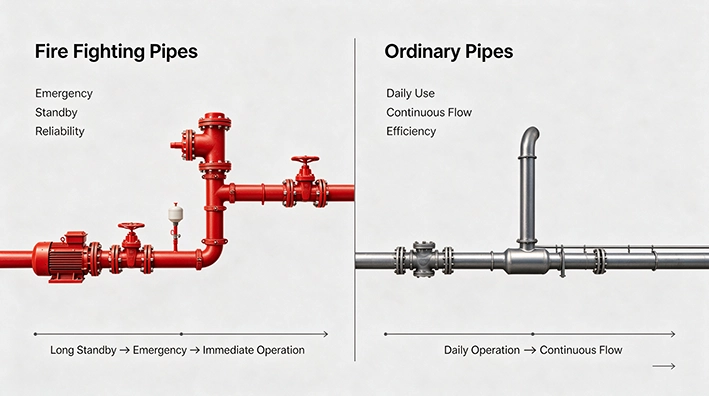
fire fighting pipes vs ordinary industrial pipes comparison
Common Mistakes When Selecting Fire Fighting Pipes
Choosing unsuitable fire fighting pipes can affect system performance and increase future maintenance costs.
The following mistakes should be avoided during project planning.
1. Selecting Pipes Based Only on Price
The cheapest pipe option may not always provide the best long-term value.
A lower-cost material may result in:
- Higher maintenance frequency
- Shorter service life
- Increased replacement costs
A balanced evaluation should consider both initial investment and lifecycle cost.
2. Ignoring Pressure Requirements
Fire protection systems depend on stable water pressure during emergencies.
Using pipes with insufficient pressure capability may reduce firefighting effectiveness.
Engineers should always verify: System pressure, Pump capacity and Pipe pressure rating.
3. Choosing Incorrect Pipe Materials
Different environments require different materials.
Contohnya:
| Environment | Recommended Material |
| General industrial applications | Keluli karbon |
| Indoor sprinkler systems | Galvanized steel |
| Chemical environments | Keluli tahan karat |
4. Ignoring Connection Methods
The connection method affects installation speed and maintenance efficiency.
For large fire protection projects, selecting suitable grooved fittings or welding solutions can significantly improve construction efficiency.
How Fire Fighting Pipes Work with Other System Components
A fire fighting pipe system does not operate independently. It works together with valves, kelengkapan, pam, and other components to create a complete fire protection network.
A typical system includes:
| Komponen | Fungsi |
| Fire Pump | Provides water pressure |
| Paip Pemadam Kebakaran | Transfers water |
| Injap Perlindungan Kebakaran | Controls flow direction |
| Kelengkapan Beralur | Connects pipe sections |
| Sprinklers | Releases water |
For a complete understanding of fire protection system design, readers can refer to:
Panduan Lengkap Sistem Paip Perlindungan Kebakaran: Paip, Injap & Kelengkapan Beralur
Complete Fire Protection Piping System Components
A reliable fire protection piping system requires coordination between multiple components.
The main components include:
- Paip Pemadam Kebakaran-The main transportation pathway for firefighting water.
- Injap Perlindungan Kebakaran-Control water flow and allow system isolation during maintenance.
- Kelengkapan Beralur-Provide efficient pipe connection solutions for modern fire protection systems.

complete fire protection piping system components with pipes valves and fittings
Kesimpulan
Choosing the right fire fighting pipes is essential for building a reliable and efficient industrial fire protection system.
The ideal pipe solution depends on multiple factors, termasuk:
- Material selection
- Keperluan tekanan
- Saiz paip
- Kaedah sambungan
- Application environment
- Fire protection standards
Carbon steel fire fighting pipes remain the preferred choice for many industrial projects due to their strength and cost efficiency, while galvanized and stainless steel options provide advantages in specific environments.
By understanding the differences between materials, piawaian, and applications, engineers and buyers can select the most suitable fire protection pipes for long-term safety and performance.
A properly designed fire fighting pipe system not only improves fire protection reliability but also helps reduce maintenance costs throughout the project lifecycle.
Frequently Asked Questions About Fire Fighting Pipes
1. Can Fire Fighting Pipes Be Used for Both Sprinkler and Hydrant Systems?
ya, fire fighting pipes can be used for different fire protection applications, including sprinkler systems, fire hydrant systems, and fire pump pipelines. Namun begitu, the pipe material, diameter, penilaian tekanan, and design requirements may vary depending on the specific system. A pipe suitable for a sprinkler network may not always meet the requirements of a high-flow hydrant system.
2. Do Fire Fighting Pipes Need Special Coating or Protection?
ya. Protection requirements depend on the installation environment. Carbon steel fire fighting pipes may require coatings, painting, or other corrosion protection methods, especially for outdoor or underground applications. For humid, kimia, or corrosive environments, galvanized or stainless steel pipes may provide better long-term performance. Proper protection helps extend service life and reduce maintenance costs.
3. Can Carbon Steel Pipes Be Used for Underground Fire Protection Systems?
ya, carbon steel pipes are commonly used in underground fire protection systems because of their strength and pressure resistance. Namun begitu, underground installation requires proper corrosion protection, coating, and installation practices to prevent damage from soil conditions and moisture. The selection should consider local regulations, soil environment, and expected service life.
4. What Causes Fire Fighting Pipe Failure?
Common causes of fire fighting pipe failure include corrosion, incorrect pressure selection, poor installation quality, and unsuitable materials. Using pipes that do not match system requirements may affect water flow and reliability during emergencies. Regular inspection and selecting suitable pipe materials and connection methods are important for maintaining system performance.
5. How Often Should Fire Fighting Pipes Be Inspected?
Inspection frequency depends on local fire codes, system type, and operating environment. Regular inspections help identify corrosion, kebocoran, blockage, or connection problems before they affect system performance. For industrial fire protection systems, routine maintenance is especially important because the system may remain inactive for long periods before an emergency occurs.
Need Reliable Fire Fighting Pipes for Your Project?
Choosing the right fire fighting pipes is essential for building a safe and reliable fire protection system.
At Luoyang Datang Energy Tech Co., Ltd, we provide industrial piping solutions including fire fighting pipes, injap, and pipe fittings for different applications.
With experience in industrial pipeline systems, we can help you select suitable pipe materials, kaedah sambungan, and configurations according to your project requirements.
Contact us today to discuss your fire protection piping needs and get a professional solution.
JAWATAN BERKAITAN
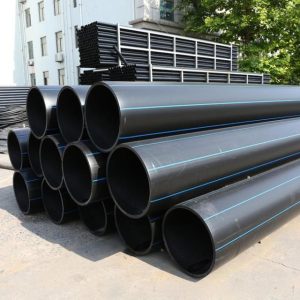
Paip dan Kelengkapan HDPE:Penyelesaian Inovatif untuk Saliran & Sistem Kumbahan
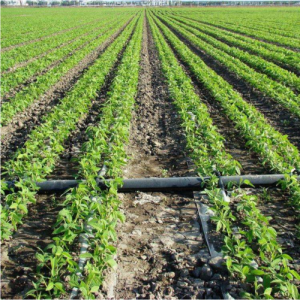
Paip PE dalam Pengairan Pertanian & Sistem Pengairan Titis
Permohonan Saluran Paip PPR Untuk Sistem Pembinaan dan Perindustrian
Petua untuk PVC, Paip UPVC dan CPVC
Mengapa memilih paip PPR?