LUOYANG CAME ENERGY TECH CO.,LTD

TUBANAN CPVC PA SOLUSHON DI PLOMERIA
PARAMETRONAN DI PRODUKTO
Deskripshon
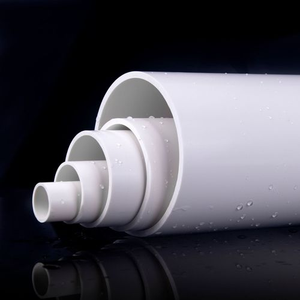
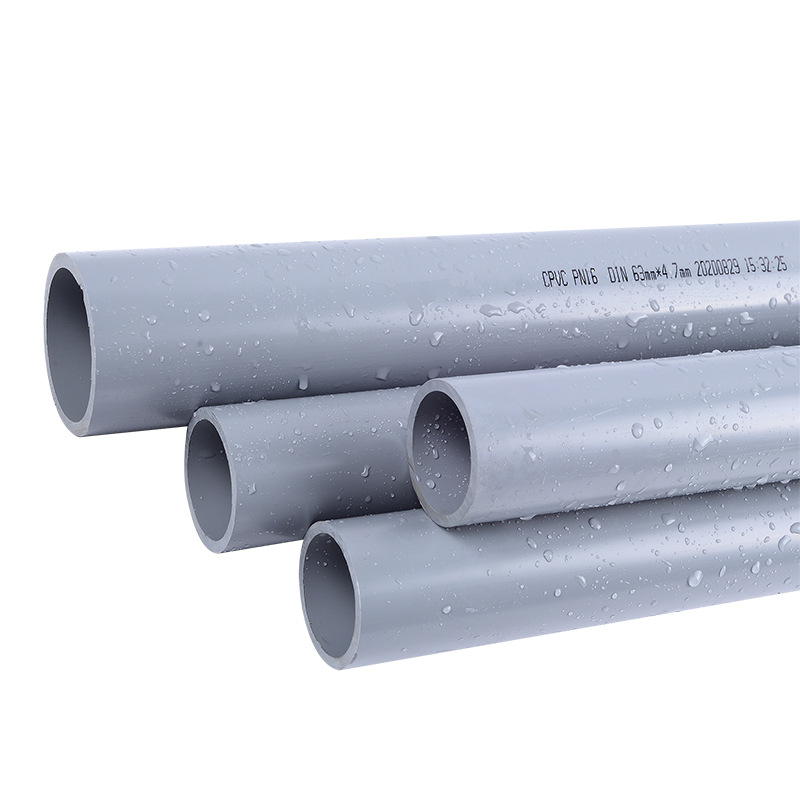
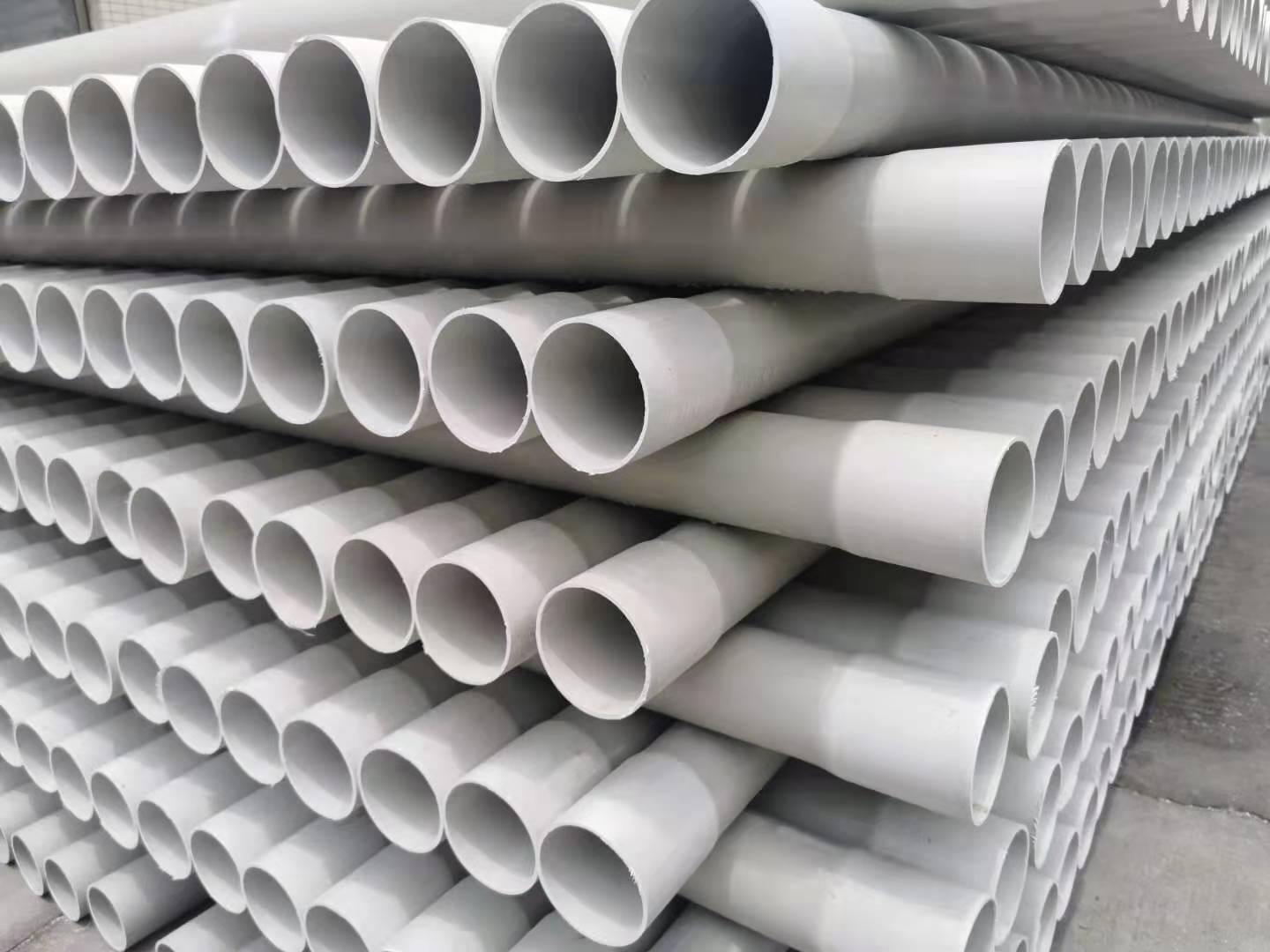
Chlorinated Polyvinyl Chloride(CPVC) Pipa
Introduction of CPVC Pipe
CPVC is produced by adding chlorine to PVC in a water slurry or fluidized bed chlorination process. The chlorination reaction is initiated by ultraviolet light. The chlorinated PVC is compounded with ingredients necessary for the desired properties for further processing. The chlorine added to PVC gives CPVC higher temperature performance and improved fire and corrosion resistance.
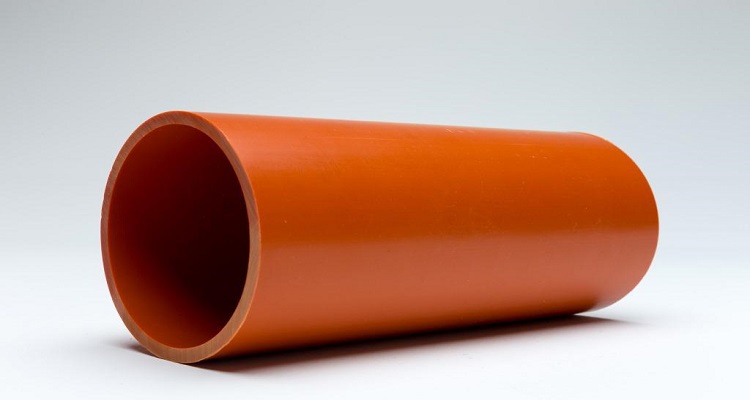
Detayenan di CPVC Pipe
The CPVC plumbing pipes are available in sizes from 15mm (1/2″) to 50mm (2″) conforming to IS 15778 in SDR 11 & 13.5 classes. The pipes are with standard hydrostatic pressure ratings of 400 psi at 73ºF (2,750 kPa at 23ºC) i 100 psi at 180ºF (690 kPa at 82ºC).
Advantage of CPVC pipe:
- Seguridat di awa potabel i konfiabilidat a largu plaso
- Resistensia na koroshon, tuberkulashon, depósitonan
- Resistensia na klor i kloramina
- Lihé, fásil pa transportá
- Disponibel den un rango amplio di tamaño
- Resistensia di zonido i martiu di awa
- No tin balor di skrap, evitando ladronisia na trabou
- Durabilidat i resistensia pa sobrebibí instalashonnan na tereno di trabou
- No ta usa vlam pa uni, jointnan di semento di solvente
- Kompatibilidat universal di tubonan/fittingnan
- Aparensia profeshonal instalá
Specifations of CPVC Pipe
Pipe Dimensions
Nota :
1. Dimensions with “+” are not a function of SDR.
2. Fittings are suitable for corresponding pipe pressure rating.Mark except 400mm .
| Nominal Bore | Outside Diameter | SDR 11 | SDR 13.5 | ||||||||
| Diki di muraya | Presion di Trabou | Diki di muraya | Presion di Trabou | ||||||||
| Min | Max | Min | Max | At 27℃ | At 82℃ | Min | Max | At 27℃ | At 82℃ | ||
| (mm) | (inch) | (mm) | (mm) | (mm) | (mm) | Kg/cm² | Kg/cm² | (mm) | (mm) | Kg/cm² | Kg/cm² |
| 15 | 1/2 | 15.80 | 16 | 1.70 | 2.20 | 28.14 | 6.93 | 1.40 | 1.90 | 22.22 | 5.60 |
| 20 | 3/4 | 22.10 | 23.30 | 2.00 | 2.50 | 28.14 | 6.93 | 1.70 | 2.20 | 22.22 | 5.60 |
| 25 | 1 | 28.50 | 28.70 | 2.60 | 3.10 | 28.14 | 6.93 | 2.10 | 2.60 | 22.22 | 5.60 |
| 32 | 11/4 | 34.80 | 35.00 | 3.20 | 3.70 | 28.14 | 6.93 | 2.60 | 3.10 | 22.22 | 5.60 |
| 40 | 11/2 | 41.20 | 41.40 | 3.80 | 4.30 | 28.14 | 6.93 | 3.10 | 3.60 | 22.22 | 5.60 |
| 50 | 2 | 53.90 | 54.10 | 4.90 | 5.50 | 28.14 | 6.93 | 4.00 | 4.60 | 22.22 | 5.60 |
| Nominal Bore | Outside Dia. | Orario 40 | Orario 80 | |||||||
| Diki di muraya | Presion di Trabou | Diki di muraya | Presion di Trabou | |||||||
| Min | Max | At 27℃ | At 82℃ | Min | Max | At 27℃ | At 82℃ | |||
| (mm) | (inch) | (mm) | (mm) | (mm) | Kg/cm² | Kg/cm² | (mm) | (mm) | Kg/cm² | Kg/cm² |
| 65 | 21/2 | 73.00(+/-0.18) | 5.16 | 5.77 | 21.10 | 5.30 | 7.01 | 7.85 | 29.57 | 7.43 |
| 80 | 3 | 88.90(+/-0.20) | 5.49 | 6.15 | 18.25 | 4.58 | 7.62 | 8.53 | 26.00 | 6.32 |
| 100 | 4 | 114.30(+/-0.23) | 6.02 | 6.73 | 15.49 | 3.87 | 8.56 | 9.58 | 22.53 | 5.60 |
| 150 | 6 | 168.30(+/-0.28) | 7.11 | 7.79 | 12.64 | 3.16 | 10.97 | 12.29 | 19.68 | 4.89 |
| 200 | 8 | 219.10(+/-0.38) | 8.18 | 9.17 | 11.21 | 2.85 | 12.70 | 14.22 | 17.54 | 4.18 |
| 250 | 10 | 273.10(+/-0.28) | 9.27 | 10.39 | 9.89 | 2.44 | 15.06 | 16.86 | 16.21 | 3.81 |
Aplikashonnan di CPVC Pipe
Hot and cold water plumbing distribution, residensial i komersial
CPVC is wildly used in hot and cold water distribution systems in residential buildings.The pipes can handle temperatures up to 200°F (93°C),making the pipes suitable for hot water convey systems.
Sistema di tuberia industrial
CPVC tubes are well-suited for industrial piping systems owing to their superior resistance to high temperatures and corrosion. They are ideal for conveying thermal chemicals, awa di proseso, and other fluids that may possess acidic, alkaline, or reactive characteristics. Consequently, CPVC tubes are particularly appropriate for applications in chemical processing plants and oil refinery pipeline transportation.
Sistemanan di Kombatimentu di Kandela
Chlorinated polyvinyl chloride (CPVC) is extensively utilized in both residential and industrial fire protection systems due to its suitability for high-pressure environments. It constitutes a critical component of the network responsible for the delivery of water or flame-retardant agents to extinguish fires.
Tuberianan di awa rekuperá (pipa lila)
CPVC pipes are widely utilized in drainage and waste management systems as well as in industrial applications. Their excellent chemical resistance renders them particularly suitable for conveying chemicals, awa di proseso,and other fluids that may be acidic, alkaline, or otherwise reactive.
Empaketamentu i Envio
Ta dependé di e produktonan i kantidat,nos por a hasi e empaketahe di coiling,ròl,pakete di pakete,kaha òf kaha,etc.
Envio:Riba laman,ferry,pa medio di aire òf komo petishon di kliente.
Profil di e kompania
Luoyang Datang Energy Tech Co.Ltd a keda establesé na 2015 i situá den zona di desaroyo di teknologia haltu, Stat di Luoyang, ta kubri un área grandi ku fasilidatnan di último generashon. Nos gobièrnu ta ofresé un ambiente di sosten, inkluyendo transporte kómodo i akseso na rekursonan esensial. Desde inisio na 2015, nos a komprometé na ekselensia den tubo i fittingnan, inovando kontinuamente pa kumpli ku e demandanan di merkado.
Si bo mester di Tubonan i Fittingnan di PPR,Por fabor sinti bo liber pa tuma kontakto ku nos([email protected])
Kondishonnan di Pago
T/T,L/C na bista,Western Union & Paypal,etc.
FAQ di CPVC Pipe
P1, Kiko ta Pipa di CPVC?
CPVC (klorido di polivinil kloriná) ta un material robusto i duradero ku a wòrdu ampliamente utilisá den aplikashonnan di plomeria mundialmente pa mas ku sinku dékada. CPVC ta eksponé un resistensia kímiko ekselente, konfiabilidat, i e kapasidat pa wanta temperatura i preshon haltu. E propiedatnan aki ta hasié un eskoho ideal pa residensial, komersial, i sistemanan di tuberia industrial.
Q2,Why CPVC is Ideal for Residential Plumbing Systems?
Seguridat: CPVC is recognized as a green and eco-friendly material. The use of CPVC tubes in drinking water systems ensures that no harmful or dangerous substances are transferred into the delivered drinking water.
Compressive Resistance: CPVC pipes and fittings are joined by solvent cement. Solvent-based cement is a substance that chemically fuses pipes to fittings at the molecular level, forming the strongest part of the piping system.
Chlorine Resistance: CPVC pipes are not affected by chlorine. Chlorine-containing disinfectants, especially chlorine dioxide, can cause failures in PPR (green pipes), PEX and metal pipes, but not in CPVC pipes.
Antibacterial: Bacterial growth may occur in the water distribution system, yet CPVC helps keep the water pure. Multiple international studies have confirmed that CPVC has consistently outperformed copper and all other plastic piping materials in its ability to resist biofilm formation.
Flame Retardant: CPVC is fire-resistant and does not fuel combustion. Even if a fire breaks out in a residence, CPVC will not contribute to the fire’s spread.
Q3,What’s the Distinction Between CPVC and PVC Pipe?
There are several distinctions exist between CPVC and PVC pipes.
Aplikashonnan:PVC is merely permitted to be utilized in drain, shushi, and vent plumbing applications. It is not sanctioned for use as a water supply line, while CPVC is mainly employed in water delivery applications.
Heat Tolerance:PVC begins to melt at 140 grado Fahrenheit, yet CPVC can withstand hot water up to 200 grado Fahrenheit.
Tamaño: PVC and CPVC have dissimilar sizing measurements. PVC will adhere to iron pipe sizing (IPS), whereas CPVC will follow Copper Tube Sizing (CTS).
Q4,How To Tell if a Pipe Is PVC or CPVC
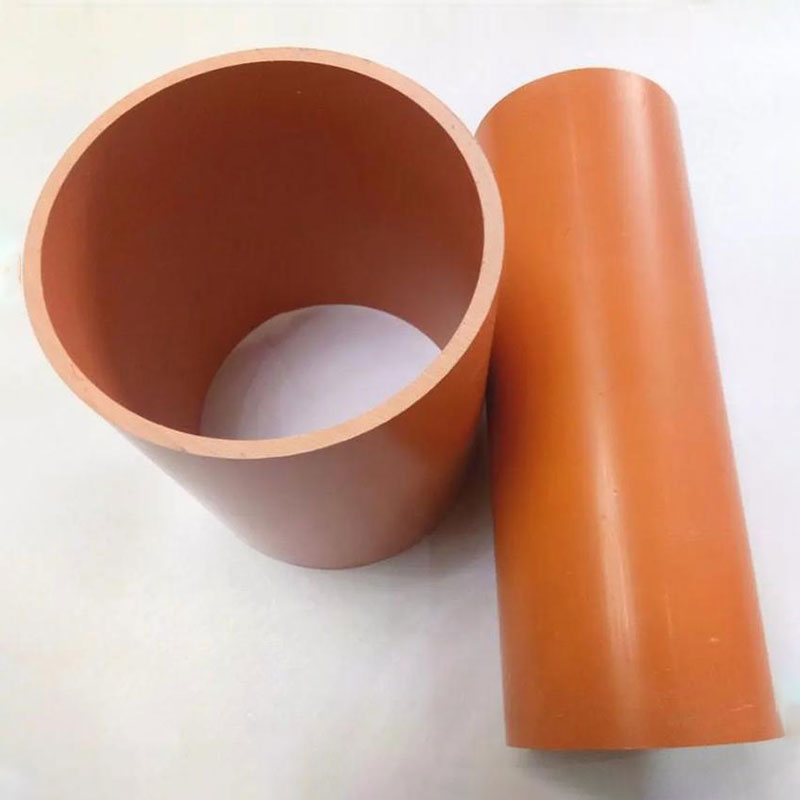
Bo por distinguí lihé entre e koló beige kla di tubo di CPVC i e blanku briante di PVC. Si bo no ta sigur, buska e imprenta na banda di e pipa.
P5,Kuantu tempu e tubonan di PVC i CPVC ta dura?
Kada un di nan mester dura hopi largu basta nan no ta daña dor di vriesmentu òf rayonan UV.
PIDI UN SITA
PRODUKTONAN RELASHONÁ
Tubo eléktriko di plèstik gris di kondukta ondula di PVC
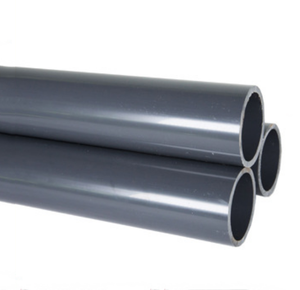
Tubonan Rohr di PVC di Awa Resistente na Kandela di Importadónan Henter
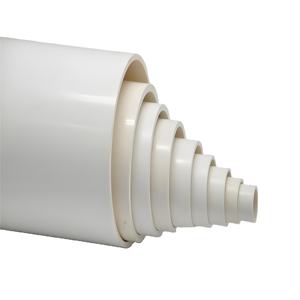
Kloruro di PVC pa Tubonan i Profilnan Kompetitivo s
Tubo di Slang di Gas di Preshon Haltu Tubo di PVC LPG Slang Pneumátiko
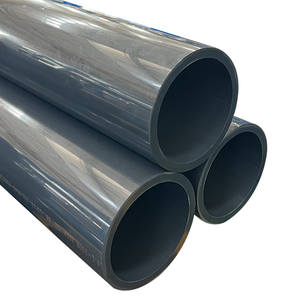
Tubo di PVC Rígido di Plástik di Resistensia Kondukta Eléktriko Retardante di Kandela