LUOYANG CAME ENERGY TECH CO., LTD


CPVC PIPES FUN OJUTU Plumbing
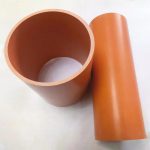
Ọja parameters
Apejuwe
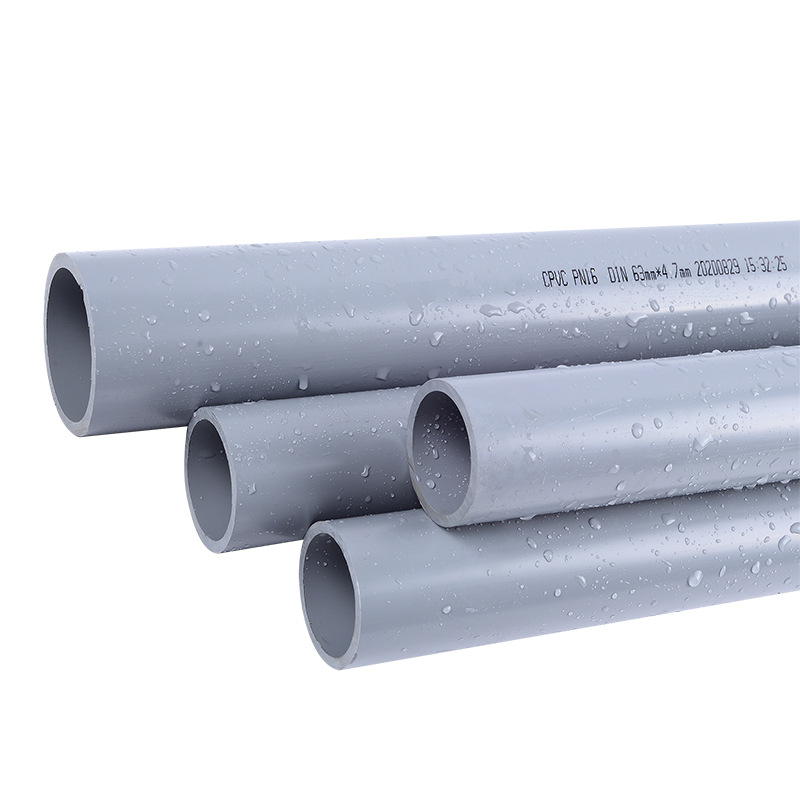
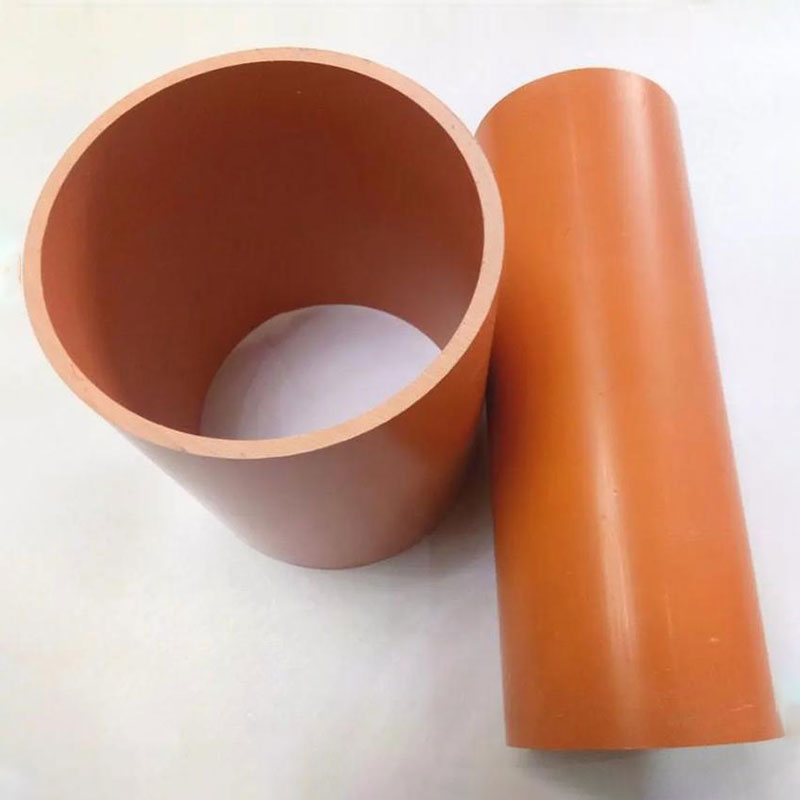
Chlorinated Polyvinyl kiloraidi(CPVC) Paipu
Introduction of CPVC Pipe
CPVC is produced by adding chlorine to PVC in a water slurry or fluidized bed chlorination process. The chlorination reaction is initiated by ultraviolet light. The chlorinated PVC is compounded with ingredients necessary for the desired properties for further processing. The chlorine added to PVC gives CPVC higher temperature performance and improved fire and corrosion resistance.
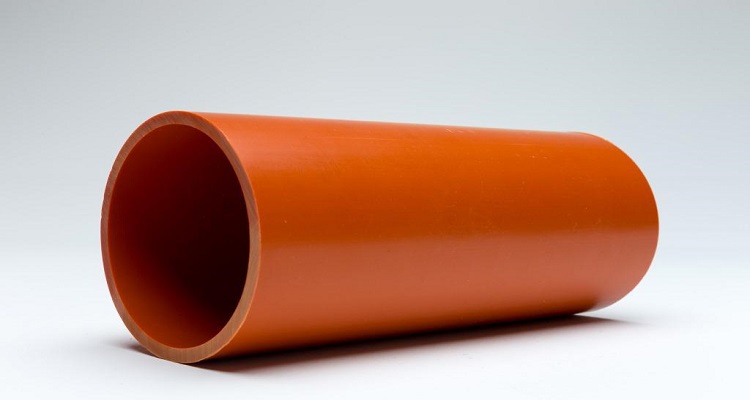
Awọn alaye ti CPVC Pipe
The CPVC plumbing pipes are available in sizes from 15mm (1/2″) to 50mm (2″) conforming to IS 15778 in SDR 11 & 13.5 classes. The pipes are with standard hydrostatic pressure ratings of 400 psi at 73ºF (2,750 kPa at 23ºC) ati 100 psi at 180ºF (690 kPa at 82ºC).
Advantage of CPVC pipe:
- Aabo ti omi mimu ati igbẹkẹle igba pipẹ
- Resistance si ipata, iko, awọn ohun idogo
- Chlorine ati chloramine resistance
- Ìwúwo Fúyẹ́, rọrun lati gbe
- Wa ni jakejado ibiti o ti titobi
- Ariwo ati omi òòlù resistance
- Ko si alokuirin iye, yago fun ole jobsite
- Agbara ati lile lati ye awọn fifi sori aaye iṣẹ
- Ko si ina ti a lo fun didapọ, epo simenti isẹpo
- Ibamu gbogbo agbaye ti awọn paipu / awọn ohun elo
- Ọjọgbọn fi sori ẹrọ irisi
Specifations of CPVC Pipe
Pipe Dimensions
Akiyesi :
1. Dimensions with “+” are not a function of SDR.
2. Fittings are suitable for corresponding pipe pressure rating.Mark except 400mm .
| Nominal Bore | Outside Diameter | SDR 11 | SDR 13.5 | ||||||||
| Odi sisanra | Ṣiṣẹ Ipa | Odi sisanra | Ṣiṣẹ Ipa | ||||||||
| Min | O pọju | Min | O pọju | At 27℃ | At 82℃ | Min | O pọju | At 27℃ | At 82℃ | ||
| (mm) | (inch) | (mm) | (mm) | (mm) | (mm) | Kg/cm² | Kg/cm² | (mm) | (mm) | Kg/cm² | Kg/cm² |
| 15 | 1/2 | 15.80 | 16 | 1.70 | 2.20 | 28.14 | 6.93 | 1.40 | 1.90 | 22.22 | 5.60 |
| 20 | 3/4 | 22.10 | 23.30 | 2.00 | 2.50 | 28.14 | 6.93 | 1.70 | 2.20 | 22.22 | 5.60 |
| 25 | 1 | 28.50 | 28.70 | 2.60 | 3.10 | 28.14 | 6.93 | 2.10 | 2.60 | 22.22 | 5.60 |
| 32 | 11/4 | 34.80 | 35.00 | 3.20 | 3.70 | 28.14 | 6.93 | 2.60 | 3.10 | 22.22 | 5.60 |
| 40 | 11/2 | 41.20 | 41.40 | 3.80 | 4.30 | 28.14 | 6.93 | 3.10 | 3.60 | 22.22 | 5.60 |
| 50 | 2 | 53.90 | 54.10 | 4.90 | 5.50 | 28.14 | 6.93 | 4.00 | 4.60 | 22.22 | 5.60 |
| Nominal Bore | Outside Dia. | Iṣeto 40 | Iṣeto 80 | |||||||
| Odi sisanra | Ṣiṣẹ Ipa | Odi sisanra | Ṣiṣẹ Ipa | |||||||
| Min | O pọju | At 27℃ | At 82℃ | Min | O pọju | At 27℃ | At 82℃ | |||
| (mm) | (inch) | (mm) | (mm) | (mm) | Kg/cm² | Kg/cm² | (mm) | (mm) | Kg/cm² | Kg/cm² |
| 65 | 21/2 | 73.00(+/-0.18) | 5.16 | 5.77 | 21.10 | 5.30 | 7.01 | 7.85 | 29.57 | 7.43 |
| 80 | 3 | 88.90(+/-0.20) | 5.49 | 6.15 | 18.25 | 4.58 | 7.62 | 8.53 | 26.00 | 6.32 |
| 100 | 4 | 114.30(+/-0.23) | 6.02 | 6.73 | 15.49 | 3.87 | 8.56 | 9.58 | 22.53 | 5.60 |
| 150 | 6 | 168.30(+/-0.28) | 7.11 | 7.79 | 12.64 | 3.16 | 10.97 | 12.29 | 19.68 | 4.89 |
| 200 | 8 | 219.10(+/-0.38) | 8.18 | 9.17 | 11.21 | 2.85 | 12.70 | 14.22 | 17.54 | 4.18 |
| 250 | 10 | 273.10(+/-0.28) | 9.27 | 10.39 | 9.89 | 2.44 | 15.06 | 16.86 | 16.21 | 3.81 |
Awọn ohun elo ti CPVC Pipe
Hot and cold water plumbing distribution, ibugbe ati owo
CPVC is wildly used in hot and cold water distribution systems in residential buildings.The pipes can handle temperatures up to 200°F (93°C),making the pipes suitable for hot water convey systems.
Ise fifi ọpa eto
CPVC tubes are well-suited for industrial piping systems owing to their superior resistance to high temperatures and corrosion. They are ideal for conveying thermal chemicals, ilana omi, and other fluids that may possess acidic, alkaline, or reactive characteristics. Consequently, CPVC tubes are particularly appropriate for applications in chemical processing plants and oil refinery pipeline transportation.
Ina Gbigbogun Systems
Chlorinated polyvinyl chloride (CPVC) is extensively utilized in both residential and industrial fire protection systems due to its suitability for high-pressure environments. It constitutes a critical component of the network responsible for the delivery of water or flame-retardant agents to extinguish fires.
Pipa omi ti a gba pada (eleyi ti paipu)
CPVC pipes are widely utilized in drainage and waste management systems as well as in industrial applications. Their excellent chemical resistance renders them particularly suitable for conveying chemicals, ilana omi,and other fluids that may be acidic, alkaline, or otherwise reactive.
Iṣakojọpọ ati Gbigbe
Da lori awọn ọja ati qty,a le ṣe iṣakojọpọ ti coiling,yipo,iṣakojọpọ lapapo,apoti tabi apoti,ati be be lo.
Gbigbe:Nipa okun,oko oju irin,nipasẹ afẹfẹ tabi bi ibeere alabara.
Ifihan ile ibi ise
Luoyang Datang Energy Tech Co.Ltd a ti iṣeto ni 2015 ati pe o wa ni agbegbe idagbasoke imọ-ẹrọ giga, Ilu Luoyang, bo agbegbe ti o tobi pẹlu awọn ohun elo-ti-ti-aworan. Ijọba wa nfunni ni agbegbe atilẹyin, pẹlu irọrun gbigbe ati iraye si awọn orisun pataki. Lati ibẹrẹ ni 2015, a ti jẹri si didara julọ ni awọn paipu ati awọn ohun elo, continuously innovating lati pade oja wáà.
Ti o ba nilo PPR Pipes ati Fittings,Jọwọ lero free lati kan si wa(sales@pipesandfittings.net)
Awọn ofin sisan
T/T,L / C ni oju,Western Union & Paypal,ati be be lo.
FAQ ti CPVC Pipe
Q1, Kini Pipe CPVC?
CPVC (chlorinated polyvinyl kiloraidi) jẹ ohun elo ti o lagbara ati ti o tọ ti o ti lo jakejado ni awọn ohun elo fifin ni agbaye fun ọdun marun ọdun marun. CPVC ṣe afihan resistance kemikali to dara julọ, igbẹkẹle, ati agbara lati koju awọn iwọn otutu giga ati awọn titẹ. Awọn ohun-ini wọnyi jẹ ki o jẹ yiyan pipe fun ibugbe, iṣowo, ati ise fifi ọpa awọn ọna šiše.
Q2,Why CPVC is Ideal for Residential Plumbing Systems?
Aabo: CPVC is recognized as a green and eco-friendly material. The use of CPVC tubes in drinking water systems ensures that no harmful or dangerous substances are transferred into the delivered drinking water.
Compressive Resistance: CPVC pipes and fittings are joined by solvent cement. Solvent-based cement is a substance that chemically fuses pipes to fittings at the molecular level, forming the strongest part of the piping system.
Chlorine Resistance: CPVC pipes are not affected by chlorine. Chlorine-containing disinfectants, especially chlorine dioxide, can cause failures in PPR (green pipes), PEX and metal pipes, but not in CPVC pipes.
Antibacterial: Bacterial growth may occur in the water distribution system, yet CPVC helps keep the water pure. Multiple international studies have confirmed that CPVC has consistently outperformed copper and all other plastic piping materials in its ability to resist biofilm formation.
Flame Retardant: CPVC is fire-resistant and does not fuel combustion. Even if a fire breaks out in a residence, CPVC will not contribute to the fire’s spread.
Q3,What’s the Distinction Between CPVC and PVC Pipe?
There are several distinctions exist between CPVC and PVC pipes.
Awọn ohun elo:PVC is merely permitted to be utilized in drain, egbin, and vent plumbing applications. It is not sanctioned for use as a water supply line, while CPVC is mainly employed in water delivery applications.
Heat Tolerance:PVC begins to melt at 140 iwọn Fahrenheit, yet CPVC can withstand hot water up to 200 iwọn Fahrenheit.
Titobi: PVC and CPVC have dissimilar sizing measurements. PVC will adhere to iron pipe sizing (IPS), whereas CPVC will follow Copper Tube Sizing (CTS).
Q4,How To Tell if a Pipe Is PVC or CPVC
O le yara ṣe iyatọ laarin awọ alagara ina ti paipu CPVC ati funfun didan ti PVC. Ti o ko ba ni idaniloju, wo fun titẹ sita lori ẹgbẹ paipu.
Q5,Bawo ni pipẹ awọn paipu PVC ati CPVC ṣiṣe?
Ọkọọkan wọn yẹ ki o ṣiṣe ni igba pipẹ niwọn igba ti wọn ko ba bajẹ lati didi tabi awọn egungun UV.
BERE ORO
Awọn ọja ti o jọmọ
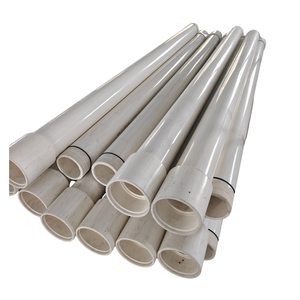
Osunwon PVC Daradara Cashing ati Iboju Pipes
CPVC Power Paipu Sleeve Pre-sin Pilasitik Tubes Ga titẹ Molded
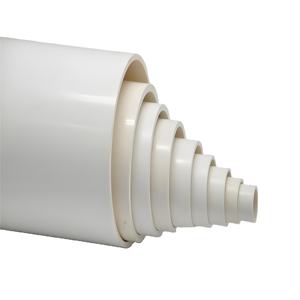
Didara Ile-iṣẹ PVC Tube UPVC Pipe fun Omi pẹlu Agbara giga
UPVC Pipes Polyvinyl Chloride Pipe Factory Directly Plastic 1.0mpa 250mm PVC Pipe For Water Supply
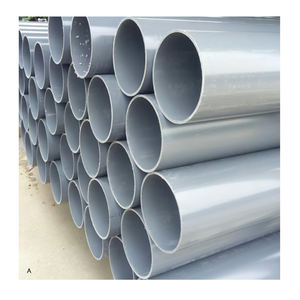
8 Inch Ga titẹ Jin daradara PVC Casing Pipes fun Omi Ipese