LUOYANG CAME ENERGY TECH CO.,LTD


Dè cho domhainn 'sa bu chòir pìob solair uisge a bhith
Dè cho domhainn 'sa bu chòir loidhnichean uisge a bhith falaichte? (Cuir casg air fuachd & Milleadh!)

(Dè cho domhainn 'sa bu chòir pìob solair uisge a bhith)
Understanding Water Main Burial Depth Requirements
The required depth of a water main depends on climate conditions, frost depth, soil conditions, and local construction regulations.
In general, a water supply line should be installed below the local frost line to prevent freezing damage during winter.
The correct water main burial depth helps protect underground pipelines from:
- Freezing temperatures
- Ground movement
- External loading
- Accidental excavation damage
For this reason, contractors should always check local water line depth requirements before installation.
A 'cladhach tranch airson pìoban? Chan eil a bhith a’ faighinn an doimhneachd cheart cha mhòr a’ cumail ri poileasaidhean. Feumaidh e dèanamh le bhith a’ dìon an t-solar uisge agad bhon fheadhainn as miosa a th’ aig Nàdar agus gus casg a chuir air tubaistean daor. Air a thiodhlacadh cuideachd eu-domhainn, agus bidh reothadh seusan a’ gheamhraidh ag atharrachadh do phìoban gu bhith nan popsicles reòthte uile deiseil airson spreadhadh. Cuideachd domhainn, agus tha thu a’ caitheamh airgead is ùine gun fheum. Mar sin, dìreach dè cho domhainn ‘s a tha e domhainn gu leòr? Leig dhuinn sgrùdadh a dhèanamh air an fhiosrachadh cudromach.
1. Dìreach dè a th ’ann an doimhneachd pìoban siostam uisge?
Water system pipe depth implies the range from the top of the pipe to the ground surface area. Smaoinich air mar chòmhdach dìon na planaid a tha a’ còmhdach do loidhne uisge. Tha an tomhas seo deatamach. Bidh e a’ dearbhadh dè cho math ‘s a tha am pìob air a dhìon bho phuingean a dh’ fhaodadh cron a dhèanamh air no stad a chuir air sruthadh uisge.
Chan e an doimhneachd foirfe aon àireamh aonaranach an àite sam bith. Tha e gu mòr an urra ris an àrainneachd roinneil agad, gu sònraichte dìreach cho fuar sa tha mìosan a’ gheamhraidh agad. Is e am prìomh inbhe an “loidhne reothadh” neo “doimhneachd reothadh.” Is e seo an t-àite as fhaide fon talamh far am bi an talamh a’ reothadh sa gheamhradh. Feumaidh am pìob uisge agad a bhith air a liostadh fon loidhne reothadh seo. Ma tha e na shuidhe gu h-àrd, bidh uisge reòta taobh a-staigh na pìoba a’ leudachadh. Tha an leasachadh seo ag adhbhrachadh cuideam mòr. Chan urrainn dha uachdar balla na loidhne-phìoban a chumail. Bidh iad a 'briseadh no a' briseadh. Tha loidhne-phìoban briste a’ ciallachadh nach eil uisge ann, obair càraidh daor, agus dòrlach mòr.
Tha diofar fhactaran eile ann cuideachd. Dè an seòrsa ùir a th' agad? Bidh ùir gainmhich a’ drèanadh uisge ann an dòigh eadar-dhealaichte seach crèadh mòr. Dè an ìre de thrafaig lìn a thèid thairis air an àite? Feumaidh loidhne-phìoban fo dhràibhear tòrr a bharrachd dìon na tè fo leabaidh fhlùraichean. A bheil creagan no craobhan ann? Faodaidh iad sin cuideachd an loidhne-phìoban a chuir ann an cunnart le ùine. Is e doimhneachd a’ chiad loidhne dìon agad an-aghaidh na bagairtean sin uile.

Cross-section engineering diagram showing underground water main pipe installation below the frost line with sand bedding to prevent freezing damage
2. Carson a tha doimhneachd loidhne-phìoban iomchaidh neo-rèiteach
Tha a bhith a’ coimhead thairis air an doimhneachd iomchaidh a’ cur fàilte air duilgheadas. Is e reothadh an nàmhaid as motha. Bidh uisge a 'meudachadh nuair a bhios e a' reothadh. Taobh a-staigh loidhne-phìoban cuibhrichte, chan eil àite aig an leudachadh seo ri dhol. Bidh an deigh a’ putadh a-muigh le neart do-chreidsinneach. Faodaidh pìoban stàilinn sgoltadh. Faodaidh pìoban plastaig sgàineadh. Tha an toradh aig an aon àm: bidh uisge a’ sruthadh a-mach fon talamh nuair a bhios an deigh a’ reothadh. Is dòcha nach fhaic thu sa bhad. Faodar milleadh fhalach gus am faic thu feur soggy, cosgais uisge mòr, no nas miosa, tuiltean anns an t-seilear agad. Fixing a burst pipe hidden a number of feet deep is disruptive and expensive.
Cold isn’t the only threat. Pipelines buried also superficial are susceptible to physical damage. Think of someone digging carelessly to plant a tree or mount a fence post. A superficial water line is very easy to strike. Heavy vehicles driving over a superficial pipe can squash it gradually, especially if the dirt isn’t well-compacted. Lawnmowers, building equipment, also passionate gardening can pose risks. Rats could also locate shallow pipes much easier to nibble on.
Proper deepness offers a secure setting. Below ground temperatures below the frost line remain reasonably constant. This safeguards the pipeline from the extreme temperature level swings taking place at the surface. It likewise decreases the danger of unexpected damage from everyday surface activities. Obtaining the depth right is genuinely about lasting reliability and comfort. It protects against emergencies and conserves money.
3. Exactly how to Determine & Achieve the Correct Deepness
Locating the magic number begins with your regional frost line deepness. This isn’t a hunch. It’s developed by developing codes based upon historical climate data. How do you locate it? Call your neighborhood structure department or allow office. They can inform you the required minimum burial depth for supply of water pipelines in your particular location. This is the regulation. You have to fulfill or surpass it.
Normally, in really cold regions (like the north US and Canada), pipelines usually need to be hidden at least 4 gu 6 feet deep. In modest climates, 2 gu 3 feet could be adequate. In cozy southerly locations with little freezing threat, depths may be as shallow as 12 gu 18 òirlich, yet neighborhood codes always guideline. Never ever assume. Always check.
When you recognize the needed deepness, prepare the trench. Dig it a couple of inches much deeper than the code requires. Carson? You require room for a bedding layer. Location about 2-4 inches of sand or great crushed rock at the end of the trench. This bed linen supports the pipe equally along its entire size, protecting against stress and anxiety factors where it might rest on a rock. Lay the pipe meticulously on this bed linen.
Select the right pipe product. For hidden water lines, usual selections are copper (sturdy but costly), PEX (versatile, freeze-tolerant to some extent), agus PVC or CPVC (inflexible plastic, cosg-èifeachdach). Make sure the material is ranked for straight burial. After laying the pipe, backfill thoroughly. A’ chiad, shovel the dug deep into soil back in phases, gently tamping it down around the pipeline (prevent striking the pipeline!). Remove large rocks. The objective is secure, compressed dirt around the pipeline without spaces. Mu dheireadh thall, mark the area of the hidden pipeline plainly over ground. This helps everyone stay clear of digging into it later on.

Close-up installation view of water supply pipe placed on sand bedding layer inside a trench with measuring tape showing accurate burial depth
How Deep to Bury Water Line?
The depth required for a buried water line varies depending on location.
In cold climates, water lines usually need deeper installation to stay below the frost line. In warmer regions, shallower burial depths may be acceptable.
Typical factors affecting burial depth include:
| Factor | Impact |
|---|---|
| Climate | Determines frost protection depth |
| Soil condition | Affects stability and protection |
| Traffic load | Requires additional protection |
| Stuth pìoba | Influences installation requirements |
The final depth should always follow local building codes and project specifications.
4. Where Pipe Depth Policy Vary (Iarrtasan)
While the frost line is the main guide, various scenarios require slight modifications. Place is essential. The needed depth modifications substantially across climate areas. A project in Minnesota requires much deeper pipelines than one in Florida. Mountainous areas have colder microclimates than close-by valleys. Constantly comply with the code for your specific project site.
The sort of water line matters too. The major water line bringing water from the street to your home typically has the strictest deepness requirements. It’s essential framework. Irrigation lines for your lawn or yard could often be hidden slightly shallower, yet they still take the chance of cold if over the frost line. Always focus on the main supply line depth.
Local soil conditions play a role. Sandy dirt drains well yet could shift extra. Clay dirt holds water and expands when damp, possibly taxing pipes. In really rough ground, extra bed linens depth is important to protect the pipeline. High water tables may require unique sealing or pipeline kinds, though deepness continues to be linked to frost protection.
Diplomatic immunities exist. Running a pipe under a driveway or road? You require extra deepness– frequently an additional 6 gu 12 òirlich– or must utilize a protective sleeve (avenue) due to the hefty load over. Locations susceptible to erosion could require deeper funeral or stabilization methods. Always speak with local specialists for special situations. The regulation is straightforward: when doubtful, dig deeper or ask your structure examiner.
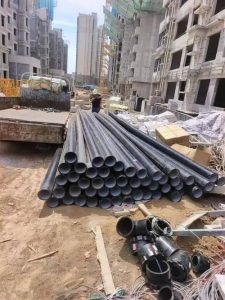
HDPE Water Pipe Underground Applications
For underground water supply systems, HDPE water pipes are widely used because of their flexibility, strì an aghaidh creimeadh, agus beatha seirbheis fhada.
An coimeas ri pìoban meatailt traidiseanta, HDPE pipes can better adapt to minor ground movement and reduce corrosion-related maintenance problems.
Ge-tà, correct installation depth, ìre cuideam, and backfilling methods are still essential for long-term performance.

Comparative infographic of water pipeline burial depths in cold climates vs warm climates and protective casing installation under driveways
5. Quick Answers to Usual Pipes Depth Questions
Individuals often ask similar things about hiding water pipes. Here are clear answers:
1. Can I simply hide it 2 feet deep everywhere?
Chan eil. This is precariously superficial in freezing climates. Always follow your local code’s frost depth demand. 2 feet may work in Texas. It ensures icy pipelines in Michigan.
2. What’s the fastest method to locate my neighborhood frost depth?
Call your city or county building division. They know the precise number for authorizations. Examining online building code resources for your certain community or area often works too.
3. My neighbor hidden his shallow. Can I?
Don’t copy your neighbor. Their pipeline could freeze next winter season. Building codes exist for safety and security. Their choice dangers expensive failure. Comply with the official policies.
4. Can tree roots damage deep pipelines?
It’s much less usual for major supply lines at appropriate depth. Roots typically seek water sources near the surface. Really hostile roots or shallow pipes are a risk. Use root obstacles if growing near the line.
5. Do plastic pipelines (PEX/PVC) need much less deepness?
Chan eil. All pipeline materials carrying water can rupture if iced up. While PEX is more freeze-tolerant (it can broaden slightly), it can still divide. The frost depth regulation puts on all products. Bury them correctly.
6. Suppose I hit rock while digging?
You have options. Use a much heavier excavating device or machinery (carefully!). Think about tunneling under the rock. Or, speak with a specialist. Do not simply lay the pipe on rugged rock. Safeguard it with additional bed linen or a sleeve.

(Dè cho domhainn 'sa bu chòir pìob solair uisge a bhith)
7. Just how do I shield the pipeline when backfilling?
Get rid of huge rocks from the dirt you shovel back. Tamp the soil delicately around the pipe in layers. Avoid dropping hefty clods directly on it. Make sure the dirt is compressed to prevent settling.
Need Reliable Underground Water Supply Pipe Solutions?
Choosing the right underground water pipe and installation method is essential for long-term reliability.
Fiosrachadh mun chompanaidh Luoyang Datang Energy Tech Co., Earr. provides PE (HDPE), PVC, and PPR pipes and fittings for water supply, drèanadh, and infrastructure projects.
Our team can support customers with pipe selection, ìre cuideam, and application solutions.
Cuir fios thugainn for professional underground piping solutions.
POSTAIL RANNAN
Carson a tha fèin-ghluasad gnìomhachais ùr-nodha an urra ri siostaman bhalbhaichean ball motair ioma-bholtaid

Iarrtas loidhne-phìoban PPR airson siostam togail is gnìomhachais
Loidhne solair uisge sàbhailte airson ceangal ri pìob PVC?
Coimeas pìoban solair uisge eadar pìoban PEX agus pìoban PPR
Feartan PPR & Uidheaman Brass,Mar a roghnaicheas tu am fear ceart?