ลั่วหยางมาพลังงานเทคบจก


ท่อจ่ายน้ำควรลึกแค่ไหน
สายน้ำควรถูกซ่อนไว้ลึกแค่ไหน? (ป้องกันหวัด & ค่าเสียหาย!)

(ท่อจ่ายน้ำควรลึกแค่ไหน)
Understanding Water Main Burial Depth Requirements
The required depth of a water main depends on climate conditions, frost depth, soil conditions, and local construction regulations.
In general, a water supply line should be installed below the local frost line to prevent freezing damage during winter.
The correct water main burial depth helps protect underground pipelines from:
- Freezing temperatures
- Ground movement
- External loading
- Accidental excavation damage
For this reason, contractors should always check local water line depth requirements before installation.
ขุดคูหาท่อ? การได้รับสิทธิเชิงลึกนั้นแทบจะไม่เป็นไปตามนโยบายเลย. มันเกี่ยวข้องกับการปกป้องแหล่งน้ำของคุณจากสิ่งที่เลวร้ายที่สุดของธรรมชาติและป้องกันภัยพิบัติที่มีราคาแพง. ฝังอยู่ตื้นเขินเช่นกัน, และฤดูหนาวที่ค้างก็เปลี่ยนไปป์ของคุณให้กลายเป็นไอติมน้ำแข็งที่พร้อมจะระเบิด. ลึกๆ ด้วยเช่นกัน, และคุณกำลังใช้จ่ายเงินและเวลาโดยไม่จำเป็น. ดังนั้น, ลึกแค่ไหนก็ลึกพอ? มาสำรวจข้อมูลสำคัญกันดีกว่า.
1. ความลึกของท่อส่งน้ำของระบบน้ำคืออะไร?
Water system pipe depth implies the range from the top of the pipe to the ground surface area. คิดว่ามันเป็นเกราะป้องกันของดาวเคราะห์ที่ปกคลุมสายน้ำของคุณ. การวัดนี้มีความสำคัญ. จะกำหนดได้อย่างแน่ชัดว่าท่อได้รับการปกป้องจากจุดที่อาจเป็นอันตรายหรือทำให้น้ำไหลได้ดีเพียงใด.
ความลึกที่สมบูรณ์แบบไม่ใช่ตัวเลขเดียวทุกที่. ขึ้นอยู่กับสภาพแวดล้อมในภูมิภาคของคุณเป็นอย่างมาก, โดยเฉพาะอย่างยิ่งฤดูหนาวของคุณอากาศจะหนาวเย็นแค่ไหน. มาตรฐานที่สำคัญคือ “เส้นน้ำค้างแข็ง” หรือ “ความลึกของน้ำค้างแข็ง” นี่คือจุดที่ลึกที่สุดใต้ดินซึ่งดินจะแข็งตัวในฤดูหนาว. ท่อน้ำของคุณจะต้องอยู่ต่ำกว่าเส้นน้ำค้างแข็งนี้อย่างแน่นอน. ถ้านั่งข้างบน., น้ำเยือกแข็งภายในท่อขยายออก. การพัฒนานี้ก่อให้เกิดแรงกดดันมหาศาล. พื้นผิวผนังท่อไม่สามารถยึดได้. พวกเขาแตกหรือระเบิด. ท่อแตกแสดงว่าไม่มีน้ำ, งานซ่อมราคาแพง, และความยุ่งเหยิงครั้งใหญ่.
ปัญหาปัจจัยอื่น ๆ อีกมากมายเช่นกัน. คุณมีดินชนิดไหน? ดินทรายระบายน้ำในลักษณะที่แตกต่างจากดินเหนียวที่แข็งแรง. ปริมาณการเข้าชมเว็บผ่านสถานที่นั้นมากเพียงใด? ท่อส่งใต้ถนนรถแล่นต้องการการปกป้องมากกว่าท่อส่งใต้แปลงดอกไม้. มีหินหรือต้นกำเนิดจากต้นไม้? สิ่งเหล่านี้อาจเป็นอันตรายต่อไปป์ไลน์ตามเวลาเช่นกัน. ความลึกซึ้งเป็นแนวป้องกันเริ่มต้นของคุณต่อภัยคุกคามเหล่านี้ทั้งหมด.

Cross-section engineering diagram showing underground water main pipe installation below the frost line with sand bedding to prevent freezing damage
2. เหตุใดความลึกของท่อที่เหมาะสมจึงไม่สามารถต่อรองได้
การมองข้ามความลึกที่เหมาะสมย่อมพบกับความยากลำบาก. ศัตรูที่ใหญ่ที่สุดกำลังเยือกแข็ง. น้ำจะเพิ่มขึ้นเมื่อมันแข็งตัว. ภายในท่อจำกัด, การขยายตัวนี้ไม่มีที่ไป. น้ำแข็งดันออกไปข้างนอกด้วยแรงที่เหลือเชื่อ. ท่อเหล็กสามารถแยกออกได้. ท่อพลาสติกอาจแตกได้. ผลลัพธ์ก็เกิดขึ้นพร้อมกัน: น้ำจะพุ่งออกมาใต้ดินเมื่อน้ำแข็งละลาย. คุณอาจไม่เห็นทันที. สามารถซ่อนความเสียหายได้จนกว่าคุณจะเห็นหญ้าเปียก, ค่าน้ำมหาศาล, หรือแย่กว่านั้น, น้ำท่วมในห้องใต้ดินของคุณ. Fixing a burst pipe hidden a number of feet deep is disruptive and expensive.
Cold isn’t the only threat. Pipelines buried also superficial are susceptible to physical damage. Think of someone digging carelessly to plant a tree or mount a fence post. A superficial water line is very easy to strike. Heavy vehicles driving over a superficial pipe can squash it gradually, especially if the dirt isn’t well-compacted. Lawnmowers, building equipment, also passionate gardening can pose risks. Rats could also locate shallow pipes much easier to nibble on.
Proper deepness offers a secure setting. Below ground temperatures below the frost line remain reasonably constant. This safeguards the pipeline from the extreme temperature level swings taking place at the surface. It likewise decreases the danger of unexpected damage from everyday surface activities. Obtaining the depth right is genuinely about lasting reliability and comfort. It protects against emergencies and conserves money.
3. Exactly how to Determine & Achieve the Correct Deepness
Locating the magic number begins with your regional frost line deepness. This isn’t a hunch. It’s developed by developing codes based upon historical climate data. How do you locate it? Call your neighborhood structure department or allow office. They can inform you the required minimum burial depth for supply of water pipelines in your particular location. This is the regulation. You have to fulfill or surpass it.
โดยทั่วไป, in really cold regions (like the north US and Canada), pipelines usually need to be hidden at least 4 ถึง 6 feet deep. In modest climates, 2 ถึง 3 feet could be adequate. In cozy southerly locations with little freezing threat, depths may be as shallow as 12 ถึง 18 นิ้ว, yet neighborhood codes always guideline. Never ever assume. Always check.
When you recognize the needed deepness, prepare the trench. Dig it a couple of inches much deeper than the code requires. Why? You require room for a bedding layer. Location about 2-4 inches of sand or great crushed rock at the end of the trench. This bed linen supports the pipe equally along its entire size, protecting against stress and anxiety factors where it might rest on a rock. Lay the pipe meticulously on this bed linen.
Select the right pipe product. For hidden water lines, usual selections are copper (sturdy but costly), เพ็กซ์ (versatile, freeze-tolerant to some extent), และ พีวีซี หรือซีพีวีซี (inflexible plastic, คุ้มค่า). Make sure the material is ranked for straight burial. After laying the pipe, backfill thoroughly. อันดับแรก, shovel the dug deep into soil back in phases, gently tamping it down around the pipeline (prevent striking the pipeline!). Remove large rocks. The objective is secure, compressed dirt around the pipeline without spaces. ในที่สุด, mark the area of the hidden pipeline plainly over ground. This helps everyone stay clear of digging into it later on.

Close-up installation view of water supply pipe placed on sand bedding layer inside a trench with measuring tape showing accurate burial depth
How Deep to Bury Water Line?
The depth required for a buried water line varies depending on location.
In cold climates, water lines usually need deeper installation to stay below the frost line. In warmer regions, shallower burial depths may be acceptable.
Typical factors affecting burial depth include:
| ปัจจัย | Impact |
|---|---|
| ภูมิอากาศ | Determines frost protection depth |
| Soil condition | Affects stability and protection |
| Traffic load | Requires additional protection |
| วัสดุท่อ | Influences installation requirements |
The final depth should always follow local building codes and project specifications.
4. Where Pipe Depth Policy Vary (การใช้งาน)
While the frost line is the main guide, various scenarios require slight modifications. Place is essential. The needed depth modifications substantially across climate areas. A project in Minnesota requires much deeper pipelines than one in Florida. Mountainous areas have colder microclimates than close-by valleys. Constantly comply with the code for your specific project site.
The sort of water line matters too. The major water line bringing water from the street to your home typically has the strictest deepness requirements. It’s essential framework. Irrigation lines for your lawn or yard could often be hidden slightly shallower, yet they still take the chance of cold if over the frost line. Always focus on the main supply line depth.
Local soil conditions play a role. Sandy dirt drains well yet could shift extra. Clay dirt holds water and expands when damp, possibly taxing pipes. In really rough ground, extra bed linens depth is important to protect the pipeline. High water tables may require unique sealing or pipeline kinds, though deepness continues to be linked to frost protection.
Diplomatic immunities exist. Running a pipe under a driveway or road? You require extra deepness– frequently an additional 6 ถึง 12 นิ้ว– or must utilize a protective sleeve (อเวนิว) due to the hefty load over. Locations susceptible to erosion could require deeper funeral or stabilization methods. Always speak with local specialists for special situations. The regulation is straightforward: when doubtful, dig deeper or ask your structure examiner.
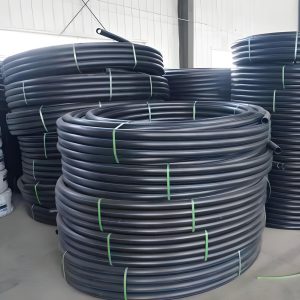
HDPE Water Pipe Underground Applications
สำหรับระบบน้ำประปาใต้ดิน, HDPE water pipes are widely used because of their flexibility, ความต้านทานการกัดกร่อน, และอายุการใช้งานยาวนาน.
เมื่อเทียบกับท่อโลหะแบบเดิมๆ, HDPE pipes can better adapt to minor ground movement and reduce corrosion-related maintenance problems.
อย่างไรก็ตาม, correct installation depth, ระดับความดัน, and backfilling methods are still essential for long-term performance.

Comparative infographic of water pipeline burial depths in cold climates vs warm climates and protective casing installation under driveways
5. Quick Answers to Usual Pipes Depth Questions
Individuals often ask similar things about hiding water pipes. นี่คือคำตอบที่ชัดเจน:
1. Can I simply hide it 2 feet deep everywhere?
เลขที่. This is precariously superficial in freezing climates. Always follow your local code’s frost depth demand. 2 feet may work in Texas. It ensures icy pipelines in Michigan.
2. What’s the fastest method to locate my neighborhood frost depth?
Call your city or county building division. They know the precise number for authorizations. Examining online building code resources for your certain community or area often works too.
3. My neighbor hidden his shallow. Can I?
Don’t copy your neighbor. Their pipeline could freeze next winter season. Building codes exist for safety and security. Their choice dangers expensive failure. Comply with the official policies.
4. Can tree roots damage deep pipelines?
It’s much less usual for major supply lines at appropriate depth. Roots typically seek water sources near the surface. Really hostile roots or shallow pipes are a risk. Use root obstacles if growing near the line.
5. Do plastic pipelines (PEX/PVC) need much less deepness?
เลขที่. All pipeline materials carrying water can rupture if iced up. While PEX is more freeze-tolerant (it can broaden slightly), it can still divide. The frost depth regulation puts on all products. Bury them correctly.
6. Suppose I hit rock while digging?
You have options. Use a much heavier excavating device or machinery (carefully!). Think about tunneling under the rock. Or, speak with a specialist. Do not simply lay the pipe on rugged rock. Safeguard it with additional bed linen or a sleeve.

(ท่อจ่ายน้ำควรลึกแค่ไหน)
7. Just how do I shield the pipeline when backfilling?
Get rid of huge rocks from the dirt you shovel back. Tamp the soil delicately around the pipe in layers. Avoid dropping hefty clods directly on it. Make sure the dirt is compressed to prevent settling.
Need Reliable Underground Water Supply Pipe Solutions?
Choosing the right underground water pipe and installation method is essential for long-term reliability.
ลั่วหยาง ดาถัง เอ็นเนอร์ยี่ เทค บจก., บจ. provides PE (เอชดีพีอี), พีวีซี, and PPR pipes and fittings for water supply, การระบายน้ำ, and infrastructure projects.
Our team can support customers with pipe selection, ระดับความดัน, and application solutions.
Contact us for professional underground piping solutions.
โพสต์ที่เกี่ยวข้อง
นักแสดงเทียบกับ. บอลวาล์วทองเหลืองปลอมแปลง: ความแตกต่างของการไหลของเกรนที่แยกความล้มเหลวใน 5 ปีออกจากความน่าเชื่อถือ 25 ปี
ท่อชนิดใดสำหรับการจ่ายน้ำใต้ดิน?
ที่หนีบเดียวเหมาะกับทุกคน, ใช้ได้ทั่วโลก: เหตุใดช่างประปามืออาชีพจึงไม่ประนีประนอมกับเครื่องมือท่อ?
ทำไมท่อ HDPE จึงเป็นตัวเลือกที่ดีที่สุด?