LUOYANG CAME ENERGY TECH CO.,LTD


Sejauh manakah Paip Bekalan Air Patut
Sejauh Mana Garisan Air Harus Disembunyikan? (Cegah Selsema & Kerosakan!)

(Sejauh manakah Paip Bekalan Air Patut)
Understanding Water Main Burial Depth Requirements
The required depth of a water main depends on climate conditions, frost depth, soil conditions, and local construction regulations.
In general, a water supply line should be installed below the local frost line to prevent freezing damage during winter.
The correct water main burial depth helps protect underground pipelines from:
- Freezing temperatures
- Ground movement
- External loading
- Accidental excavation damage
For this reason, contractors should always check local water line depth requirements before installation.
Menggali parit untuk paip? Mendapatkan hak kedalaman hampir tidak mematuhi dasar. Ia ada kaitan dengan melindungi bekalan air anda daripada alam semulajadi yang paling teruk dan mencegah malapetaka yang mahal. Terkubur juga cetek, dan musim sejuk beku mengubah paip anda menjadi popsikel berais yang bersedia untuk pecah. Begitu juga dalam, dan anda menghabiskan wang dan masa yang tidak diperlukan. Jadi, betul-betul seberapa dalam yang cukup dalam? Mari kita terokai maklumat penting.
1. Apa Itu Kedalaman Saluran Paip Sistem Air?
Water system pipe depth implies the range from the top of the pipe to the ground surface area. Anggap ia sebagai penutup pelindung planet yang menutupi saluran air anda. Pengukuran ini penting. Ia menentukan dengan tepat sejauh mana paip itu dilindungi daripada titik yang boleh membahayakannya atau menghentikan aliran air.
Kedalaman yang sempurna bukanlah satu nombor tunggal di mana-mana sahaja. Ia sangat bergantung pada persekitaran serantau anda, terutamanya betapa sejuknya musim sejuk anda. Piawaian utama ialah “garis fros” atau “kedalaman fros.” Ini adalah titik paling dalam di bawah tanah di mana tanah membeku pada musim sejuk. Paip air anda mestilah tersenarai di bawah garis fros ini. Jika ia duduk di atas, air beku di dalam paip semakin meluas. Perkembangan ini menghasilkan tekanan yang besar. Permukaan dinding saluran paip tidak dapat menahannya. Mereka pecah atau pecah. Saluran paip yang pecah membayangkan tiada air, kerja pembaikan yang mahal, dan kekacauan besar.
Pelbagai isu faktor lain juga. Apakah jenis tanah yang anda ada? Tanah berpasir mengalirkan air dengan cara yang berbeza daripada tanah liat yang besar. Berapa banyak trafik web merentasi lokasi? Saluran paip di bawah jalan masuk memerlukan lebih banyak perlindungan daripada saluran paip di bawah petak bunga. Adakah terdapat batuan atau asal-usul pokok? Ini juga boleh membahayakan saluran paip dengan masa. Kedalaman ialah garis perlindungan awal anda terhadap semua ancaman ini.

Cross-section engineering diagram showing underground water main pipe installation below the frost line with sand bedding to prevent freezing damage
2. Mengapa Kedalaman Saluran Paip yang Sesuai Tidak Boleh Dirunding
Menghadap kedalaman yang sesuai mengalu-alukan kesukaran. Musuh terbesar adalah beku. Air bertambah apabila ia membeku. Di dalam saluran paip terhad, pengembangan ini tidak mempunyai tempat untuk pergi. Ais menolak bahagian luar dengan kekuatan yang sukar dipercayai. Talian paip keluli boleh berpecah. Saluran paip plastik boleh retak. Hasilnya bertepatan: air memancar keluar ke bawah tanah apabila ais mencair. Anda mungkin tidak melihat dengan segera. Kerosakan boleh disembunyikan sehingga anda melihat rumput yang basah, kos air yang besar, atau lebih teruk, banjir di bilik bawah tanah anda. Fixing a burst pipe hidden a number of feet deep is disruptive and expensive.
Cold isn’t the only threat. Pipelines buried also superficial are susceptible to physical damage. Think of someone digging carelessly to plant a tree or mount a fence post. A superficial water line is very easy to strike. Heavy vehicles driving over a superficial pipe can squash it gradually, especially if the dirt isn’t well-compacted. Lawnmowers, building equipment, also passionate gardening can pose risks. Rats could also locate shallow pipes much easier to nibble on.
Proper deepness offers a secure setting. Below ground temperatures below the frost line remain reasonably constant. This safeguards the pipeline from the extreme temperature level swings taking place at the surface. It likewise decreases the danger of unexpected damage from everyday surface activities. Obtaining the depth right is genuinely about lasting reliability and comfort. It protects against emergencies and conserves money.
3. Exactly how to Determine & Achieve the Correct Deepness
Locating the magic number begins with your regional frost line deepness. This isn’t a hunch. It’s developed by developing codes based upon historical climate data. How do you locate it? Call your neighborhood structure department or allow office. They can inform you the required minimum burial depth for supply of water pipelines in your particular location. This is the regulation. You have to fulfill or surpass it.
Normally, in really cold regions (like the north US and Canada), pipelines usually need to be hidden at least 4 kepada 6 feet deep. In modest climates, 2 kepada 3 feet could be adequate. In cozy southerly locations with little freezing threat, depths may be as shallow as 12 kepada 18 inci, yet neighborhood codes always guideline. Never ever assume. Always check.
When you recognize the needed deepness, prepare the trench. Dig it a couple of inches much deeper than the code requires. kenapa? You require room for a bedding layer. Location about 2-4 inches of sand or great crushed rock at the end of the trench. This bed linen supports the pipe equally along its entire size, protecting against stress and anxiety factors where it might rest on a rock. Lay the pipe meticulously on this bed linen.
Select the right pipe product. For hidden water lines, usual selections are copper (sturdy but costly), PEX (versatile, freeze-tolerant to some extent), dan PVC atau CPVC (inflexible plastic, kos efektif). Make sure the material is ranked for straight burial. After laying the pipe, backfill thoroughly. Pertama, shovel the dug deep into soil back in phases, gently tamping it down around the pipeline (prevent striking the pipeline!). Remove large rocks. The objective is secure, compressed dirt around the pipeline without spaces. Akhirnya, mark the area of the hidden pipeline plainly over ground. This helps everyone stay clear of digging into it later on.

Close-up installation view of water supply pipe placed on sand bedding layer inside a trench with measuring tape showing accurate burial depth
How Deep to Bury Water Line?
The depth required for a buried water line varies depending on location.
In cold climates, water lines usually need deeper installation to stay below the frost line. In warmer regions, shallower burial depths may be acceptable.
Typical factors affecting burial depth include:
| Faktor | Kesan |
|---|---|
| iklim | Determines frost protection depth |
| Soil condition | Affects stability and protection |
| Traffic load | Requires additional protection |
| Bahan paip | Influences installation requirements |
The final depth should always follow local building codes and project specifications.
4. Where Pipe Depth Policy Vary (Aplikasi)
While the frost line is the main guide, various scenarios require slight modifications. Place is essential. The needed depth modifications substantially across climate areas. A project in Minnesota requires much deeper pipelines than one in Florida. Mountainous areas have colder microclimates than close-by valleys. Constantly comply with the code for your specific project site.
The sort of water line matters too. The major water line bringing water from the street to your home typically has the strictest deepness requirements. It’s essential framework. Irrigation lines for your lawn or yard could often be hidden slightly shallower, yet they still take the chance of cold if over the frost line. Always focus on the main supply line depth.
Local soil conditions play a role. Sandy dirt drains well yet could shift extra. Clay dirt holds water and expands when damp, possibly taxing pipes. In really rough ground, extra bed linens depth is important to protect the pipeline. High water tables may require unique sealing or pipeline kinds, though deepness continues to be linked to frost protection.
Diplomatic immunities exist. Running a pipe under a driveway or road? You require extra deepness– frequently an additional 6 kepada 12 inci– or must utilize a protective sleeve (avenue) due to the hefty load over. Locations susceptible to erosion could require deeper funeral or stabilization methods. Always speak with local specialists for special situations. The regulation is straightforward: when doubtful, dig deeper or ask your structure examiner.
HDPE Water Pipe Underground Applications
For underground water supply systems, Paip air HDPE are widely used because of their flexibility, rintangan kakisan, dan hayat perkhidmatan yang panjang.
Berbanding dengan paip logam tradisional, HDPE pipes can better adapt to minor ground movement and reduce corrosion-related maintenance problems.
Namun begitu, correct installation depth, penilaian tekanan, and backfilling methods are still essential for long-term performance.

Comparative infographic of water pipeline burial depths in cold climates vs warm climates and protective casing installation under driveways
5. Quick Answers to Usual Pipes Depth Questions
Individuals often ask similar things about hiding water pipes. Berikut adalah jawapan yang jelas:
1. Can I simply hide it 2 feet deep everywhere?
Tidak. This is precariously superficial in freezing climates. Always follow your local code’s frost depth demand. 2 feet may work in Texas. It ensures icy pipelines in Michigan.
2. What’s the fastest method to locate my neighborhood frost depth?
Call your city or county building division. They know the precise number for authorizations. Examining online building code resources for your certain community or area often works too.
3. My neighbor hidden his shallow. Can I?
Don’t copy your neighbor. Their pipeline could freeze next winter season. Building codes exist for safety and security. Their choice dangers expensive failure. Comply with the official policies.
4. Can tree roots damage deep pipelines?
It’s much less usual for major supply lines at appropriate depth. Roots typically seek water sources near the surface. Really hostile roots or shallow pipes are a risk. Use root obstacles if growing near the line.
5. Do plastic pipelines (PEX/PVC) need much less deepness?
Tidak. All pipeline materials carrying water can rupture if iced up. While PEX is more freeze-tolerant (it can broaden slightly), it can still divide. The frost depth regulation puts on all products. Bury them correctly.
6. Suppose I hit rock while digging?
Anda mempunyai pilihan. Use a much heavier excavating device or machinery (carefully!). Think about tunneling under the rock. Or, speak with a specialist. Do not simply lay the pipe on rugged rock. Safeguard it with additional bed linen or a sleeve.

(Sejauh manakah Paip Bekalan Air Patut)
7. Just how do I shield the pipeline when backfilling?
Get rid of huge rocks from the dirt you shovel back. Tamp the soil delicately around the pipe in layers. Avoid dropping hefty clods directly on it. Make sure the dirt is compressed to prevent settling.
Need Reliable Underground Water Supply Pipe Solutions?
Choosing the right underground water pipe and installation method is essential for long-term reliability.
Luoyang Datang Energy Tech Co., Ltd. provides PE (HDPE), PVC, and PPR pipes and fittings for water supply, saliran, and infrastructure projects.
Our team can support customers with pipe selection, penilaian tekanan, and application solutions.
Hubungi kami for professional underground piping solutions.
JAWATAN BERKAITAN
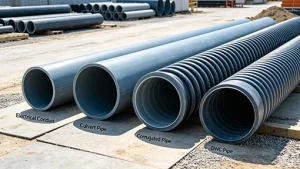
Memilih Paip HDPE yang Tepat: Paip DWC, Paip Beralun, Paip Culvert dan Konduit Elektrik Diterangkan
Bagaimana paip PVC menjadi tulang belakang sistem saliran
Analisis Penuh Paip PVC: Era Baru Hijau, Rintangan Kakisan dan Peluang Pasaran
Berapakah Kaki Paip Talian Bekalan Air Di Manhattom

Panduan Penilaian Tekanan Paip HDPE: Cara Memilih PN10, PN12.5, dan Paip PN16