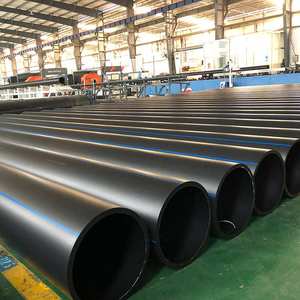
LUOYANG HAERE ENERGY TECH CO.,LTD

He aha nga rereketanga i waenga i nga paipa PE me nga paipa HDPE?
Te rereketanga i waenga Nga paipa HDPE me nga paipa PE he patai e pataia ana. He ahua ngawari, engari he torutoru nga tangata e whakamarama marama ana. I konei ka whakaatu nahanaha matou ki a koe.
Ko nga paipa PE he paipa kirihou Polyethylene. Ko te momo tino taketake o te kirihou, He pai te aukati a te PE ki te nuinga o nga matū o te whare me te ahumahi. Peeke kirihou noa, kiriata piri, etc. he mea hanga katoa ki te PE.
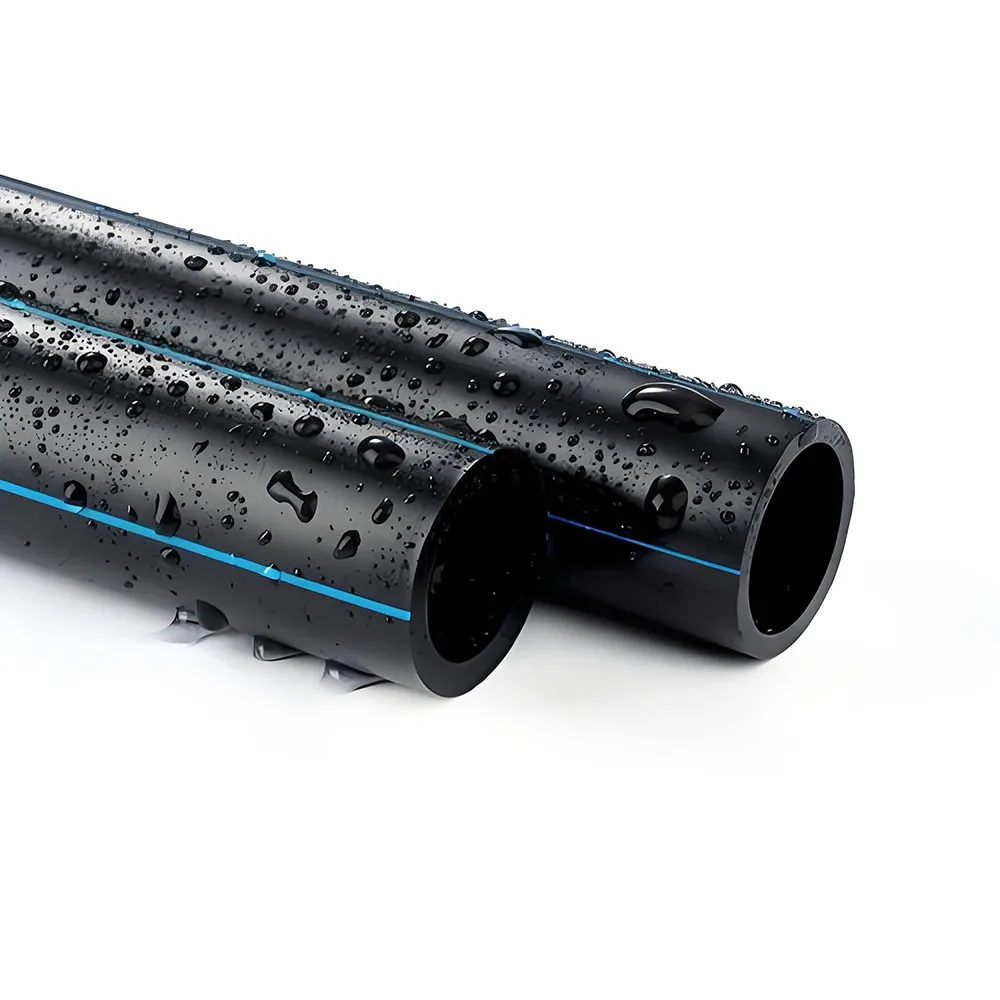
Ka taea te whakarōpūtia nga paipa PE ki nga momo e toru: paipa polyethylene iti-kiato (LDPE paipa), paipa polyethylene reo-kiato (MDPE paipa), me nga paipa polyethylene teitei (Nga paipa HDPE).
PE Pipe Family at a Glance
| Momo | Kiato (g/cm³) | Crystallinity | Key Characteristics | Nga tono noa |
|---|---|---|---|---|
| LDPE | 0.910–0.925 | 55%–65% | Soft, flexible, low melting point | Films, tākainga, cling wrap |
| MDPE | 0.926–0.940 | 70%–80% | Balanced flexibility and strength | Gas pipes, pressure pipes, tākainga |
| HDPE | 0.941–0.965 | 80%–95% | Rigidity teitei, kaha, ātete matū | Tuku wai, tuku hau, paipa ahumahi |
1. polyethylene kiato iti (whakapotohia hei LDPE)
Low-density polyethylene is generally produced by high-pressure polymerization with a density of 0.9910 -0.925g/cm³. Ko te hanganga ngota o te polyethylene iti-kiato he macromolecule rarangi me nga mekameka taha maha. Ko nga mekameka taha o nga roa rereke i runga i te mekameka matua ka pa ki te riterite o te whakaritenga macromolecule, ā, karekau te tāpae i te piri, e arai ana i te whakatioatanga o te polyethylene. No reira, ko te tioata 55% -65%. He iti te ira whakarewa me te kakano ngawari te polyethylene iti. Ko nga mekameka taha roa ka iti te pokey i nga reiti kutikuti teitei i te wa e tukatuka ana me te kaha rewa i te wa e toro ana., e tino pai ana mo te tukanga kiriata pupuhi me te nuinga o te whakamahi i roto i te hanga kiriata ahuwhenua, kiriata takai taumaha, etc.
2. polyethylene kiato-waenganui (MDPE mo te poto)
polyethylene kiato-waenganui (MDPE) ka whakahaeretia i roto i te kiato e te A-olefin copolymerization i te pehanga reo me te iti ma te whakamahi i te whakakorikori pai
(0.926-0.940q/cm3), me te tioata o 70%-80%. Na te tini me te roa o nga mekameka taha, kiato me te crystallinity heke, Ko te polyethylene kiato-waenga he pai ake te ngawari me nga ahuatanga iti-mahana, me tona kaha rekereke, pakeke, āhuatanga waiariki, etc. he iti ake i era o te polyethylene teitei. Na te mea ka taea e te copolyolefin te whakanui ake i nga mekameka honohono i waenga o nga pepa karaihe o te polyethylene reo-kiato., Ko tana aukati ki te puhoi te pakaru me te pupuri mo te wa roa o te kaha miihini kua tino pai ake ki te LDPE. Ka taea te whakamahi i te polyethylene reo-nui ki te hanga paipa pehanga, paipa tuku, momo ipu me nga kiriata kapi.
3. Te polyethylene teitei (HDPE mo te poto)
Te polyethylene teitei (HDPE) ka puta mai i te tukanga polymerization iti-pēhanga, he ahorangi, he kiato o 0.94-0.965q/cm ³, he tioata o 80%-95%, he paura ma, he kirikiri ranei. Ka whakaritea ki te polyethylene iti-kiato, he iti ake etahi atu mekameka iti, he hanganga tata tonu, he rāpoi ngota pūrākau me te kati, na reira he tioata teitei, kiato tiketike, te papatipu ngota ngota whanaunga mai i nga rau mano ki nga rau mano, me te awhe whaiti o nga reiti rere rewa. Ko te polyethylene kiato teitei he tino pakari me te uaua, te kaha o te miihini me te aukati wera, me te pai o te atete ki nga apiha hohonu me te urunga o te mamaoa. Ko te polyethylene kiato teitei he iti rawa te uruhanga i waenga i nga momo polyethylene katoa, te tino kaha o te waikura, me te pakari pai, ka whakamahia te nuinga ki te hanga momo putorino pehanga, hua werohanga whakarewa, etc.
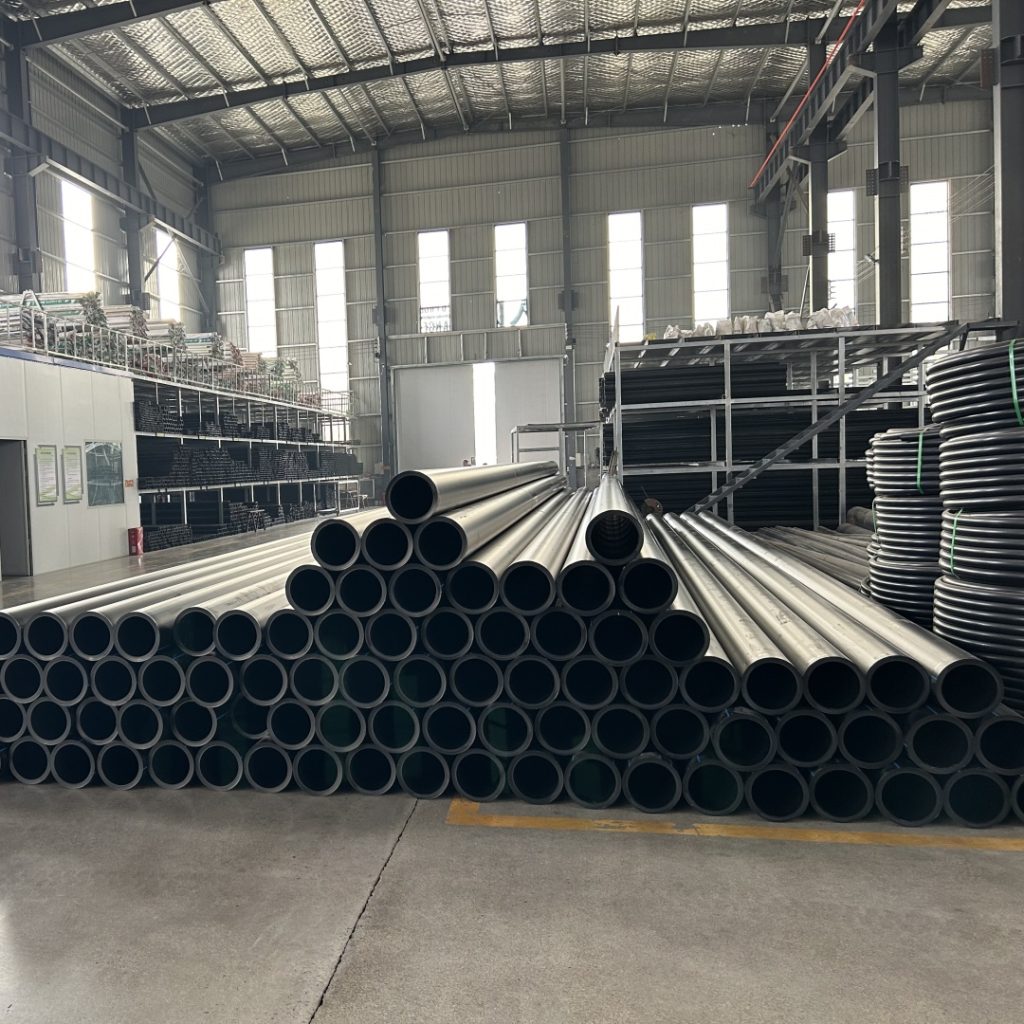
Ko te paipa HDPE he momo paipa PE, engari ko te mahi o te paipa HDPE he pai ake i tera o te paipa PE noa, ka taea e matou te whakarapopoto penei:
PE Pipe vs HDPE Pipe: Whakataurite Tere
| Tauwehe | General PE Pipe | Paipa HDPE |
|---|---|---|
| Atete Pehenga | Raro | Teitei ake (up to 9x stronger) |
| Abrasion Resistance | Whakaōrite | Best among engineering plastics |
| Primary Applications | Gas transport, flexible tubing | Tuku wai, hau, ahumahi, buried systems |
| Tikanga Hononga | Mechanical fittings, quick-connect | Hanumi wera (whakakotahitanga reke, hikohiko) |
| Utu Tuatahi | Raro | Teitei ake |
| Uara mo te wa roa | Shorter lifespan, higher maintenance | Longer lifespan, lower lifecycle cost |
1, Rerekē pēhanga ātete:
- Ko nga paipa HDPE me kaha ki te tu ki etahi pehanga, me te nuinga o te waa ka whiriwhiria he taumaha ngota teitei me nga taonga miihini pai te kapia PE, penei i te kapia HDPE, e iwa nga wa kaha ake i nga paipa polyethylene noa (Paipa PE);
2, he rereke te parenga kakahu
- I roto i nga kirihou engineering katoa, Ko te HDPE te tino pai o te aukati abrasion. Ko te teitei ake o te taumaha ngota, te nui ake te kakahu-atete te rauemi, nui atu i te maha o nga mea whakarewa (penei i te waro maitai, kowiri tira, parahi, etc.) ko te aukati abrasion o te PE noa kotahi te hautekau o tera o te HDPE;
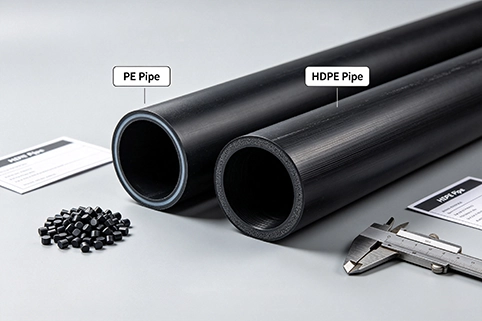
PE Pipe vs HDPE Pipe
- Paipa PE General (paipa polyethylene reo-kiato) he pai mo te kawe hau hau horihori, hau māori, hau hinuhinu liquefied, ko nga paipa polyethylene iti-kiato he ngongo ngongo;
- Nga paipa HDPE (paipa polyethylene teitei) ka whakamahia te nuinga mo te kawe hau maori, nga punaha tuku wai a te taone nui, nga punaha tuku wai o roto o nga whare, outdoor buried water supply systems and buried water supply systems in residential areas and factories, old pipeline repair, water treatment engineering pipeline systems, and industrial water pipes in gardens, irrigation and other fields.
- Nga paipa HDPE can be used as a replacement for traditional steel pipes and polyvinyl chloride drinking water pipes, which ordinary PE pipes cannot.
4,Rerekē tikanga hononga:
- Paipa PE General, especially LDPE and MDPE, are often connected using mechanical fittings or quick-connect joints, which are convenient for flexible tubing and low-pressure applications.
- Nga paipa HDPE, i tetahi atu ringa, are widely recognized for their compatibility with heat fusion technology. Butt fusion and electrofusion create a seamless joint that is as strong as the pipe itself, ensuring a completely leak-proof system for high-pressure water and gas transmission.
5,Cost and economic value:
While general PE materials are generally cheaper and widely used in packaging and low-stress environments, HDPE pipes offer a higher initial investment but deliver exceptional long-term value.,
Due to their superior durability, lower maintenance needs, and extended lifespan, Nga paipa HDPE significantly reduce replacement and operational costs over decades of use, making them highly cost-effective for major infrastructure projects.
Me pehea te whiriwhiri Between PE and HDPE Pipes
The choice isn’t about which pipe is “pai ake”—it’s about which one fits your application.
- Choose general PE pipes (LDPE MDPE ranei) if: you’re working with low-pressure gas transport, need flexible tubing, or have budget constraints on short-term projects.
- Choose HDPE pipes if: you need high-pressure water or gas transmission, require leak-proof fusion joints, demand long-term durability with minimal maintenance, or are building infrastructure meant to last decades.
For most municipal, ahumahi, and buried applications, HDPE is the clear winner. For temporary or low-stress uses, general PE pipes offer a cost-effective solution.
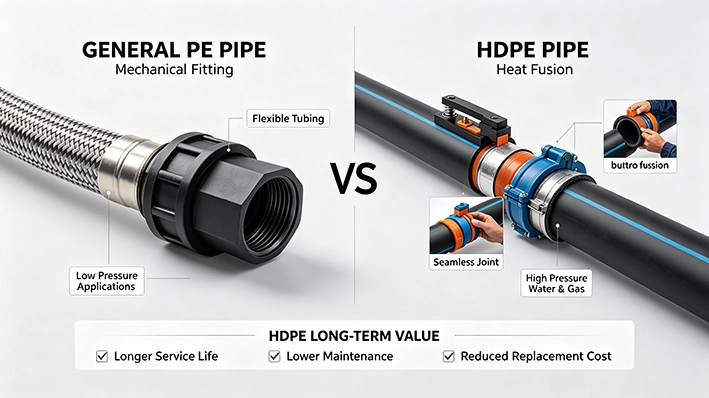
PE pipe and HDPE pipe connection methods comparison including mechanical fittings and heat fusion technology
Pātai Auau
Q1: Is HDPE pipe the same as PE pipe?
A: Kao. HDPE is a specific type of PE pipe. All HDPE pipes are PE pipes, but not all PE pipes are HDPE.
Q2: Which is stronger, PE or HDPE?
A: HDPE is significantly stronger. Its higher density and crystallinity give it superior pressure resistance, ātete abrasion, and mechanical strength.
Q3: Can PE pipes be used for drinking water?
A: General PE pipes may not meet drinking water standards. HDPE pipes are widely certified for potable water systems.
Q4: What is the main difference in installation?
A: General PE pipes typically use mechanical fittings. HDPE pipes use heat fusion (butt fusion or electrofusion), which creates joints as strong as the pipe itself.
Kaiwhakarato
Luoyang Datang Energy Tech Co., Ltd. Ko te kaihanga Hainamana rangatira e tohunga ana ki nga paipa kirihou kounga teitei me nga taputapu. Kua rite ki nga raina whakaputa aunoa hou me te tautoko e te roopu o 200 ngaio, ka tukuna e matou he raina hua nui kei roto 150 types of plastic pipes and fittings designed for water supply and drainage systems, tuku hau, me nga punaha whakamahana papa. Ko o maatau hua matua ko nga Paipa PVC me nga taputapu, PE (HDPE) Nga paipa me nga taputapu, Paipa PPR me nga taputapu, me nga Paipa Whakawera Papa PEX.
Mena kei a koe etahi patai mo te Paipa PVC & Paipa PE i roto i te Whakawai Ahuwhenua, kaua koe e mangere ki te whakapā mai!
- Waea:0086-183 3790 0677
- Wechat: 0086-183 3790 0677
- Whatsapp: 0086-183 3790 0677
- Īmēra: [email protected]
NGA WHAKAPUTANGA
He aha te Paipa PPR te Kowhiringa Tuatahi mo nga Whare Hou?
Ko Tehea Paipa He Pai Mo Te Wai?
Me Whakamahi ahau i te Pipe Dope O. Raina Whakawera Wai
Me pehea te whakatika i te wai e turuturu i te taha o te paipa tuku
He aha te nuinga o nga tangata e whiriwhiri ana i te PP-RCT