LUOYANG TLA ENERGY TECH CO.,LTD

Polypropylene Electrofusion Coupler Electro Fusion PPR Fittings
LITLHAKISO TSA LITŠOANTŠISO
Tlhaloso
Selelekela saPolypropylene Electrofusion Coupler Electro Fusion PPR Fittings
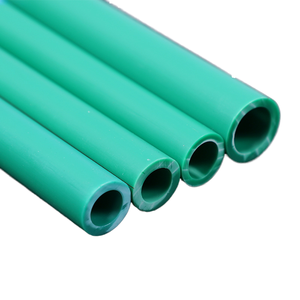
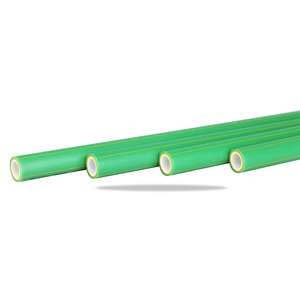
Pipe ea PPR (lebitso le feletseng Polypropylene Random Copolymer Pipe, ke phala ea polasetiki e sebetsang hantle e entsoeng ka lisebelisoa tse tala tsa boleng bo holimo tsa copolymer polypropylene. Ka lebaka la ho hanyetsa mocheso o phahameng, khatello ea maikutlo, tšireletso ea tikoloho le ho se chefo, e sebelisoa haholo ho aha mekhoa ea metsi a chesang le a batang, Boenjiniere ba HVAC, lipalangoang tsa metsi a nooang le phetiso ea mokelikeli oa indasteri, hape ke sebaka se loketseng bakeng sa lipeipi tsa tšepe tsa setso.
Characteristics and Features of Polypropylene Electrofusion Coupler Electro Fusion PPR Fittings
Mocheso o phahameng le ho hanyetsa khatello e phahameng
Mocheso oa nako e telele oa ho sebetsa o ka fihla ho 70°C, khanyetso ea mocheso o phahameng oa nakoana ho 95°C, ts'ebetso e ntle ea ho jara khatello (boemo ba khatello e tloaelehileng PN20, PN25).
Tšireletso ea tikoloho le bophelo bo botle
Lisebelisoa tse tala li hloekile ebile ha li na chefo, kopana le litekanyetso tsa metsi a nooang (joalo ka FDA, EN ISO le litifikeiti tse ling), u se ke ua tsoala libaktheria, le ho netefatsa polokeho ea boleng ba metsi.
Corrosion le anti-scaling
Ho hanyetsa acid le alkali, khanyetso e matla ea ho senya lik'hemik'hale, lerako le boreledi la ka hare, ha ho bonolo ho sekala, tšebeliso ea nako e telele ea phallo e tsitsitseng.
Khokahano ea ho qhibiliha e chesang, tiiso e matla
Ho amohela theknoloji ea hot melt socket, ha ho na kotsi ea ho lutla ha ho amana, 'me mohaho o kopantsoeng o ntlafatsa botšepehi ba tsamaiso.
E bobebe ebile e bonolo ho e etsa
Boima ke bona feela 1/8 ea lipeipi tsa tšepe, e loketseng ho palangoa le ho kenya, ho fokotsa litšenyehelo tsa basebetsi.
Bophelo bo bolelele le tlhokomelo e tlase
Bophelo ba tšebeletso bo hlophisitsoeng bo feta 50 lilemo, e hlokang tlhokomelo, 'me litšenyehelo ka kakaretso li tlase.
Ho boloka matla le ho boloka mocheso
Thermal conductivity e tlaase (feela 1/200 ea lipeipi tsa tšepe), e fokotsang tahlehelo ea mocheso 'me e loketse mekhoa ea metsi a chesang.

(Polypropylene Electrofusion Coupler Electro Fusion PPR Fittings)
Specifications of Polypropylene Electrofusion Coupler Electro Fusion PPR Fittings
Polypropylene Electrofusion Coupler fittings connect PPR pipes securely. They use electrofusion technology for strong joints. The fittings are made from polypropylene. This material resists chemicals well. It handles high temperatures too. Electrofusion works with built-in heating wires. Apply electric current to the wires. The heat melts the polypropylene. The pipe and fitting fuse together. The joint cools into a solid bond. This joint is leak-proof. It matches the pipe strength. These couplers come in standard sizes. Common sizes are 20mm, 25mm, 32mm, 40mm, 50mm, 63mm. Pressure ratings include PN10, PN16, PN20. PN20 supports 20 bar pressure at 20°C. They handle temperatures from 0°C to 95°C. Short-term peaks up to 110°C are acceptable. The fittings meet international standards. ISO 15874 le DIN 8077/8078 apply. This ensures reliability and safety. Use these couplers in plumbing systems. They work for hot water lines. Cold water applications suit them too. Heating systems like radiators use them. Industrial fluid transport benefits from them. Electrofusion offers clear advantages. Joints are permanent and uniform. Ho kenya ho otlolohile. You need an electrofusion machine. Clean the pipe ends first. Insert the pipe into the coupler. Connect the machine leads. Input the correct fusion parameters. Start the fusion cycle. The machine controls heating time. It signals when fusion finishes. Cool the joint naturally. Proper installation prevents failures. Follow the manufacturer guidelines exactly. This ensures system longevity. These fittings save time during projects. They reduce maintenance needs later.

(Polypropylene Electrofusion Coupler Electro Fusion PPR Fittings)
Applications of Polypropylene Electrofusion Coupler Electro Fusion PPR Fittings
Polypropylene electrofusion couplers join PPR pipes securely. They use electricity for the connection. Heat melts the plastic inside the coupler. The melted plastic fuses the pipe ends together. This creates one solid piece. The joint becomes very strong. It is leak-proof. Electrofusion is reliable for joining pipes.
These fittings work well in many places. They connect pipes in hot and cold water systems. People use them in homes. They connect pipes under floors or inside walls. Builders install them in apartment blocks. Factories rely on them for process lines. They are good for chemical transport. These couplers handle industrial fluids safely. They are common in irrigation projects for farms. Municipal water supply networks use them extensively. Gas distribution systems also employ these fittings.
Ho kenya ho otlolohile. Prepare the pipe ends first. Cut the pipe cleanly. Remove any burrs. Measure the insertion depth carefully. Mark this depth on the pipe. Clean the pipe surface thoroughly. Scrape off the outer layer lightly. Wipe the area with a clean cloth. Avoid any grease or dirt. Position the coupler over the pipe ends. Align the pipes correctly inside it. Clamp the assembly firmly. Connect the electrofusion machine. Follow the machine’s instructions exactly. Enter the correct fusion parameters. Start the fusion cycle. The machine sends power to the coupler’s coil. The coil heats up. The plastic melts and fuses. Wait for the cooling time. Do not disturb the joint during cooling. Disconnect the machine after the cycle finishes. Check the joint visually. Ensure a proper bead forms around the pipe ends. This bead confirms good fusion. Always disconnect power before touching the coupler post-fusion.
Ho paka le ho Romela
E itšetlehile ka lihlahisoa le qty,re ne re ka etsa pack of coiling,meqolo,ho phuthela ka bongata,makese kapa mabokose,etc.
Thomello:Ka leoatleng,seporo,ka moea kapa joalo ka kopo ea moreki.
Boemo ba Khoebo
Luoyang Datang Energy Tech Co., Ltd. ke moetsi ea ka sehloohong oa Machaena ea sebetsanang le liphaephe tsa polasetiki tsa boleng bo holimo le li-fittings. Ho hlomelloa ka mela ea tlhahiso ea morao-rao e ikemetseng le e tšehetsoeng ke sehlopha sa 200 litsebi, re fana ka lethathamo le pharaletseng la lihlahisoa tse kenyelletsang ho feta 150 mefuta ea lipeipi tsa polasetiki le lisebelisoa tse etselitsoeng ho fana ka metsi le tsamaiso ea ho ntša metsi, phetiso ea khase, le mekhoa ea ho futhumatsa fatše. Lihlahisoa tsa rona tsa mantlha li kenyelletsa liphaephe le li-Fittings tsa PVC, PE (HDPE) Liphaephe le Lisebelisoa, PPR Liphaephe le Fittings, le PEX Floor Heating Pipes.
Na u na le lipotso mabapi le HDPE Pipe Fitting, ka kopo o seke oa qeaqea ho iteanya le rona!
Mohala:0086-183 3790 0677
Wechat: 0086-183 3790 0677
Whatsapp: 0086-183 3790 0677
Email: sales@pipesandfittings.net
Melao ea Tefo
T/T,L/C ka pono,phetiso ea chelete e bitsoang western union & Paypal,etc.
5 FAQs of Polypropylene Electrofusion Coupler Electro Fusion PPR Fittings
What is a Polypropylene Electrofusion Coupler?
It’s a special fitting for joining PPR pipes. The coupler has built-in heating wires. You connect it using an electrofusion machine. This creates a strong, permanent bond between pipes.
How does the Electrofusion process work?
First, clean and trim the pipe ends. Insert them into the coupler. Connect the electrofusion machine to the coupler’s terminals. The machine sends electricity. This melts the inside of the coupler and the pipe surface. The melted material fuses together. After cooling, it forms a solid joint.
What are the main advantages of Electrofusion PPR fittings?
They are very reliable. The fusion is leak-proof. Installation is quick. It needs less equipment than traditional welding. These fittings work well in tight spaces. They handle high pressure and temperature.
Where are Electrofusion Couplers used?
Mainly in plumbing and heating systems. They work for hot and cold water lines. You see them in industrial pipes, chemical transport, and fire safety systems. They are good for repairs or new projects.
What safety steps are important during installation?
Always follow the manufacturer’s guide. Wear protective gloves and glasses. Make sure pipes are clean and dry. Check the electrofusion machine settings. Do not move pipes during cooling. Test the joint after installation.

(Polypropylene Electrofusion Coupler Electro Fusion PPR Fittings)
KOPO KHOPO
LIHLAHISO TSE HLAHANG
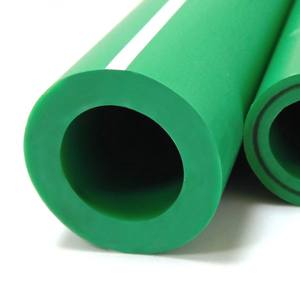
Polypropylene PPR Pipe HDPE PP Pipe Hot Cold Water Pipe
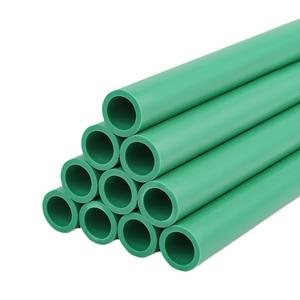
High Quality Plastic Ppr Pipe Hot Cold Water Tube Moulded From Pp for Plumbing
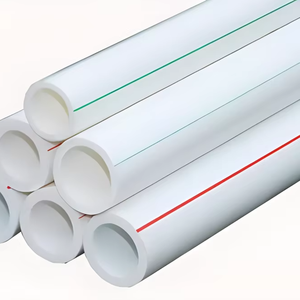
Standard Water Pipe High Quality Plastic Pipe Water Supply Polypropylene Tube Ppr Pipe
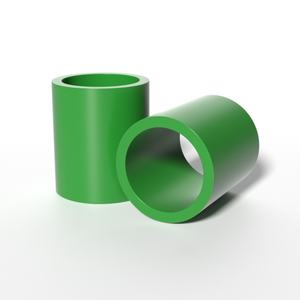
ISO Polypropylene Plumbing Materials PN25 All Types PPR Pipe Fittings
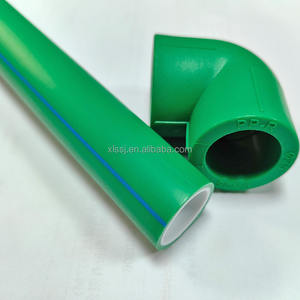
Whole Universal 1 Inch 40mm Plastic Pipes PPR Pipe And Fitting