


ЛУОЯНГ КЕНЕ ЭНЕРГИЯ ТЕХ ТО., ООО

HDPE торба системаларын урнаштыру өчен төп таләпләр нинди?
1. Бәйләнү процессы таләпләре (төп сылтама)
One of the advantages of HDPE торба is that they can achieve completely fused and leak-free connections, but this also imposes strict requirements on the connection process.
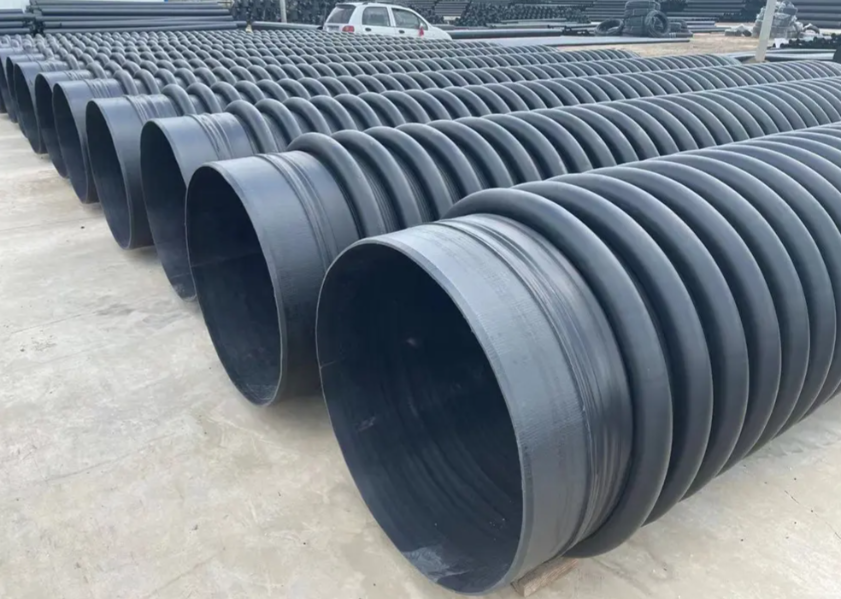
1.1 Clean pipe ends: Before connection, the dust, нефть, and moisture on the connection surfaces of the pipes and fittings must be thoroughly removed using a clean cloth or special tools to ensure a clean fusion surface.
1.2 Precise cutting and trimming: The pipes must be cut perpendicularly to the axis, with a smooth and burr-free cut. Use a special scraper to remove the oxide layer (usually scrape 1-2mm), ensuring the fusion surface is fresh polyethylene material.
1.3 Correct use of hot-melt equipment:
*Hot plate temperature: The correct hot plate heating temperature must be set according to the pipe size and ambient temperature (usually 210±10℃ for PE100 material).
*Heating time and pressure: Strictly follow the standards (ISO кебек 21307 or ASTM F2620) for heating time, heating pressure, and cooling hold time. Insufficient time leads to insufficient fusion, while excessive time may degrade the material.
*Butt joint process: After heating, quickly remove the hot plate and join the two pipe ends at the specified pressure within the prescribed time to form a uniform “flare” (curl).
1.4 Electrofusion connection precautions: For electrofusion fittings, ensure the correct insertion depth of the pipe, a tight fit between the fitting and the pipe outer wall, and that the welding parameters (voltage, time) match the fitting.
1.5 Full cooling: After fusion, the pipe must be held under pressure and cooled without external force for the specified time (usually 1-2 times the welding time). Do not cool with water or move the pipe, as this may cause the joint to crack.
2. Trench and foundation requirements

2.1 Trench excavation: The bottom of the trench should be flat, free of sharp stones, tree roots, and other hard objects to prevent uneven force on the pipe after backfilling.
2.2 Foundation treatment: According to soil conditions, lay an appropriate base layer (such as fine sand, fine soil, or crushed stone layer), typically 100-150mm thick, to provide uniform support for the pipe.
2.3 Trench width: It should be wide enough to allow operators to perform connection work, usually 1.5-2 times the pipe diameter.
3. Pipe laying requirements
3.1 Avoid excessive bending: Although HDPE pipes are flexible, the bending radius must not be less than the minimum allowable bending radius (usually 20-30 times the pipe diameter) to prevent pipe wall wrinkling or damage.
3.2 Prevent scratches and impacts: Handle and lay the pipes gently, use non-metallic lifting tools, and avoid friction or collision with hard objects.
3.3 Temperature influence: HDPE has a high coefficient of thermal expansion. For long straight pipe sections, consider the expansion and contraction caused by temperature changes. If necessary, set up flexible connections or bends to absorb displacement.
3.4 Burial depth requirements: Comply with local regulations, typically buried below the frost line with sufficient cover thickness (generally ≥0.8m) to protect the pipe.
4. Backfilling requirements
4.1 Layered backfilling: Within 300mm from the bottom to the top of the pipe, use fine soil or sand for manual layered backfilling and compaction. Each layer should not exceed 200mm in thickness. Mechanical direct compaction above the pipe is strictly prohibited.
4.2 Backfill material: Must not contain stones larger than 25mm in diameter, frozen soil blocks, or construction waste.
4.3 Symmetrical backfilling: Backfill on both sides should be carried out simultaneously to ensure uniform force on the pipe and prevent displacement.
5. Pressure testing and quality inspection
5.1 Visual inspection: Check that the flares of all fusion joints are uniform, symmetrical, and smooth, without holes, collapses, or misalignment.
5.2 Flare removal inspection: For critical projects or sampling inspections, remove part of the flares as required by the standard to inspect the internal fusion condition.
5.3 Pressure testing: After system installation, a water pressure test (usually 1.5 эш басымы, with a stabilization time of no less than 1 hour) must be conducted to ensure no leakage. Gas pressure testing is strictly prohibited to prevent explosion risks. The successful installation of HDPE pipe systems hinges on strictly adhering to standards, using qualified equipment, and training professional personnel.
Any oversight, particularly during the fusion and backfilling processes, can lead to system leakage, deformation, or premature failure. Therefore, selecting an experienced construction team and implementing full-process quality control are fundamental guarantees for ensuring the long-term safe operation of HDPE water supply pipelines.
Тапшыручы
Luoyang Datang Energy Tech Co.Ltd югары сыйфатлы пластик торбалар һәм җиһазлар буенча махсуслашкан Кытай җитештерүче әйдәп баручысы. Заманча автоматлаштырылган җитештерү линияләре белән җиһазландырылган һәм коллектив ярдәме белән 200 профессионаллар, без киң продукт линиясен тәкъдим итәбез 150 types of plastic pipes and fittings designed for water supply and drainage systems, газ җибәрү, идән җылыту системалары. Безнең төп продуктларга ПВХ торбалар һәм җиһазлар керә, ЭЭМ (HDPE) Торбалар һәм җиһазлар, PPR торбалар һәм җиһазлар, һәм PEX идән җылыту торбалары.
ППР торбалары турында соравыгыз булса,Бакыр клапаннар һәм бакыр җиһазлар, зинһар, безнең белән элемтәгә керергә курыкмагыз!
Тел.:0086-183 3790 0677
Вечат: 0086-183 3790 0677
Ватсап: 0086-183 3790 0677
Бәйләнешле язмалар
HDPE торба: Күп функцияле пластик торба
Тамчы сугару системасы өчен югары тыгызлыктагы полиэтилен су белән тәэмин итү торбасы
Пекс торба һәм идән җылыту системасы камил очрашу.”1+1> 2″

How to Choose Check Valves for Pump Systems in Water Pipelines (Water Hammer & Backflow Prevention Guide)
