LUOYANG DATANG ENERGY TECH CO.,LTD
PVC (Polyvinyl Chloride) Explained: Structure, Properties, Manufacturing & Global Applications (2026 Guide)


1. What is PVC? Understanding the Molecular Structure
PVC (Polyvinyl Chloride) is a thermoplastic polymer produced by polymerizing vinyl chloride monomer (VCM).
- Chemical structure: –CH₂–CHCl–
- Chlorine content: ~56.8%
- Type: Polar polymer
Key Technical Insight:
The presence of chlorine atoms gives PVC:
- Excellent flame retardancy
- Strong chemical resistance
- High mechanical rigidity
However, pure PVC is brittle → requires additives (plasticizers, stabilizers).
2. PVC Manufacturing Process (Industrial Perspective)
There are three main production methods:
| Process | Description | Advantages | Applications |
|---|---|---|---|
| Suspension (S-PVC) | Most common method | Balanced properties | Pipes, cables |
| Emulsion (E-PVC) | Fine particles | Flexible applications | Coatings, gloves |
| Bulk Polymerization | High purity | Eco-friendly | Specialty products |
Typical Process Flow (Suspension PVC):
- VCM compression
- Polymerization (40–70°C)
- Degassing (remove residual VCM)
- Drying
- Final resin output
Industry Trends:
- Ultra-low residual VCM (<1 ppm)
- Mercury-free catalysts
- Continuous production systems
3. Key Properties of PVC (Engineering Data)
| Property | Value Range | Significance |
|---|---|---|
| Density | 1.3–1.45 g/cm³ | Heavier than PE/PP |
| Tensile Strength | 40–60 MPa | Structural use |
| Glass Transition Temp | 75–85°C | Heat resistance |
| Flame Retardancy | UL94 V-0 | Self-extinguishing |
| Electrical Insulation | Excellent | Cable applications |
👉 Conclusion:
PVC offers an optimal balance of strength + cost + safety
4. Rigid PVC vs Flexible PVC

| Type | Features | Additives | Applications |
|---|---|---|---|
| Rigid PVC (uPVC) | Strong, durable | No plasticizer | Pipes, windows |
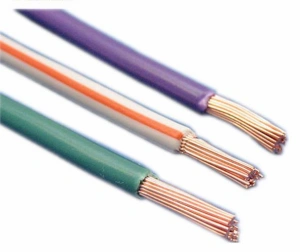
| Flexible PVC | Soft, bendable | Plasticizers added | Cables, films |
👉 Core Difference: Plasticizer content determines flexibility.
5. Major Applications of PVC Worldwide
1. Construction (60%+ demand)
- Water supply pipes
- Drainage systems
- Window profiles
2. Electrical Industry
- Cable insulation
- Conduits
3. Medical Sector
- Blood bags
- Tubing
4. Renewable Energy (Hot Trend)
- Solar cable insulation
- Energy storage wiring
👉 PVC is becoming critical in solar + energy storage systems
6. PVC vs PE vs PP (Material Comparison)
| Material | Cost | Strength | Corrosion Resistance | Flame Retardancy |
|---|---|---|---|---|
| PVC | Medium | High | High | Excellent |
| PE | Low | Medium | Excellent | Poor |
| PP | Low | Medium | Good | Poor |
👉 PVC stands out in fire safety + structural strength
7. Environmental Challenges & Solutions
Challenges:
- Plasticizer restrictions (phthalates)
- Chlorine-related concerns
Solutions:
- Bio-based plasticizers
- Lead-free stabilizers
- Recycling technologies
👉 EU regulations (REACH) are shaping the future of PVC
8. Why PVC Still Dominates the Market
- Cost-effective (20–30% cheaper than alternatives)
- Highly customizable
- Wide industrial applications
👉 PVC is not just plastic — it’s an engineering platform material
Luoyang Datang Energy Tech Co.Ltd is a leading Chinese manufacturer specializing in high-quality plastic pipes and fittings. Equipped with state-of-the-art automated production lines and supported by a team of 200 professionals, we offer an extensive product line comprising over 150 types of plastic pipes and fittings designed for water supply and drainage systems, gas transmission, and floor heating systems. Our main products include PVC Pipes and Fittings, PE (HDPE) Pipes and Fittings, PPR Pipes and Fittings, and PEX Floor Heating Pipes.
RELATED POSTS
Professional Guide for the Use of PPR Pipes in Commercial and Public Buildings
Can You Save Pipes By Turning Off Main Water Supply
How To Clean Water Supply Pipes At Home
What Pipe Is Used For Water Supply